
Exploring the Versatility and Applications of Chemical Copper Plating
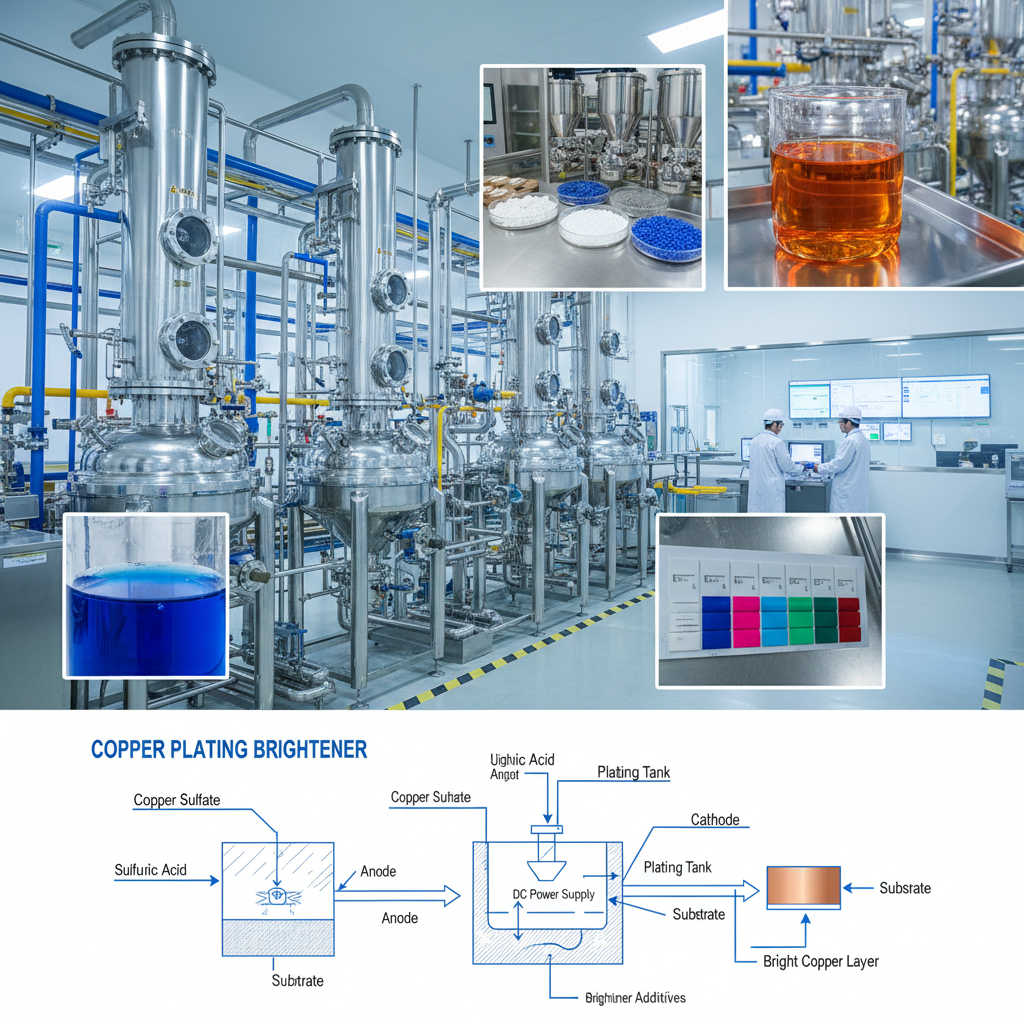
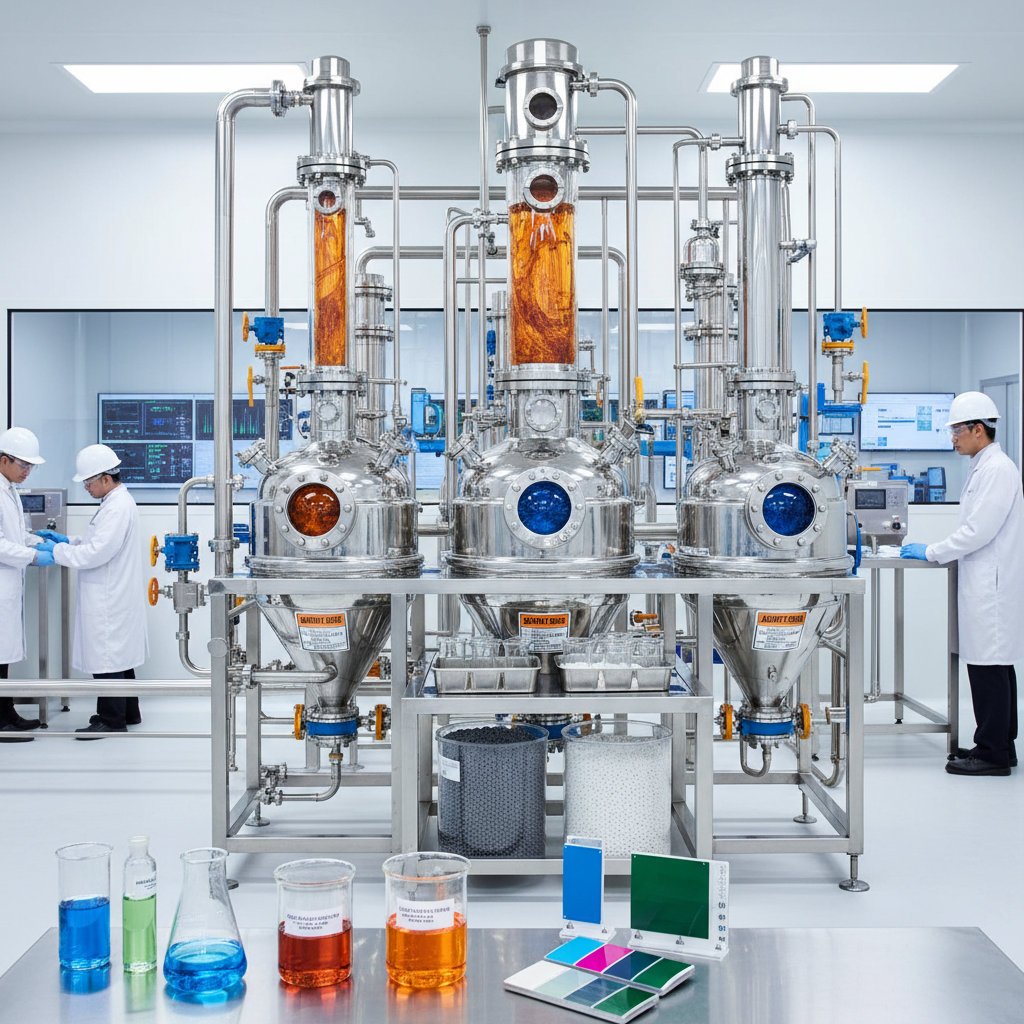
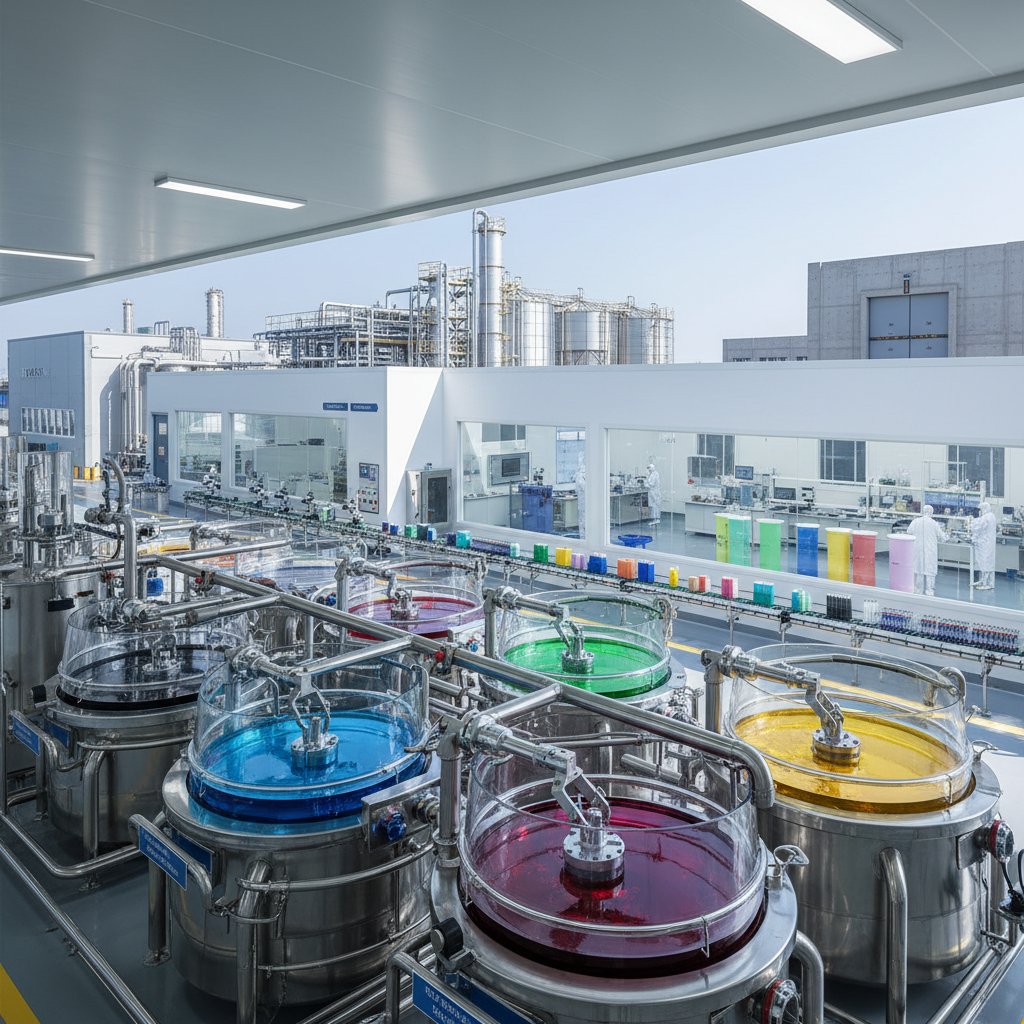
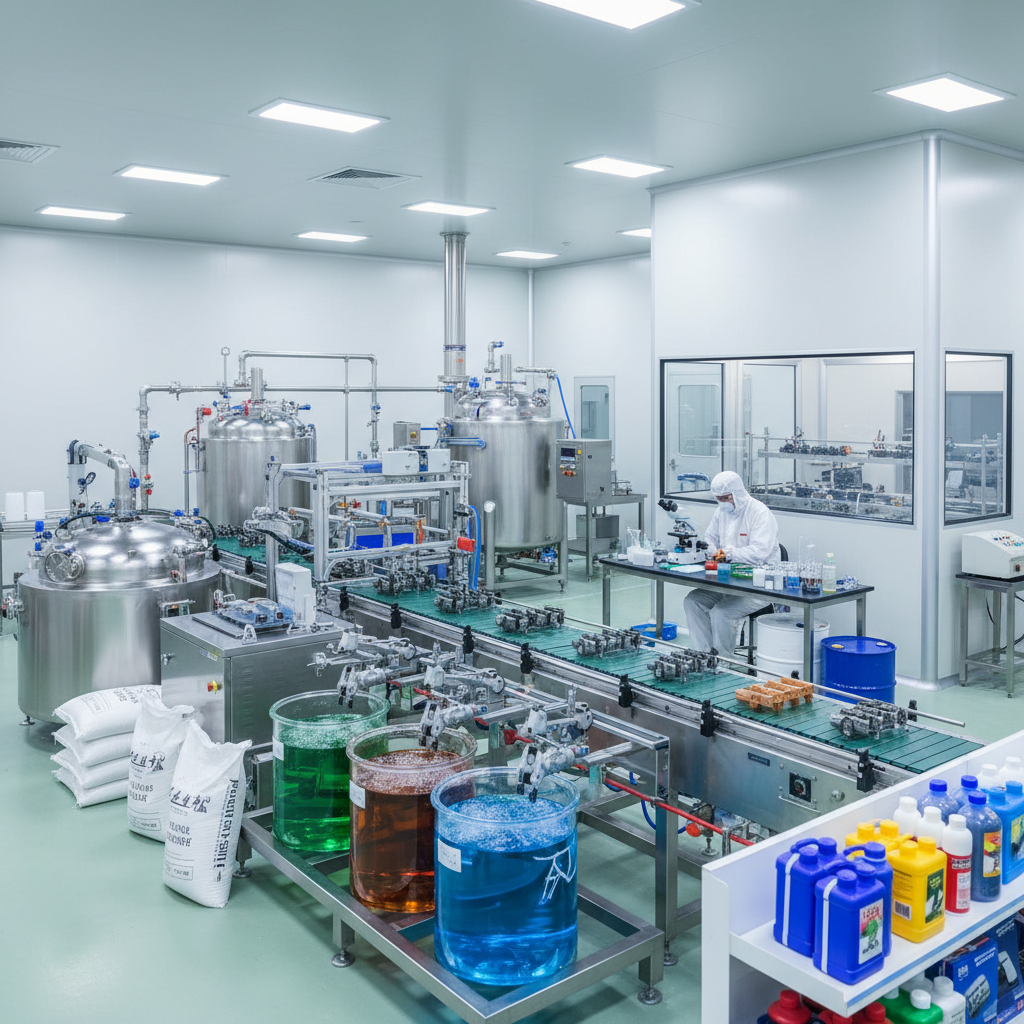
Chemical copper plating—it's more than just a process, it's a cornerstone of modern manufacturing and a lifeline in situations demanding rapid prototyping and repair. For years, I've seen it utilized on construction sites, in automotive repair shops, and even in emergency situations where a conductive layer is needed fast. It’s a technique that’s quietly revolutionized how we approach conductivity, corrosion resistance, and surface finishing. Understanding its nuances isn’t just for materials scientists; it’s critical for anyone involved in building, maintaining, or innovating in a world increasingly reliant on electrical connections. Getting a good, consistent plate is the difference between a lasting repair and a quick fix that fails. The beauty of chemical copper plating lies in its accessibility. Unlike electrolytic methods, it doesn’t require a power source, meaning you can apply a conductive layer virtually anywhere, regardless of power availability. This makes it incredibly valuable in remote locations, disaster relief scenarios, or simply when you need a mobile solution. We’ve used it countless times to repair damaged electrical contacts on heavy machinery right in the field, saving valuable downtime and thousands in replacement costs. It’s a practical tool, and as someone who spends my days problem-solving on-site, that's what I appreciate most. Ultimately, the consistent improvements in chemical formulations and the broadening of applications solidifies chemical copper plating’s position as a fundamental element in modern technology, from electronics to large-scale infrastructure projects. It's not just about applying a coating; it’s about ensuring reliability, extending lifespan, and opening doors to innovative solutions.
Read more »