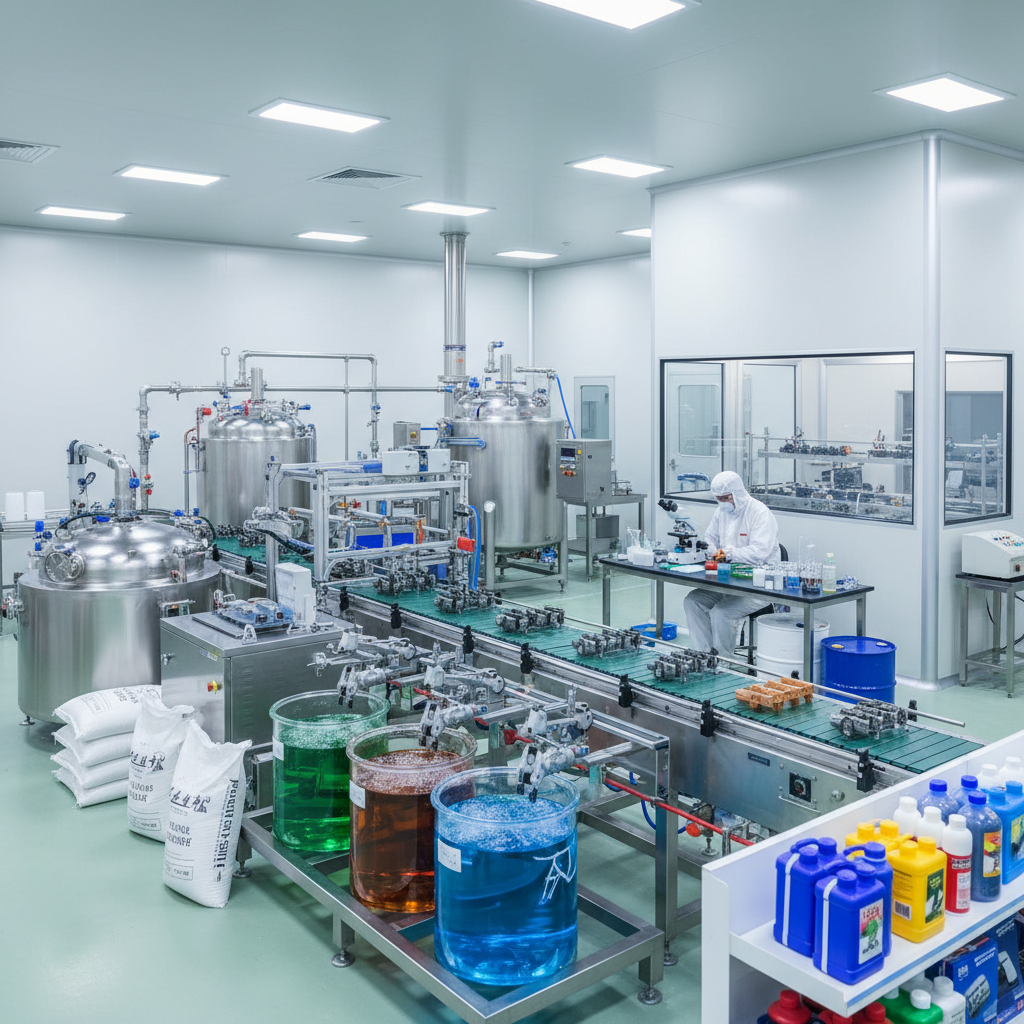
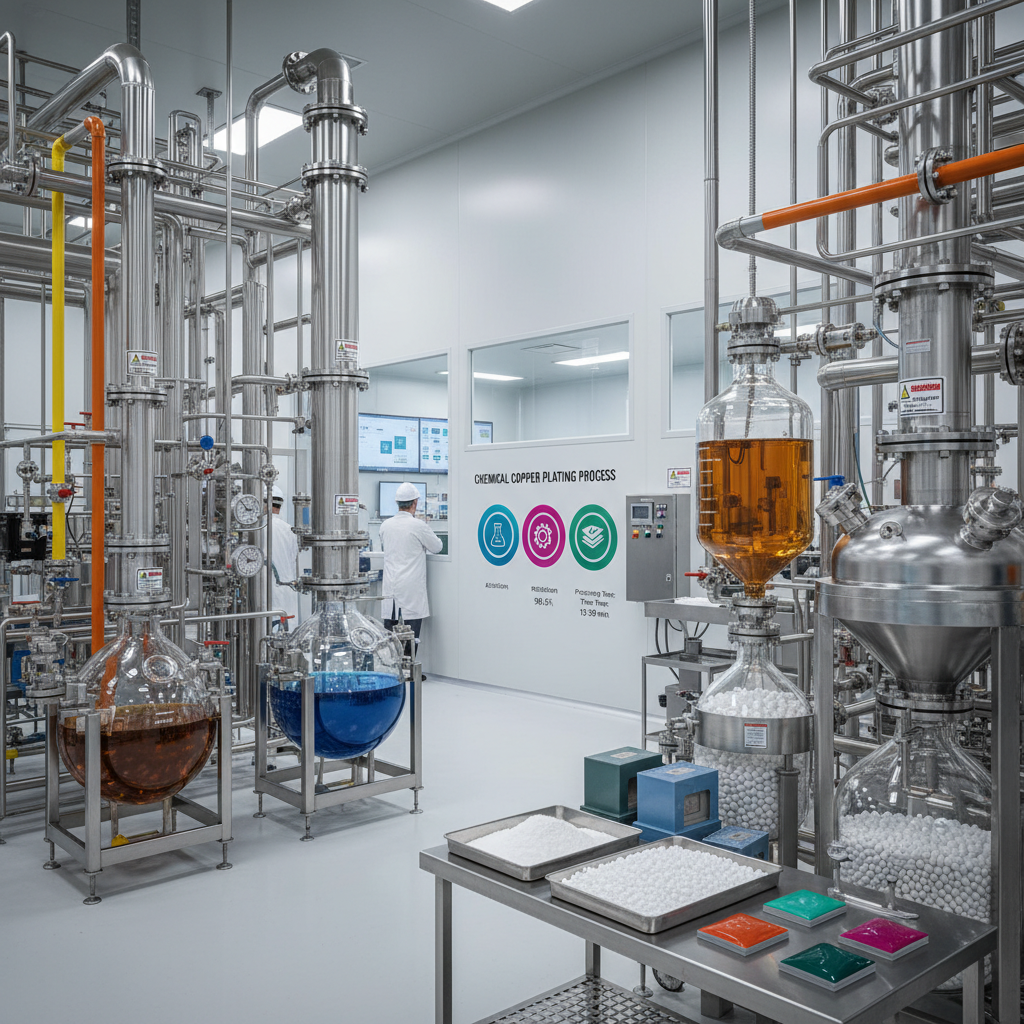
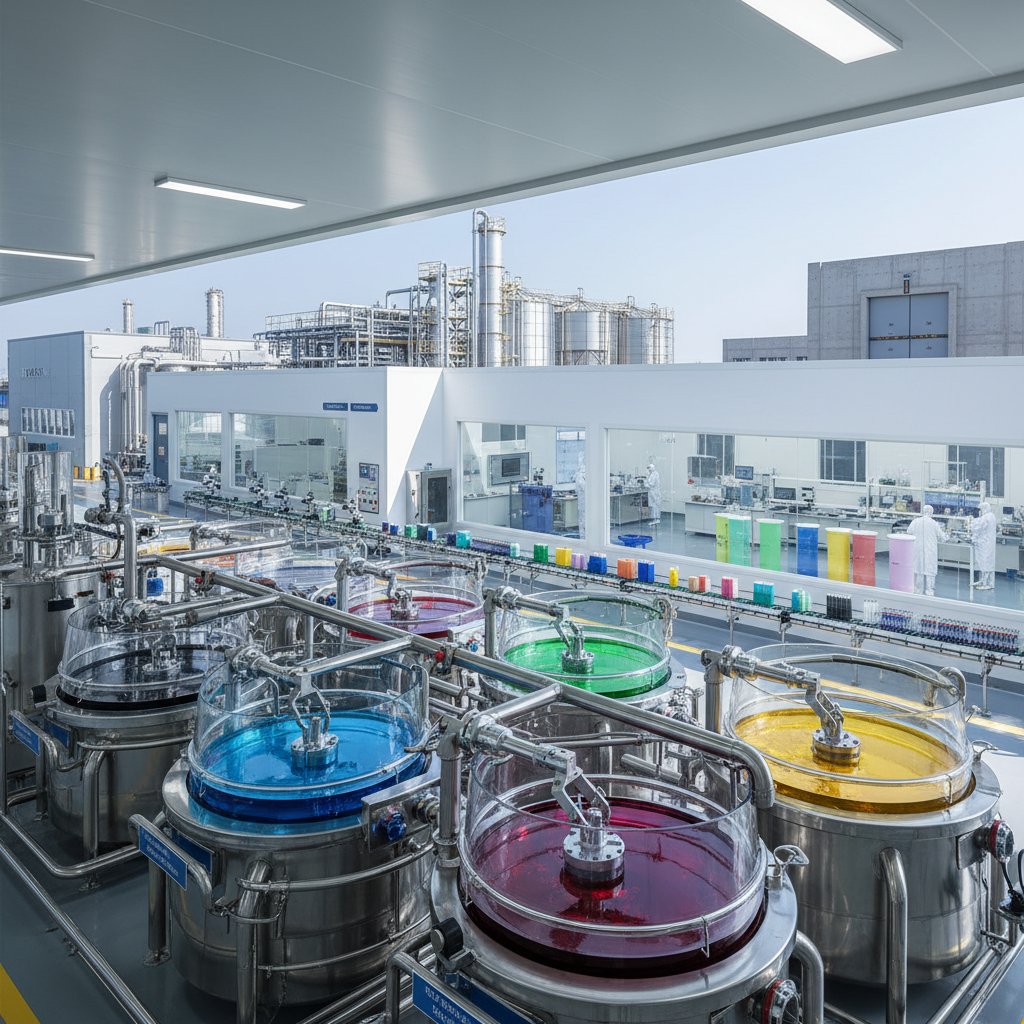
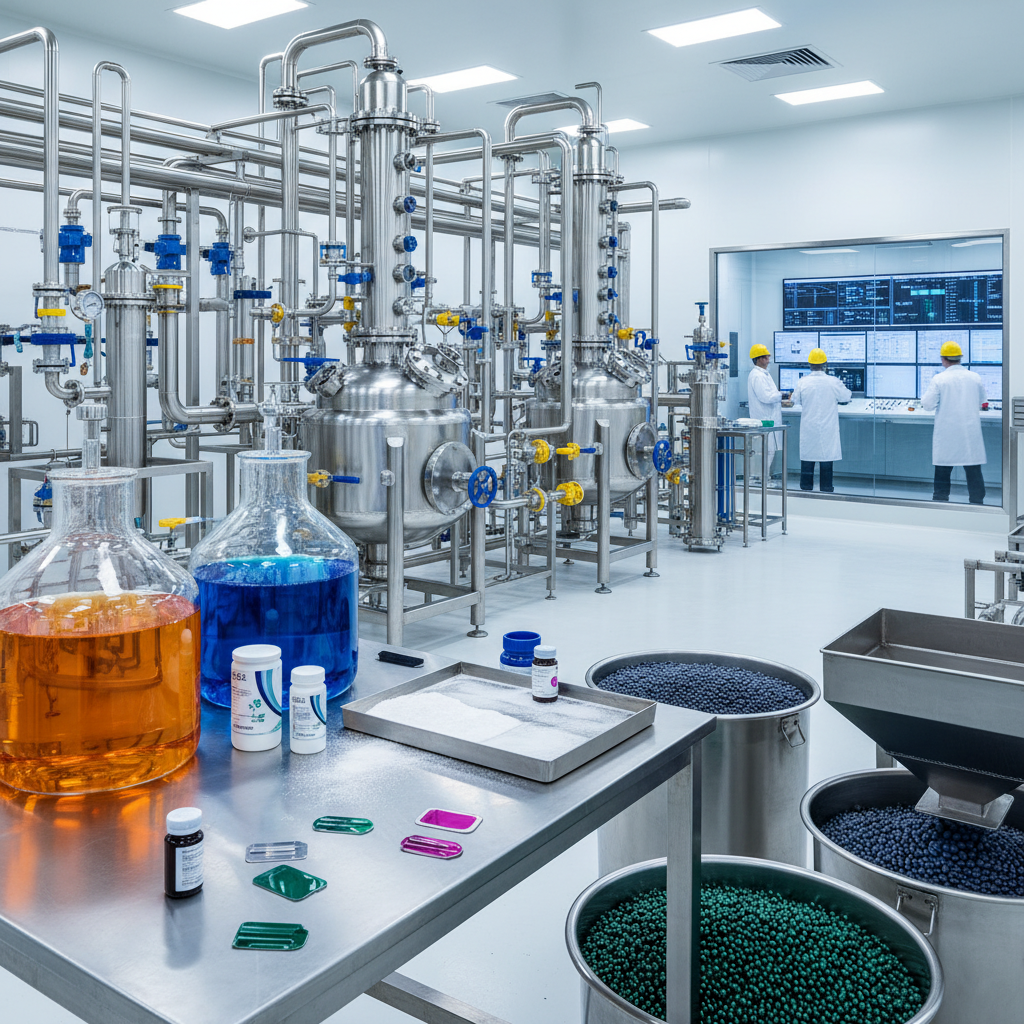
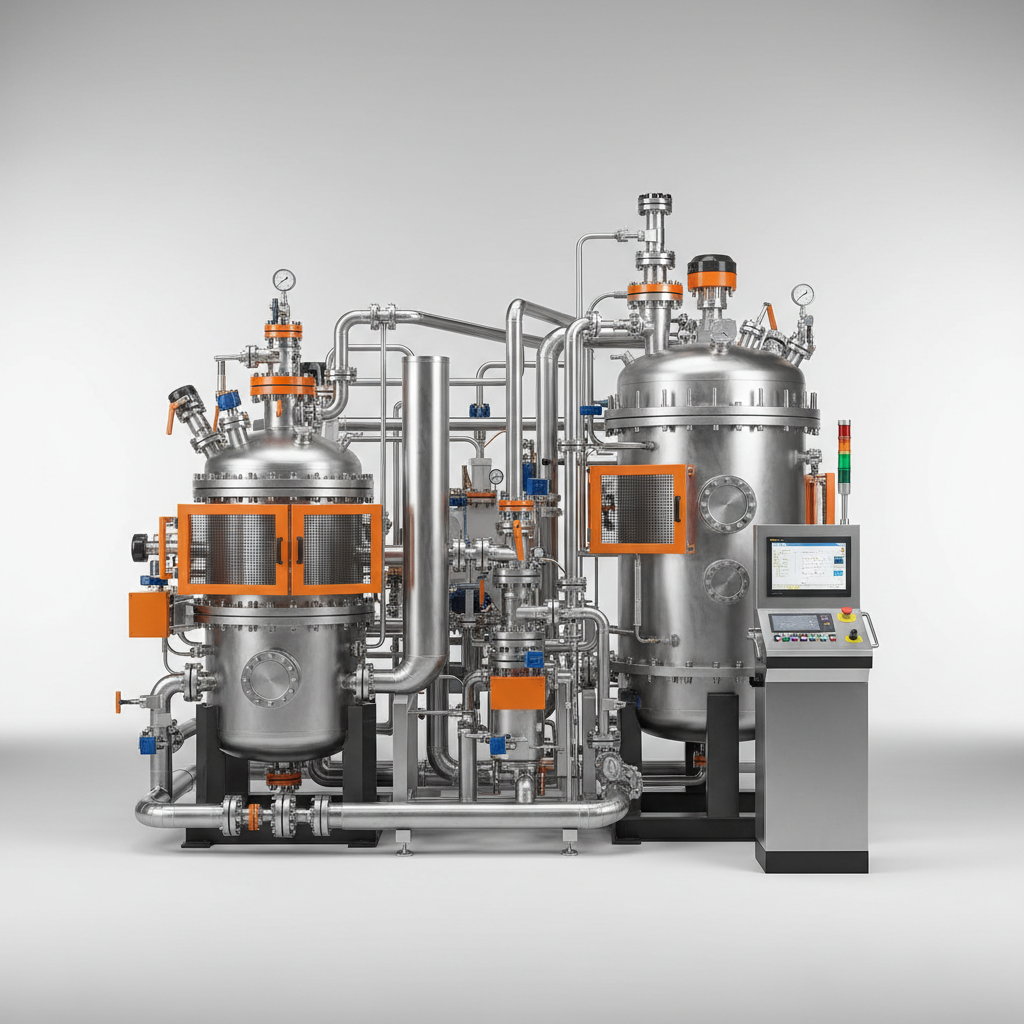
Chemical copper plating—it's more than just a process, it's a cornerstone of modern manufacturing and a lifeline in situations demanding rapid prototyping and repair. For years, I've seen it utilized on construction sites, in automotive repair shops, and even in emergency situations where a conductive layer is needed fast. It’s a technique that’s quietly revolutionized how we approach conductivity, corrosion resistance, and surface finishing. Understanding its nuances isn’t just for materials scientists; it’s critical for anyone involved in building, maintaining, or innovating in a world increasingly reliant on electrical connections. Getting a good, consistent plate is the difference between a lasting repair and a quick fix that fails.
The beauty of chemical copper plating lies in its accessibility. Unlike electrolytic methods, it doesn’t require a power source, meaning you can apply a conductive layer virtually anywhere, regardless of power availability. This makes it incredibly valuable in remote locations, disaster relief scenarios, or simply when you need a mobile solution. We’ve used it countless times to repair damaged electrical contacts on heavy machinery right in the field, saving valuable downtime and thousands in replacement costs. It’s a practical tool, and as someone who spends my days problem-solving on-site, that's what I appreciate most.
Ultimately, the consistent improvements in chemical formulations and the broadening of applications solidifies chemical copper plating’s position as a fundamental element in modern technology, from electronics to large-scale infrastructure projects. It's not just about applying a coating; it’s about ensuring reliability, extending lifespan, and opening doors to innovative solutions.
The Fundamental Role of Chemical Copper Plating
From my experience on job sites, the biggest win with chemical copper plating is its versatility. You're not limited by needing a power supply – that’s huge when you're working in the field. It's often the go-to solution for building up conductive layers on non-conductive materials or repairing damaged components. We've used it for everything from plating plastic parts for EMI shielding to restoring corroded electrical connectors on critical equipment. It’s a lifesaver when speed and convenience are paramount.
The process offers a unique advantage in the precision it affords. Unlike some traditional coating methods, it allows for excellent control over the thickness and uniformity of the copper deposit, particularly in complex geometries. This precision is vital when dealing with sensitive electronics or when adhering to strict manufacturing specifications. I've seen firsthand how careful application can mean the difference between a functioning device and a scrapped component.
Global Relevance and Industry Applications
Chemical copper plating isn't just a niche process; it's woven into the fabric of global manufacturing. The UN reports a consistent growth in demand for electronics and automotive components, both major consumers of plated surfaces. In automotive, it's crucial for corrosion protection and ensuring reliable electrical connections within increasingly complex vehicle systems. The ISO standards for surface treatment consistently reference chemical copper plating as a viable method for achieving specific performance criteria.
One challenge we’ve faced is maintaining consistent quality across different suppliers and batches of chemicals. A slight variation in the plating solution can drastically affect the deposit's properties, leading to adhesion problems or compromised conductivity. We’ve learned to rigorously test incoming materials and closely monitor the plating process to mitigate these risks. The reliance on imported chemicals also introduces vulnerabilities in the supply chain, something companies are actively working to diversify.
Beyond these established industries, the process is gaining traction in emerging fields like printed electronics and microfabrication, driving the need for highly specialized plating solutions. These areas demand even greater precision and control, pushing the boundaries of what's possible with chemical copper plating. It’s a fast-evolving landscape, and staying ahead requires constant learning and adaptation.
Defining Chemical Copper Plating: A Practical Perspective
Simply put, chemical copper plating is the process of depositing a layer of copper onto a substrate through an autocatalytic chemical reaction. No external power source is needed, unlike electroplating. It’s like a carefully controlled chemical "growth" of copper on a surface. You immerse the component into a solution containing copper ions, and the reaction deposits the copper directly onto the part.
Its connection to modern industry is profound. It's integral to printed circuit board (PCB) manufacturing, enabling the creation of conductive tracks and vias. In the automotive industry, it's used for plating plastic components to provide electromagnetic interference (EMI) shielding and improve conductivity. Even in less obvious applications, like medical devices and aerospace components, it plays a crucial role in enhancing performance and reliability.
I've seen this used to restore equipment that would otherwise need to be replaced. The ability to repair conductive pathways on damaged components, particularly in remote locations or during critical downtime, is immensely valuable. It's a practical solution that keeps things running and saves money. It’s a prime example of how a seemingly simple chemical process can have a significant impact on real-world operations.
Key Characteristics for Optimal Performance
A robust chemical copper plating process hinges on several key factors. First, adhesion is paramount. A poorly adhered coating will flake or peel, rendering the process useless. This is heavily influenced by the substrate's surface preparation – cleaning and activating the surface are essential steps.
Next, deposition rate dictates the speed of the plating process. Balancing deposition rate with the desired coating thickness and uniformity is crucial. Too fast, and you risk uneven coverage; too slow, and the process becomes inefficient. Bath stability – the longevity and consistency of the plating solution – is also critical, as degradation can lead to inconsistent results. And finally, uniformity is crucial to ensure equal copper deposition across a variety of shapes. These aspects are interconnected and require careful monitoring and control.
Comparison of Key Chemical Copper Plating Methods
Real-World Applications Across Industries
You’ll find chemical copper plating everywhere. In electronics manufacturing, it's used to create conductive pathways on PCBs, enabling the interconnection of various components. In the automotive industry, it's critical for plating plastic parts, providing EMI shielding and ensuring reliable electrical connections.
I've seen it used extensively in aerospace for repairing corroded electrical contacts and creating conductive layers on composite materials. In post-disaster relief operations, it can be a lifesaver for restoring electrical functionality to critical infrastructure. It’s even used in the fabrication of microfluidic devices for biomedical applications. The scope is incredibly broad.
The Tangible Advantages of Chemical Copper Plating
The core advantage is cost-effectiveness. Compared to electroplating, the initial investment in equipment is significantly lower, as it doesn't require a power supply or complex racking systems. This makes it accessible to smaller businesses and ideal for in-field repairs. It also offers superior throwing power, meaning it can deposit copper uniformly into complex geometries and recessed areas.
The environmental benefits are also noteworthy. Modern formulations are moving towards more sustainable chemistries, reducing the use of hazardous materials. The process generates less waste compared to some other plating methods. This aligns with growing demands for eco-friendly manufacturing processes. It’s not just about doing things right; it’s about doing things responsibly.
From a practical standpoint, the reduced complexity and portability make it ideal for on-site repairs and maintenance, minimizing downtime and saving on transportation costs. A quick fix in the field often avoids costly delays and keeps projects moving forward. These tangible benefits contribute to a faster ROI and improved operational efficiency.
Future Innovations and Emerging Trends
We’re seeing significant developments in pulse plating techniques to improve coating uniformity and reduce stress. Researchers are also exploring the use of nano-structured copper deposits to enhance conductivity and corrosion resistance. Digital control systems and automated monitoring are becoming increasingly common, improving process consistency and reducing the risk of defects.
The push for “green” chemistry is driving the development of more environmentally friendly plating solutions. This includes reducing the use of formaldehyde and cyanide-based additives. The integration of artificial intelligence (AI) for process optimization and predictive maintenance is also on the horizon.
I think the biggest potential lies in combining chemical copper plating with additive manufacturing techniques. Imagine being able to directly plate conductive layers onto 3D-printed parts, creating functional prototypes and customized components with unprecedented speed and efficiency. That’s where I see the future heading.
Summary of Key Challenges and Solutions in Chemical Copper Plating
| Challenge |
Impact on Plating Quality |
Proposed Solution |
Implementation Cost (1-10) |
| Bath Instability |
Inconsistent Deposition |
Automated Monitoring & Control |
7 |
| Poor Adhesion |
Coating Failure |
Enhanced Surface Preparation |
4 |
| Uneven Thickness |
Non-Uniform Conductivity |
Pulse Plating Techniques |
6 |
| Chemical Waste |
Environmental Concerns |
Closed-Loop Recycling Systems |
8 |
| Supplier Dependency |
Supply Chain Vulnerabilities |
Diversification of Chemical Sources |
5 |
| Process Control |
Inconsistent Results |
AI-Driven Process Optimization |
9 |
FAQS
In PCB manufacturing, chemical copper plating is vital for throwing copper into through-holes and creating a conductive layer for subsequent pattern plating. It ensures reliable connections between layers and facilitates the creation of complex circuit designs. It’s often the first step in building up a multi-layer board, providing a base for the more precise etching and plating processes that follow. Without it, you’d struggle to achieve the density and reliability modern electronics demand.
Chemical copper plating is generally less expensive and less complex than electroplating. It doesn’t require a power supply, specialized racking, or extensive wastewater treatment. Electroplating demands precise current control and is more sensitive to variations in the plating solution. Chemical plating is ideal for smaller runs or situations where portability and simplicity are key. However, electroplating can achieve thicker deposits and higher plating rates in certain applications.
Proper surface preparation is crucial. It typically involves cleaning the substrate to remove any dirt, oil, or contaminants. This is usually done with solvents and alkaline cleaners. Next, the surface is activated using a catalytic solution, which creates nucleation sites for the copper deposition. Activation ensures good adhesion and prevents uneven plating. Sometimes, a micro-etching step is also included to create a rougher surface, further enhancing adhesion.
Many chemical copper plating solutions contain potentially hazardous chemicals, such as formaldehyde and cyanide. Always wear appropriate personal protective equipment (PPE), including gloves, safety glasses, and a respirator. Work in a well-ventilated area to avoid inhaling fumes. Properly dispose of waste solutions according to local regulations. A thorough understanding of the SDS (Safety Data Sheet) is essential before handling any chemical.
Poor adhesion often stems from inadequate surface preparation. Double-check your cleaning and activation steps. Uneven plating can be caused by inconsistent bath temperature, contamination, or insufficient agitation. Regularly monitor and adjust the plating parameters. If problems persist, consult with a chemical supplier or plating specialist to diagnose the issue.
The industry is moving towards formulations with reduced or eliminated formaldehyde and cyanide. Research is focused on alternative reducing agents and stabilizers that are less harmful to the environment. Closed-loop recycling systems are becoming more common, minimizing waste and reducing chemical consumption. There's also growing interest in bio-based plating solutions derived from renewable resources.
Conclusion
Chemical copper plating, as we’ve seen, is a remarkably versatile and crucial process. From its widespread use in electronics and automotive industries to its invaluable role in emergency repairs and emerging technologies, it underpins a vast array of applications. Its accessibility, combined with continuous advancements in sustainability and performance, ensures its continued relevance in a rapidly evolving technological landscape.
Looking ahead, embracing innovation in areas like AI-driven process control and green chemistry will be paramount. Investing in research and development, prioritizing worker safety, and fostering a commitment to environmentally responsible practices will solidify chemical copper plating’s position as a cornerstone of modern manufacturing for years to come. For more information about our innovative solutions, visit us at chemical copper plating.