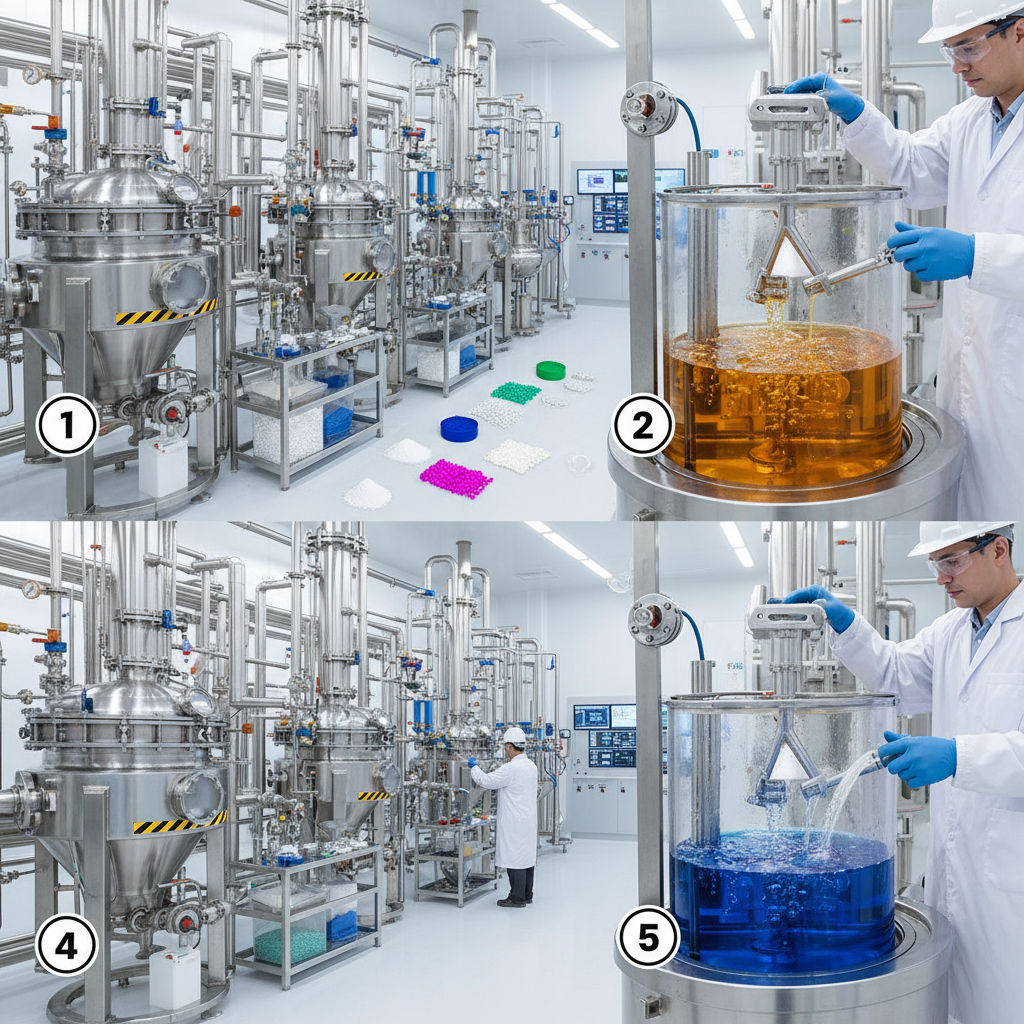
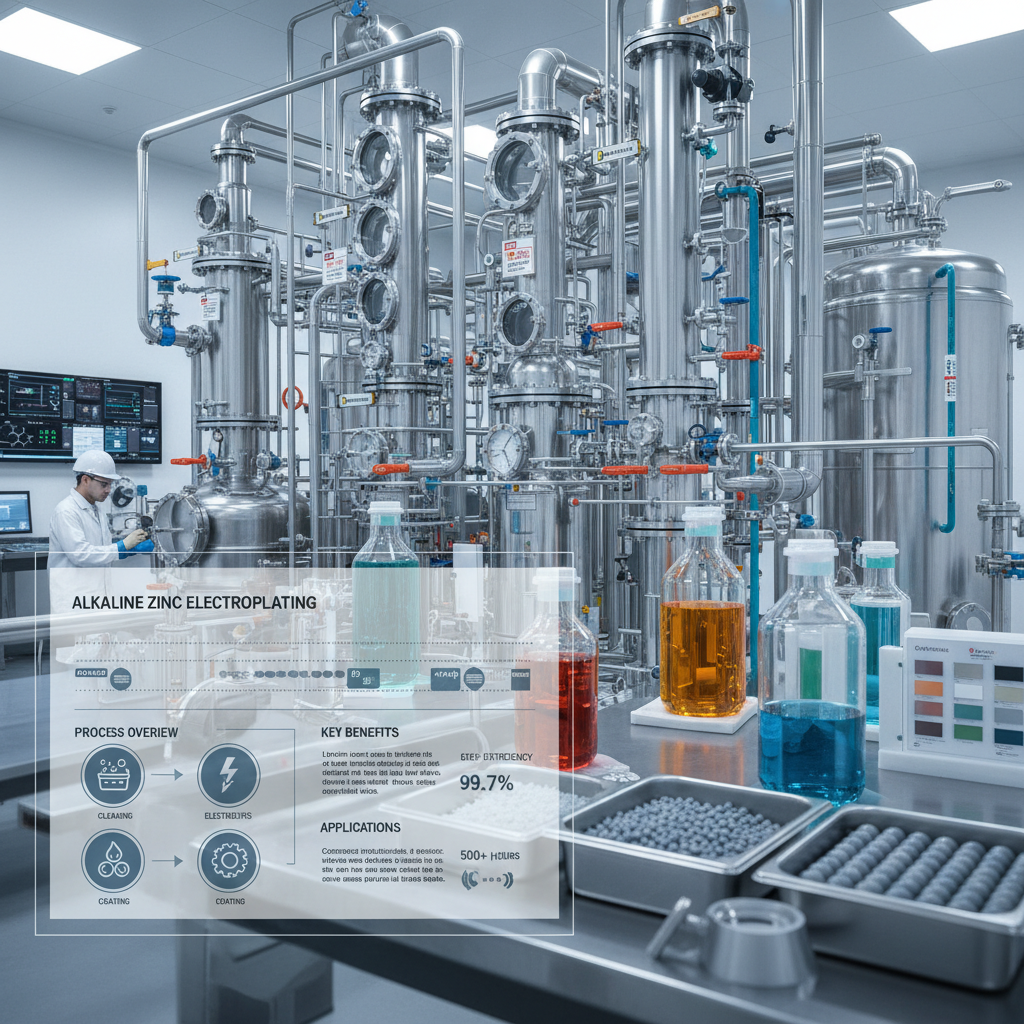
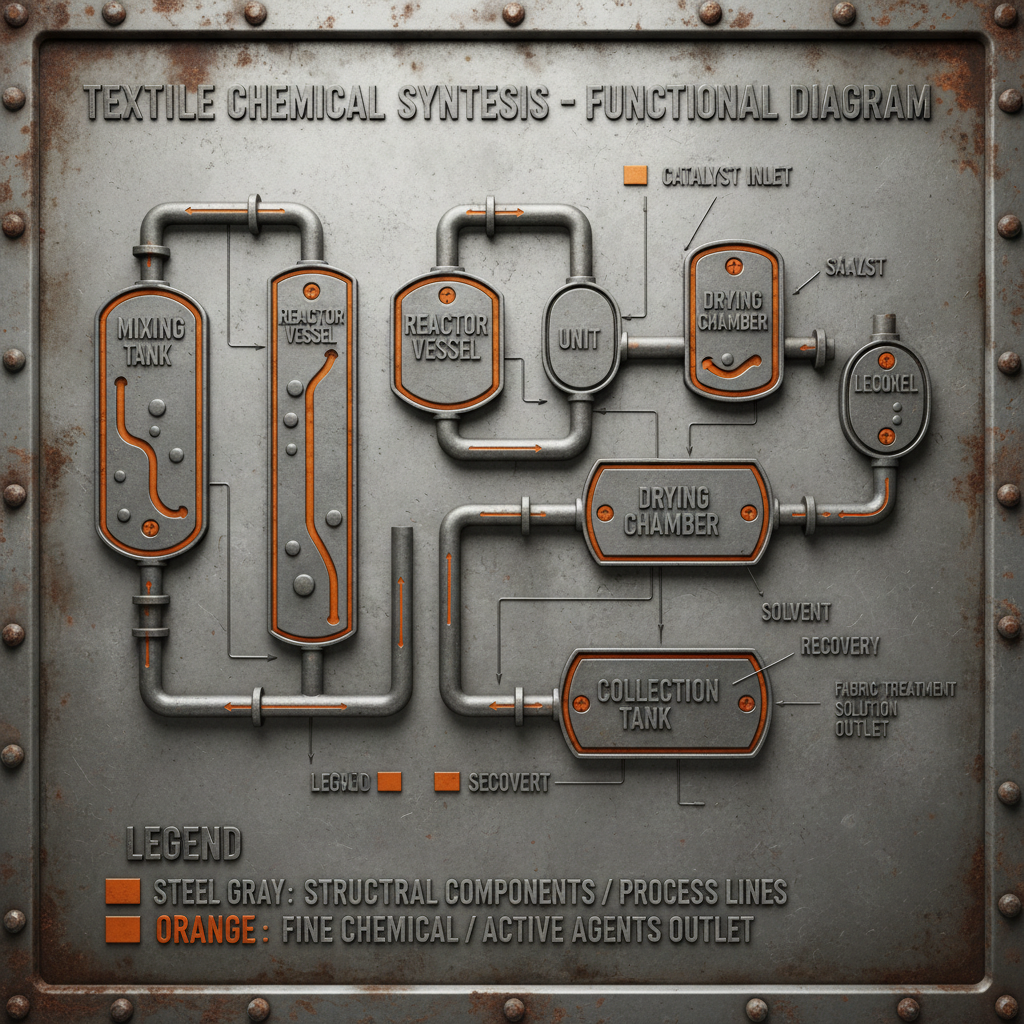
Alkaline zinc electroplating isn’t just a surface treatment; it's the backbone of corrosion protection for countless components across industries. From the automotive sector relying on rust-free parts to the construction industry demanding durable fasteners, and even the electronics world requiring reliable shielding, alkaline zinc plating plays a critical role. It’s about extending the lifespan of products, reducing maintenance costs, and ultimately, ensuring safety and performance. Understanding this process, and the nuances within it, is becoming increasingly vital as demands for sustainable and long-lasting materials continue to grow globally.
The demand for durable and cost-effective protective coatings is driving innovation in electroplating technologies. Globally, the market for zinc plating, and specifically alkaline zinc electroplating, is experiencing steady growth. Data from industry reports indicates a consistent rise in demand, particularly in emerging economies focused on infrastructure development and manufacturing. However, with this growth comes the challenge of environmental responsibility. Traditional plating processes can generate hazardous waste, and stricter regulations are pushing the industry towards greener, more sustainable alternatives, driving the adoption of improved alkaline zinc methods.
Simply put, alkaline zinc electroplating is a process where a layer of zinc is deposited onto a metallic substrate using an alkaline electrolyte bath. Unlike acidic zinc plating, it utilizes a solution with a higher pH, typically employing hydroxides and carbonates. This difference in chemistry provides several advantages, including improved throwing power (meaning better coverage in recessed areas), lower hydrogen embrittlement risk, and the potential for more environmentally friendly operation. It’s a cornerstone of modern manufacturing, ensuring the integrity of components vital to countless sectors and meeting the demands of modern life.
The Importance of Alkaline Zinc Electroplating
Look, after years on job sites, you learn quick that the smallest thing can bring a project to a halt – corrosion being a major culprit. Alkaline zinc electroplating provides a robust barrier against rust and wear, extending the life of critical parts. It’s not glamorous, but it’s foundational. We’re talking about preventing costly downtime, reducing the need for replacements, and ultimately, ensuring the structural integrity of everything from bridges to bicycles.
This isn’t some new-fangled tech either. It’s a proven method, constantly being refined. The alkaline nature of the bath offers benefits that traditional acidic plating simply can’t match, especially regarding material compatibility and environmental impact. It's a workhorse process, and as materials science advances, it's only becoming more relevant.
Global Context and Industry Relevance
The demand for corrosion protection is universal, impacting virtually every corner of the globe. With increasing urbanization and infrastructure projects in developing countries, the need for durable materials is skyrocketing. Industries like automotive, aerospace, construction, and electronics are constantly seeking reliable and cost-effective solutions to prevent corrosion, and alkaline zinc electroplating delivers on both fronts. The ISO standards regarding protective coatings continue to push for more sustainable methods, further increasing the importance of this process.
What we're seeing is a shift towards preventative maintenance. Replacing corroded parts is expensive and disruptive. Investing in a quality coating like alkaline zinc plating upfront is far more economical in the long run. That message is resonating with engineers and project managers, driving demand for plating services and innovative alkaline zinc formulations.
The rise in global trade also plays a role. Components are often manufactured in one country and assembled in another. A robust coating process like alkaline zinc electroplating ensures that parts can withstand the rigors of transportation and maintain their integrity throughout the supply chain.
Defining Alkaline Zinc Electroplating
At its core, alkaline zinc electroplating is an electrochemical process. We’re using electricity to reduce zinc ions from an alkaline electrolyte solution – a bath with a higher pH – onto the surface of a conductive material, usually steel or iron. It’s similar to acidic zinc plating, but the alkaline chemistry changes the deposition mechanism and results in different coating properties.
This process isn't just about slapping on a layer of zinc. It’s about controlling the entire process, from bath composition and temperature to current density and agitation. That control ensures a consistent, uniform coating that provides maximum corrosion protection. It’s a complex system, requiring skilled operators and precise monitoring.
Understanding the connection to modern industry is key. It’s not a legacy process; it’s evolving. Improvements in electrolyte formulations and process control are allowing us to achieve coatings with enhanced properties, tailored to specific applications and increasingly demanding performance requirements.
Key Characteristics of Alkaline Zinc Electroplating
Durability is paramount. Alkaline zinc coatings offer excellent corrosion resistance, often outperforming other plating options in specific environments. They provide a sacrificial barrier, corroding before the base metal, thereby protecting the underlying structure. This isn’t just about preventing rust; it's about extending the service life of critical components.
Scalability is another key factor. Alkaline zinc electroplating can be adapted to a wide range of part sizes and geometries. From small fasteners to large structural components, the process can be tailored to meet the specific requirements of the application. It’s a versatile technology, capable of handling diverse production volumes.
Comparative Performance of Alkaline Zinc Electroplating Methods
Real-World Applications of Alkaline Zinc Electroplating
You’ll find alkaline zinc plating on automotive parts like brake lines and chassis components. It protects critical systems from corrosion, ensuring safety and reliability. It's also extensively used in the construction industry for fasteners, structural bolts, and reinforcing bars. We need these parts to last, especially in harsh environments.
In remote industrial zones, where maintenance access is limited, the longevity provided by alkaline zinc electroplating is a game-changer. It reduces the frequency of repairs and minimizes downtime. Even in specialized fields like aerospace, where weight and performance are paramount, alkaline zinc coatings are utilized for specific components.
Advantages and Long-Term Value Proposition
Cost-effectiveness is a major draw. While the initial investment might be slightly higher than some alternative coatings, the extended lifespan and reduced maintenance requirements of alkaline zinc plating deliver significant long-term savings. It's an investment in durability, plain and simple. From a sustainability standpoint, extending product life reduces the need for raw material extraction and manufacturing, minimizing environmental impact.
The reliability factor can’t be overstated. Knowing that a component is protected against corrosion provides peace of mind for engineers, project managers, and end-users alike. It builds trust in the product and the overall system. It’s about ensuring safety, minimizing risks, and delivering a high-quality product that performs as expected.
Future Trends and Innovations in Alkaline Zinc Electroplating
We’re seeing a growing focus on developing more environmentally friendly alkaline zinc electrolytes, reducing the use of hazardous chemicals and minimizing waste generation. Research is also underway to improve the coating's corrosion resistance even further, potentially through the addition of alloying elements or the development of novel surface treatments.
Digital transformation is playing a role, too. Advanced process control systems, utilizing sensors and data analytics, are allowing for more precise monitoring and optimization of the plating process. This leads to improved coating quality, reduced waste, and increased efficiency. The combination of sustainable chemistry and smart manufacturing is going to be key for the future.
Automation is also becoming increasingly common, particularly in high-volume production environments. Automated plating lines reduce labor costs, improve consistency, and enhance safety.
Table Summarizing Alkaline Zinc Electroplating Innovation Areas
| Innovation Area |
Current Status |
Potential Impact |
Implementation Challenges |
| Sustainable Electrolyte Formulations |
Ongoing research into non-toxic additives |
Reduced environmental impact, improved worker safety |
Maintaining coating performance, cost competitiveness |
| Advanced Process Control |
Implementation of sensor-based monitoring systems |
Improved coating uniformity, reduced waste |
Data analysis expertise, system integration |
| Alloying Element Integration |
Exploration of zinc alloys for enhanced corrosion resistance |
Superior performance in aggressive environments |
Maintaining deposit adhesion, alloy stability |
| Automated Plating Systems |
Increasing adoption of robotic plating lines |
Reduced labor costs, increased throughput |
High initial investment, system maintenance |
| Nano-Coating Applications |
Initial research into nanoscale zinc coatings |
Enhanced corrosion protection, improved wear resistance |
Scalability, cost-effectiveness |
| Post-Treatment Optimization |
Development of novel sealing and passivation treatments |
Improved coating durability, extended service life |
Compatibility with substrate materials, treatment effectiveness |
FAQS
Alkaline zinc offers better throwing power, meaning it coats complex shapes more evenly. It also reduces the risk of hydrogen embrittlement, a concern with high-strength steels, and often utilizes more environmentally friendly chemistries than traditional acidic processes. From a practical standpoint on site, the reduced risk of embrittlement translates to fewer component failures and increased reliability.
Generally, alkaline zinc plating works well with low to medium carbon steels, cast iron, and various alloys. Proper surface preparation is crucial for good adhesion, and some materials might require a pre-treatment layer. We routinely work with a range of substrates, so a proper evaluation is vital before proceeding with any large-scale plating run.
By reducing the use of chromium and other hazardous substances, alkaline zinc plating offers a more sustainable alternative to traditional plating methods. Newer formulations are focused on minimizing waste generation and reducing the overall environmental footprint. It's about responsible manufacturing and minimizing our impact.
Typical coating thicknesses range from 5 to 25 micrometers, depending on the application and the desired level of corrosion protection. We can tailor the thickness to meet specific requirements, ensuring optimal performance and longevity. More isn’t always better - the right thickness is key.
Common post-treatments include chromate conversion coatings, passivation, and top coats like sealants or paints. These treatments further enhance corrosion resistance, improve appearance, and provide additional protection against wear and tear. They are crucial for maximizing the coating's performance.
Temperature is a critical parameter, impacting deposition rate, coating morphology, and overall coating quality. Maintaining a consistent and optimal temperature is vital for achieving a uniform and reliable coating. Too high or too low can significantly affect the finished product. We closely monitor temperature in our facilities to ensure consistency.
Conclusion
Alkaline zinc electroplating isn't simply a coating; it’s a foundational technology supporting countless industries and contributing to a more sustainable future. From extending the lifespan of critical components to reducing maintenance costs and minimizing environmental impact, the benefits are substantial. Understanding the nuances of this process, and embracing ongoing innovation, is essential for anyone involved in manufacturing, engineering, or materials science.
Looking ahead, the focus will continue to be on developing greener chemistries, optimizing process control, and integrating automation. By embracing these advancements, we can unlock even greater potential for alkaline zinc electroplating, ensuring its continued relevance in a rapidly evolving world. For more information on how alkaline zinc electroplating can benefit your specific application, visit our website: alkaline zinc electroplating.