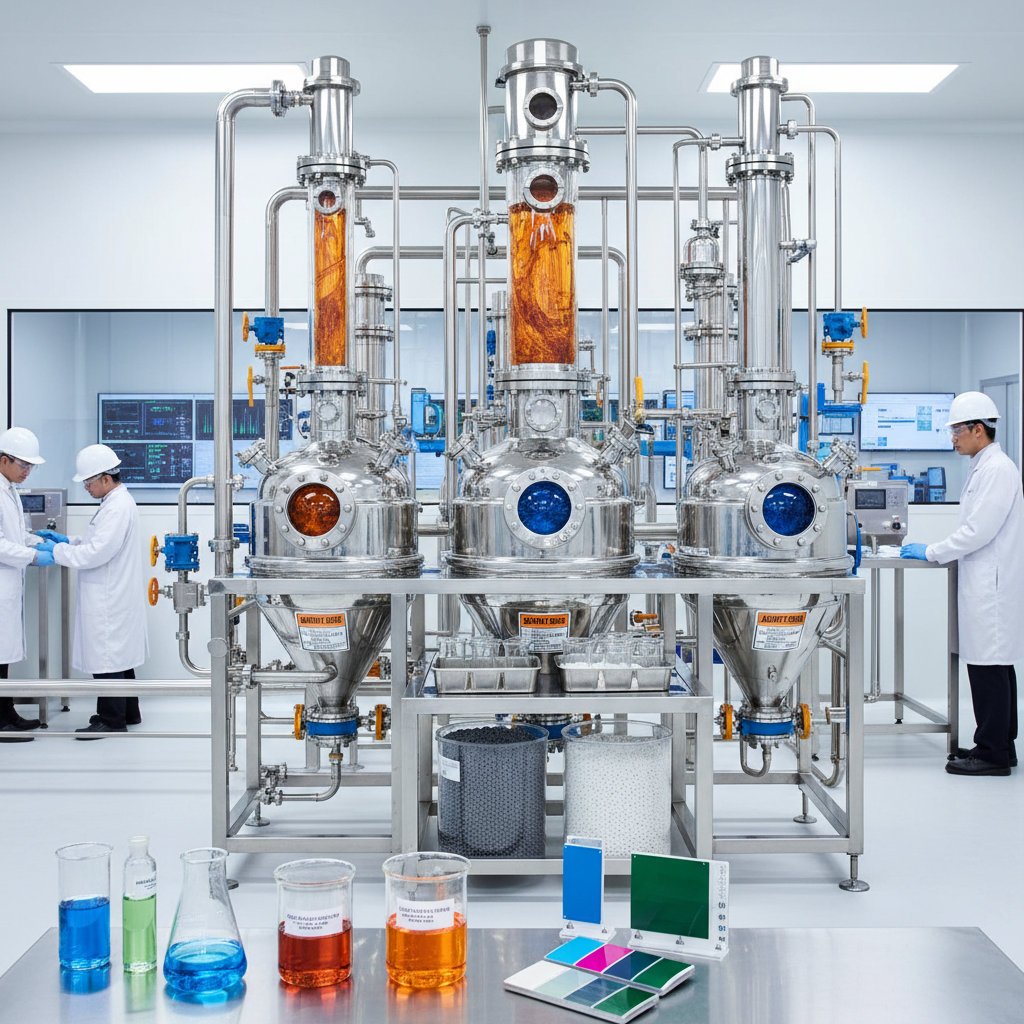
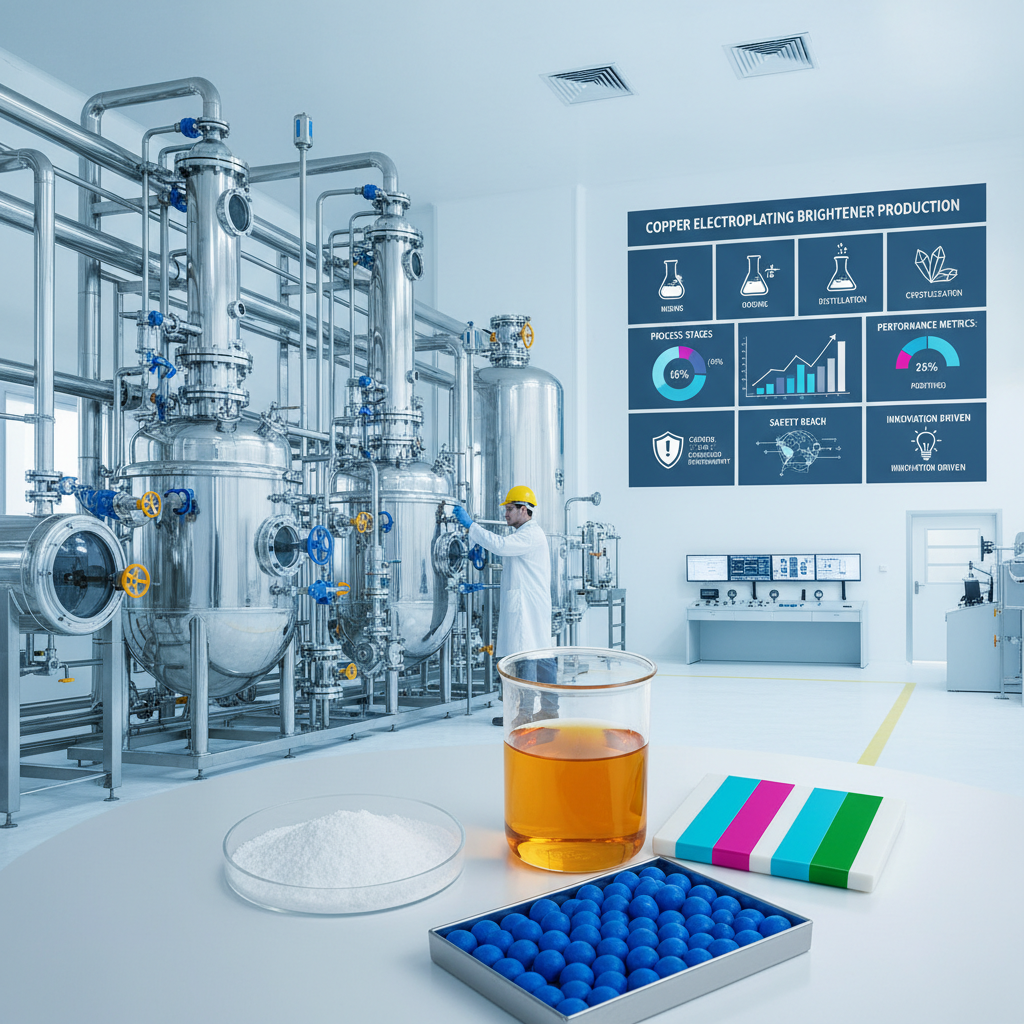
Copper electroplating brightener plays a crucial role in achieving visually appealing and functionally superior copper coatings. Its importance stems from the increasing demand for high-quality surface finishes across diverse industries – from electronics and automotive to decorative applications. A superior brightener ensures not just aesthetics but also enhances corrosion resistance, solderability, and overall performance of copper-plated components. Understanding the nuances of copper electroplating brightener is, therefore, essential for engineers, technicians, and manufacturers alike seeking to optimize their plating processes.
Globally, the electroplating market is experiencing steady growth, driven by expanding industrialization and technological advancements. The use of copper in electronics, particularly in printed circuit boards (PCBs) and semiconductor packaging, is a significant contributor to this trend. As electronic devices become more sophisticated and miniaturized, the demand for precise and reliable copper coatings – achievable with effective brighteners – continues to rise. Data from the International Chromium Modium Technology Society (ICMTS) indicates a consistent year-on-year growth in specialized electroplating chemicals, with brighteners constituting a significant portion.
However, achieving optimal results with copper electroplating brighteners isn't without challenges. Factors like bath composition, temperature, current density, and the presence of impurities can all influence the coating's quality. Addressing these complexities requires a thorough understanding of the underlying chemistry and a commitment to process control. The proper application of a copper electroplating brightener is thus paramount to overcoming these hurdles and delivering consistent, high-performance results.
Understanding the Core Principles of Copper Electroplating Brightener
At its core, a copper electroplating brightener functions by influencing the crystal growth during the electrodeposition process. Instead of forming large, coarse crystals, the brightener promotes the creation of a fine-grained, densely packed structure. This is achieved through the adsorption of organic compounds onto the copper surface, disrupting the normal crystal formation patterns.
The result is a coating that exhibits enhanced brightness, leveling properties, and ductility. Leveling refers to the brightener’s ability to fill in microscopic irregularities on the substrate, creating a smoother, more uniform surface. Ductility is crucial for applications requiring bending or forming of the plated component without cracking or peeling of the copper layer.
The Global Significance of Copper Electroplating Brightener
The demand for copper electroplating brighteners is intrinsically linked to the global manufacturing landscape. Regions with robust electronics, automotive, and aerospace industries – such as East Asia, North America, and Europe – represent significant markets. China, in particular, stands out as the world’s largest consumer of electroplating chemicals, driven by its position as a global manufacturing hub.
The United Nations Conference on Trade and Development (UNCTAD) reports highlight the increasing reliance on advanced materials in manufacturing, placing greater emphasis on surface finishing technologies like electroplating. Furthermore, the growing adoption of electric vehicles (EVs) is creating new demands for high-performance copper coatings in battery components and electrical connectors, further fueling the need for effective brighteners.
However, the use of these brighteners also raises environmental concerns, prompting a shift towards more sustainable and eco-friendly formulations. Regulatory pressures, such as those imposed by the Registration, Evaluation, Authorisation and Restriction of Chemicals (REACH) in Europe, are driving innovation in greener electroplating chemistries.
Defining Copper Electroplating Brightener: A Comprehensive Overview
A copper electroplating brightener is a chemical additive used in the electroplating process to enhance the brightness, leveling, and ductility of copper deposits. It's not a single compound, but rather a complex blend of organic compounds, often including polyethers, sulfur-containing compounds, and other proprietary additives, tailored to specific plating applications. The precise formulation varies depending on the desired properties of the coating and the type of copper plating process (acid copper, alkaline copper, etc.).
The connection to modern industry is profound. Without effective brighteners, the intricate circuitry of smartphones, the reliable connections in automotive electronics, and the corrosion resistance of industrial machinery would be severely compromised. These brighteners aren't merely cosmetic additives; they are integral to the functionality and longevity of countless products that underpin modern life.
Essentially, copper electroplating brightener facilitates the creation of copper surfaces with superior aesthetic qualities, improved performance characteristics, and enhanced resistance to environmental factors, making them indispensable in a wide range of industrial and technological applications.
Key Factors Influencing Copper Electroplating Brightener Performance
The effectiveness of a copper electroplating brightener is influenced by several critical factors. Firstly, Bath Chemistry is paramount. The concentration of copper ions, pH level, and the presence of other additives (like leveling agents and carriers) all interact with the brightener, impacting its performance. Secondly, Temperature Control is vital; optimal temperatures vary depending on the specific brightener formulation and plating process.
Thirdly, Current Density plays a crucial role. Higher current densities generally lead to faster plating rates but can also affect the coating's microstructure and brightness. Careful control is needed to maintain optimal results. Fourth, Agitation ensures uniform distribution of the brightener and copper ions throughout the plating bath, preventing localized depletion and promoting even deposition.
Copper Electroplating Brightener Performance Metrics
Global Applications and Diverse Use Cases of Copper Electroplating Brightener
The applications of copper electroplating brightener are widespread and touch numerous industries. In the electronics sector, it's essential for plating PCBs, connectors, and other components, ensuring reliable conductivity and solderability. The automotive industry relies on bright copper coatings for decorative trims, corrosion protection of brake lines, and electrical contacts.
The aerospace industry utilizes bright copper plating for surface treatments of critical components, improving their wear resistance and enhancing their aesthetic appeal. Even in decorative applications, such as jewelry and hardware, brighteners are crucial for achieving the desired finish and extending the product's lifespan. In remote industrial zones lacking advanced infrastructure, portable electroplating systems utilizing optimized brighteners are becoming increasingly valuable for on-site repairs and maintenance.
Advantages and Long-Term Value of Utilizing Copper Electroplating Brightener
Utilizing a high-quality copper electroplating brightener offers a multitude of advantages. Cost savings are realized through reduced rework, improved plating efficiency, and extended component lifespan. From a sustainability perspective, optimized brightener formulations can minimize waste and reduce the environmental impact of the plating process.
The long-term value extends beyond immediate cost benefits. Bright, smooth copper coatings provide superior corrosion protection, enhancing the durability and reliability of plated components, and fostering trust with customers. Furthermore, innovations in brightener technology are driving the development of more environmentally friendly and efficient plating processes, contributing to a more sustainable future.
Future Trends and Innovations in Copper Electroplating Brightener Technology
The future of copper electroplating brightener technology is focused on addressing environmental concerns and enhancing performance. Research is ongoing to develop brighteners based on renewable resources and biodegradable materials, reducing reliance on petrochemical feedstocks. Digitalization and process automation are also playing a key role, allowing for precise control of plating parameters and real-time monitoring of bath chemistry.
The integration of artificial intelligence (AI) and machine learning (ML) algorithms is enabling the development of smart brighteners that can adapt to changing plating conditions and optimize coating properties. Furthermore, advancements in nanotechnology are paving the way for the creation of nanocomposite coatings with enhanced brightness, hardness, and corrosion resistance.
These innovations promise to revolutionize the electroplating industry, making it more sustainable, efficient, and responsive to the evolving needs of a rapidly changing world.
Summary of Key Factors Influencing Copper Electroplating Brightener Selection
| Application Sector |
Required Brightness Level (1-10) |
Cost Sensitivity |
Environmental Regulations |
| Electronics (PCBs) |
8-10 |
Medium |
High (REACH Compliance) |
| Automotive (Decorative Trim) |
9-10 |
Low-Medium |
Medium |
| Aerospace (Component Treatment) |
7-9 |
Low |
High (Strict Material Specs) |
| Jewelry & Hardware |
9-10 |
Medium |
Low-Medium |
| Industrial Maintenance (On-Site Plating) |
6-8 |
High |
Medium |
| Printed Circuit Boards (High Density) |
9-10 |
Medium |
High (RoHS Compliance) |
FAQS
The lifespan of a copper plating bath varies significantly based on factors such as initial bath composition, plating volume, and the effectiveness of the bath maintenance system. Generally, with consistent replenishment of copper ions and diligent removal of contaminants, a bath utilizing a quality copper electroplating brightener can remain stable and effective for several months, even up to a year or more, if properly managed. Regular analysis of the bath chemistry is crucial to determine its operational life.
Temperature plays a critical role in the effectiveness of copper electroplating brighteners. Lower temperatures can reduce brightener activity and lead to dull or uneven deposits. Conversely, excessively high temperatures can cause brightener decomposition and instability. Most brighteners have an optimal temperature range, typically between 20-30°C (68-86°F). Maintaining this range ensures consistent brightener performance and optimal coating quality.
Yes, there is a growing trend towards the development of more environmentally friendly copper electroplating brighteners. These alternatives often utilize bio-based organic compounds and minimize the use of hazardous substances like formaldehyde and cyanide. Manufacturers are increasingly focusing on brighteners with lower volatile organic compound (VOC) emissions and improved biodegradability. Regulations like REACH are driving this demand for sustainable solutions.
A dull copper deposit can arise from several issues. First, check the brightener concentration and replenish if necessary. Ensure the bath temperature is within the optimal range and that the current density is appropriate for the brightener formulation. Contamination from impurities, such as iron or zinc, can also cause dullness; regular bath purification is essential. Finally, verify the cleanliness of the substrate being plated.
Selecting the right copper electroplating brightener depends on several factors, including the substrate material, desired coating properties (brightness, leveling, ductility), and the plating process being used (acid copper, alkaline copper). Consider the application sector; electronics require high purity and brightness, while decorative applications may prioritize aesthetics. Consult with a brightener supplier or electroplating expert to determine the optimal formulation for your specific needs.
Copper electroplating brighteners often contain chemicals that can be harmful if not handled properly. Always wear appropriate personal protective equipment (PPE), including gloves, safety glasses, and a respirator. Ensure adequate ventilation in the plating area. Refer to the Safety Data Sheet (SDS) for specific handling instructions and emergency procedures. Avoid contact with skin and eyes, and never ingest the brightener.
Conclusion
In conclusion, copper electroplating brightener remains an indispensable component in achieving high-quality, functional, and aesthetically pleasing copper coatings. Its impact extends across a diverse range of industries, from electronics and automotive to aerospace and decorative applications. Understanding the underlying principles, key influencing factors, and emerging trends in brightener technology is crucial for optimizing plating processes and delivering superior results.
Looking ahead, the future of copper electroplating brightener technology will be shaped by a growing emphasis on sustainability, digitalization, and innovation. By embracing eco-friendly formulations, advanced process control systems, and cutting-edge materials, the electroplating industry can continue to meet the evolving needs of a rapidly changing world. To explore our comprehensive range of copper electroplating brightener solutions and discuss your specific requirements, visit our website today.