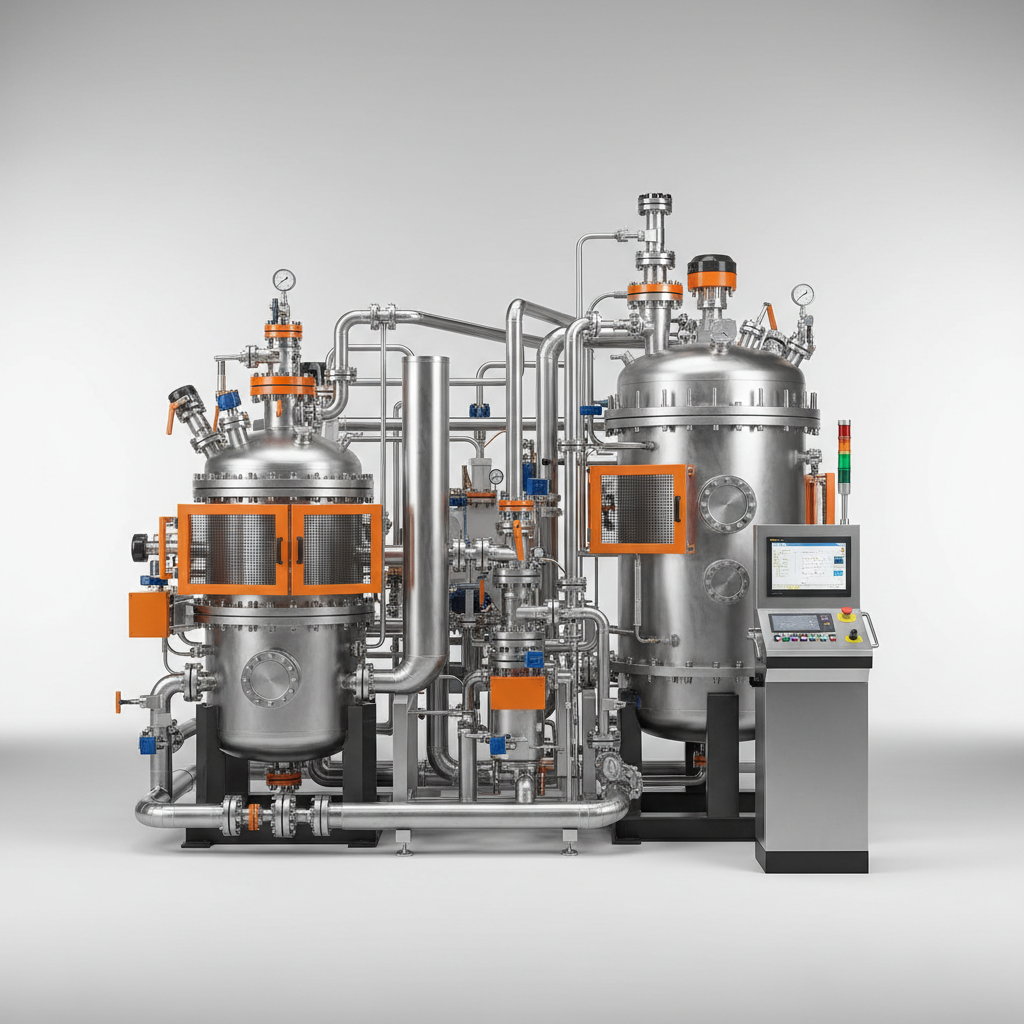
Chemical electroplating is more than just a surface treatment; it's a foundational process shaping modern manufacturing and infrastructure. From the smartphones in our pockets to the automotive components ensuring our safety, and the corrosion protection of vital pipelines, this technique is quietly ubiquitous. Understanding chemical electroplating—its principles, applications, and evolving landscape—is critical for engineers, materials scientists, and anyone involved in product development or infrastructure management. It’s a cornerstone of durability and longevity in countless applications, and frankly, you see its impact every single day, even if you don’t realize it.
Globally, the electroplating market is a multi-billion-dollar industry, projected to continue its growth driven by rising demand from automotive, electronics, and aerospace sectors (according to a 2023 report by the ISO). However, with this growth comes increasing scrutiny regarding environmental impact and sustainability. Traditional electroplating processes often involve hazardous chemicals and generate substantial waste. Addressing these challenges through innovation – new plating solutions, improved waste management, and cleaner technologies – is now paramount. We’re seeing increasing regulatory pressure worldwide, and companies have to get ahead of the curve.
Simply put, chemical electroplating is the process of depositing a thin layer of metal onto a conductive surface using an electric current. This isn’t just about aesthetics; it's about fundamentally altering the surface properties of a material. We're talking about enhancing corrosion resistance, increasing wear and tear tolerance, improving solderability, and even modifying electrical conductivity. It’s the difference between a component failing after six months and lasting for decades. For years, it’s been the go-to solution for protecting critical infrastructure, and even with all the new materials coming out, it's still hard to beat the cost-effectiveness and proven performance of a well-executed plating job.
The Importance of Chemical Electroplating
Look, I’ve spent years walking around construction sites, seeing what holds up and what doesn't. Chemical electroplating provides a crucial barrier against corrosion, dramatically extending the lifespan of metal components. This isn't just theoretical; it translates to significant cost savings over time by reducing the need for replacements and repairs. You don’t just slap something together and hope for the best; you plan for longevity.
It’s also about enabling functionality. Often, a base metal simply doesn't have the properties needed for a specific application. Electroplating allows us to tailor surface characteristics – hardness, conductivity, reflectivity – to meet precise engineering requirements. That's a huge advantage when you're dealing with complex systems and tight tolerances.
Global Relevance and Industry Context
The demand for chemical electroplating is inextricably linked to global industrial output. The automotive industry, for instance, heavily relies on electroplated components for corrosion protection of body panels, engine parts, and brake systems. Similarly, the electronics sector uses electroplating extensively in the manufacturing of printed circuit boards and connectors. According to market research, the Asia-Pacific region dominates the electroplating market, driven by rapid industrialization in countries like China and India.
However, this growth isn’t without its challenges. Increasingly stringent environmental regulations, particularly regarding the use of hexavalent chromium – a traditional but highly toxic plating chemical – are forcing companies to invest in alternative, more sustainable processes. The EU's REACH regulations, for example, are significantly impacting the electroplating industry. Staying compliant is a massive undertaking and a serious cost factor.
We’re also seeing a growing emphasis on quality control and traceability. Aerospace and medical industries require incredibly high levels of precision and reliability, demanding rigorous testing and documentation throughout the electroplating process. This isn’t just about meeting standards; it’s about ensuring public safety and maintaining trust in the products we build.
Defining Chemical Electroplating
At its core, chemical electroplating is an electrochemical process. It’s not like painting where you're just applying a coating. You're actually using an electric current to reduce dissolved metal ions onto a conductive surface. Think of it like building something molecule by molecule, directly onto the part. The “chemical” part comes into play with the electrolytes – the solutions containing the metal ions – and the additives that control the plating process.
This technique directly addresses modern industrial needs. Consider the oil and gas industry: pipelines need to withstand incredibly harsh conditions – high pressure, corrosive fluids, and extreme temperatures. Electroplating with specialized alloys provides the necessary protection to prevent leaks and ensure safe operation. Without it, we’d be replacing pipelines constantly, and the environmental risks would be unacceptable.
It’s a remarkably versatile process. You can plate a huge range of metals – nickel, chromium, copper, zinc, gold, silver – onto various substrates like steel, aluminum, plastic, and even semiconductors. The specific choice of metal and plating parameters depends on the desired properties and the application. There's no one-size-fits-all solution; you have to tailor the process to the specific need.
Core Components of Effective Electroplating
Durability is paramount. A good electroplating process isn’t just about making something look shiny; it's about providing long-lasting protection against corrosion, wear, and abrasion. This depends on factors like the coating thickness, the alloy composition, and the quality of the surface preparation. A thin, poorly adhered coating is worse than no coating at all.
Scalability is critical for high-volume production. Electroplating lines need to be able to handle a consistent flow of parts, ensuring uniform coating quality and minimizing downtime. Automation plays a huge role here.
Electroplating Method Comparison
Applications Across Industries
In the automotive industry, electroplating is essential for protecting vehicle components from corrosion, enhancing aesthetics, and improving wear resistance. Chrome plating on bumpers and trim provides a durable, corrosion-resistant finish, while nickel plating is used on engine parts to increase hardness and reduce wear.
The electronics sector relies heavily on electroplating for creating conductive layers on printed circuit boards (PCBs) and connectors. Gold plating is often used on connectors to ensure reliable electrical contact, while copper plating is used to create conductive traces on PCBs. In post-disaster relief operations, electroplated steel components in temporary shelters offer crucial corrosion protection, extending their usable lifespan.
Advantages and Long-Term Value
The cost-effectiveness of chemical electroplating is often underestimated. While the initial investment in equipment and chemicals can be significant, the long-term savings from reduced maintenance, replacement costs, and downtime often outweigh the upfront expenses. It's a case where investing in quality upfront pays dividends down the road.
Sustainability is becoming increasingly important. The development of more environmentally friendly plating processes – using alternatives to hexavalent chromium, reducing water consumption, and improving waste management – is not only good for the planet but also makes good business sense. Companies that embrace sustainable practices are better positioned to attract customers and comply with regulations.
The reliability and predictability of electroplating are key advantages. With proper process control and quality assurance, you can consistently achieve the desired coating properties, ensuring the long-term performance of the plated components. That peace of mind is invaluable.
Future Trends and Innovations in Electroplating
Pulse plating, a technique that uses pulsed DC current, is gaining traction due to its ability to produce coatings with improved density, uniformity, and adhesion. We're also seeing increased interest in nano-coatings, which offer enhanced corrosion protection and wear resistance at extremely thin thicknesses.
Automation and digitalization are transforming the electroplating industry. Real-time process monitoring, data analytics, and closed-loop control systems are enabling operators to optimize plating parameters, reduce waste, and improve quality. It’s about moving from “art” to “science.”
The development of new electrolytes based on non-toxic materials is a major focus. Researchers are exploring alternatives to hexavalent chromium, cyanide, and other hazardous chemicals. These advances will be crucial for ensuring the long-term sustainability of the electroplating industry.
Summary of Chemical Electroplating Challenges and Solutions
| Challenge |
Impact on Electroplating |
Proposed Solution |
Implementation Difficulty (1-10) |
| Environmental Regulations |
Increased Compliance Costs |
Adoption of Eco-Friendly Electrolytes |
7 |
| Waste Management |
High Disposal Costs & Environmental Risk |
Implementation of Closed-Loop Recycling Systems |
8 |
| Coating Uniformity |
Reduced Component Lifespan |
Optimized Current Density Distribution |
5 |
| Energy Consumption |
High Operational Costs |
Implementation of Pulse Plating Techniques |
6 |
| Skilled Labor Shortage |
Difficulty Maintaining Process Quality |
Investment in Training Programs |
4 |
| Corrosion Resistance |
Premature Component Failure |
Use of Advanced Alloy Coatings |
7 |
FAQS
Traditional electroplating frequently employs hazardous chemicals like hexavalent chromium and cyanide. These pose substantial risks to both human health and the environment through water and air pollution. Furthermore, the process often generates significant volumes of wastewater containing heavy metals, demanding expensive and complex treatment before disposal. Increasingly, industries are transitioning to more sustainable alternatives to mitigate these concerns.
Surface preparation is absolutely critical. Any contaminants – oil, grease, rust, scale – will prevent the coating from adhering properly. A thorough cleaning and pretreatment process, including degreasing, etching, and activation, is essential. Think of it like painting a wall: if the surface isn’t clean, the paint will peel. The better the preparation, the stronger and more durable the coating will be.
Hexavalent chromium is a known carcinogen, so finding alternatives is a top priority. Trivalent chromium plating is one option, though it often requires more complex process control. Nickel-based alloys and cobalt-based alloys are also used, offering good corrosion resistance. Research into non-metal coatings, like organic coatings with anti-corrosion additives, is also gaining momentum.
Generally, a thicker coating provides better corrosion resistance. However, there's a point of diminishing returns. Beyond a certain thickness, the benefits become marginal and the cost increases. The optimal thickness depends on the specific application, the environment, and the type of metal being plated. It's a balancing act between performance and cost.
Automation is revolutionizing the industry. Automated plating lines can significantly improve process control, reduce labor costs, and enhance coating quality. Robots can handle parts consistently and precisely, minimizing defects. Real-time monitoring systems provide data that can be used to optimize plating parameters and identify potential problems before they occur.
Electroplating non-conductive materials requires a preparatory step called activation. This involves creating a conductive surface on the plastic using techniques like etching or applying a conductive primer. Achieving good adhesion between the metal coating and the plastic substrate can be challenging, and requires careful control of the activation process and plating parameters. It's more complex than plating metal, that's for sure.
Conclusion
Chemical electroplating remains a vital technology across numerous industries, offering unparalleled benefits in terms of corrosion protection, wear resistance, and functional surface modification. From enhancing the durability of automotive components to enabling the performance of sophisticated electronics, its impact is pervasive. While challenges related to environmental sustainability and cost control exist, ongoing innovation in materials, processes, and automation is paving the way for a more efficient and responsible future.
Looking ahead, the key will be embracing sustainable practices, investing in research and development, and fostering collaboration between industry, academia, and regulatory bodies. By prioritizing innovation and environmental stewardship, we can ensure that chemical electroplating continues to play a critical role in building a more durable, reliable, and sustainable world. For more information on our electroplating solutions, visit our website at chemical electroplating.