Welcome to Tangshan Moneide Trading Co., Ltd.

sales@moneidechem.com
Call Us
https://images.exportstart.com/images/a1314/1_download-webp1733221860.webp
Moneide Chemicals
2-7-523 Jidong Building Materials Tangshan, Hebei 064000 China
Search
0%

Table of Contents

Fine chemicals manufacturers play a critical role in the global economy, supplying essential building blocks for a vast array of industries, including pharmaceuticals, agrochemicals, and specialty materials. Their expertise lies in the production of complex, single, pure chemical substances, often in relatively small quantities. This necessitates a high degree of precision, quality control, and innovation. Understanding the capabilities and challenges faced by fine chemicals manufacturers is crucial for ensuring supply chain resilience and driving advancements in numerous sectors.

The demand for fine chemicals is consistently growing, fueled by emerging markets, technological advancements, and increasing regulatory requirements. This growth necessitates a corresponding investment in research and development, advanced manufacturing processes, and sustainable practices. Effective collaboration between fine chemicals manufacturers, research institutions, and end-users is paramount for navigating the complexities of this dynamic landscape and meeting the ever-evolving needs of a globalized world.

The increasing sophistication of pharmaceutical compounds, the demand for high-performance materials, and the need for sustainable agricultural solutions all contribute to the importance of skilled fine chemicals manufacturers. They are pivotal in translating scientific breakthroughs into tangible products that improve lives, enhance productivity, and address critical global challenges.

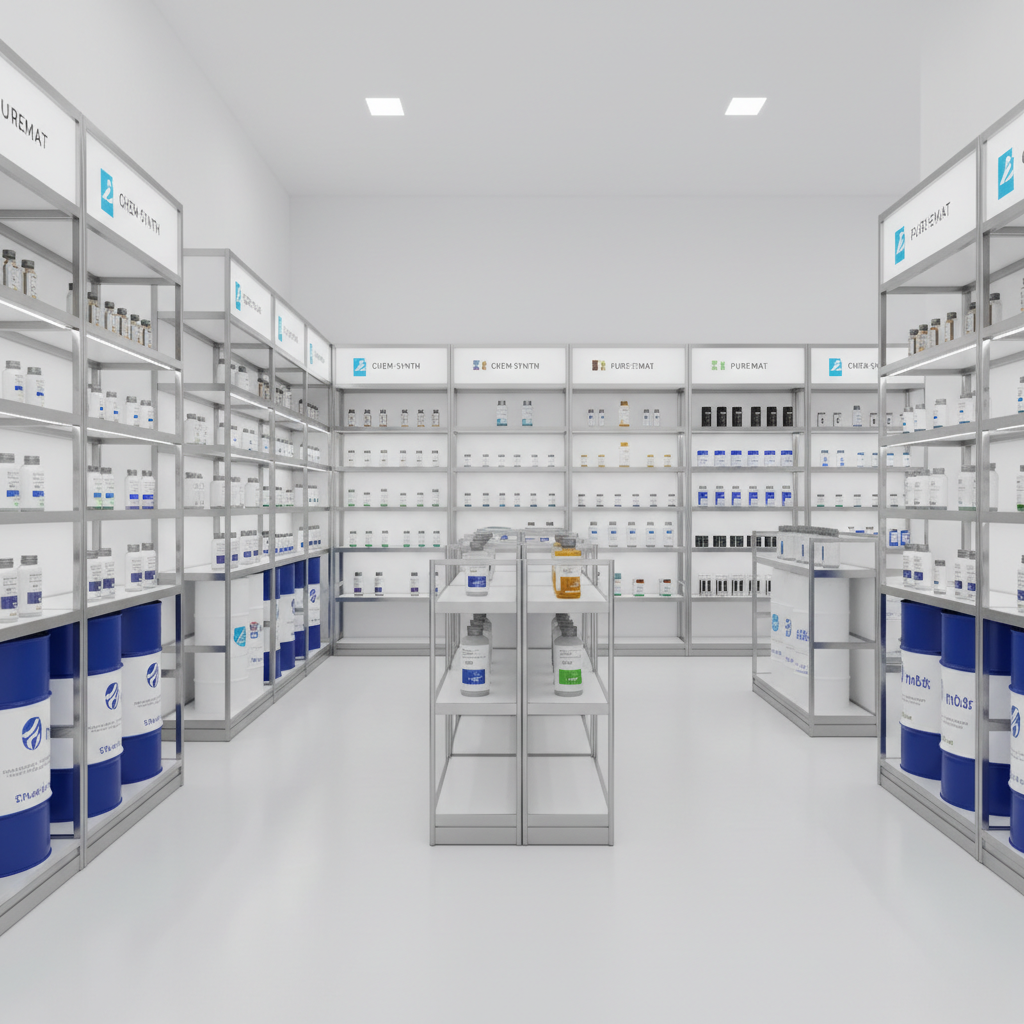
The Crucial Role of Fine Chemicals Manufacturers in Global Industries

Introduction to fine chemicals manufacturers

The Crucial Role of Fine Chemicals Manufacturers in Global Industries

Fine chemicals manufacturers are specialized companies focused on the synthesis and purification of complex chemical substances. Unlike commodity chemical producers who operate at high volumes, fine chemicals manufacturers cater to niche markets requiring customized solutions and stringent quality standards. This often involves multi-step syntheses, demanding highly skilled chemists and engineers.

These manufacturers are integral to innovation across diverse industries. They not only produce existing compounds but also collaborate with clients on custom synthesis projects, playing a crucial role in the development of new drugs, advanced materials, and sustainable technologies. Their agility and expertise are key differentiators in a rapidly evolving global market.

Defining Fine Chemicals Manufacturers

Fine chemicals manufacturers are distinguished by their production of high-purity, complex chemical substances in limited volumes. These aren't the bulk chemicals like ethylene or propylene; instead, they are specialized molecules tailored for specific applications. This often involves complex synthetic pathways and stringent quality control measures, demanding significant investment in R&D and analytical capabilities.

The distinction between fine chemicals and commodity chemicals lies in the complexity of the molecule, the precision of manufacturing, and the intended use. Fine chemicals typically serve as key intermediates or active ingredients in pharmaceuticals, agrochemicals, and specialized materials. They are often produced in batch processes, allowing for greater flexibility and customization compared to the continuous processes used for commodity chemicals.

In essence, fine chemicals manufacturers are the engine of innovation, bridging the gap between chemical research and real-world applications, offering customized solutions that drive progress in a multitude of vital sectors. fine chemicals manufacturers are leaders in this area.

Key Characteristics of fine chemicals manufacturers

One defining characteristic of fine chemicals manufacturers is their commitment to quality and regulatory compliance. Industries like pharmaceuticals demand extremely high purity levels and adherence to strict guidelines like Good Manufacturing Practice (GMP). This necessitates robust quality control systems, rigorous testing protocols, and meticulous documentation.

Another crucial aspect is their ability to handle complex chemical reactions. Fine chemicals often require multi-step syntheses involving specialized techniques like chiral chemistry, asymmetric catalysis, and cryogenic reactions. This demands a highly skilled workforce and advanced equipment.

Finally, responsiveness and flexibility are hallmarks of successful fine chemicals manufacturers. Clients often require custom synthesis or modifications to existing compounds, necessitating the ability to quickly adapt and scale production to meet specific needs. This agility is a significant advantage over larger commodity chemical producers.

Core Capabilities of fine chemicals manufacturers

A primary capability of fine chemicals manufacturers is process development and optimization. Translating a laboratory synthesis into a commercially viable process requires significant expertise in chemical engineering, scale-up, and cost reduction. Manufacturers must optimize reaction conditions, minimize waste, and ensure process safety.

Analytical chemistry is another essential core capability. Accurate and reliable analysis is critical for ensuring product quality, identifying impurities, and verifying compliance with regulatory standards. Fine chemicals manufacturers employ sophisticated analytical techniques like HPLC, GC-MS, NMR, and spectroscopy.

Process Capability Ratings of fine chemicals manufacturers


Global Applications of fine chemicals manufacturers

The pharmaceutical industry is arguably the largest consumer of fine chemicals. Active Pharmaceutical Ingredients (APIs) and pharmaceutical intermediates are often complex molecules requiring specialized synthesis capabilities. fine chemicals manufacturers serving this sector must adhere to the highest regulatory standards.

Agrochemicals also heavily rely on fine chemicals for the production of herbicides, pesticides, and fungicides. These compounds require precise formulations and consistent quality to ensure efficacy and minimize environmental impact. Manufacturers serving this industry focus on sustainable production practices.

Advantages of Collaborating with fine chemicals manufacturers

Partnering with a specialized fine chemicals manufacturer offers significant advantages in terms of speed to market. Their expertise in process development and optimization can drastically reduce the time required to scale up production of a new compound.

Furthermore, these manufacturers can provide access to cutting-edge technologies and specialized equipment that may not be available in-house. This allows clients to focus on their core competencies – research and development – while outsourcing the complexities of chemical manufacturing.

Future Trends in fine chemicals manufacturers

Green chemistry principles are increasingly influencing the fine chemicals industry. This involves developing more sustainable synthetic routes, minimizing waste, and utilizing renewable resources. Manufacturers are actively investing in biocatalysis and flow chemistry to achieve these goals.

Digital transformation is also gaining momentum. The integration of data analytics, artificial intelligence, and automation is optimizing manufacturing processes, improving quality control, and enhancing supply chain visibility.

Continuous manufacturing, a shift away from traditional batch processing, promises increased efficiency, reduced costs, and improved product quality. Adoption of this technology is expected to accelerate in the coming years, creating opportunities for innovation and growth within the fine chemicals manufacturing landscape.

FAQS

What distinguishes fine chemicals manufacturing from basic chemical production?

Fine chemicals manufacturing centers on the production of high-purity, complex molecules in relatively small volumes, often customized to specific client needs. This contrasts with basic chemical production, which involves large-scale manufacturing of commodity chemicals like ethylene or propylene. The complexity, precision, and regulatory demands are significantly higher in fine chemical production.

What regulatory requirements do fine chemicals manufacturers typically face?

Fine chemicals manufacturers, particularly those serving the pharmaceutical and agrochemical industries, are subject to stringent regulations like Good Manufacturing Practice (GMP). These regulations cover all aspects of production, from raw material sourcing to quality control and documentation, ensuring product safety, efficacy, and consistency. Compliance requires significant investment and ongoing vigilance.

How important is custom synthesis for fine chemicals manufacturers?

Custom synthesis is a crucial service offered by many fine chemicals manufacturers. Clients often require the production of unique compounds or modifications to existing ones. Manufacturers with strong R&D capabilities and flexible manufacturing processes are well-positioned to capitalize on this demand, fostering long-term partnerships with innovative companies.

What role does process optimization play in fine chemical manufacturing?

Process optimization is essential for maximizing efficiency, reducing costs, and minimizing waste in fine chemical manufacturing. It involves refining reaction conditions, scaling up production, and ensuring process safety. Sophisticated chemical engineering expertise and analytical capabilities are crucial for successful process optimization.

What are the emerging trends in sustainable manufacturing within the fine chemicals industry?

Emerging trends include adopting green chemistry principles, utilizing biocatalysis and flow chemistry, and exploring alternative feedstocks. Reducing waste, minimizing environmental impact, and transitioning to renewable resources are key priorities for sustainable fine chemical manufacturing.

How is digital technology transforming fine chemical manufacturing?

Digital technologies, such as data analytics, AI, and automation, are improving process control, optimizing supply chains, and enhancing quality control in fine chemical manufacturing. These advancements lead to increased efficiency, reduced costs, and faster time to market. Implementing these technologies is essential for staying competitive in the industry.

Conclusion

In conclusion, fine chemicals manufacturers are indispensable to a wide range of industries, providing essential building blocks for innovation and progress. Their expertise in complex synthesis, stringent quality control, and regulatory compliance positions them as critical partners for companies developing new drugs, materials, and technologies. The industry’s commitment to sustainability and digital transformation will further enhance its role in addressing global challenges.

Looking ahead, collaboration between fine chemicals manufacturers, research institutions, and end-users will be paramount for driving innovation and meeting the evolving needs of a dynamic world. Investing in advanced technologies, sustainable practices, and a skilled workforce will be crucial for ensuring the continued success and resilience of this vital sector. For reliable and high-quality fine chemical solutions, visit our website: www.moneidechem.com
David Miller

David Miller

David Miller is a Senior Chemist at Tangshan Moneide Trading Co., Ltd., specializing in electroplating chemical applications. With over 8 years of experience in the chemical industry, David focuses on optimizing plating processes for improved efficiency and quality. He holds a Master's degree in Chemistry from a US university and
Previous Navigating the Landscape of Global Fine Chemicals Suppliers for Innovation
Next Choosing a Reliable Fine Chemicals Supplier for Innovation and Supply Chain Integrity
phone
email
tel
to top