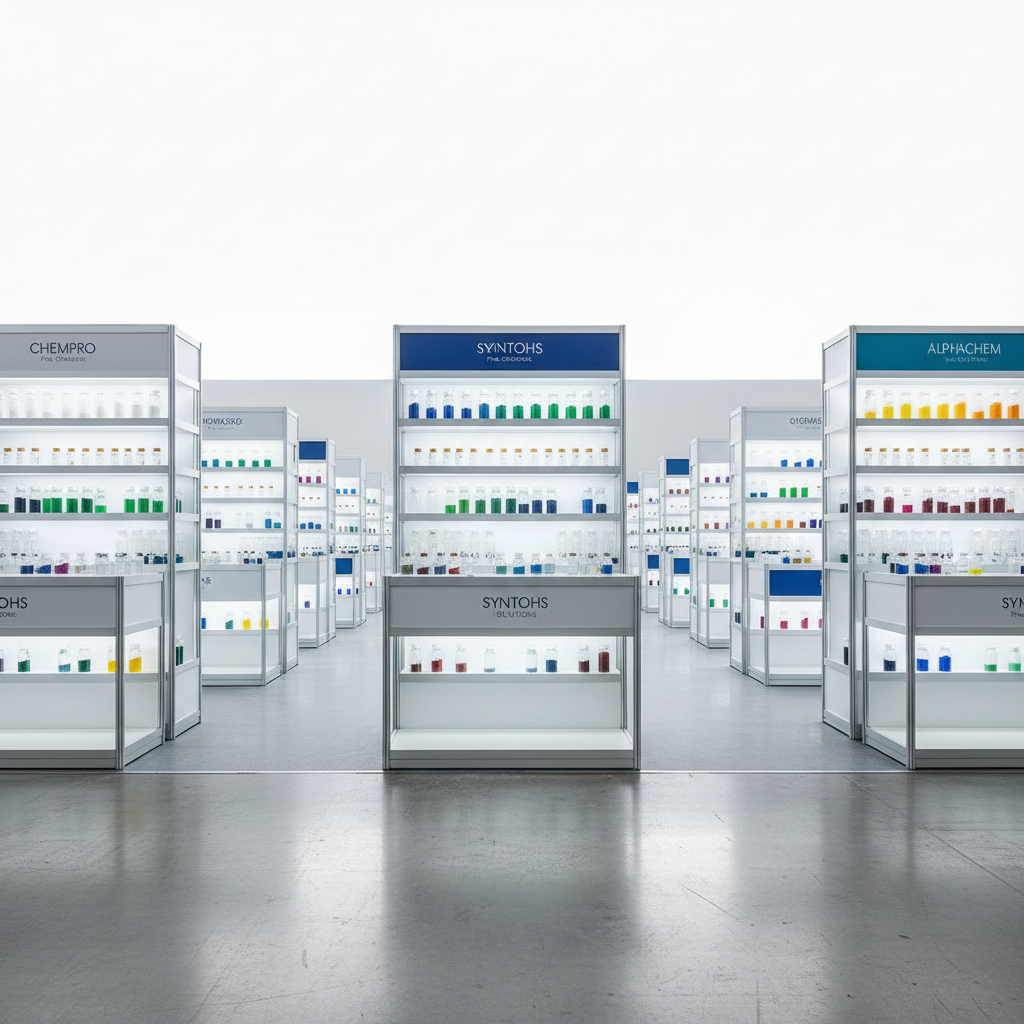
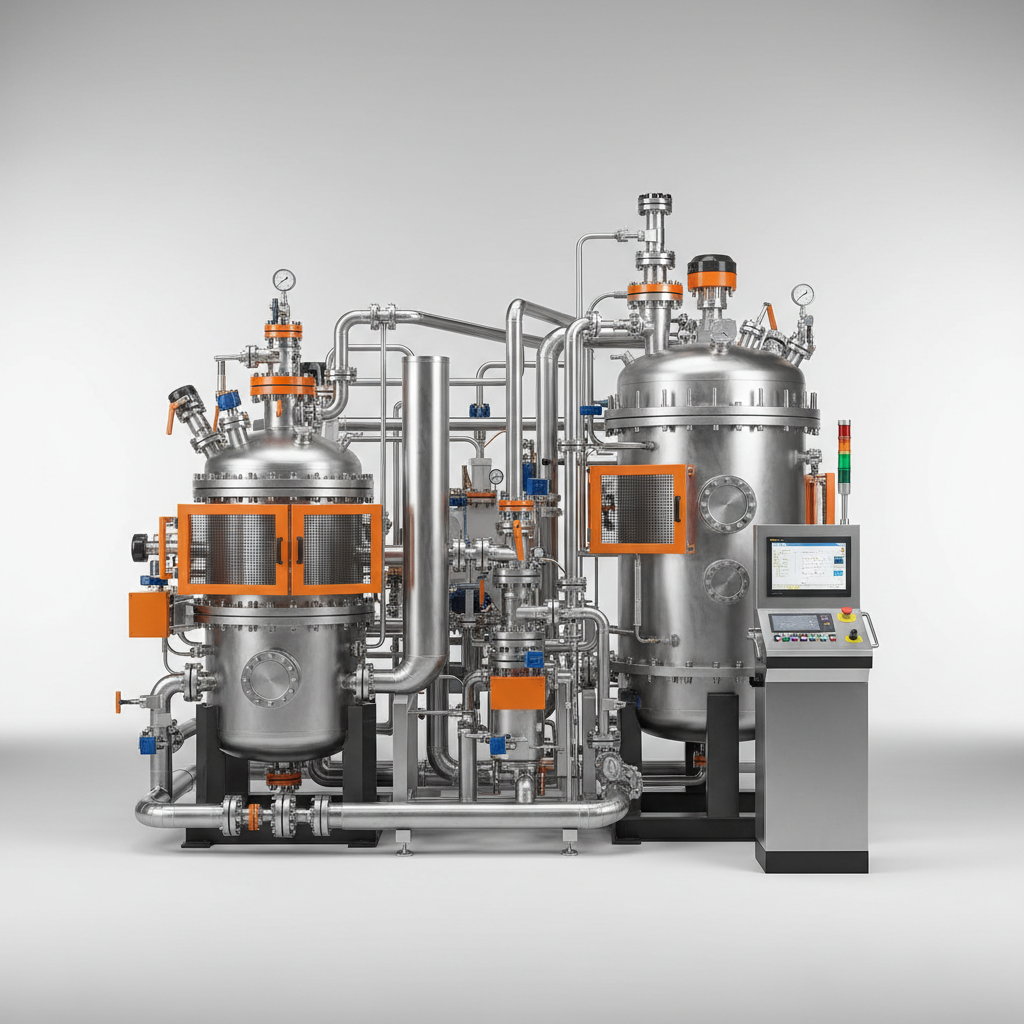
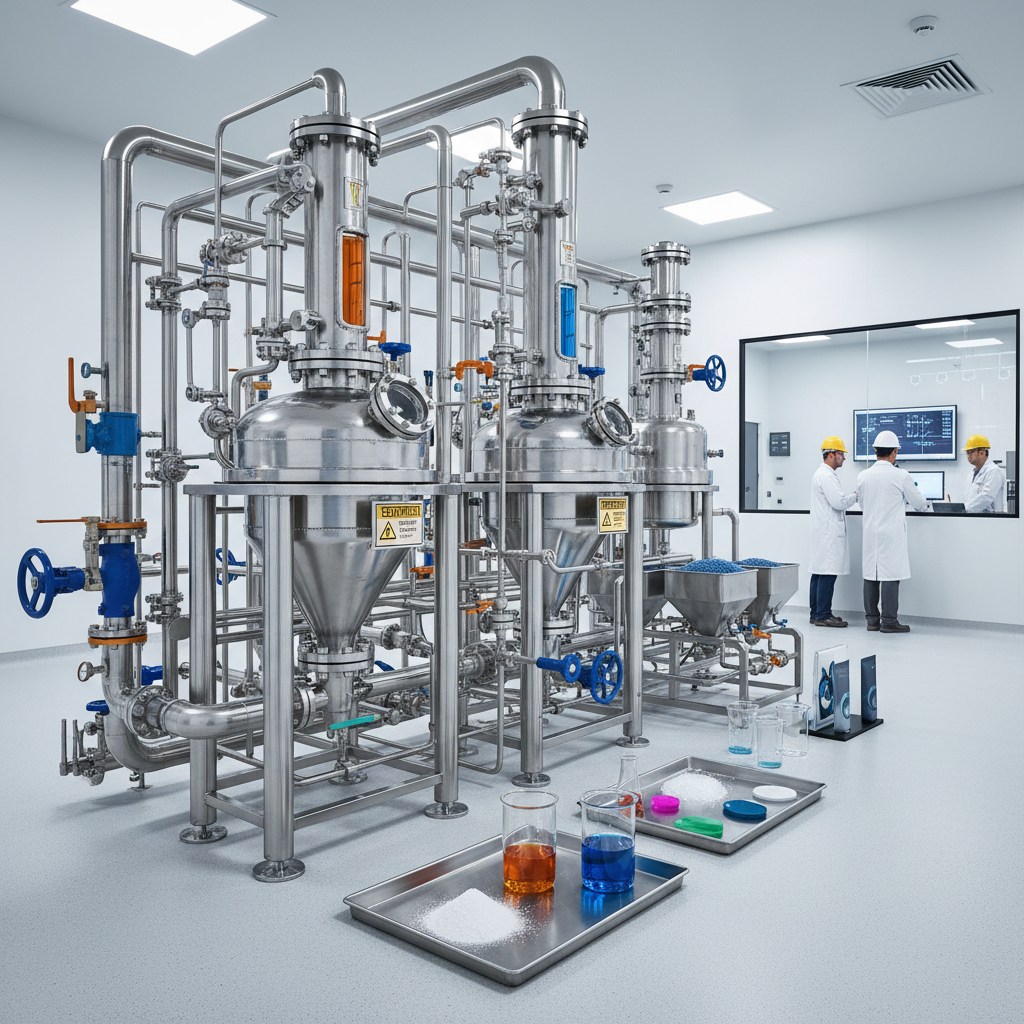
Fine chemicals suppliers play a crucial role in a vast array of industries, from pharmaceuticals and biotechnology to electronics and specialty materials. These suppliers don’t simply provide substances; they deliver the building blocks of innovation, enabling advancements in healthcare, technology, and countless other fields. The demand for high-purity, specialized chemicals continues to grow globally, driven by increasingly sophisticated manufacturing processes and the need for tailored solutions. Understanding the landscape of fine chemicals suppliers is therefore essential for businesses seeking to stay competitive and for researchers pushing the boundaries of scientific discovery.
The global market for fine chemicals is substantial and expanding, estimated to be worth hundreds of billions of dollars annually (data sourced from UN Comtrade and market research reports). This growth is particularly pronounced in emerging economies, where industrialization and increasing investment in research and development are fueling demand. However, the industry also faces challenges, including stringent regulatory requirements, complex supply chains, and the need for sustainable and environmentally responsible practices. Selecting the right fine chemicals suppliers is therefore a critical strategic decision for any organization.
The impact of reliable fine chemical supply extends far beyond commercial interests. Access to high-quality chemicals is vital for ensuring the production of life-saving medications, developing diagnostic tools for disease detection, and advancing materials science for applications like renewable energy. Consequently, a robust and resilient network of fine chemicals suppliers is fundamental to both economic prosperity and global well-being.
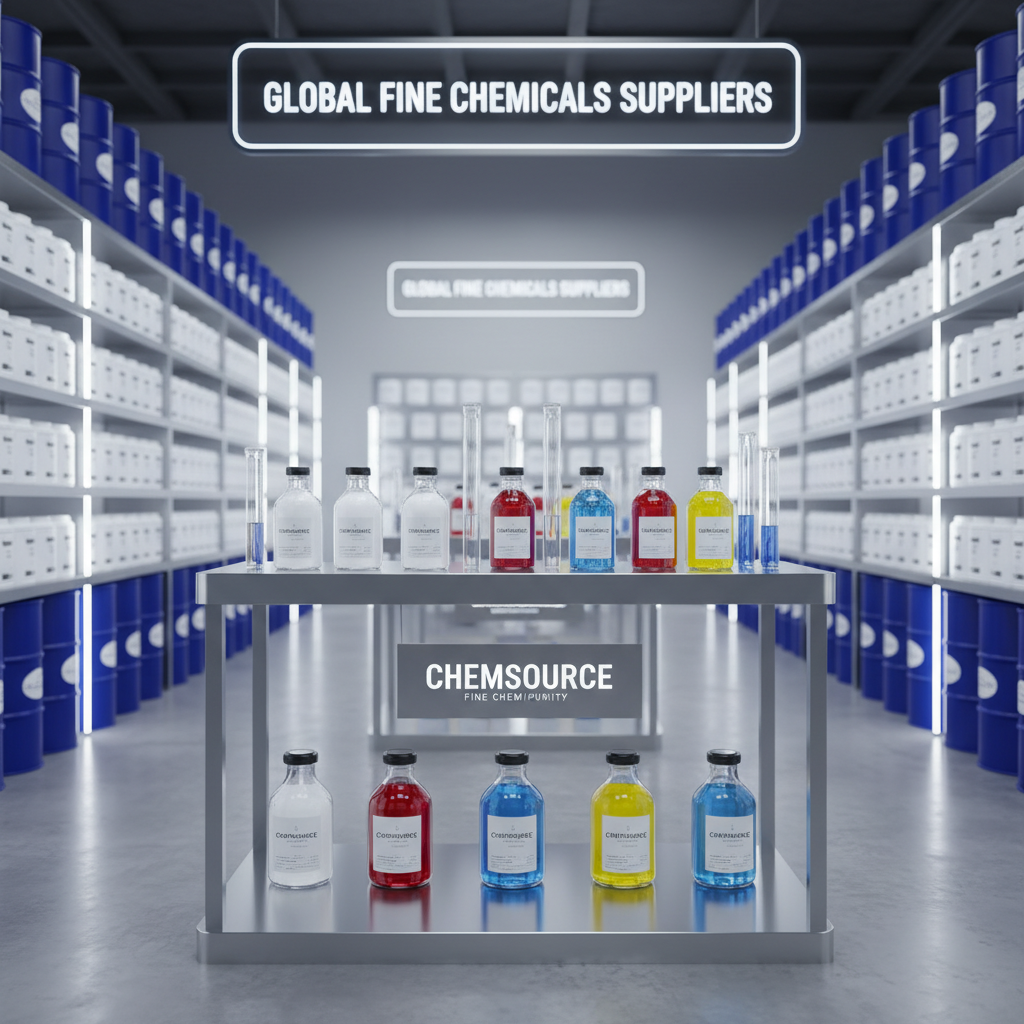
Introduction: Global or Industry Context
The global fine chemicals industry is a highly complex and interconnected network, characterized by significant specialization and stringent quality control. These chemicals, produced in relatively small quantities, are often tailored to specific applications, demanding a high degree of expertise from fine chemicals suppliers. The industry’s growth is inextricably linked to innovation in various end-user sectors, including pharmaceuticals, agrochemicals, and electronics.
The market's value is estimated to be over $200 billion globally and is projected to continue its upward trajectory due to increasing demand from developing economies and the rising complexity of chemical formulations. North America and Europe traditionally held dominant positions, but Asia-Pacific is rapidly gaining market share, driven by China and India’s growing manufacturing capabilities and research investments. Successful fine chemicals suppliers need to navigate a landscape of complex regulations, diverse customer needs, and increasingly competitive pressures.
Definition & Meaning
Fine chemicals suppliers are companies specializing in the production and distribution of complex, single, pure chemical substances. Unlike commodity chemicals produced in large volumes, fine chemicals are manufactured in limited quantities and with a high degree of purity and specification. These chemicals are often used as building blocks for more complex molecules or as specialized ingredients in finished products.
The significance of fine chemicals suppliers extends far beyond simple manufacturing. They are critical enablers of advancements across multiple industries, providing essential components for life-saving pharmaceuticals, high-performance materials, and innovative technologies. Their expertise in chemical synthesis, purification, and analysis is essential for maintaining product quality and ensuring compliance with stringent regulatory standards.
In essence, these suppliers bridge the gap between raw materials and finished products, offering customized solutions tailored to meet the specific needs of their clients. Their contribution is fundamental to both technological innovation and improved quality of life.
Key Factors or Core Components
Several key factors distinguish leading fine chemicals suppliers and determine their ability to meet the evolving needs of the market. One crucial aspect is Custom Synthesis Capabilities. The ability to develop and manufacture chemicals to specific client specifications, often involving complex multi-step synthesis, is paramount. This demands a skilled team of chemists and advanced laboratory infrastructure.
Another core component is Quality Control & Regulatory Compliance. Fine chemicals, especially those used in pharmaceuticals, are subject to rigorous regulatory scrutiny (e.g., FDA, EMA, ISO). Suppliers must demonstrate unwavering commitment to quality control, adhering to stringent standards like Good Manufacturing Practice (GMP) and maintaining comprehensive documentation.
Supply Chain Reliability is also critical. Consistent and timely delivery of chemicals is essential for maintaining production schedules and avoiding costly disruptions. This requires robust logistics, effective inventory management, and strong relationships with raw material suppliers. Finally, Technical Expertise & Support plays a vital role. Offering clients access to experienced chemists who can provide technical assistance, troubleshooting, and formulation support differentiates leading fine chemicals suppliers.
Global Applications & Use Cases
The applications of fine chemicals are remarkably diverse. In the Pharmaceutical Industry, they serve as Active Pharmaceutical Ingredients (APIs) and key intermediates in drug synthesis. In Agrochemicals, they are crucial components of pesticides, herbicides, and fertilizers. The Electronics Industry relies on high-purity fine chemicals for manufacturing semiconductors, displays, and other electronic components.
Beyond these core sectors, fine chemicals are essential in Specialty Polymers, used in adhesives, coatings, and plastics; Flavors & Fragrances, where they provide unique scent and taste profiles; and Research & Development, where they are used in various scientific experiments and analyses. In post-disaster relief operations, rapid access to specific chemical reagents from fine chemicals suppliers can be essential for water purification and disease control.
The demand is geographically varied. Developed regions like North America and Europe focus on high-value, specialized chemicals, while emerging markets like Asia-Pacific drive demand for larger volumes of commodity fine chemicals. In remote industrial zones, access to reliable supply chains provided by these suppliers is vital for continued operation and economic growth.
Comparison of fine chemicals suppliers Methods
Advantages & Long-Term Value
Partnering with the right fine chemicals suppliers delivers a multitude of advantages. Reduced production costs through optimized sourcing and efficient supply chains are significant. Equally important is the enhanced product quality achieved by accessing high-purity chemicals and consistent formulations. These factors translate directly into improved profitability and customer satisfaction.
The long-term value extends beyond immediate cost savings. Reliable supply chains contribute to business resilience, mitigating risks associated with disruptions and ensuring continuity of operations. Investing in sustainable and ethically sourced chemicals enhances brand reputation and appeals to environmentally conscious consumers. Trustworthy suppliers foster collaborative relationships, providing valuable technical expertise and driving innovation.
Future Trends & Innovations
The fine chemicals industry is on the cusp of significant transformation. Green chemistry principles are gaining prominence, driving demand for sustainable manufacturing processes and bio-based feedstocks. Digitalization and automation are streamlining operations, improving efficiency, and enhancing supply chain visibility.
Continuous flow chemistry, microreactors, and advanced analytical techniques are revolutionizing chemical synthesis, enabling faster reaction times, improved yields, and reduced waste. Furthermore, the integration of artificial intelligence (AI) and machine learning (ML) is optimizing process control, predicting demand, and facilitating the discovery of novel compounds. fine chemicals suppliers who embrace these advancements will be best positioned to thrive in the future.
Challenges & Solutions
Despite its growth potential, the fine chemicals industry faces several challenges. Complex regulatory landscapes, increasing environmental concerns, and the need for greater supply chain transparency are all significant hurdles. Maintaining consistent quality, managing raw material sourcing, and navigating geopolitical uncertainties also pose difficulties.
Innovative solutions are emerging to address these challenges. Investing in robust quality management systems, implementing sustainable sourcing practices, and adopting digital traceability technologies are crucial steps. Diversifying supply chains, fostering collaboration between suppliers and customers, and embracing circular economy principles can further enhance resilience.
The role of fine chemicals suppliers in proactively addressing these challenges is paramount, ensuring a stable and sustainable future for the industry.
Summary of Challenges and Solutions in the Fine Chemicals Supply Chain
| Challenge Area |
Severity (1-10) |
Potential Solution |
Implementation Difficulty (1-10) |
| Regulatory Compliance |
9 |
Automated Documentation & Tracking |
7 |
| Supply Chain Disruptions |
8 |
Diversified Sourcing & Inventory Management |
6 |
| Sustainability Concerns |
7 |
Green Chemistry & Bio-Based Feedstocks |
8 |
| Quality Control Issues |
6 |
Advanced Analytical Techniques & GMP Compliance |
5 |
| Raw Material Sourcing |
7 |
Long-Term Contracts & Strategic Partnerships |
6 |
| Geopolitical Risks |
5 |
Regionalized Supply Chains & Risk Assessment |
7 |
FAQS
When choosing a fine chemicals supplier, prioritize certifications like ISO 9001 (quality management), ISO 14001 (environmental management), and GMP (Good Manufacturing Practice) if you're in the pharmaceutical or related industries. These certifications demonstrate a commitment to quality, sustainability, and regulatory compliance. Look for suppliers who can provide documentation verifying these credentials and who undergo regular audits by accredited bodies. These are essential indicators of reliability and responsible practices.
Ensuring quality starts with clear specifications and analytical requirements communicated to the supplier. Request a Certificate of Analysis (CoA) for each batch of chemicals received, detailing the results of rigorous testing for purity, identity, and other key parameters. Review the CoA carefully and compare it to your specifications. Consider conducting independent verification testing if critical. A reputable fine chemicals supplier should readily provide detailed analytical data and support quality investigations.
Lead times for custom synthesis projects vary considerably depending on the complexity of the molecule, the availability of starting materials, and the supplier's workload. Simple syntheses might take a few weeks, while more complex projects could take several months. Obtain a detailed project timeline from the supplier upfront, including milestones for synthesis, purification, and analysis. Clear communication and proactive project management are crucial for minimizing delays.
For pharmaceutical intermediates, regulatory compliance is paramount. The supplier must adhere to strict GMP guidelines and provide complete documentation for all processes and materials. Traceability is also crucial – ensuring the origin of all raw materials and intermediates can be fully verified. A proven track record of successful audits by regulatory agencies and a robust quality management system are essential. Consider suppliers with experience in handling hazardous materials and controlled substances.
Reputable suppliers employ multiple strategies to ensure supply chain security and prevent counterfeiting. These include secure packaging, tamper-evident seals, and robust tracking systems. They conduct thorough due diligence on their own suppliers and implement measures to verify the authenticity of raw materials. Consider suppliers who participate in industry initiatives aimed at combating counterfeiting and who can provide detailed information about their supply chain practices.
If you encounter a quality issue, immediately notify the fine chemicals supplier and document the problem with detailed photographs and analytical data. Request a formal investigation and a corrective action plan. Retain samples of the affected material for potential analysis. Follow your company’s quality control procedures and, if necessary, consult with a qualified expert to assess the impact of the issue. A responsive and collaborative supplier will work with you to resolve the problem promptly and effectively.
Conclusion
In conclusion, fine chemicals suppliers are foundational to a vast array of industries, driving innovation and enabling advancements in healthcare, technology, and beyond. Selecting the right supplier requires careful consideration of factors like custom synthesis capabilities, quality control, supply chain reliability, and regulatory compliance. The industry is undergoing rapid transformation, with a growing emphasis on sustainability, digitalization, and automation, presenting both challenges and opportunities.
Looking ahead, companies that prioritize collaboration, invest in innovative technologies, and embrace responsible sourcing practices will be best positioned to thrive. By choosing reliable and forward-thinking fine chemicals suppliers, organizations can secure a competitive edge, mitigate risks, and contribute to a more sustainable and prosperous future. Visit our website at www.moneidechem.com to learn more about how we can support your chemical needs.