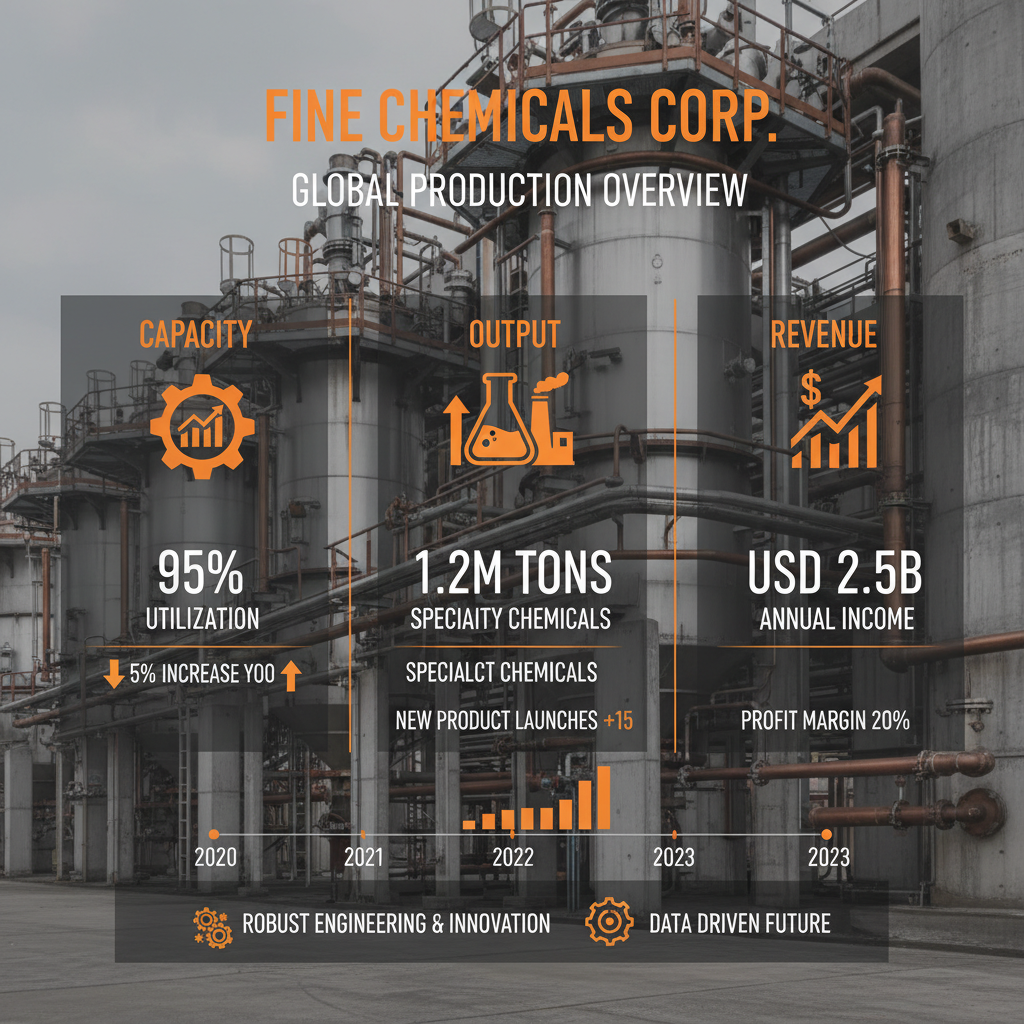
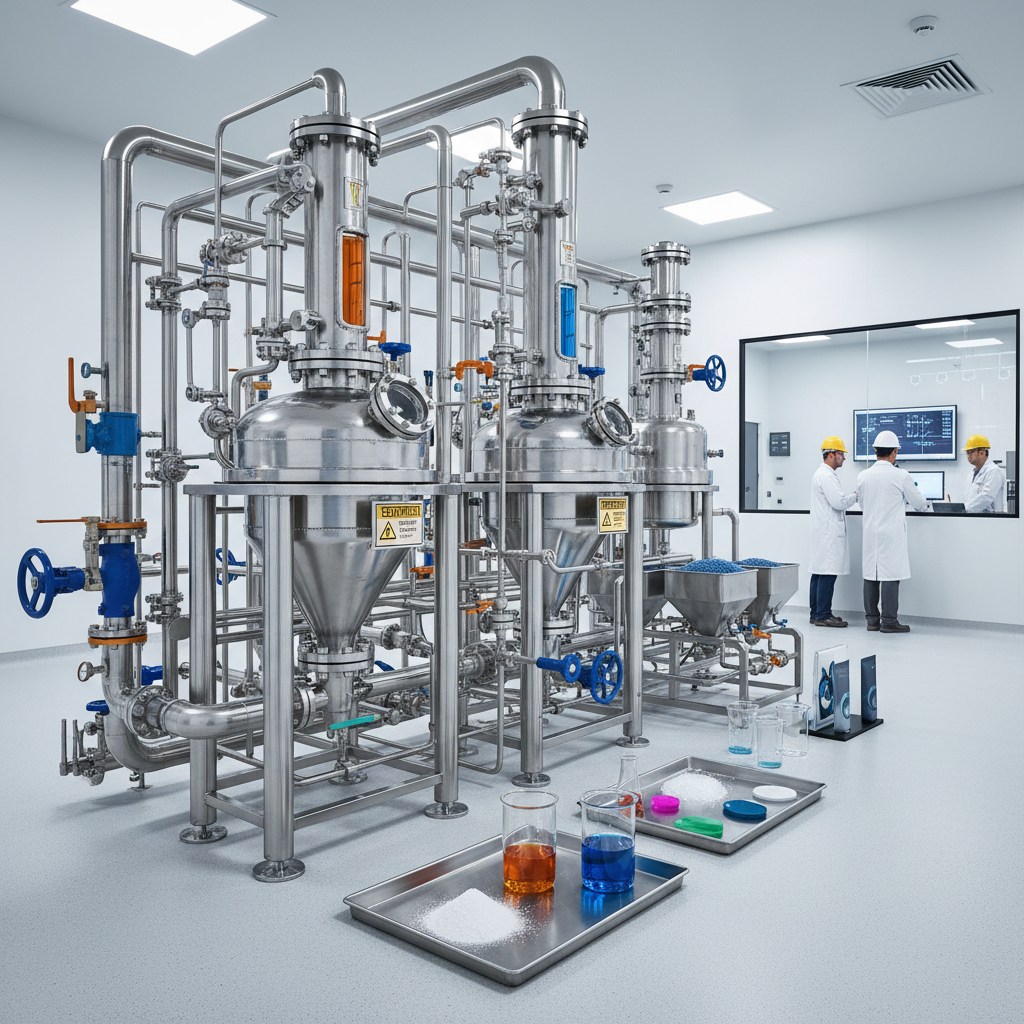
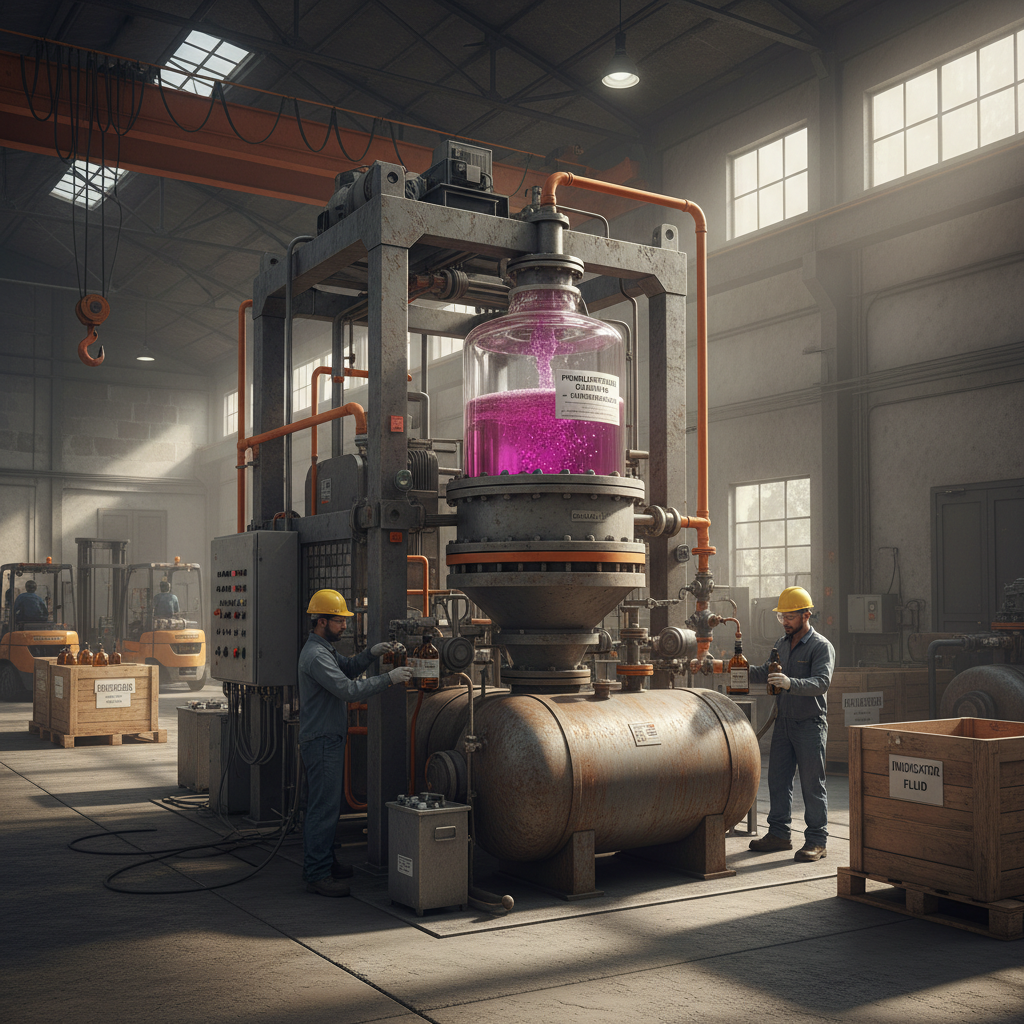
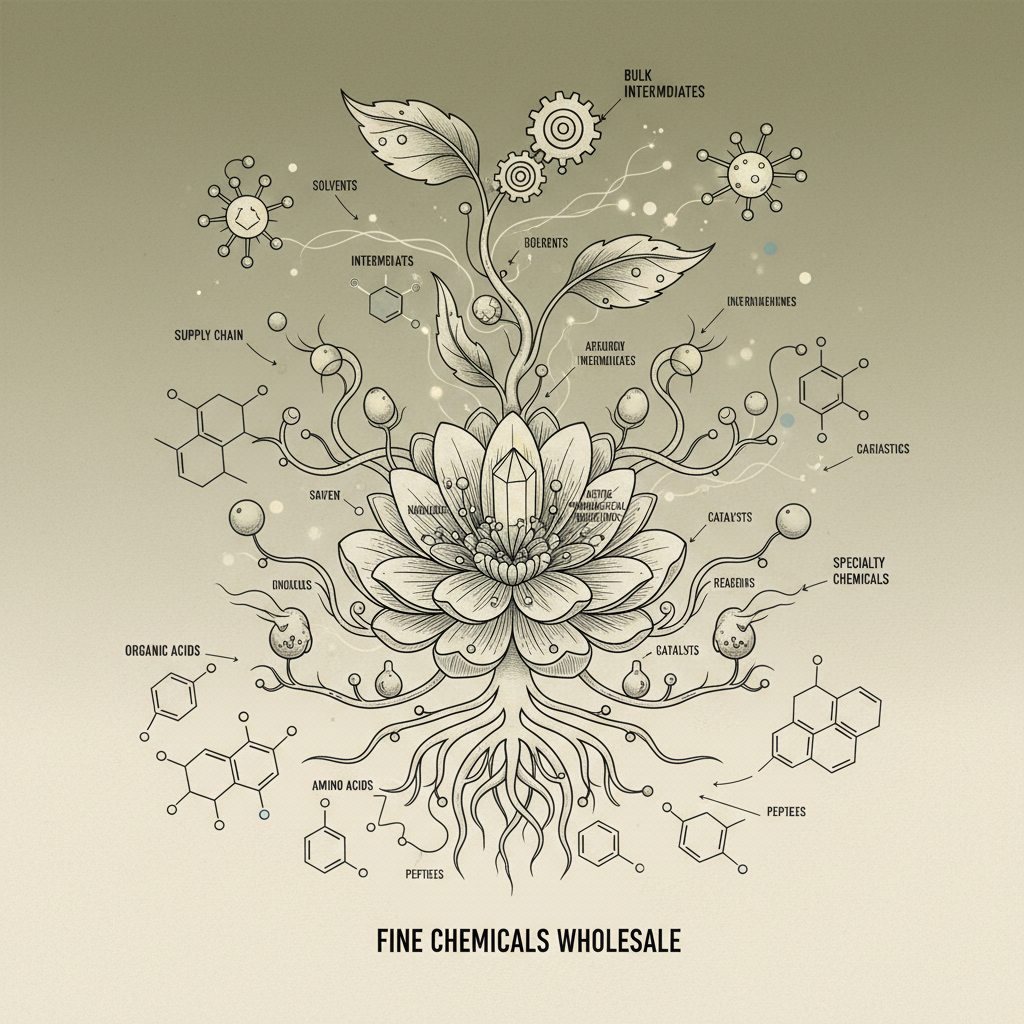
Fine chemicals corp play a pivotal role in a diverse range of industries, from pharmaceuticals and agrochemicals to specialty polymers and electronics. Their production requires sophisticated chemical processes and stringent quality control, making them essential components in countless products that enhance modern life. Understanding the intricacies of fine chemicals corp, their synthesis, and applications is crucial for innovation and advancement across these critical sectors. This knowledge base drives technological breakthroughs, enhances product performance, and addresses evolving global needs.
The global fine chemicals market is experiencing substantial growth, driven by increasing demand for customized chemical solutions and the expansion of end-use industries. According to recent reports, the market is projected to reach billions of dollars in the coming years, with Asia-Pacific leading the way in terms of both production and consumption. fine chemicals corp contribute significantly to economic growth and job creation. However, this growth also presents challenges, including environmental sustainability and the need for more efficient and cost-effective production methods.
This exploration will delve into the definition, core components, applications, advantages, future trends, and challenges associated with fine chemicals corp. By examining these facets, we aim to provide a comprehensive understanding of their importance and potential for continued innovation and positive impact on various industries and the wider world.
The Foundational Elements of fine chemicals corp
The foundation of fine chemicals corp lies in precise chemical synthesis and purification techniques. These compounds are typically produced in relatively small quantities, often to meet specific requirements of individual customers or applications. Unlike commodity chemicals produced on a massive scale, fine chemicals require significant expertise in organic chemistry, process development, and analytical testing. fine chemicals corp manufacturers must invest in advanced technologies and skilled personnel to ensure product quality and consistency.
A core element is the control of stereochemistry and the ability to synthesize chiral molecules. This is particularly critical in pharmaceutical applications where the biological activity of a drug often depends on its specific molecular configuration. Developing efficient and selective synthetic routes is a major challenge, demanding innovation in catalysis, reaction engineering, and separation science.
Defining fine chemicals corp: Scope and Significance
Fine chemicals corp are complex, single, pure chemical substances produced in limited volumes. They are distinguished from commodity chemicals by their high purity, specific composition, and tailored functionality. These chemicals are not typically sold based on chemical formula, but rather on their performance characteristics and suitability for a particular application. The “fine” designation signifies a high degree of specialization and precision in their production.
The significance of fine chemicals extends across numerous vital industries. In pharmaceuticals, they form the active pharmaceutical ingredients (APIs) that drive therapeutic efficacy. In agrochemicals, they serve as the building blocks for pesticides and herbicides essential for food production. Specialty polymers rely on fine chemicals for enhanced properties, and the electronics industry utilizes them in the creation of semiconductors and other key components.
Their role is deeply intertwined with modern humanitarian needs as well, enabling the development of diagnostic tools, advanced materials for water purification, and innovative solutions for addressing global health challenges.
Core Characteristics of High-Quality fine chemicals corp
High-quality fine chemicals corp are defined by several key characteristics, foremost among them being exceptional purity. This requires meticulous purification processes and rigorous analytical testing to ensure the absence of unwanted impurities that could compromise performance or safety. The consistency of these chemicals, batch to batch, is also paramount for reliable results in downstream applications.
Defined specifications are crucial. Each fine chemical must adhere to precisely defined parameters regarding its physical properties (melting point, boiling point, solubility), chemical composition (assay, impurity profile), and spectroscopic characteristics (NMR, IR, mass spectrometry). These specifications are tailored to the specific needs of the intended application.
Furthermore, reliable sourcing and traceability are essential. fine chemicals corp manufacturers must maintain detailed records of raw materials, production processes, and quality control data to ensure accountability and enable rapid identification of any potential issues. Regulatory compliance, adhering to standards like ISO 9001 and relevant industry guidelines, is also a critical characteristic.
Key Performance Indicators in fine chemicals corp Production
Evaluating the efficiency and effectiveness of fine chemicals corp production requires careful monitoring of key performance indicators (KPIs). One critical KPI is the overall yield of the synthesis, representing the percentage of starting materials converted into the desired product. Higher yields translate directly into lower costs and improved resource utilization.
Another essential KPI is the E-factor, which measures the amount of waste generated per unit of product. Lower E-factors signify more sustainable and environmentally friendly processes. Process cycle time, the duration required to complete a batch, impacts productivity and responsiveness to customer demand.
Global Applications of fine chemicals corp
The applications of fine chemicals are remarkably broad. In the pharmaceutical industry, they are essential for synthesizing active pharmaceutical ingredients (APIs) used in life-saving medications. Agrochemicals rely on fine chemicals for the production of herbicides, pesticides, and fungicides, bolstering agricultural yields.
The electronics sector utilizes high-purity fine chemicals in the manufacture of semiconductors, liquid crystal displays, and other critical components. In post-disaster relief operations, specialized fine chemicals can be used in water purification systems and sanitation solutions. In remote industrial zones, specialized cleaning agents and corrosion inhibitors, based on fine chemicals, maintain infrastructure integrity.
Advantages and Long-Term Value of fine chemicals corp
The strategic adoption of fine chemicals corp offers a multitude of advantages. Cost-effectiveness is often achieved through optimized synthetic routes and efficient production processes, reducing waste and maximizing resource utilization. Sustainability benefits arise from the development of “green chemistry” approaches, minimizing environmental impact and promoting responsible manufacturing practices.
Beyond economic and environmental gains, the use of high-quality fine chemicals enhances product safety and efficacy. The reliability of these compounds ensures consistent performance, building trust with customers and contributing to brand reputation. Investment in fine chemicals corp drives innovation and positions businesses for long-term success in a competitive global market.
Challenges and Future Innovations in fine chemicals corp
Despite their benefits, the fine chemicals industry faces several challenges. The complexity of synthesis often leads to lengthy production times and high development costs. Environmental regulations are becoming increasingly stringent, demanding more sustainable and eco-friendly processes. Ensuring supply chain resilience and mitigating the risk of disruptions are also critical concerns.
However, these challenges are driving exciting innovations. Flow chemistry, utilizing continuous reactors, offers improved control and efficiency compared to traditional batch processes. Biocatalysis, employing enzymes as catalysts, provides environmentally benign and highly selective synthetic routes. Digitalization and automation are streamlining production processes, enhancing quality control, and reducing costs.
The increasing focus on circular economy principles is fostering the development of methods for recovering and reusing valuable chemicals, minimizing waste and maximizing resource utilization. These advancements promise to reshape the future of fine chemicals corp and solidify their role in a sustainable and innovative world.
Summary of Key Challenges and Solutions in fine chemicals corp
| Challenge |
Impact Area |
Proposed Solution |
Implementation Difficulty (1-10) |
| High Production Costs |
Economic Viability |
Optimize synthetic routes using biocatalysis and flow chemistry |
7 |
| Environmental Impact |
Sustainability |
Implement “green chemistry” principles and waste recycling programs |
6 |
| Complex Synthesis |
Production Time |
Utilize automated reactors and advanced process control systems |
8 |
| Supply Chain Disruptions |
Production Continuity |
Diversify sourcing and build strategic partnerships |
5 |
| Regulatory Compliance |
Market Access |
Invest in robust quality control and documentation systems |
9 |
| Limited Scalability |
Production Capacity |
Develop modular production systems and optimize reactor design |
7 |
FAQS
Fine chemicals are produced in smaller quantities, with a focus on high purity, specific composition, and tailored functionality for niche applications. Commodity chemicals are produced in large volumes, are less pure, and are used for broader applications. The complexity of synthesis and the price point are also key differentiators. The value proposition in fine chemicals is performance and specificity, while for commodities, it's cost.
Quality control is paramount. Given the often sensitive applications of fine chemicals, even trace impurities can have significant consequences. Rigorous analytical testing, adherence to stringent specifications, and comprehensive documentation are essential. fine chemicals corp quality control ensures product consistency, safety, and efficacy, building trust with customers and supporting regulatory compliance.
Green chemistry is the design of chemical products and processes that minimize or eliminate the use and generation of hazardous substances. In fine chemicals, it involves using safer solvents, catalysts, and reagents, reducing waste, and maximizing resource efficiency. This approach not only minimizes environmental impact but can also lower production costs and improve safety.
Flow chemistry utilizes continuous reactors instead of traditional batch reactors. This allows for precise control of reaction conditions, faster reaction times, improved safety, and better scalability. It's particularly beneficial for reactions involving hazardous or unstable intermediates, leading to higher yields and reduced waste.
Biocatalysis employs enzymes as catalysts for chemical transformations. Enzymes are highly selective, operate under mild conditions, and are environmentally friendly. This makes biocatalysis a powerful tool for synthesizing chiral molecules and performing complex reactions that are difficult to achieve using traditional chemical methods.
Managing supply chain risk requires diversification of sourcing, building strategic partnerships with suppliers, and maintaining buffer stocks of critical raw materials. Investing in robust supply chain monitoring systems and developing contingency plans for potential disruptions are also essential. Proactive communication and collaboration with suppliers are key to mitigating risks.
Conclusion
In conclusion, fine chemicals corp are fundamental to a vast array of industries, driving innovation and enabling advancements in medicine, agriculture, electronics, and beyond. Their unique characteristics – high purity, tailored functionality, and precise specifications – make them indispensable for countless applications. Addressing the challenges of cost, sustainability, and supply chain resilience through innovative technologies and responsible practices will be crucial for realizing the full potential of this vital sector.
Looking ahead, continued investment in research and development, coupled with a commitment to green chemistry principles and digital transformation, will pave the way for a more sustainable and efficient fine chemicals industry. We encourage you to explore further and discover how fine chemicals corp can contribute to your success. Visit our website: www.moneidechem.com