The global demand for specialized chemical compounds is experiencing sustained growth, driven by advancements across diverse sectors like pharmaceuticals, agrochemicals, and materials science. A reliable fine chemicals supplier is therefore crucial for maintaining supply chain integrity and fostering innovation. These suppliers play a vital role in providing high-purity, precisely defined chemical substances that are essential building blocks for countless products impacting our daily lives.
The increasing complexity of chemical synthesis and the demand for sustainable practices necessitate a shift towards more specialized and responsive suppliers. Meeting stringent quality control standards, navigating complex regulatory landscapes, and ensuring timely delivery are critical challenges that define the modern fine chemicals supplier landscape. The ability to offer customized solutions and consistently meet evolving customer needs is paramount.
Ultimately, choosing the right fine chemicals supplier isn’t merely a transactional decision; it’s a strategic partnership that directly impacts product quality, research and development timelines, and a company’s overall competitive edge. A strong supplier network ensures access to vital resources, driving progress and enabling breakthrough discoveries.
The Importance of fine chemicals supplier
The availability of high-quality fine chemicals is the bedrock of numerous industries, underpinning advancements in healthcare, technology, and sustainable materials. A robust fine chemicals supplier network is essential for ensuring a consistent and reliable flow of these critical components, enabling research, development, and manufacturing processes to proceed efficiently.
The impact of a reliable supplier extends beyond simply providing materials; it influences innovation cycles, regulatory compliance, and ultimately, the competitiveness of businesses that depend on these specialized chemicals. The complexity of modern chemical synthesis demands a partner with deep expertise and a commitment to quality.
Defining fine chemicals supplier
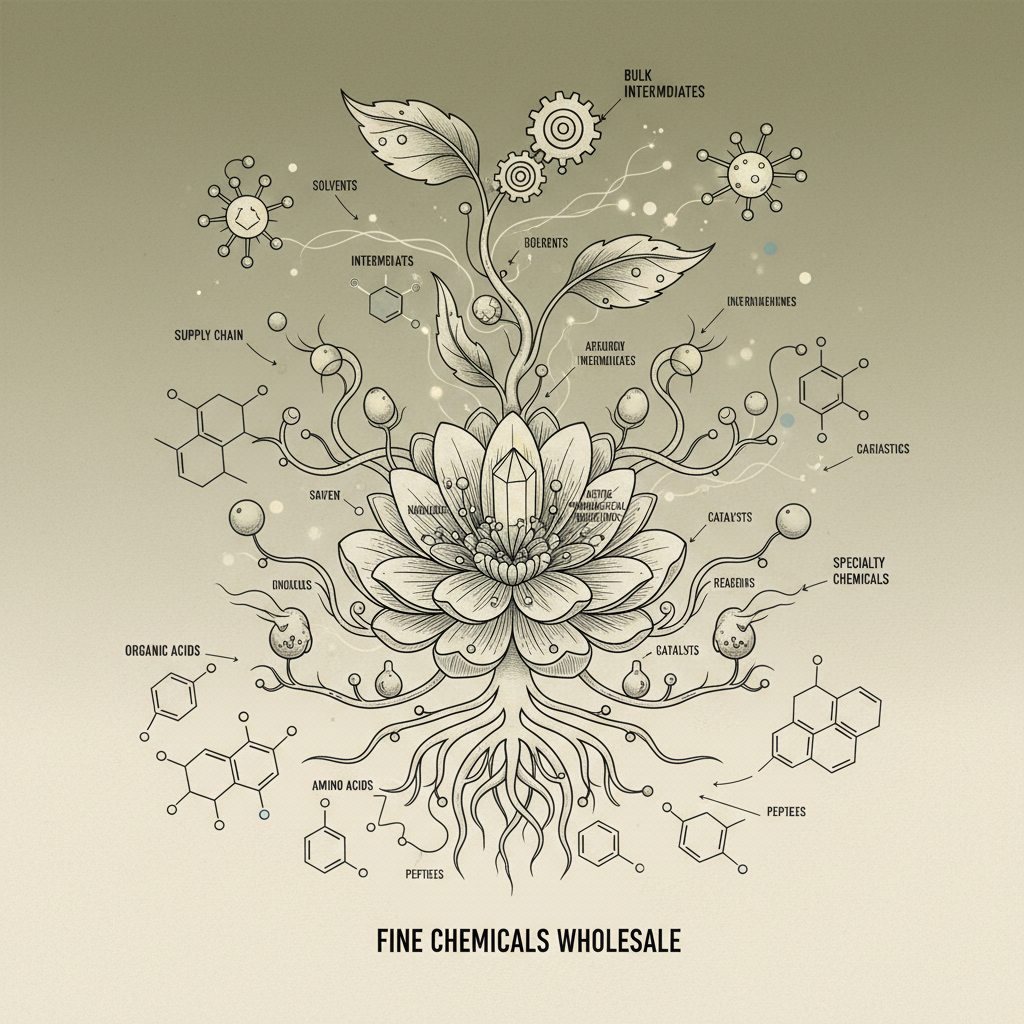
A fine chemicals supplier specializes in the production and distribution of complex, single, pure chemical substances. Unlike commodity chemicals produced in large volumes, fine chemicals are typically manufactured in smaller quantities and adhere to stringent specifications, often tailored to individual customer requirements. These chemicals are vital for pharmaceutical drug development, specialized polymers, advanced materials, and various research applications.
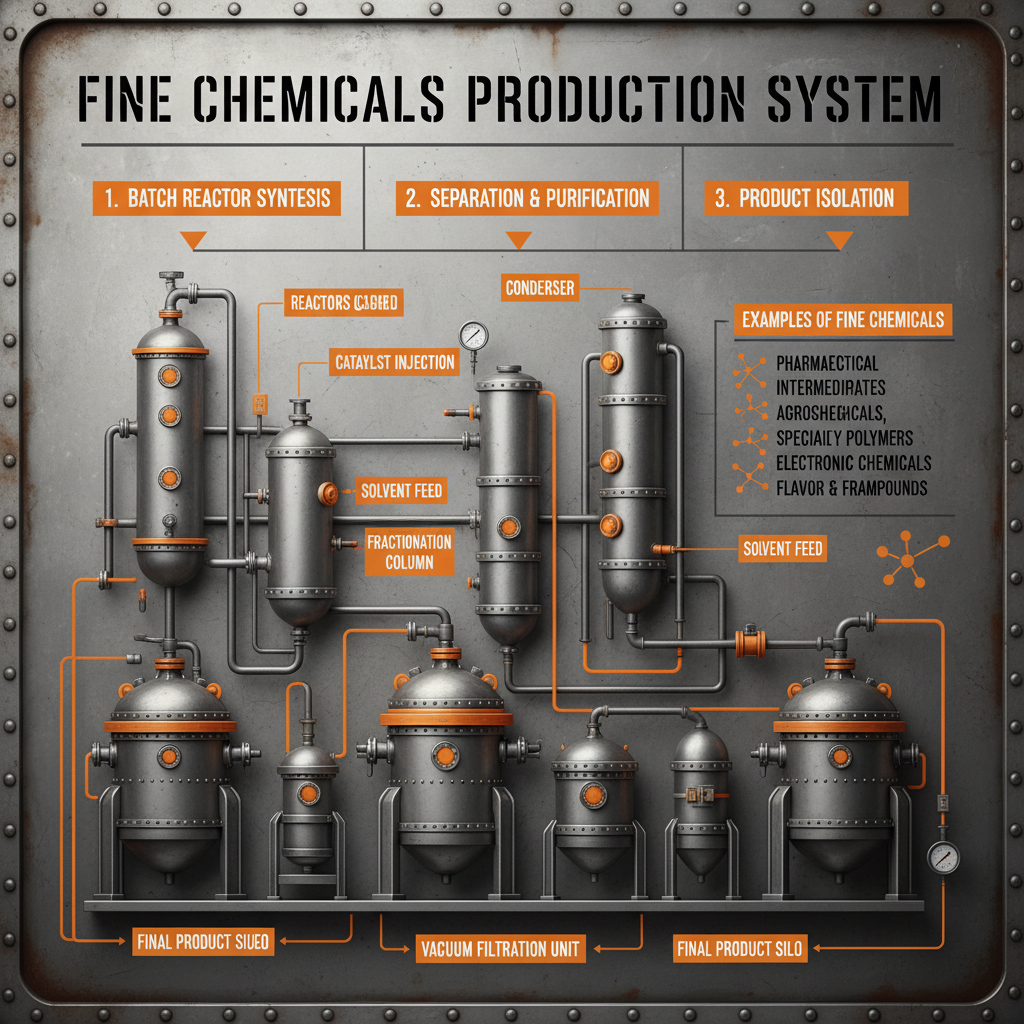
Their core competency lies in precise chemical synthesis, purification, and analysis, often involving multi-step processes and sophisticated quality control measures. A key differentiator is the level of customization offered, including custom synthesis, process development, and analytical services.
The connection to modern industry and humanitarian needs is profound. From the APIs (Active Pharmaceutical Ingredients) in life-saving medications to the specialized materials used in renewable energy technologies, fine chemicals suppliers are at the forefront of solving global challenges.
Core Attributes of a Reliable fine chemicals supplier
A truly dependable fine chemicals supplier distinguishes itself through several core attributes. First and foremost is an unwavering commitment to quality, evidenced by rigorous quality control systems, adherence to industry standards (like ISO certifications), and comprehensive analytical capabilities.
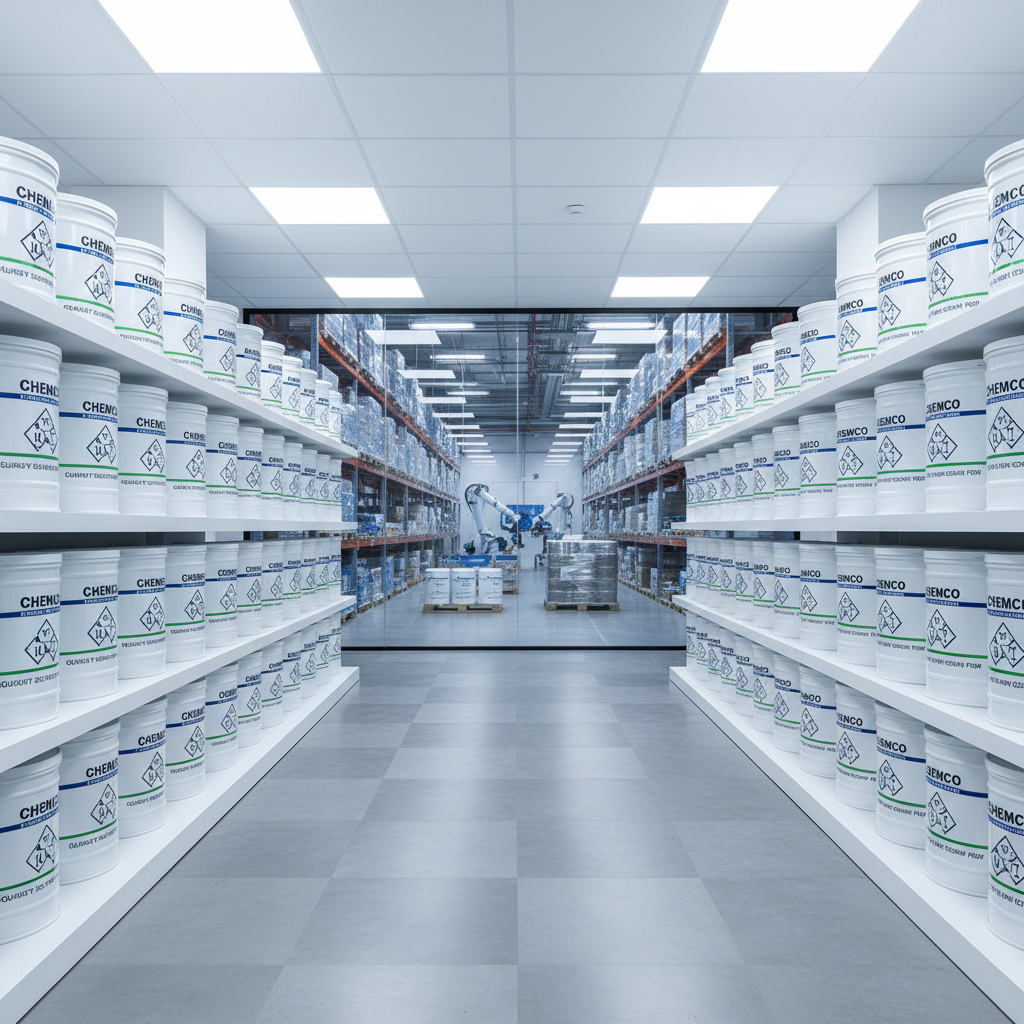
Secondly, supply chain resilience is paramount. A reliable supplier maintains robust inventory management, diversified sourcing strategies, and proactive risk mitigation plans to ensure consistent product availability, even in the face of unforeseen disruptions. Finally, a strong supplier prioritizes responsiveness and technical expertise, offering dedicated support and collaborative problem-solving to meet unique customer needs.
Additional key features include the ability to provide comprehensive documentation (CoA, MSDS, etc.), adherence to strict confidentiality agreements, and a commitment to sustainable and ethical manufacturing practices.
Key Performance Indicators for fine chemicals supplier
Evaluating the performance of a fine chemicals supplier requires a focus on specific, measurable indicators. On-time delivery rate is crucial, reflecting the supplier's reliability and logistical efficiency. Another vital metric is product purity, assessed through analytical data and adherence to established specifications.
Cost competitiveness is important, but it should be balanced against quality and reliability. The supplier’s responsiveness to inquiries and ability to resolve issues promptly also significantly impacts overall satisfaction.
KPIs for Evaluating a fine chemicals supplier
Global Applications of fine chemicals supplier
The applications of products sourced from a fine chemicals supplier are incredibly diverse. In the pharmaceutical industry, they are the essential building blocks for life-saving drugs, from complex APIs to excipients that ensure drug stability and delivery. In agriculture, fine chemicals are crucial for developing advanced pesticides, herbicides, and fertilizers, contributing to increased crop yields and food security.
Beyond these core industries, fine chemicals are used in the production of specialty polymers, electronic materials, cosmetics, and advanced coatings. In post-disaster relief operations, specialized chemicals are vital for water purification and sanitation. In remote industrial zones, reliable chemical supply is essential for maintaining critical infrastructure and manufacturing processes.
The Strategic Value of Partnering with a fine chemicals supplier
Selecting the right fine chemicals supplier is a strategic decision that can profoundly impact a company’s success. A strong partnership offers access to specialized expertise, enabling faster innovation and reduced time to market.
A reliable supplier can also help mitigate risk by ensuring consistent product quality and supply chain security. Furthermore, a collaborative supplier can provide valuable insights into process optimization and cost reduction strategies.
Investing in a long-term relationship with a reputable supplier fosters trust, transparency, and a shared commitment to excellence, creating a competitive advantage in today's dynamic marketplace.
Future Trends and Innovations in fine chemicals supplier
The future of fine chemicals supplier is being shaped by several key trends. Green chemistry principles are gaining traction, driving demand for sustainable manufacturing processes and environmentally friendly chemical alternatives. Digital transformation, including the adoption of AI and machine learning, is optimizing supply chain management and accelerating research and development.
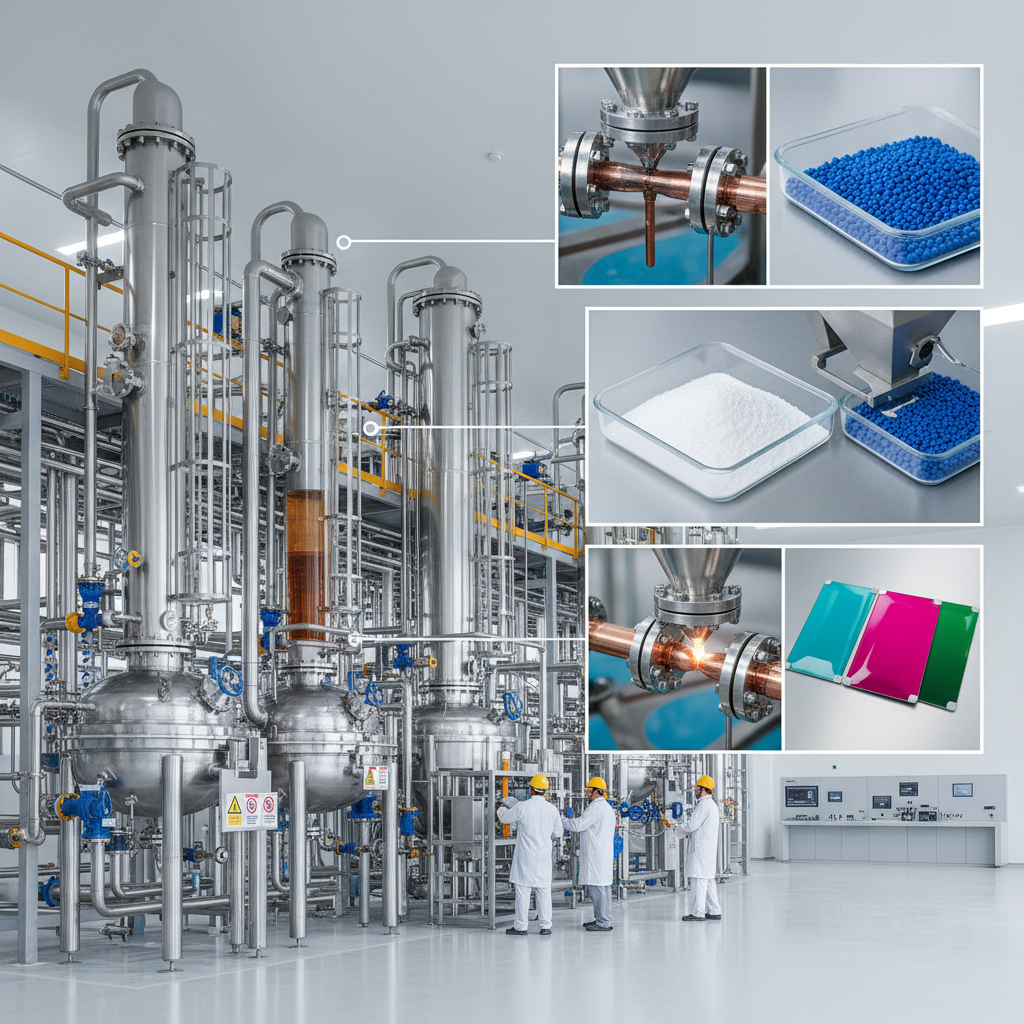
Continuous flow chemistry and microreactor technologies are enabling more efficient and precise chemical synthesis. Furthermore, a growing emphasis on traceability and transparency is driving the implementation of blockchain-based supply chain solutions.
These innovations are not only improving efficiency and sustainability but also creating new opportunities for collaboration and customization within the fine chemicals industry.
Key Future Trends and Innovations in fine chemicals supplier
| Innovation Area |
Impact on fine chemicals supplier |
Adoption Timeline |
Potential Challenges |
| Green Chemistry |
Reduced environmental impact, increased sustainability. |
Short-term (1-3 years) |
Cost of alternative materials. |
| AI & Machine Learning |
Optimized supply chains, faster R&D. |
Medium-term (3-5 years) |
Data security concerns. |
| Continuous Flow Chemistry |
Increased efficiency, improved safety. |
Medium-term (3-5 years) |
Capital investment required. |
| Blockchain Technology |
Enhanced traceability, increased transparency. |
Long-term (5+ years) |
Integration complexity. |
| Digital Twins |
Predictive maintenance, process optimization. |
Long-term (5+ years) |
Data modeling accuracy. |
| Biocatalysis |
Sustainable synthesis, reduced waste. |
Medium-term (3-5 years) |
Enzyme stability and cost. |
FAQS
When choosing a fine chemicals supplier, prioritize quality certifications (ISO 9001, etc.), their track record for on-time delivery, analytical capabilities, and their ability to meet your specific purity and specification requirements. Consider their responsiveness to inquiries, custom synthesis capabilities, and commitment to sustainable practices. A robust supply chain and adherence to regulatory compliance are also vital.
Verify that the fine chemicals supplier provides a Certificate of Analysis (CoA) with each batch, detailing analytical results and confirming purity specifications. Request information on their quality control procedures and auditing processes. Consider conducting your own independent testing to validate their findings. A supplier with comprehensive documentation and traceability systems is crucial.
Custom synthesis is essential when standard catalog chemicals don’t meet your specific requirements. A fine chemicals supplier offering custom synthesis services can design and execute multi-step synthetic routes to produce compounds tailored to your precise needs, accelerating your research and development timelines. This is particularly important in pharmaceutical and materials science applications.
Reputable fine chemicals suppliers mitigate supply chain risk through diversified sourcing strategies, robust inventory management, and proactive communication. They often maintain backup suppliers and alternative manufacturing locations to ensure continuity of supply even in the face of unforeseen disruptions. Transparency in their supply chain is also key.
A fine chemicals supplier should comply with relevant regulations such as REACH (Europe), TSCA (US), and other regional chemical regulations. They should provide Material Safety Data Sheets (MSDS) and ensure proper labeling and handling procedures are followed. Adherence to GMP (Good Manufacturing Practice) is vital for pharmaceutical applications.
Leading fine chemicals suppliers are increasingly adopting green chemistry principles, minimizing waste generation, utilizing renewable energy sources, and implementing responsible waste disposal practices. They may also offer bio-based alternatives to traditional chemicals and prioritize environmentally friendly packaging.
Conclusion
In conclusion, a dependable fine chemicals supplier is far more than just a vendor; they are a critical partner in driving innovation, ensuring product quality, and navigating a complex regulatory landscape. Prioritizing quality, reliability, sustainability, and responsiveness are paramount when selecting a supplier. Understanding the key performance indicators and future trends shaping the industry is crucial for making informed decisions.
Investing in a strategic partnership with a reputable fine chemicals supplier unlocks long-term value, fosters resilience, and positions businesses for success in an increasingly competitive global marketplace. We encourage you to explore the options and choose a partner committed to excellence and collaboration.