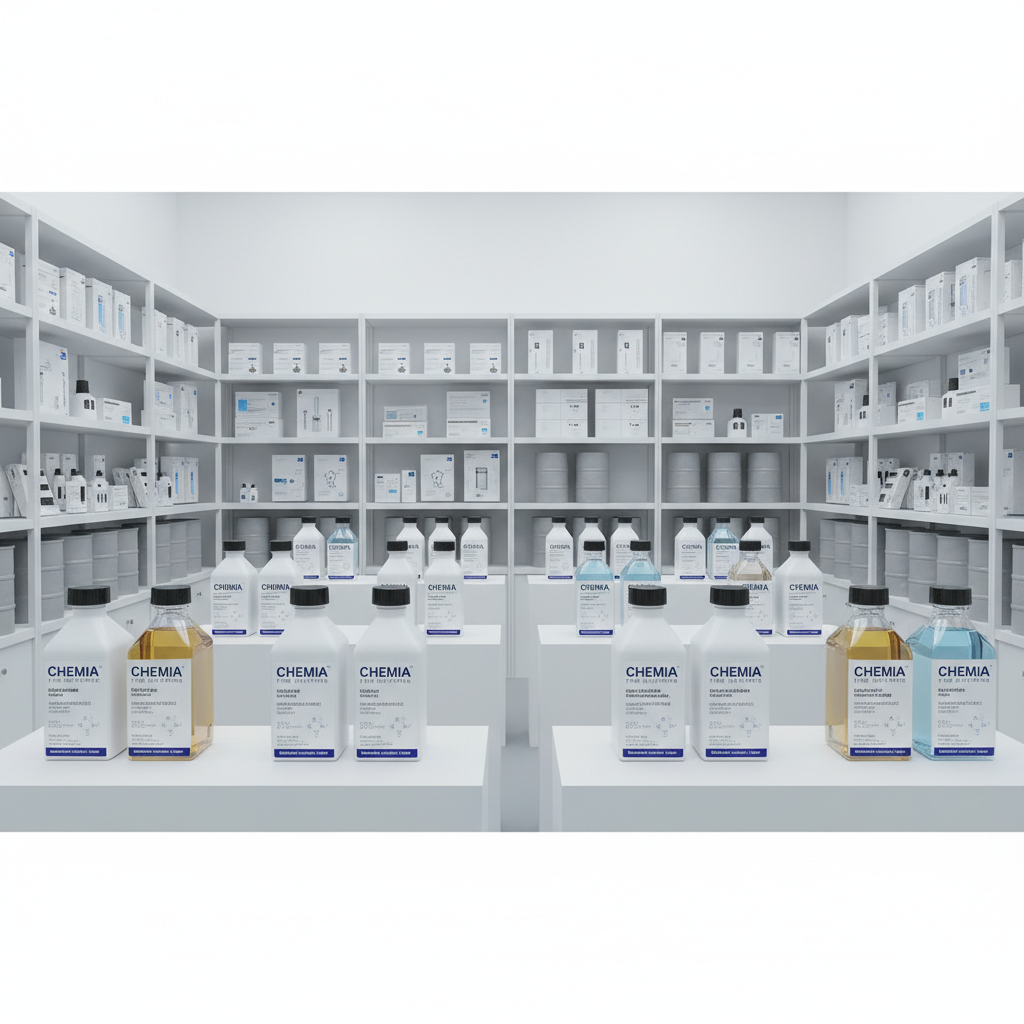
The global demand for specialized chemical compounds is constantly increasing, driven by advancements in pharmaceuticals, materials science, and various industrial processes. This necessitates a reliable and efficient network of fine chemical suppliers capable of delivering high-quality products with stringent specifications. Understanding the nuances of sourcing these chemicals is crucial for innovation and maintaining competitive advantage.
The role of a fine chemical supplier extends beyond simply providing compounds; it encompasses custom synthesis, process development, and quality control. The complexity of modern chemical manufacturing demands expertise in handling hazardous materials, adhering to strict regulatory compliance, and ensuring supply chain security.
Consequently, businesses across diverse sectors rely on dependable fine chemical suppliers to streamline their operations, reduce costs, and accelerate product development. This dependence underlines the importance of evaluating suppliers based on capability, reliability, and commitment to sustainability.
The Crucial Role of fine chemical supplier
The availability of specialized chemical compounds is the bedrock of countless industries, from pharmaceuticals and agrochemicals to electronics and advanced materials. A robust fine chemical supplier network ensures a consistent flow of these essential building blocks, fostering innovation and enabling complex manufacturing processes.
Selecting the right fine chemical supplier is no longer simply a transactional decision; it’s a strategic partnership. Suppliers with advanced capabilities in custom synthesis, analytical testing, and regulatory compliance can significantly impact a company's ability to bring new products to market quickly and efficiently.
Defining fine chemical supplier and Its Relevance
A fine chemical supplier specializes in the production and distribution of high-purity, complex organic and inorganic chemical substances. Unlike commodity chemicals produced in large volumes, fine chemicals are manufactured in smaller quantities and often require specialized synthesis or purification techniques. Their value lies in their purity and precise specifications.
The relevance of a fine chemical supplier stems from their ability to serve industries requiring specific, often non-standard, chemical compounds. This includes the pharmaceutical industry needing Active Pharmaceutical Ingredients (APIs), the agrochemical industry requiring specialized pesticides, and research institutions conducting cutting-edge scientific studies.
Essentially, fine chemical suppliers are enablers of innovation, providing the essential raw materials for developing new technologies and improving existing products. Their expertise contributes to advances in human health, agricultural productivity, and technological progress.
Core Characteristics of a Quality fine chemical supplier
A high-quality fine chemical supplier distinguishes itself through several key characteristics. First and foremost is a commitment to stringent quality control, encompassing rigorous analytical testing and adherence to internationally recognized standards like ISO 9001. Consistency and traceability are paramount.
Secondly, a reliable supplier possesses robust manufacturing capabilities, including the ability to handle complex chemical reactions, scale up production efficiently, and manage hazardous materials safely. Furthermore, a strong focus on research and development allows them to offer custom synthesis and process optimization services.
Finally, a reputable fine chemical supplier prioritizes regulatory compliance, providing comprehensive documentation, safety data sheets (SDS), and adhering to environmental regulations. Excellent communication and responsive customer support are also essential.
Key Factors Influencing fine chemical supplier Selection
Selecting the right fine chemical supplier requires careful consideration of several critical factors. Price is important, but should not be the sole determinant. Evaluating the supplier's overall value proposition, including quality, reliability, and service, is crucial.
Capacity and scalability are also significant. Can the supplier meet your current needs and adapt to future growth? Furthermore, assess their geographic location and supply chain resilience to mitigate potential disruptions.
Comparison of fine chemical supplier Attributes
Global Applications of fine chemical supplier
The applications of a fine chemical supplier are incredibly diverse. In the pharmaceutical industry, they provide APIs and intermediates for life-saving medications. In agrochemicals, they supply compounds for crop protection and yield enhancement.
Furthermore, fine chemicals are essential in the production of advanced materials, such as polymers, coatings, and electronics. They also play a critical role in diagnostic reagents, analytical standards, and specialty chemicals used in research and development.
Advantages of Partnering with a Reliable fine chemical supplier
Partnering with a reputable fine chemical supplier offers numerous advantages. Reduced costs through efficient sourcing and optimized supply chains are significant benefits. Access to specialized expertise and custom synthesis capabilities accelerates product development.
A strong supplier relationship also ensures consistent quality, reliable supply, and adherence to stringent regulatory requirements. This leads to improved product performance, reduced risk, and enhanced customer satisfaction.
Ultimately, a reliable fine chemical supplier frees up internal resources, allowing companies to focus on their core competencies and drive innovation.
Emerging Trends and Challenges for fine chemical supplier
The fine chemical industry is undergoing rapid transformation. Growing demand for sustainable and environmentally friendly chemicals is driving the adoption of green chemistry principles. Digitalization and automation are improving efficiency and reducing costs.
However, challenges remain. Supply chain disruptions, geopolitical instability, and increasing regulatory scrutiny require proactive risk management. The need for greater transparency and traceability is also paramount.
fine chemical suppliers must embrace these trends and invest in innovation to remain competitive and meet the evolving needs of their customers.
Summary of Key Challenges and Mitigation Strategies for fine chemical supplier
| Challenge |
Impact on fine chemical supplier |
Mitigation Strategy |
Risk Level (1-10) |
| Supply Chain Disruptions |
Delayed deliveries, increased costs |
Diversify sourcing, build inventory buffers |
8 |
| Regulatory Compliance |
Potential fines, product recalls |
Invest in robust compliance programs, conduct regular audits |
9 |
| Geopolitical Instability |
Increased political risk, trade barriers |
Monitor global events, develop contingency plans |
7 |
| Competition |
Price pressure, margin erosion |
Differentiate through innovation, provide value-added services |
6 |
| Sustainability Concerns |
Reputational damage, loss of customers |
Adopt green chemistry practices, reduce environmental footprint |
7 |
| Cybersecurity Threats |
Data breaches, intellectual property theft |
Invest in cybersecurity infrastructure, implement data protection protocols |
8 |
FAQS
When selecting a fine chemical supplier, prioritize certifications like ISO 9001 (Quality Management), ISO 14001 (Environmental Management), and potentially specific certifications related to pharmaceutical manufacturing (e.g., GMP). These demonstrate a commitment to quality, sustainability, and regulatory compliance. Look for suppliers who can provide detailed documentation and audit reports related to their certifications.
Confidentiality is crucial when working with a fine chemical supplier on custom synthesis. Ensure they have robust non-disclosure agreements (NDAs) in place that clearly define intellectual property rights and confidentiality obligations. Inquire about their internal security protocols and data protection measures to safeguard your sensitive information.
Lead times for custom synthesis vary significantly depending on the complexity of the molecule, the required quantity, and the supplier’s current workload. Generally, simpler syntheses may take a few weeks, while more complex projects can require several months. Obtain a detailed project timeline from the fine chemical supplier before committing to the project.
A responsible fine chemical supplier will have comprehensive safety protocols for handling hazardous materials, including proper storage, transportation, and waste disposal. They should provide detailed safety data sheets (SDS) and adhere to all relevant regulations regarding hazardous chemical handling. Inquire about their emergency response procedures.
If you encounter a quality issue, immediately contact the fine chemical supplier and document the problem thoroughly, including batch numbers, analytical data, and a detailed description of the issue. A reputable supplier will have a documented quality control process and will promptly investigate and resolve the issue, potentially offering a replacement or credit.
Assess a fine chemical supplier’s sustainability by inquiring about their waste reduction programs, energy efficiency initiatives, and use of renewable resources. Look for suppliers committed to green chemistry principles and who actively work to minimize their environmental impact. Check for certifications related to sustainability.
Conclusion
In conclusion, the selection of a fine chemical supplier is a critical decision that directly impacts a company’s innovation, efficiency, and long-term success. A reliable supplier delivers high-quality compounds, ensures regulatory compliance, and provides exceptional customer support, ultimately driving advancements across numerous industries.
Looking ahead, the fine chemical industry will continue to evolve, driven by sustainability concerns and technological advancements. Companies that prioritize partnerships with forward-thinking fine chemical suppliers will be best positioned to navigate these challenges and capitalize on emerging opportunities. Visit our website: www.moneidechem.com.