Welcome to Tangshan Moneide Trading Co., Ltd.


Welcome to Tangshan Moneide Trading Co., Ltd.

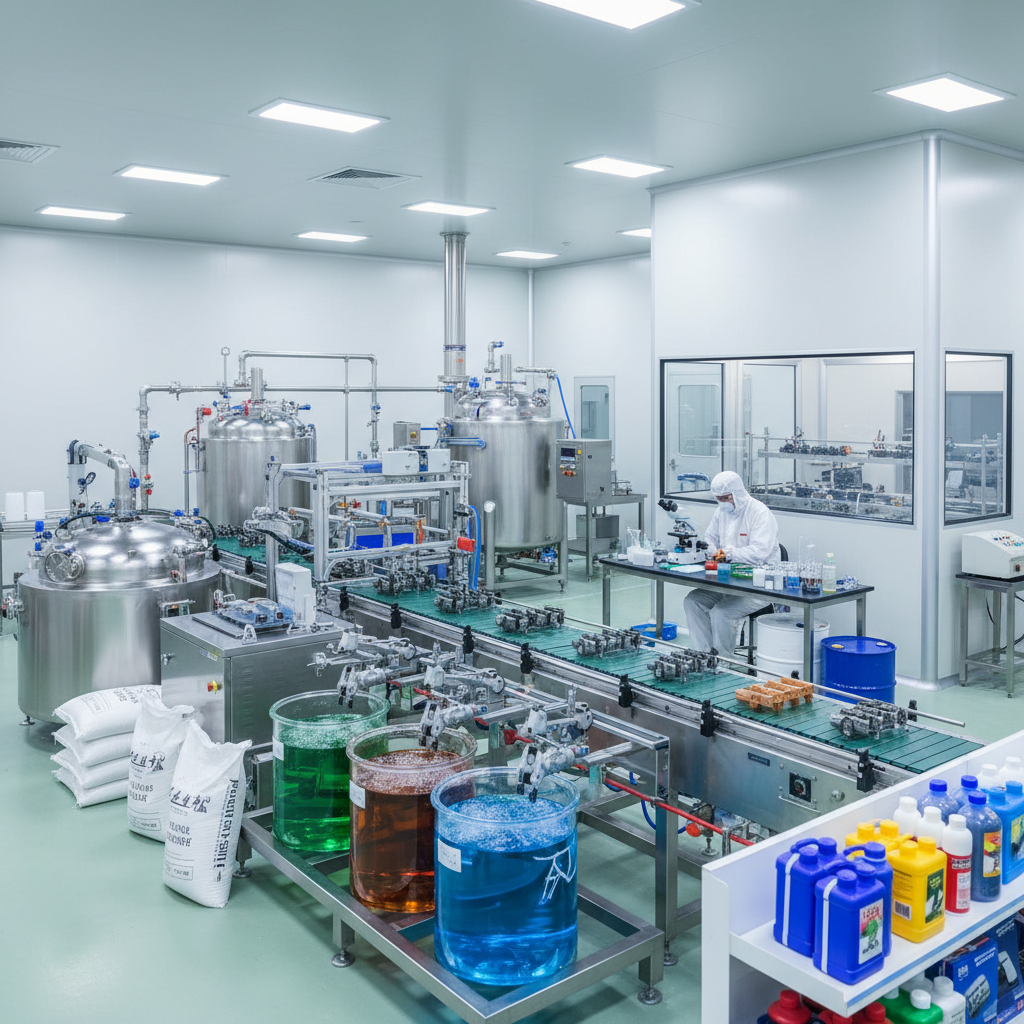
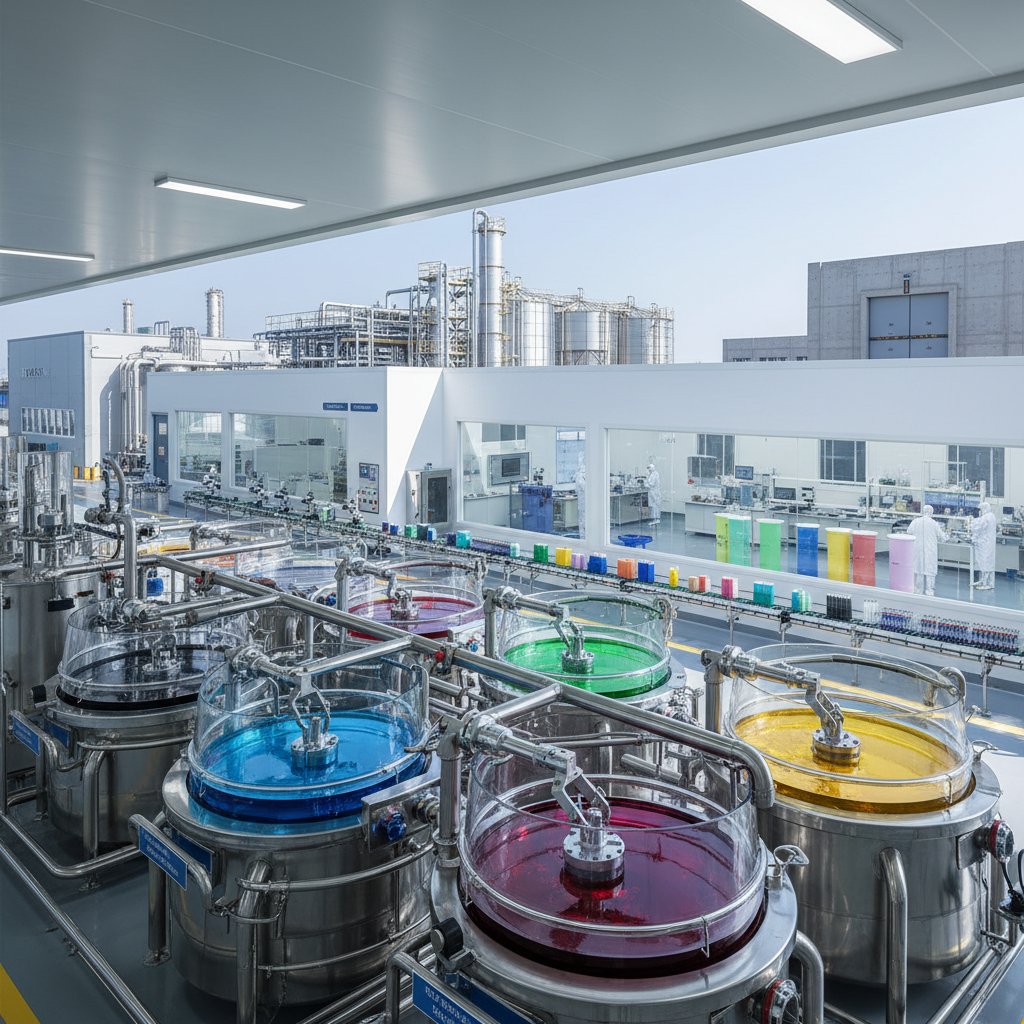
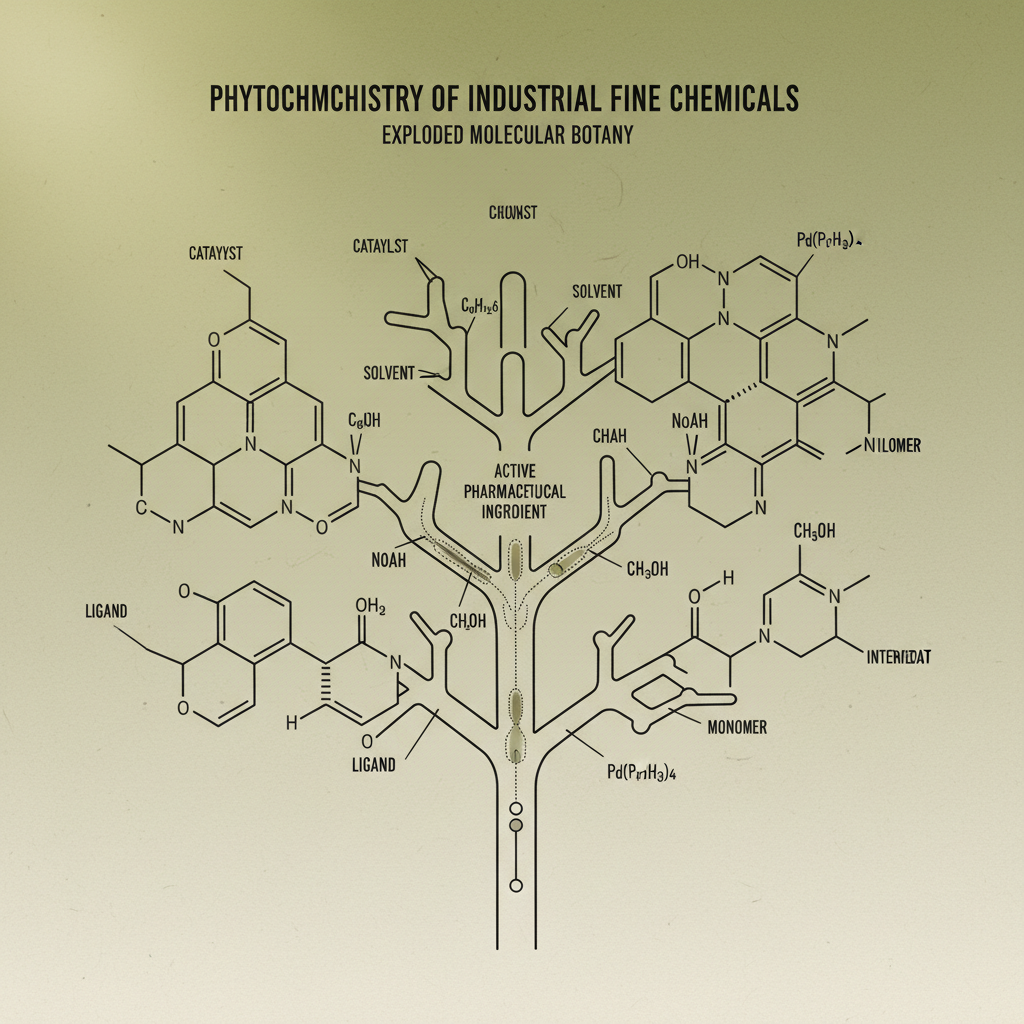
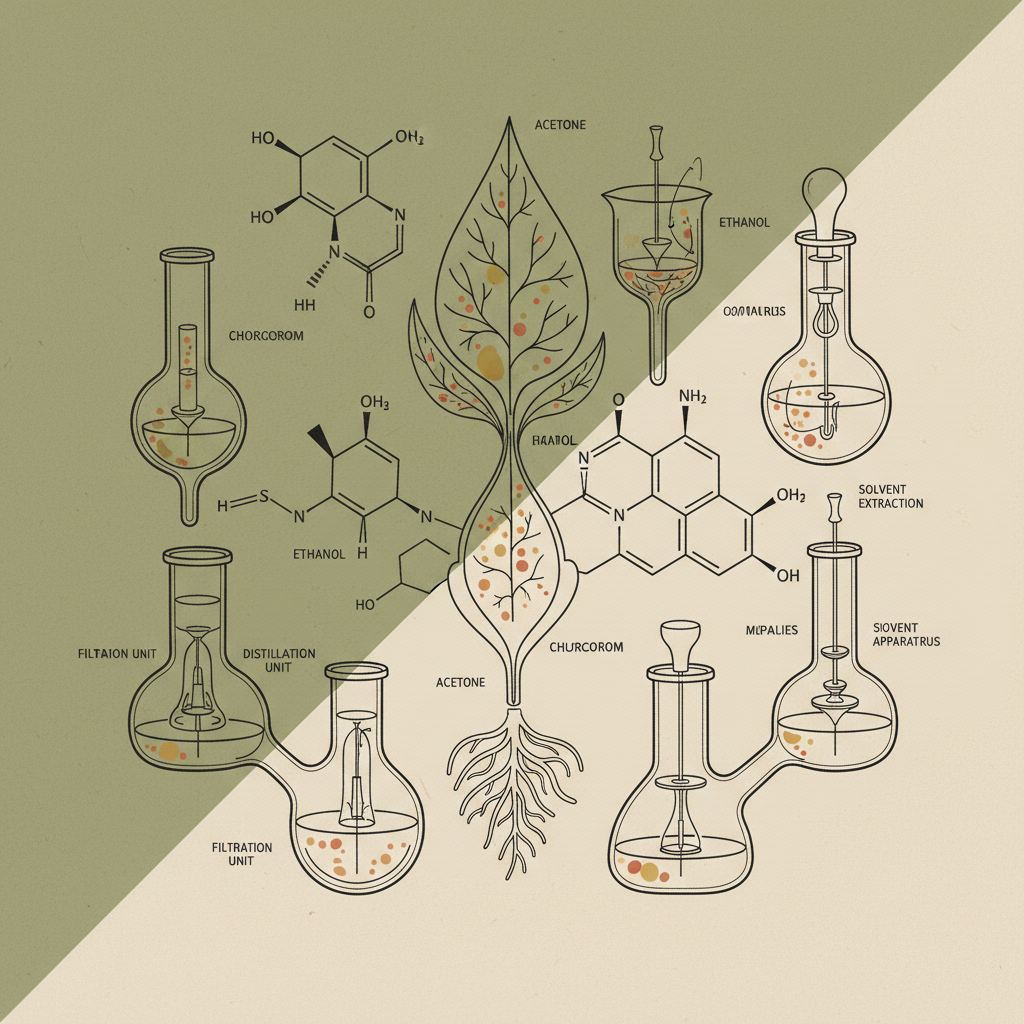
The global fine chemicals factory industry is a cornerstone of modern manufacturing, providing specialized chemical compounds essential for a vast range of sectors including pharmaceuticals, agrochemicals, and specialty polymers. These aren’t commodity chemicals produced in large volumes; instead, fine chemicals are manufactured in relatively small quantities, demanding high purity, precise specifications, and sophisticated production processes. Understanding the complexities of this industry – from regulatory compliance to advanced synthesis techniques – is crucial for businesses and researchers alike.
The demand for fine chemicals continues to grow, driven by innovation in life sciences, increasing consumer demand for high-performance materials, and stricter environmental regulations pushing for greener chemical solutions. This growth presents significant opportunities for specialized fine chemicals factory operations, but also challenges related to supply chain resilience, intellectual property protection, and sustainable manufacturing practices. A strong grasp of the sector’s dynamics is vital for navigating this landscape successfully.
Investing in robust fine chemicals factory infrastructure and skilled personnel is no longer simply a business decision; it’s a strategic imperative for nations seeking to maintain competitiveness in key technological fields and secure reliable access to critical chemical building blocks. The industry’s impact extends far beyond the laboratory, influencing public health, agricultural productivity, and the development of sustainable technologies.
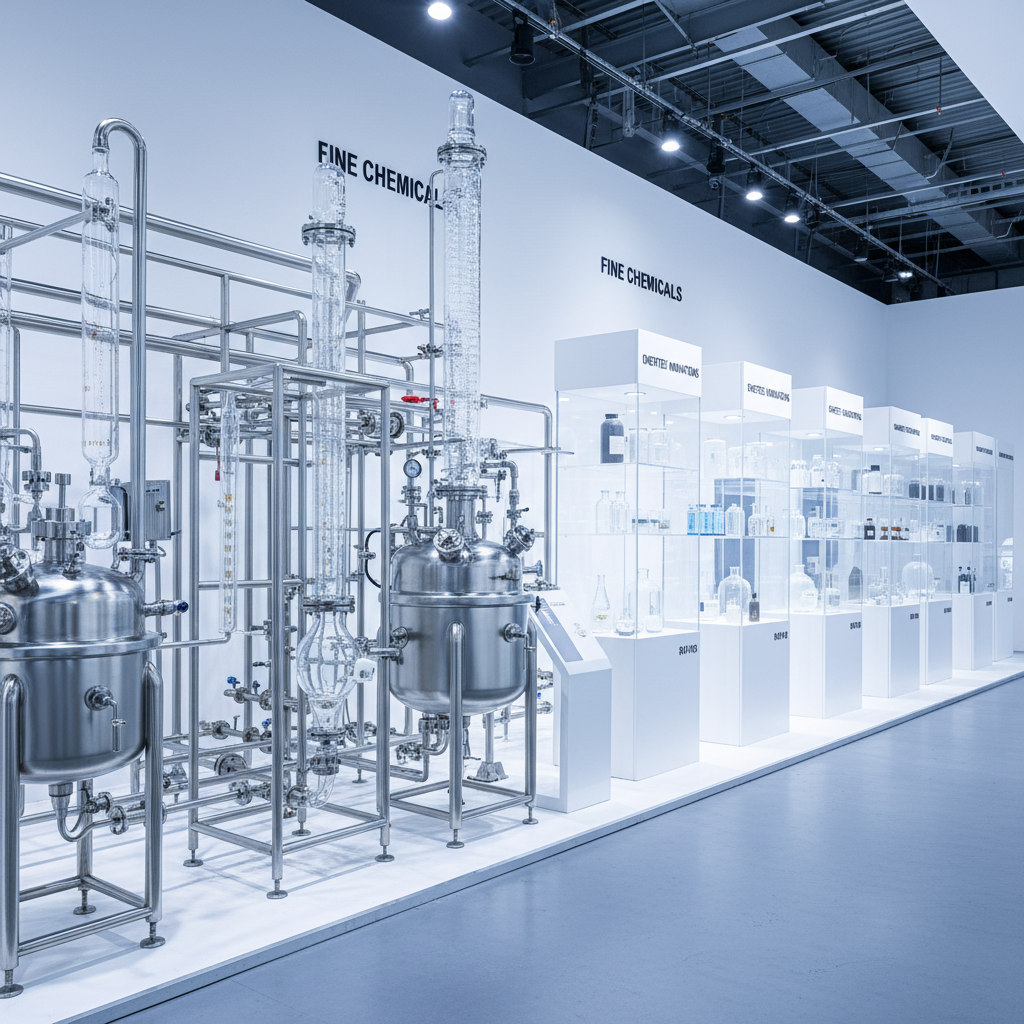
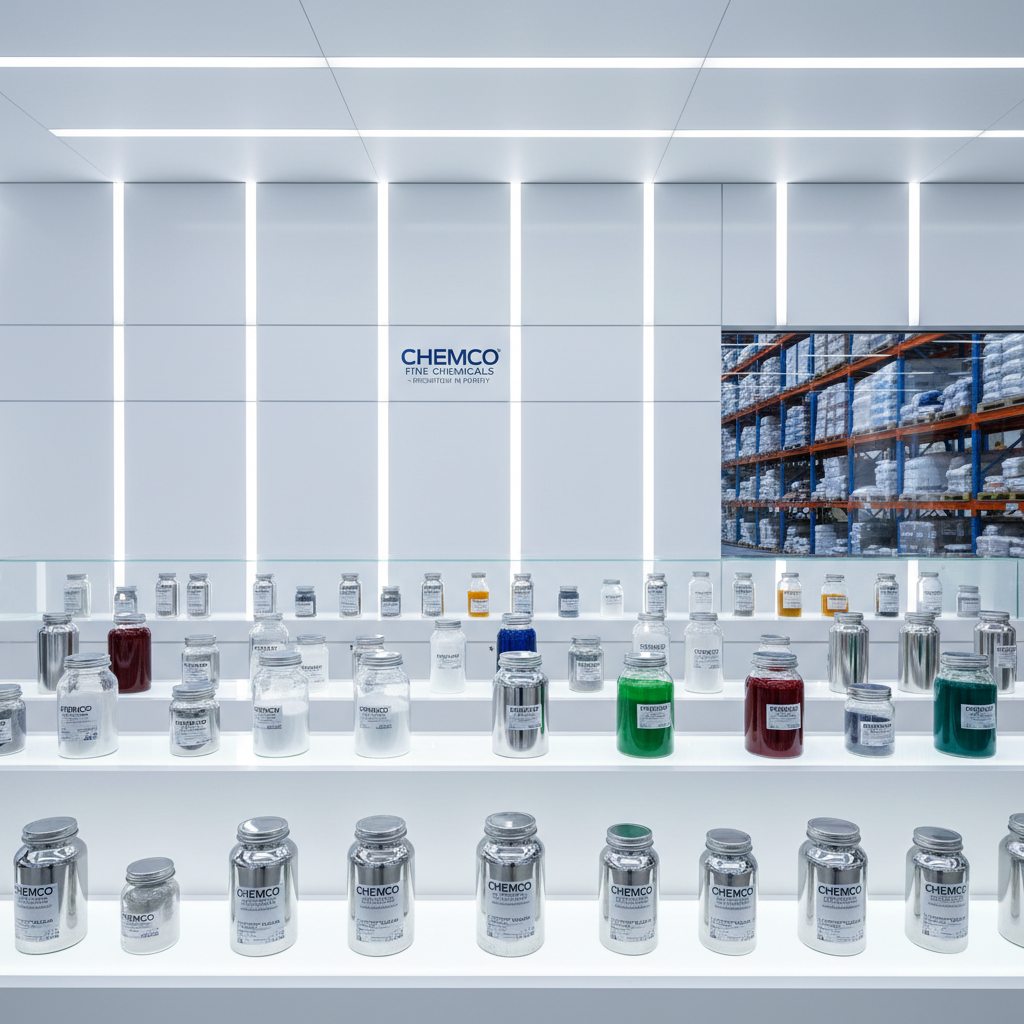
The fine chemicals factory sector is a multi-billion dollar industry, with a significant portion of production concentrated in Asia, particularly China and India. According to data from the UN Comtrade database, global exports of organic chemicals – a key category encompassing many fine chemicals – exceeded $350 billion in 2022. This represents a critical component of the global chemical supply chain, impacting virtually every manufacturing process.
A major challenge facing the industry is ensuring supply chain security and mitigating geopolitical risks. Recent disruptions – including the COVID-19 pandemic and ongoing trade tensions – have highlighted the vulnerability of relying on single-source suppliers. Investing in geographically diverse and resilient fine chemicals factory networks is becoming increasingly important for businesses seeking to minimize disruptions and maintain continuity of operations.
Establishing a fine chemicals factory involves navigating a complex landscape of regulations, including environmental permits, safety standards (like OSHA), and quality control requirements (like GMP for pharmaceuticals). Compliance with these regulations can be time-consuming and costly, requiring specialized expertise and meticulous documentation. It’s vital to engage with regulatory agencies early in the planning process to ensure alignment and avoid delays. Adherence to ISO standards is also frequently a requirement for international trade.
Maintaining product quality and purity is paramount in fine chemical manufacturing. This is achieved through a multi-faceted approach encompassing rigorous raw material testing, in-process controls, and final product analysis using sophisticated analytical techniques like HPLC, GC-MS, and NMR. A robust quality management system (QMS), adhering to standards like ISO 9001, is essential, along with meticulous record-keeping and traceability throughout the production process.
The lead time for constructing a new fine chemicals factory can vary significantly depending on its size, complexity, and location. Typically, it ranges from 18 to 36 months, encompassing site selection, permitting, design, construction, equipment installation, and validation. Delays can occur due to permitting issues, supply chain disruptions, or unexpected site conditions. Careful planning and proactive risk management are crucial for minimizing lead times.
The major cost drivers in operating a fine chemicals factory include raw material costs, energy consumption, labor expenses (particularly for skilled chemists and engineers), waste disposal fees, and regulatory compliance costs. Optimizing process efficiency, implementing energy-saving measures, and investing in automation can help mitigate these costs. Effective waste management strategies and responsible sourcing of raw materials are also essential for controlling operating expenses.
Sustainability is increasingly important in fine chemicals manufacturing, driven by environmental regulations, consumer demand for greener products, and corporate social responsibility initiatives. Implementing green chemistry principles, reducing waste generation, minimizing energy consumption, and utilizing renewable resources are all crucial aspects of sustainable manufacturing. Companies that prioritize sustainability can gain a competitive advantage and attract environmentally conscious customers.
Digitalization is transforming fine chemical manufacturing by enabling real-time process monitoring, data-driven optimization, and improved decision-making. Technologies like process analytical technology (PAT), advanced process control (APC), and machine learning algorithms can be used to optimize reaction conditions, reduce waste, and improve product quality. Digitalization also facilitates better supply chain management, predictive maintenance, and remote monitoring of operations.
The fine chemicals factory industry is a vital component of the global economy, driving innovation in numerous sectors. Its core strengths lie in its ability to produce highly specialized chemical compounds with exceptional purity and precision, supporting advancements in pharmaceuticals, agriculture, and materials science. Successfully navigating the challenges of regulatory compliance, supply chain resilience, and sustainable manufacturing is crucial for ensuring the industry’s long-term viability.
Looking ahead, the future of fine chemicals factory will be shaped by the adoption of cutting-edge technologies like AI, flow chemistry, and digitalization, coupled with a steadfast commitment to green chemistry principles. Investing in research and development, fostering collaboration between industry and academia, and prioritizing sustainability are key to unlocking the full potential of this dynamic and essential sector. To learn more about our commitment to quality and innovation in fine chemical manufacturing, visit our website: www.moneidechem.com


Moneide Chemicals