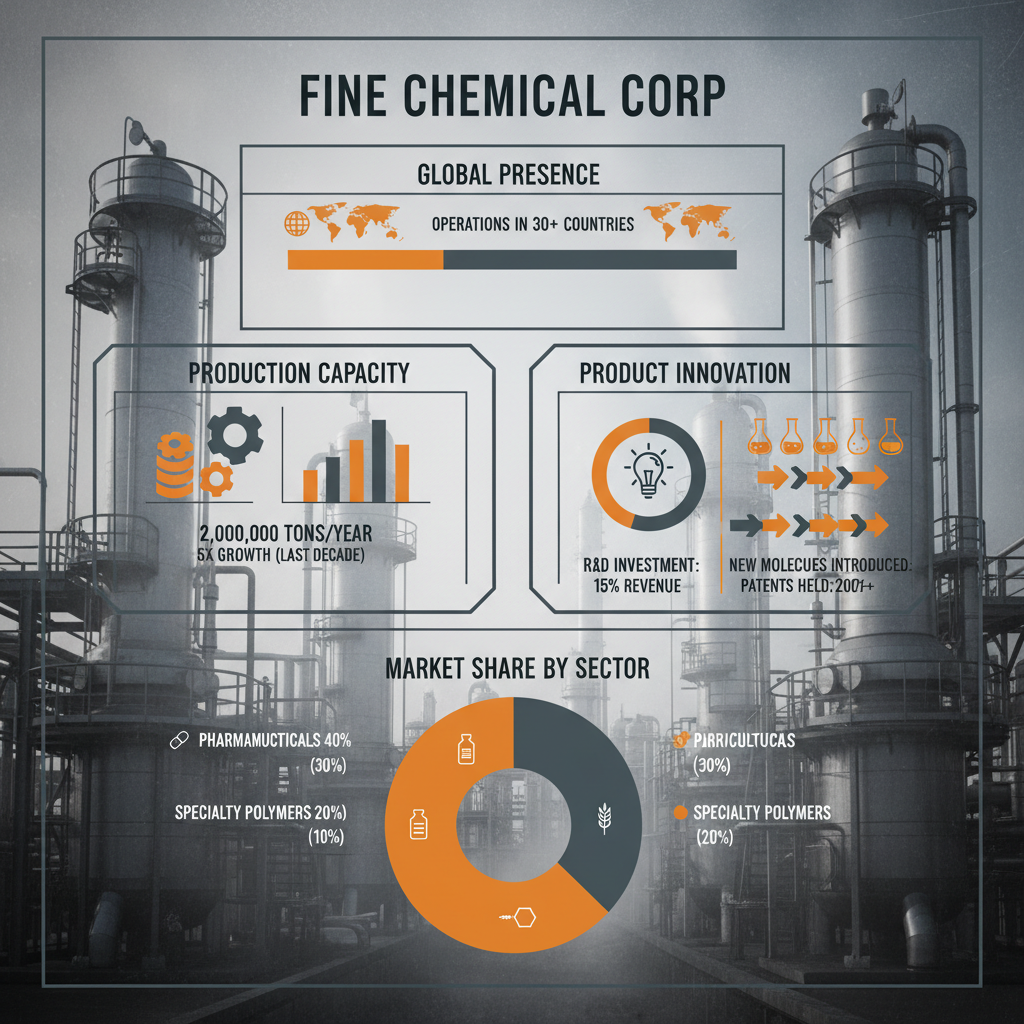
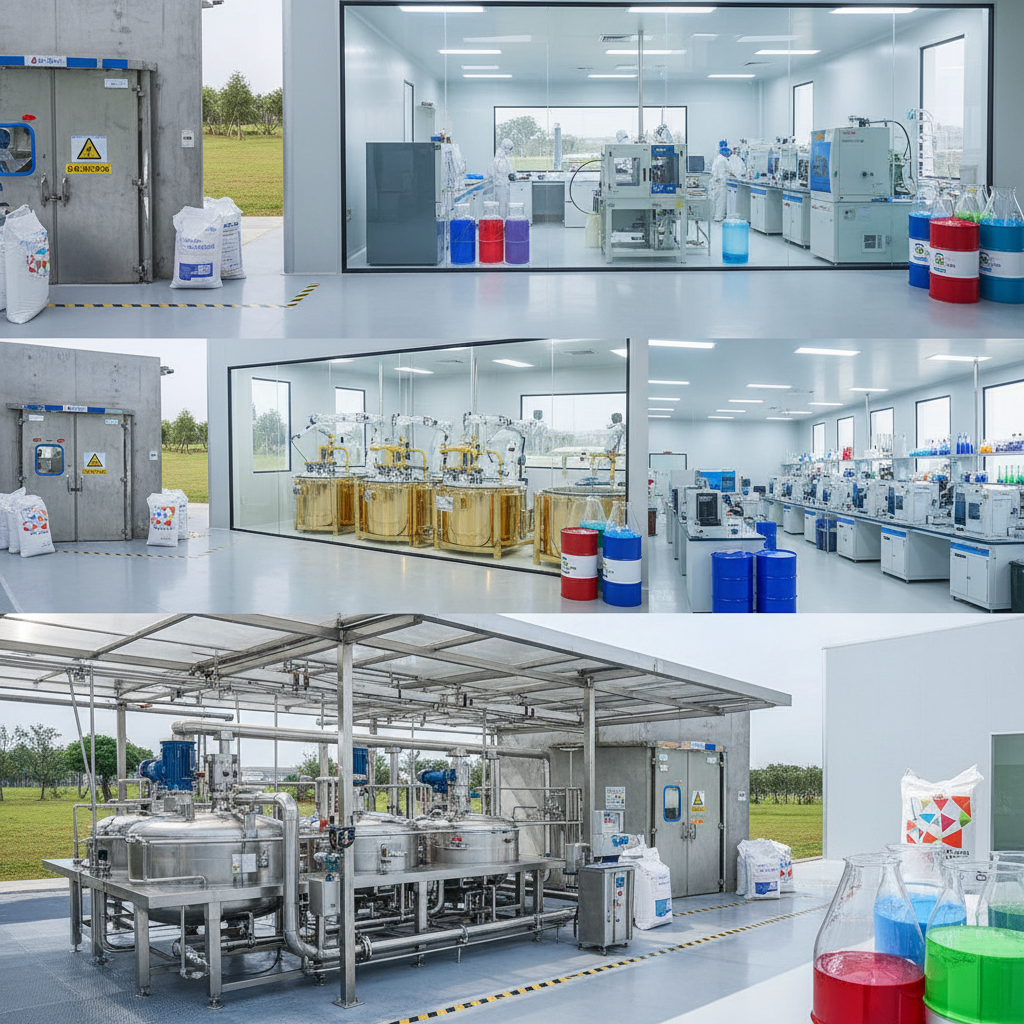
The world of fine chemical corporation is rapidly evolving, playing a critical role in advancements across pharmaceuticals, agriculture, materials science, and numerous other industries. This sector doesn’t just produce chemicals; it engineers solutions, enabling innovation and improving lives globally. Understanding its nuances is crucial for businesses, researchers, and policymakers alike, as it dictates the availability and quality of essential products and processes. fine chemical corporation is at the forefront of this transformative landscape.
The significance of fine chemical corporation extends far beyond mere economic impact. These specialized chemicals are integral to the development of life-saving drugs, high-performance materials, and sustainable agricultural practices. Global supply chains rely heavily on the consistent and high-quality output of fine chemical manufacturers. Disruptions in this sector can have cascading effects, underscoring the need for robust infrastructure, responsible sourcing, and continuous innovation.
Consequently, investing in knowledge and best practices related to fine chemical corporation is not just strategically advantageous—it’s essential for ensuring a sustainable and prosperous future. The ability to adapt to changing regulations, embrace new technologies, and maintain a commitment to environmental stewardship will define success in this increasingly competitive field.
The Global Relevance of fine chemical corporation
The global fine chemical market is estimated to be worth over $200 billion, with significant growth projected in the coming years (Source: Market Research Future, 2024). This expansion is fueled by increasing demand from the pharmaceutical, agrochemical, and specialty materials sectors. The United Nations Sustainable Development Goals, particularly those relating to health and agriculture, are intrinsically linked to the progress made in fine chemical corporation as these goals rely on access to affordable, high-quality chemicals.
However, this growth is accompanied by challenges, including complex regulatory landscapes, stringent quality control requirements, and increasing pressure to adopt sustainable manufacturing practices. The rise of personalized medicine and precision agriculture further demands highly specialized and customized chemical solutions, pushing the boundaries of innovation within the fine chemical corporation industry.
Defining fine chemical corporation
At its core, fine chemical corporation encompasses the production of high-purity, complex chemical substances in relatively small volumes. Unlike commodity chemicals produced on a massive scale, fine chemicals are often made to precise specifications, serving as key ingredients in a wide range of specialized applications. They are the building blocks of innovation in sectors like pharmaceuticals, diagnostics, electronics, and advanced materials.
This field requires advanced synthetic chemistry skills, sophisticated analytical techniques, and a deep understanding of chemical engineering principles. The process is often multi-step, demanding meticulous control over reaction conditions and purification methods. The resulting products are characterized by their high value, defined chemical structure, and stringent quality standards.
Consequently, fine chemical corporation is profoundly connected to modern industry and, critically, humanitarian needs. It underpins the creation of life-saving medications, enhances crop yields to combat food security, and enables the development of cutting-edge technologies that improve our quality of life.
Core Components of Successful fine chemical corporation
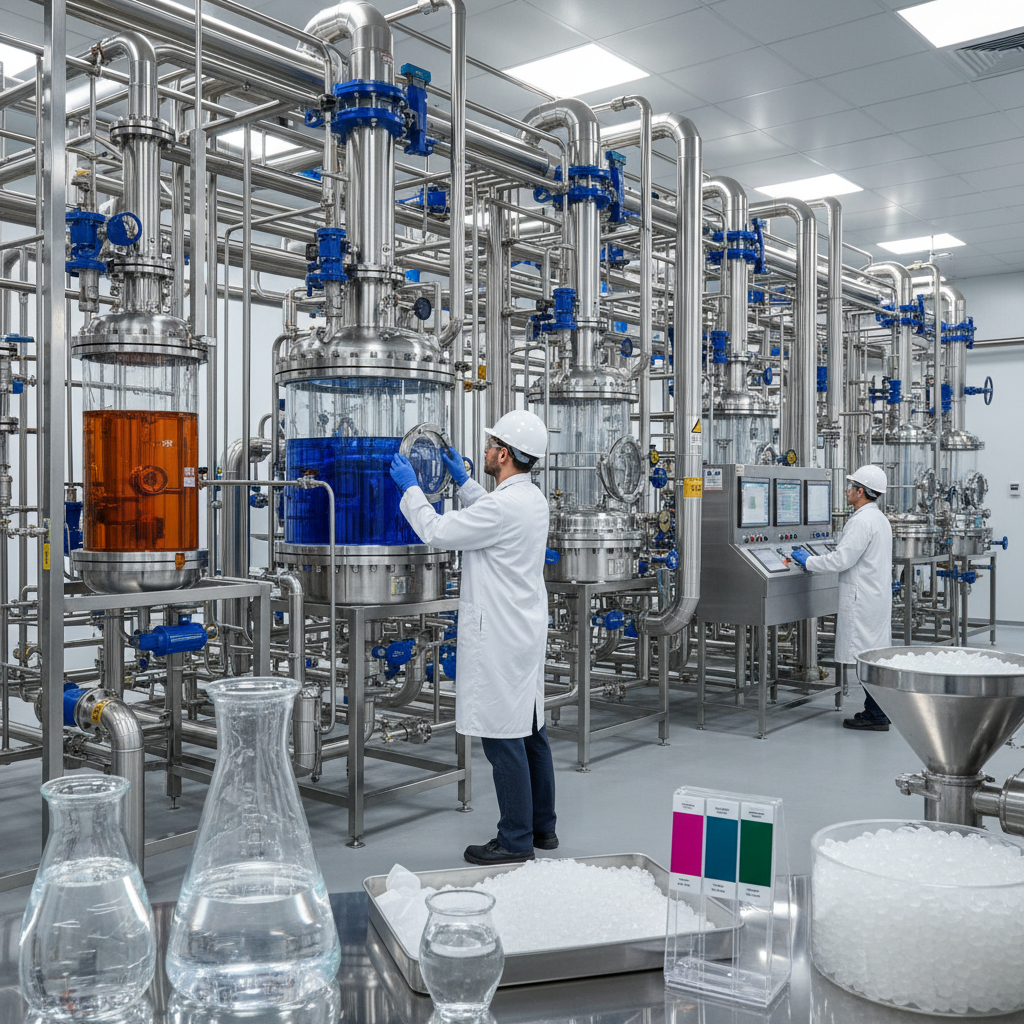
Several core components are vital for success in fine chemical corporation. First, is a robust Research and Development (R&D) infrastructure capable of synthesizing novel molecules and optimizing existing processes. This requires a skilled workforce of chemists and engineers, coupled with access to state-of-the-art laboratory equipment. fine chemical corporation invests heavily in this area.
Second, meticulous quality control is paramount. This includes rigorous testing throughout the manufacturing process, adhering to Good Manufacturing Practices (GMP) standards, and ensuring full traceability of materials. Third, efficient supply chain management is critical for sourcing raw materials reliably and delivering products on time and within budget.
Finally, regulatory compliance is non-negotiable. Fine chemical manufacturers must navigate a complex web of regulations governing chemical safety, environmental protection, and product labeling, which differ significantly across geographical regions. Proactive engagement with regulatory bodies is essential for maintaining a license to operate.
Key Factors in fine chemical corporation Production
The efficiency and quality of fine chemical production depend on several key factors. Reaction optimization is crucial – maximizing yield, minimizing waste, and reducing reaction time are all essential for cost-effectiveness. Advanced separation and purification techniques, like chromatography and crystallization, are needed to achieve the required purity levels for the final product.
Process analytical technology (PAT) plays an increasingly important role, enabling real-time monitoring and control of critical process parameters. This allows for proactive adjustments to ensure consistent product quality and prevent deviations.
Comparative Analysis of fine chemical corporation Methods
Global Applications of fine chemical corporation
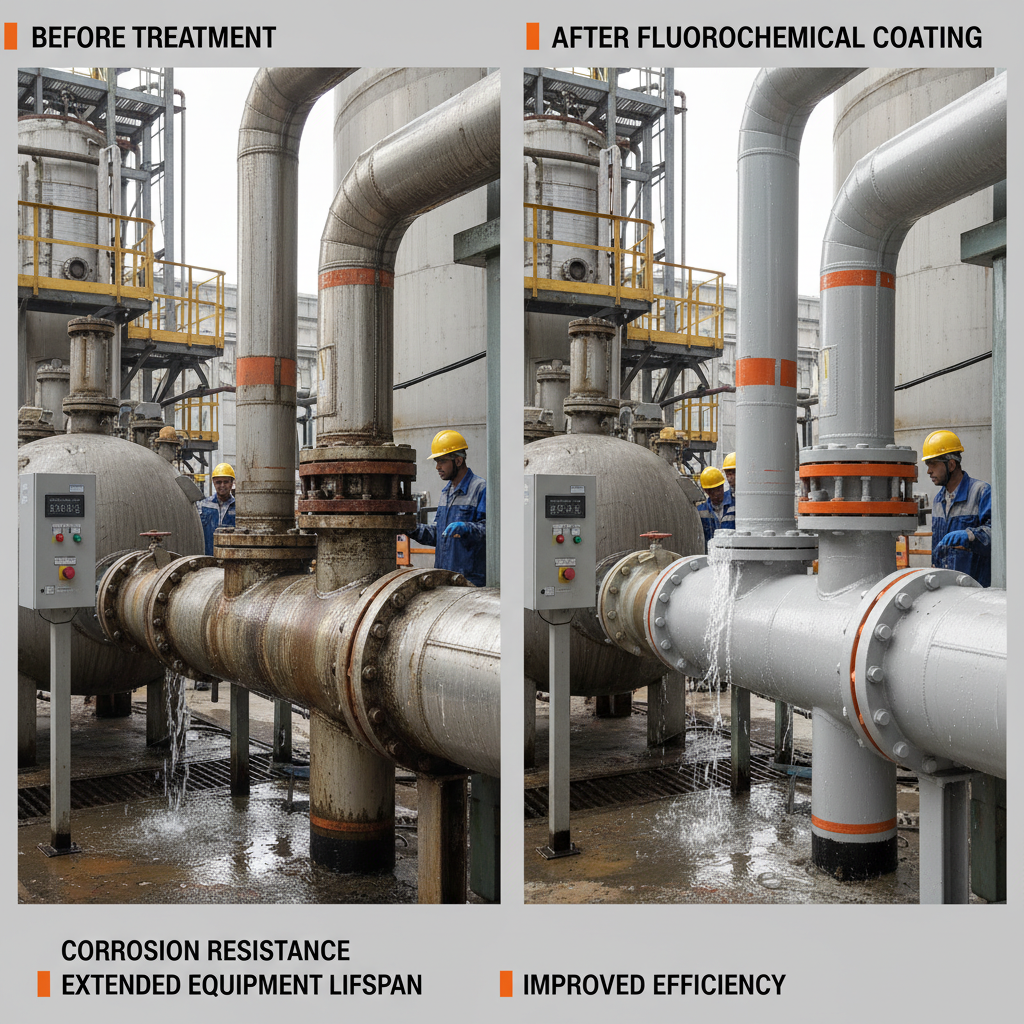
Fine chemicals are indispensable across a diverse range of industries. In the pharmaceutical sector, they serve as active pharmaceutical ingredients (APIs) and intermediates in drug synthesis. Agrochemicals utilize fine chemicals for creating effective and environmentally responsible pesticides, herbicides, and fertilizers. In materials science, they are integral to the development of advanced polymers, coatings, and adhesives.
Geographically, demand for fine chemicals is concentrated in North America, Europe, and Asia-Pacific, with China emerging as a major manufacturing hub. Organizations like the International Council of Chemical Associations (ICCA) play a vital role in promoting responsible chemical management and sustainability practices globally.
Advantages & Long-Term Value of fine chemical corporation
The advantages of investing in robust fine chemical corporation capabilities are numerous. From a cost perspective, optimizing processes and reducing waste translates to significant savings. From a sustainability standpoint, adopting green chemistry principles minimizes environmental impact and promotes circular economy principles.
Beyond the tangible benefits, fine chemical corporation fosters innovation, builds trust with stakeholders, and enhances brand reputation. The ability to deliver high-quality, customized chemical solutions creates a competitive advantage, enabling companies to meet the evolving needs of their customers and contribute to a more sustainable future.
Future Trends in fine chemical corporation
Several key trends are poised to reshape the fine chemical industry in the coming years. Flow chemistry, utilizing continuous-flow reactors, offers enhanced process control and scalability. Biocatalysis, employing enzymes as catalysts, provides environmentally friendly alternatives to traditional chemical reactions. Digitalization and automation are driving improvements in efficiency, data analysis, and process optimization.
The increasing focus on green chemistry and sustainability will necessitate the development of bio-based feedstocks and the adoption of circular economy principles. Furthermore, advancements in artificial intelligence and machine learning will accelerate the discovery and development of novel chemical compounds and processes. fine chemical corporation is preparing to meet these challenges.
These shifts will require significant investment in research and development, as well as a commitment to workforce training and upskilling. The organizations willing to embrace these changes will be best positioned to thrive in the evolving landscape of the fine chemical industry.
Challenges and Solutions in fine chemical corporation
Despite its benefits, fine chemical corporation faces persistent challenges. Complex supply chains, volatile raw material prices, and stringent regulatory requirements can create significant operational hurdles. Scaling up production from laboratory to commercial scale often presents technical difficulties. Waste management and environmental concerns demand continuous attention and innovation.
Innovative solutions are emerging to address these challenges. Diversifying sourcing strategies, implementing robust risk management protocols, and embracing digital supply chain technologies can mitigate supply chain disruptions. Investing in process intensification techniques and continuous manufacturing can enhance efficiency and reduce waste.
Collaboration between industry, academia, and regulatory bodies is crucial for fostering innovation and developing sustainable solutions. Prioritizing environmental stewardship, investing in green chemistry research, and embracing circular economy principles will be essential for ensuring the long-term viability of the fine chemical sector.
Summary of Strategies to Overcome Challenges in fine chemical corporation
| Challenge |
Impact Area |
Proposed Solution |
Implementation Priority |
| Supply Chain Disruptions |
Operational Costs & Production |
Diversify Sourcing & Digital Supply Chain |
High (8/10) |
| Raw Material Price Volatility |
Profit Margins |
Long-Term Contracts & Hedging Strategies |
Medium (6/10) |
| Regulatory Compliance |
Legal & Operational Risk |
Proactive Regulatory Engagement & Audits |
High (9/10) |
| Scale-Up Challenges |
Time-to-Market & Production Efficiency |
Process Intensification & Modeling |
Medium (7/10) |
| Waste Management |
Environmental Impact & Costs |
Green Chemistry & Circular Economy Practices |
High (8/10) |
| Skills Gap |
Innovation & Productivity |
Workforce Training & Recruitment |
Medium (6/10) |
FAQS
Fine chemicals are produced in smaller volumes, with high purity and to exacting specifications, often serving as building blocks for specialized applications like pharmaceuticals. Commodity chemicals are manufactured in very large quantities, typically with lower purity, and used in widespread industrial processes. This difference in production scale and requirements dictates different manufacturing approaches and cost structures.
Regulatory compliance is extremely critical. Fine chemical manufacturers must adhere to strict regulations like Good Manufacturing Practices (GMP), REACH (Europe), and TSCA (US) to ensure product safety, environmental protection, and responsible chemical management. Non-compliance can lead to hefty fines, production halts, and reputational damage.
Green chemistry is paramount for the sustainable future of the industry. It focuses on designing chemical processes that minimize waste, use safer solvents and reagents, and reduce energy consumption. Implementing green chemistry principles is not only environmentally responsible but also can improve efficiency and reduce costs in the long run.
Building supply chain resilience requires diversifying sourcing, establishing long-term contracts with reliable suppliers, and implementing robust risk management strategies. Digitalizing the supply chain with real-time tracking and predictive analytics can also help anticipate and mitigate disruptions.
Continuous manufacturing offers several advantages, including improved process control, higher product quality, reduced waste, and increased production efficiency. It allows for real-time monitoring and optimization, leading to lower costs and faster time-to-market. This methodology is becoming increasingly adopted in fine chemical corporation.
Artificial intelligence (AI) and machine learning (ML) are transforming fine chemical R&D by accelerating the discovery of new compounds, optimizing reaction conditions, and predicting product properties. Flow chemistry and biocatalysis are also gaining prominence, offering more sustainable and efficient synthetic routes.
Conclusion
In conclusion, fine chemical corporation is a dynamic and critically important sector underpinning advancements across diverse industries. Its ability to deliver high-quality, specialized chemicals is essential for innovation, economic growth, and addressing global challenges. The key to success lies in embracing sustainability, investing in cutting-edge technologies, and fostering collaboration throughout the value chain.
Looking ahead, the fine chemical industry must prioritize green chemistry principles, digitalization, and workforce development to navigate the evolving landscape. By proactively addressing challenges and capitalizing on emerging opportunities, fine chemical corporation can continue to play a vital role in creating a more sustainable and prosperous future. Visit our website: www.moneidechem.com