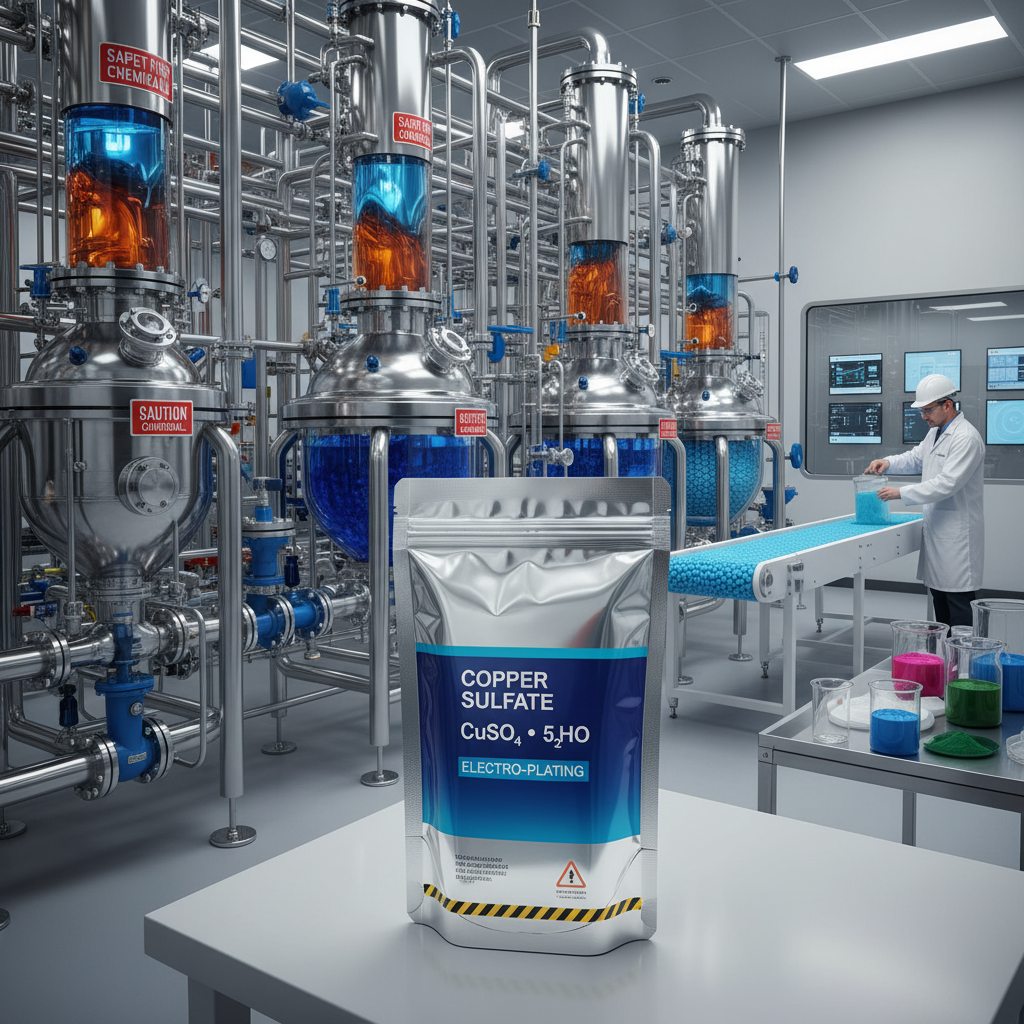
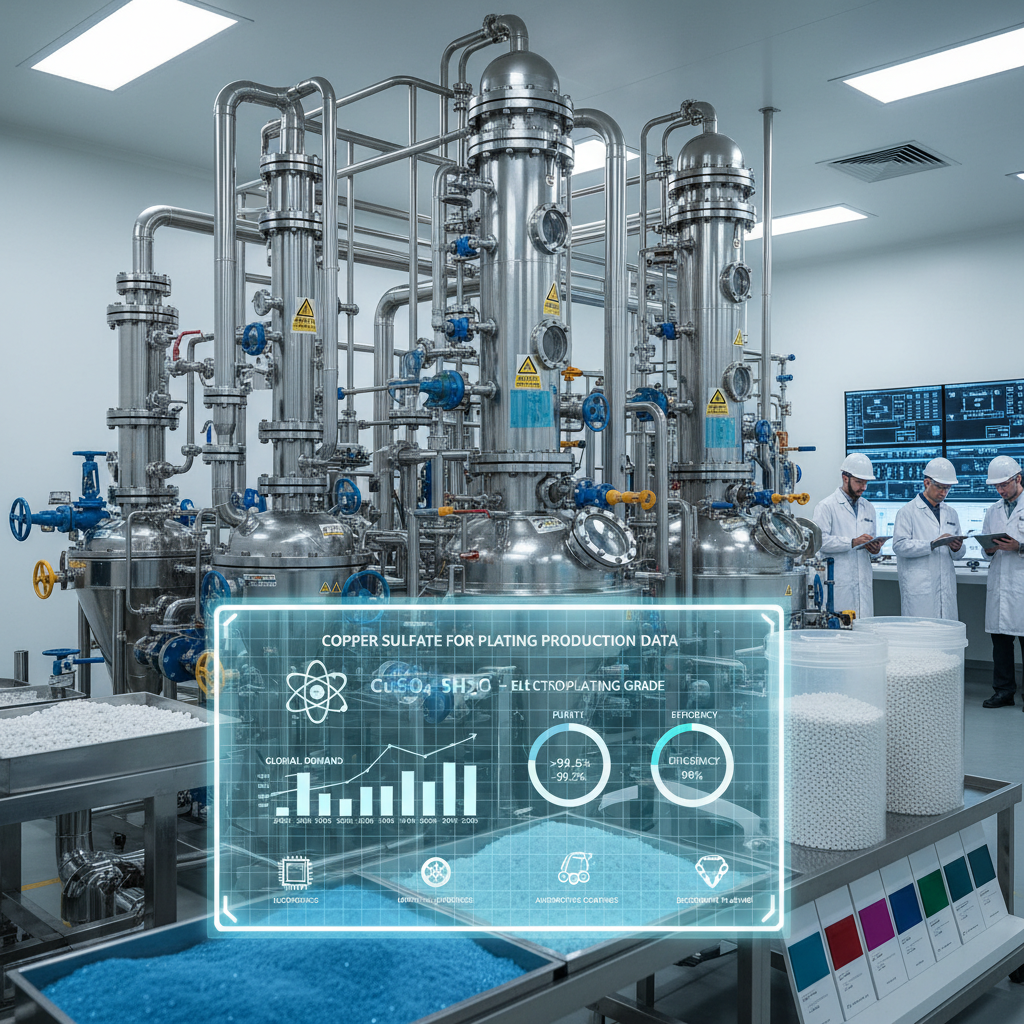
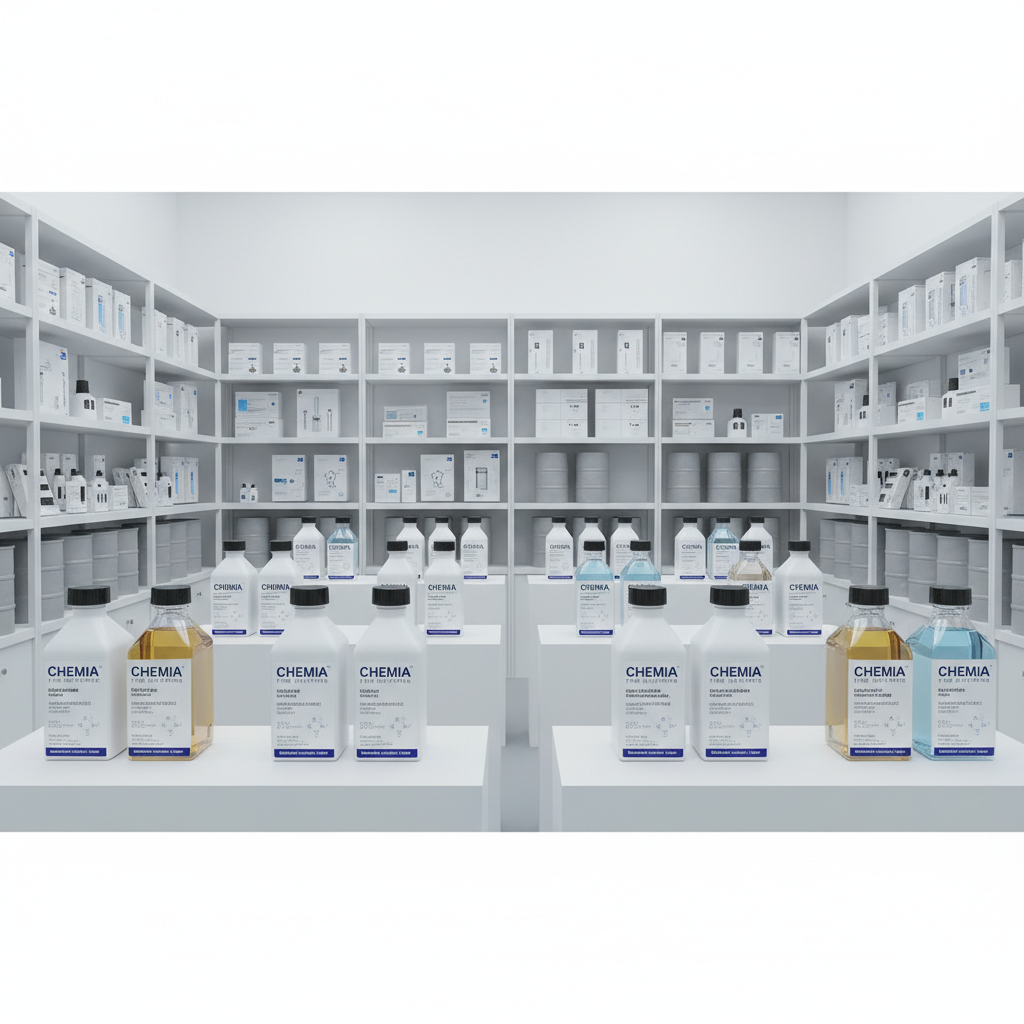
In the sophisticated world of surface finishing, copper sulfate for plating serves as the fundamental electrolyte that enables the precise deposition of copper onto various substrates. This chemical compound is not merely a raw material but the engine that drives conductivity and aesthetics in everything from high-end electronics to decorative automotive parts. By providing a stable source of copper ions, it ensures a uniform coating that protects underlying metals from corrosion while providing a perfect base for subsequent plating layers.
Globally, the demand for high-purity copper sulfate has surged alongside the proliferation of the semiconductor and EV battery industries. As electronic components shrink in size but grow in complexity, the requirement for ultra-fine, void-free copper deposits becomes critical. The ability to control the purity and concentration of copper sulfate for plating directly impacts the reliability of printed circuit boards (PCBs) and the efficiency of electrical connectors, making it a cornerstone of modern technological infrastructure.
Understanding the nuances of this compound—from its crystalline structure to its interaction with organic brighteners—allows manufacturers to optimize their production lines for both quality and cost. Whether utilized in acid copper baths or specialized alloy plating, the correct grade of copper sulfate is essential for achieving the desired thickness and adhesion. For professionals in the chemical and manufacturing sectors, mastering the application of this electrolyte is the key to unlocking superior surface performance and long-term product durability.
Global Industrial Context of Copper Sulfate for Plating
The global electroplating market has seen a significant shift toward higher precision and environmental compliance, placing copper sulfate for plating at the center of this evolution. According to industry trends aligned with ISO quality standards, the move toward miniaturization in electronics has increased the demand for "electronic grade" copper sulfate, which requires strictly controlled impurity levels. This ensures that the resulting copper layers are free from contaminants that could cause electrical failure in micro-circuits.
Across major industrial hubs in Asia and North America, the challenge remains to balance high-speed deposition with crystalline integrity. Traditional plating methods often struggle with "burning" at the edges of complex geometries; however, by optimizing the purity of the copper sulfate used, manufacturers can achieve a more stable current distribution. This global drive for efficiency is pushing the industry toward smarter, more chemically pure solutions that reduce waste and increase first-pass yield.
Defining Copper Sulfate in Modern Electroplating
In simple technical terms, copper sulfate for plating is an inorganic salt, typically found as a pentahydrate ($\text{CuSO}_4 \cdot 5\text{H}_2\text{O}$), that dissociates in an aqueous solution to provide $\text{Cu}^{2+}$ ions. These ions are then reduced at the cathode—the part being plated—to form a solid, conductive layer of metallic copper. This process is the bedrock of the "acid copper" bath, the most widely used plating chemistry in the world today.
Beyond the chemistry, this material bridges the gap between raw metal and functional technology. In humanitarian and infrastructure projects, copper plating is used to protect critical components from oxidation in harsh environments, ensuring that power grids and communication lines remain operational for decades. It transforms a simple piece of steel or plastic into a highly conductive, corrosion-resistant component capable of withstanding extreme industrial stress.
The "plating grade" designation is what differentiates industrial-grade copper sulfate from laboratory or agricultural grades. Plating grade implies a rigorous removal of iron, arsenic, and lead, which would otherwise create pits or brittle spots in the copper deposit. For the modern manufacturer, this definition of purity is not just a specification but a guarantee of the mechanical and electrical integrity of the final product.
Key Performance Factors for Plating Quality
One of the primary factors when utilizing copper sulfate for plating is throwing power. This refers to the ability of the plating solution to deposit metal uniformly over an irregularly shaped object. High-purity copper sulfate, when combined with the right additives, ensures that recessed areas receive as much copper as protruding edges, eliminating the need for excessive manual polishing.
Another critical component is chemical stability and scalability. In large-scale industrial tanks, the concentration of copper sulfate for plating must remain constant to avoid fluctuations in plating thickness. Scalability involves the ability to maintain this equilibrium across thousands of gallons of electrolyte, requiring a product with consistent solubility and minimal sediment formation to prevent bath contamination.
Finally, cost efficiency and sustainability play a huge role. By using optimized copper sulfate concentrations, plants can reduce the amount of chemical waste produced and lower the energy required for the electrolysis process. This logical approach to chemistry reduces the overall cost per part while enhancing the environmental profile of the plating shop, aligning industrial output with modern ESG (Environmental, Social, and Governance) goals.
Global Applications and Industrial Use Cases
The application of copper sulfate for plating spans across diverse sectors, from the heart of Silicon Valley's chip fabrication to the automotive plants of Germany. In the electronics industry, it is indispensable for the "copper striking" process, where a thin layer of copper is applied to a substrate before the main plating occurs. This ensures a metallurgical bond that prevents the circuit traces from peeling off during thermal cycling.
In more rugged industrial zones, such as offshore oil rigs or remote mining facilities, copper plating is used for the protection of electrical contacts against salt-spray corrosion. For instance, specialized connectors used in deep-sea exploration equipment rely on the dense, non-porous layers provided by high-grade copper sulfate to maintain signal integrity under immense pressure and corrosive saline conditions.
Performance Metrics of Copper Sulfate for Plating Methods
Strategic Advantages and Long-Term Value
The tangible benefits of utilizing premium copper sulfate for plating extend far beyond the immediate surface finish. From a logical perspective, the high conductivity of the copper layer reduces energy loss in electrical systems, which is a critical advantage for the development of green energy infrastructure and high-efficiency power transformers. This leads to long-term operational savings and increased device lifespans.
On an emotional and trust-based level, the reliability of the plating process provides peace of mind for engineers and end-users. When a medical device or an aerospace component is plated with a high-purity process, it signifies a commitment to safety and precision. This trust is built on the foundation of chemical purity, ensuring that the final product does not fail in mission-critical situations, thereby elevating the brand reputation of the manufacturer.
Future Innovations in Copper Deposition Tech
The future of copper sulfate for plating is being reshaped by the digital transformation of the factory floor. "Industry 4.0" is introducing real-time sensor monitoring that can detect minute changes in copper ion concentration, allowing for automated dosing systems that maintain the bath at a perfect equilibrium. This reduction in human error leads to near-zero defect rates in high-volume production.
Furthermore, the drive toward sustainability is sparking innovations in "closed-loop" plating systems. These systems focus on recovering copper from rinse waters and regenerating the copper sulfate solution, significantly reducing the environmental footprint of the plating process. This shift not only complies with stricter global environmental policies but also lowers raw material costs over time.
We are also seeing the rise of nano-additive integration within copper sulfate baths. By adding nanoparticles to the electrolyte, researchers are achieving "super-filling" capabilities—the ability to fill deep, narrow vias in PCBs with absolute precision. This technological leap is essential for the next generation of 5G and 6G communication hardware, where space is at a premium and signal loss must be minimized.
Overcoming Technical Challenges in Plating
Despite its advantages, the use of copper sulfate for plating is not without challenges. One common issue is the formation of "nodules" or rough deposits, often caused by organic contamination or poor filtration. Expert insight suggests that implementing multi-stage carbon filtration and maintaining a strict temperature control regime can virtually eliminate these surface defects.
Another limitation is the inherent acidity of the copper sulfate bath, which can be aggressive toward certain base metals. To overcome this, the industry has developed "strike" layers—brief immersions in a different chemistry that create a conductive bridge. This allows for the successful plating of difficult substrates without risking the integrity of the base material or the purity of the main copper bath.
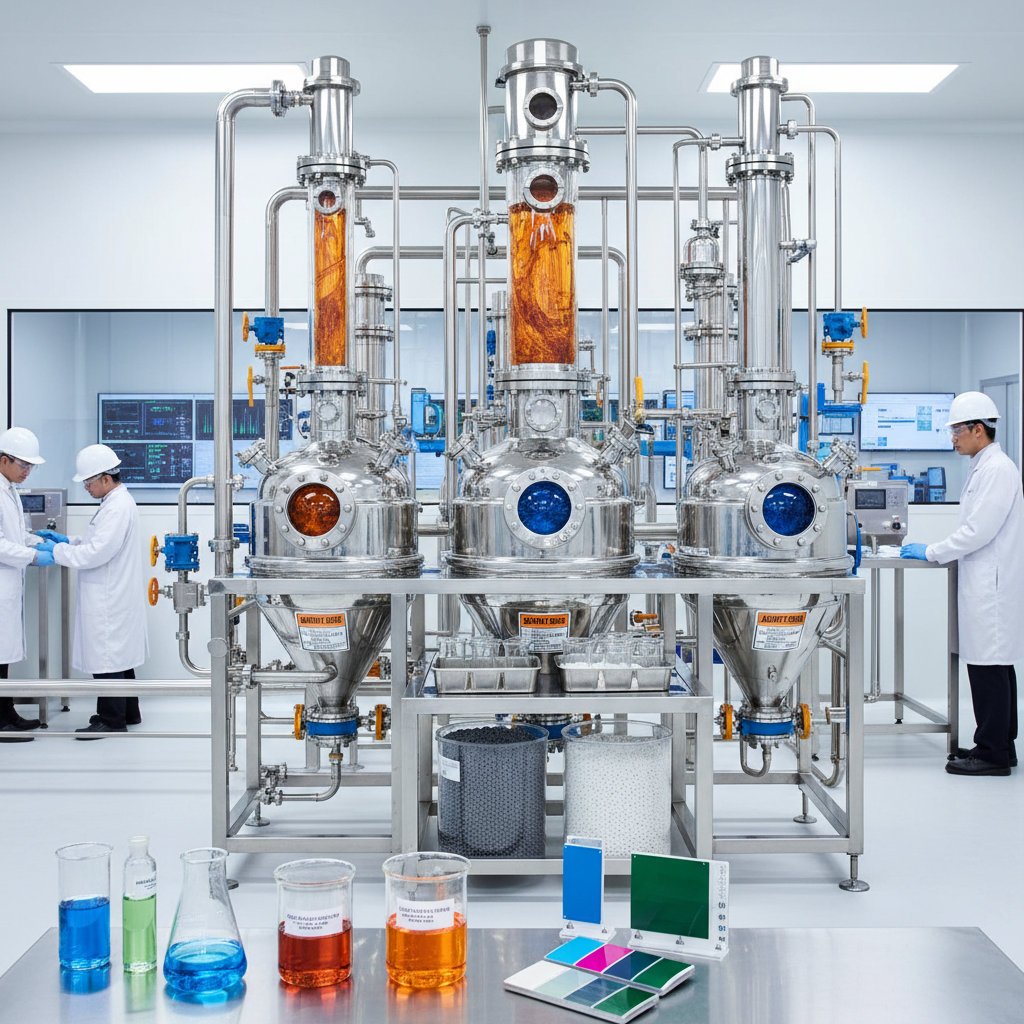
Finally, the management of plating waste remains a hurdle. Innovative approaches now include the use of ion-exchange resins to selectively remove impurities from the spent copper sulfate for plating solution. This allows the chemical to be reused multiple times, transforming a linear consumption model into a circular economy that benefits both the planet and the company's bottom line.
Analysis of Copper Sulfate Plating Solutions Across Different Industrial Requirements
| Industry Sector |
Purity Requirement |
Primary Objective |
Typical Performance Score |
| Semiconductors |
Ultra-High (Electronic Grade) |
Void-free micro-vias |
9.8/10 |
| Automotive Parts |
High Grade |
Corrosion Resistance |
8.5/10 |
| Consumer Electronics |
Standard Plating Grade |
Conductivity & Finish |
8.0/10 |
| Aerospace |
Ultra-High (Certified) |
Thermal Stability |
9.5/10 |
| Heavy Machinery |
Industrial Grade |
Wear Resistance |
7.2/10 |
| Renewable Energy |
High Grade |
Energy Efficiency |
8.9/10 |
FAQS
Plating grade copper sulfate for plating is refined to remove specific impurities like iron and lead, which can cause pitting or uneven deposition. Industrial grade may contain higher levels of these elements, making it suitable for agriculture or general chemicals, but unsuitable for high-precision electronics where a smooth, conductive surface is mandatory.
The purity of the copper sulfate directly impacts the crystal structure of the deposited copper. Higher purity leads to a more dense, uniform metallic lattice with fewer inclusions. This minimizes electron scattering, resulting in maximum electrical conductivity and lower resistance in the final plated component.
Yes, but it requires maintenance. Over time, impurities build up and organic additives break down. By using carbon filtration and adding fresh copper sulfate for plating to replenish the ion concentration, you can extend the life of the bath significantly, though periodic full replacements are recommended to maintain peak quality.
Burning usually occurs when the current density is too high for the available concentration of copper ions at the surface. If the copper sulfate for plating is depleted or if agitation is insufficient, the ions cannot reach the cathode fast enough, leading to dendritic growth and a rough, burnt appearance.
Copper is generally more sustainable than chromium or cyanide-based plating. However, the acid nature of the sulfate bath requires proper neutralization. Modern plants utilize ion-exchange and recovery systems to capture copper from waste streams, making it one of the most sustainable options for high-conductivity plating.
Copper sulfate should be stored in a cool, dry, and well-ventilated area in moisture-proof containers. Since it is hygroscopic, exposure to humidity can cause clumping and alter the weight-to-ion ratio, which can complicate the precise dosing required for professional copper sulfate for plating operations.
Conclusion
In summary, copper sulfate for plating is an indispensable catalyst for modern industrial progress, bridging the gap between raw materials and high-performance electronic and mechanical components. From ensuring the reliability of micro-circuitry to providing robust corrosion protection in harsh environments, its role is defined by a strict requirement for purity, stability, and precision. By integrating high-grade copper sulfate with innovative filtration and automated monitoring, manufacturers can achieve an optimal balance of quality, cost, and environmental responsibility.
Looking forward, the transition toward circular chemistry and "smart" plating baths will only increase the significance of sourcing the right chemical grades. We encourage manufacturers to audit their current electrolyte purity and explore closed-loop recovery systems to future-proof their operations against tightening environmental regulations. To secure a reliable supply of high-purity plating chemicals and optimize your surface finishing process, visit our website: www.moneidechem.com.