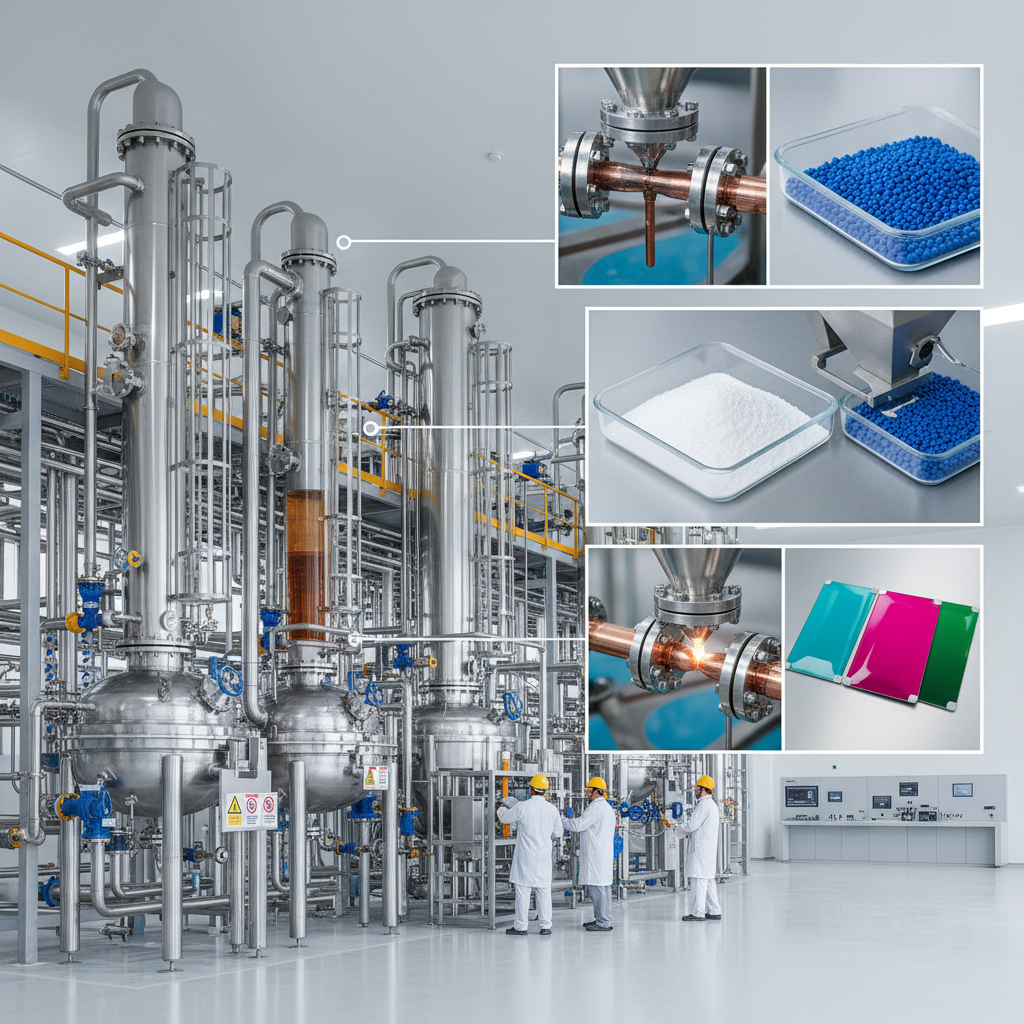
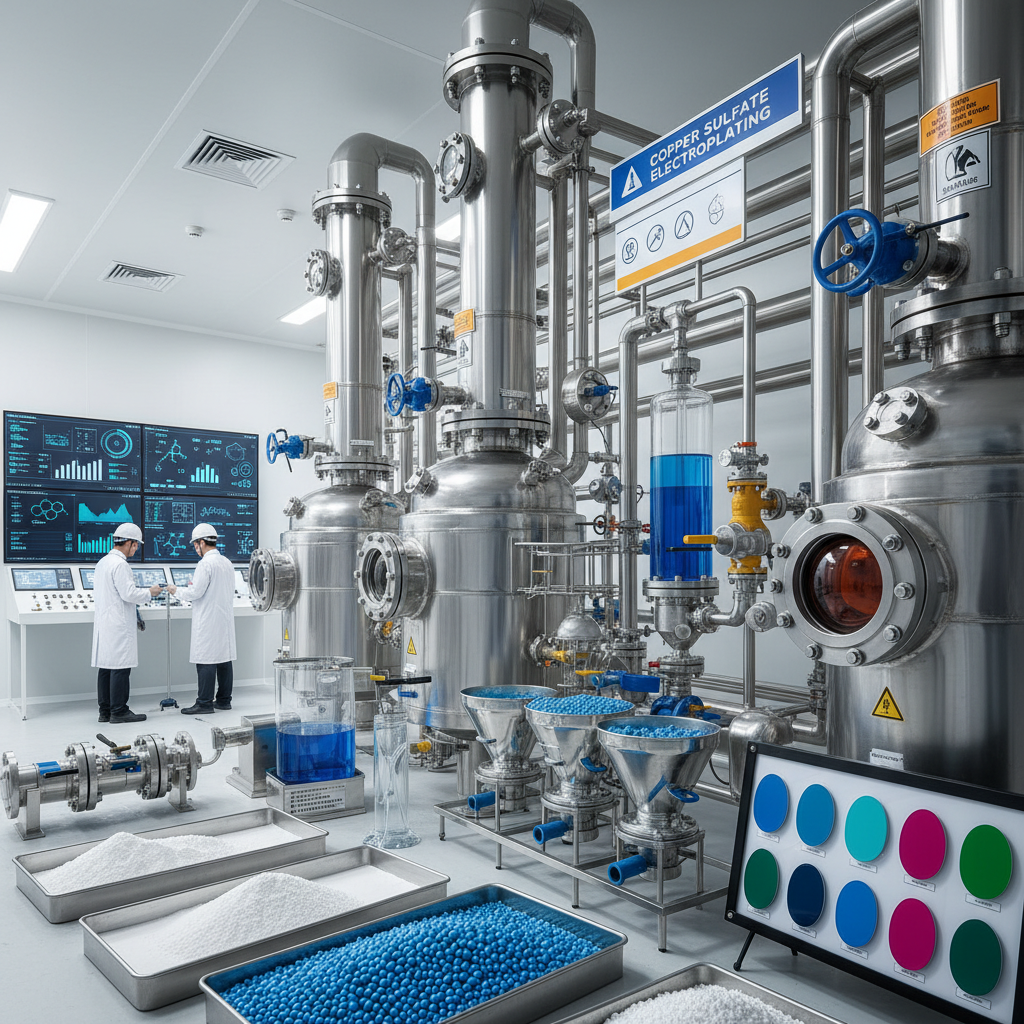
Copper sulfate electroplating stands as a cornerstone of modern surface engineering, providing a reliable method for depositing high-purity copper layers onto various substrates. This process is essential not only for enhancing electrical conductivity but also for providing a critical undercoat for subsequent plating layers, ensuring superior adhesion and corrosion resistance in a vast array of industrial components.
Globally, the demand for high-performance electronic interconnects and durable automotive parts has pushed the boundaries of copper sulfate electroplating. By optimizing the chemical balance of the electrolyte and the precision of the current density, manufacturers can achieve an exacting level of thickness and uniformity that is required for the next generation of semiconductors and sustainable energy storage systems.
Understanding the nuances of this electrochemical process—from the purity of the copper sulfate pentahydrate to the role of organic additives—allows engineers to reduce waste and improve energy efficiency. As industries shift toward "Green Chemistry," the refinement of these plating baths becomes a vital step in balancing high-industrial throughput with stringent environmental compliance standards.
Global Industry Context of Copper Sulfate Electroplating
The global landscape for copper sulfate electroplating is intrinsically linked to the expansion of the Printed Circuit Board (PCB) and semiconductor industries. With the rise of 5G technology and the Internet of Things (IoT), the precision required for copper deposition has reached microscopic levels. According to industry benchmarks aligned with ISO standards, the consistency of the plating bath directly correlates with the failure rate of electronic components, making high-purity chemical inputs a non-negotiable requirement.
However, the industry faces a significant challenge: the tension between rapid production scales and environmental regulations. The traditional use of acid-copper baths requires rigorous wastewater treatment to manage sulfate and copper ion concentrations. This has led to a global push for more efficient chemical intermediates and closed-loop systems that recover copper, reducing the ecological footprint while maintaining the structural integrity of the plated parts.
Defining the Mechanism of Copper Sulfate Electroplating
In simple terms, copper sulfate electroplating is an electrochemical process where copper ions from a sulfate-based solution are deposited onto a conductive surface using an electrical current. The copper sulfate acts as the electrolyte, providing the necessary source of copper ions, while a copper anode replenishes the solution as the ions migrate toward the cathode (the workpiece).
This process is far more than a simple coating; it is a method of modifying the physical and chemical properties of a material. By controlling the voltage and the composition of the bath, manufacturers can dictate the grain size of the copper deposit, which in turn affects the hardness, ductility, and electrical conductivity of the final product.
In the context of modern humanitarian and infrastructure needs, this technology is vital for creating reliable power grids and medical imaging equipment. The ability to create highly conductive, corrosion-resistant surfaces ensures that critical infrastructure remains operational under harsh environmental conditions, bridging the gap between raw material science and practical engineering.
Core Components for High-Efficiency Plating
The success of copper sulfate electroplating depends heavily on the synergy between several core components. The first is the electrolyte purity; any contamination in the copper sulfate can lead to pits or nodules on the surface, compromising the quality of the finish.
Secondary to the salt itself are the organic additives, such as brighteners, levelers, and carriers. These specialized chemicals ensure that the copper is distributed evenly across complex geometries, preventing "dog-boning" effects and ensuring that deep vias in PCBs are filled completely and without voids.
Finally, the electrical parameters—current density and temperature—must be meticulously managed. Over-plating can lead to brittle deposits, while under-plating may result in insufficient conductivity. The integration of automated dosing systems for these chemicals has revolutionized the scalability of the process.
Industrial Applications and Use Cases
The real-world application of copper sulfate electroplating spans across diverse sectors. In the automotive industry, it is used for plating electrical connectors and terminals, ensuring low-resistance connections that are critical for the safety of electric vehicle (EV) battery management systems. In the aerospace sector, copper underplating provides the necessary foundation for gold or nickel finishes on high-stress components.
Beyond high-tech hubs, this process is essential in remote industrial zones for the refurbishment of heavy machinery. For instance, in mining operations in South America or Africa, copper plating is used to restore worn-out conductive parts, reducing the need for expensive replacements and minimizing downtime in critical resource extraction projects.
Comparative Performance of Copper Sulfate Electroplating Methods
Long-Term Value and Technical Advantages
The primary value of copper sulfate electroplating lies in its unmatched balance of cost and performance. Compared to other conductive coatings, copper provides exceptional electrical conductivity and thermal management properties, which are essential for preventing overheating in dense electronic assemblies.
From a sustainability perspective, the reliability of copper-plated components leads to a longer product lifecycle. By reducing the frequency of hardware failure and replacements, industries can significantly lower their e-waste output. This logical shift toward durability, coupled with the innovation in additive chemistry, ensures that copper plating remains a trust-worthy standard for high-reliability engineering.
Future Trends in Sustainable Plating
Looking ahead, the evolution of copper sulfate electroplating is moving toward "Intelligent Bath Management." Through the integration of IoT sensors and AI-driven analytics, plating lines can now adjust chemical concentrations in real-time, preventing waste and ensuring that every part meets a precise micron-level specification.
Another major trend is the development of biodegradable organic additives. Traditional brighteners often contain complex nitrogen-based compounds that are difficult to treat in wastewater. New research is focusing on bio-based surfactants that maintain the high-gloss finish of copper plating while being fully compostable.
Furthermore, the transition toward green energy is driving the demand for copper plating in hydrogen fuel cell bipolar plates. The ability to plate thin, uniform layers of copper onto graphite or stainless steel is critical for reducing the internal resistance of these cells, accelerating the global shift toward a carbon-neutral economy.
Common Challenges and Expert Solutions
Despite its efficiency, copper sulfate electroplating is not without challenges. One of the most common issues is the formation of "burnt" deposits at high-current density areas, such as corners or edges. This can be solved by utilizing pulse current plating instead of direct current, which allows for the replenishment of ions in the diffusion layer during the "off" cycle.
Contamination of the bath by metallic impurities (like iron or zinc) is another persistent problem that can lead to brittle layers. The professional solution involves the regular use of carbon filtration and the strategic addition of chelating agents that selectively remove these impurities without depleting the copper sulfate concentration.
Finally, ensuring consistent adhesion on non-conductive or semi-conductive substrates often requires a sophisticated pre-treatment process. Utilizing a high-quality seed layer via electroless plating before moving to the sulfate bath ensures a seamless bond and prevents peeling under thermal stress.
Analysis of Copper Sulfate Electroplating Operational Parameters
| Parameter Category |
Common Range |
Impact on Quality |
Optimization Goal |
| Copper Concentration |
180-220 g/L |
Plating Speed |
Maximize Throughput |
| Sulfuric Acid Content |
50-80 g/L |
Conductivity |
Reduce Power Loss |
| Current Density |
2-5 A/dm² |
Grain Structure |
Fine Grain Texture |
| Bath Temperature |
20-30 °C |
Additive Stability |
Prevent Degradation |
| Additive Level |
Variable (ppm) |
Surface Brightness |
Mirror-like Finish |
| Anode Material |
Phosphorized Cu |
Sludge Formation |
Minimize Impurities |
FAQS
Copper sulfate is preferred because of its high solubility in water, relatively low cost, and stable dissociation in acidic environments. This creates a highly conductive electrolyte that allows for fast deposition rates and excellent control over the thickness of the copper layer, which is more difficult to achieve with other salts like copper chloride.
Pitting is usually caused by hydrogen bubbles clinging to the surface. To prevent this, ensure proper agitation of the plating bath, use wetting agents (surfactants) to reduce surface tension, and maintain a consistent current density to prevent the localized evolution of hydrogen gas.
Sulfuric acid serves two primary purposes: it increases the electrical conductivity of the solution, which reduces the voltage required for plating, and it prevents the precipitation of copper salts, ensuring that the copper ions remain mobile and available for deposition on the cathode.
Not directly. Plastics are non-conductive. To plate copper on plastic, you must first "activate" the surface using a chemical etching process followed by the application of a palladium catalyst and a thin layer of electroless copper. Once a conductive seed layer exists, you can then proceed with standard copper sulfate electroplating.
Continuous filtration is highly recommended for industrial lines. However, for smaller operations, a full cycle of filtration every 8-24 hours is necessary to remove anode sludge and suspended particles that can cause roughness or "nodules" on the plated surface.
The process involves hazardous acids and heavy metals. However, it is safe when managed with proper environmental controls. Modern facilities use ion-exchange resins and evaporation systems to recover copper and neutralize acids, ensuring that effluent meets strict local and international environmental laws.
Conclusion
In summary, copper sulfate electroplating remains an indispensable technology in the global manufacturing chain. By blending a deep understanding of electrochemical kinetics with high-purity chemical inputs and advanced organic additives, industries can produce components that meet the highest standards of conductivity, durability, and precision. The transition from traditional methods to intelligent, sustainable plating systems is not just a technical upgrade but a necessity for ecological survival.
As we look toward the future of electronics and green energy, the role of specialized electroplating chemicals will only grow in importance. We encourage manufacturers and engineers to invest in high-purity intermediates and automated monitoring systems to maximize their yield and minimize their environmental impact. For those seeking industry-leading solutions in electroplating chemicals and intermediates, visit our website: www.moneidechem.com