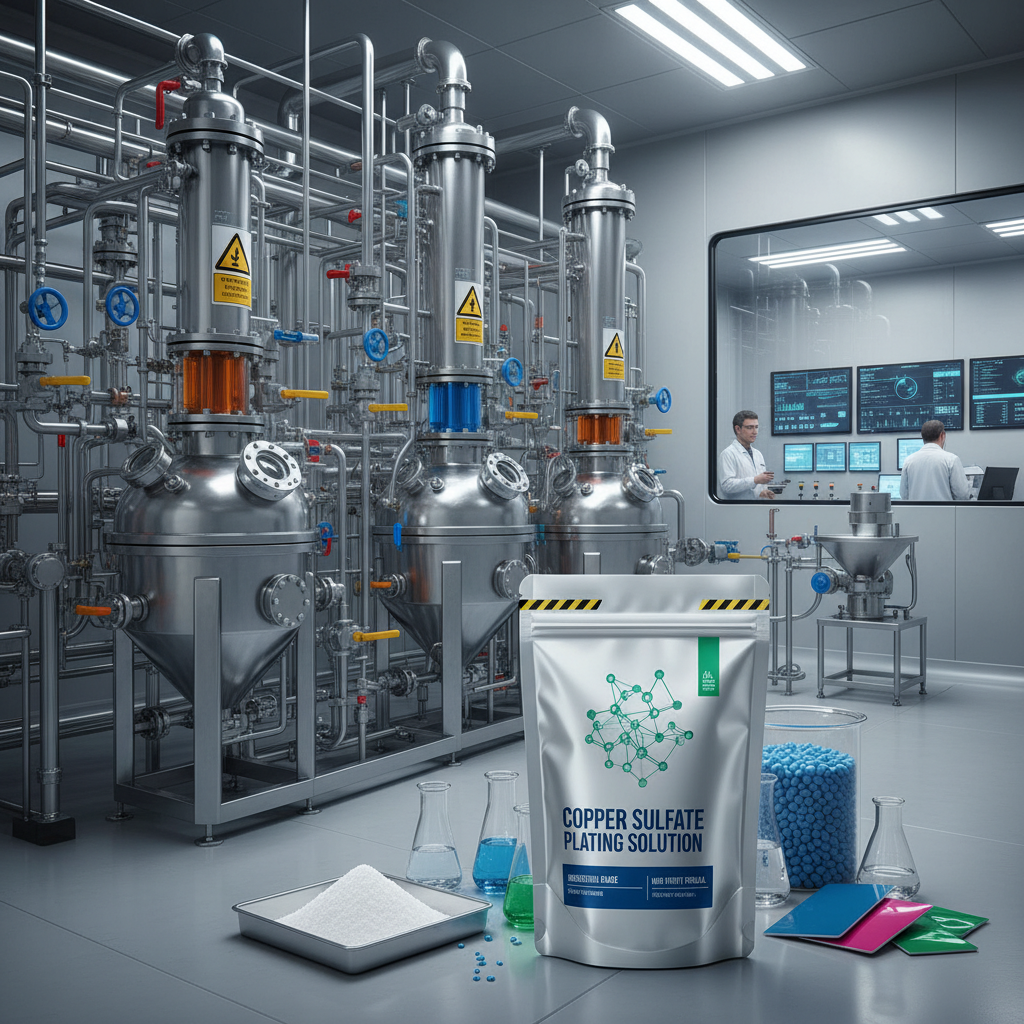
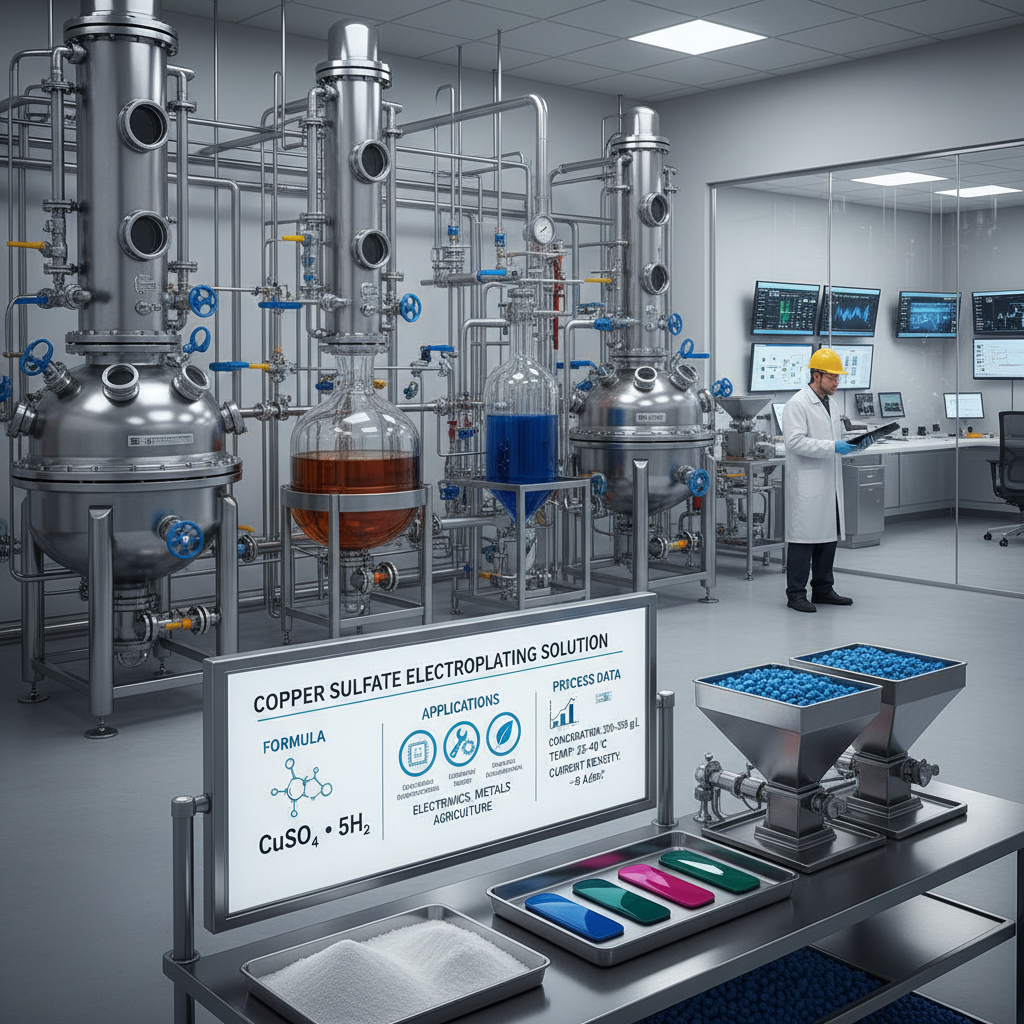
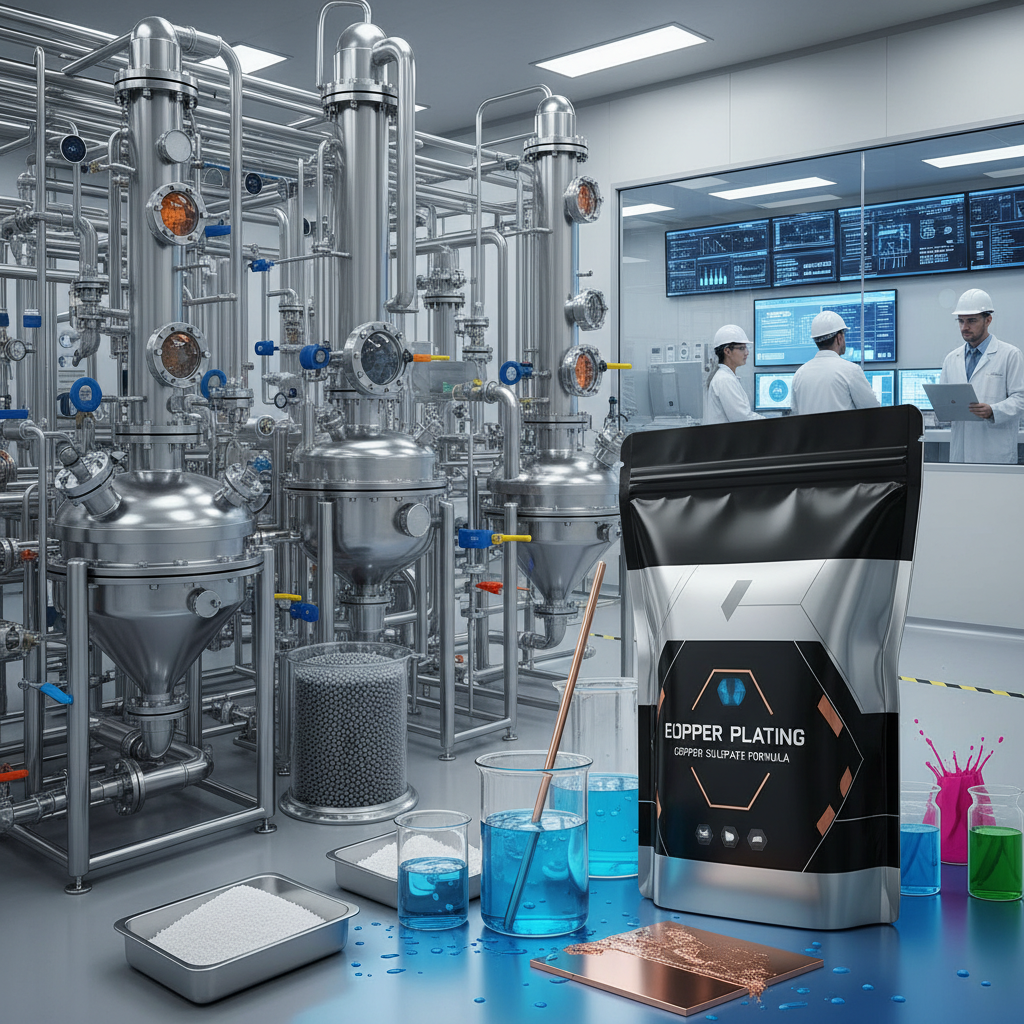
The utilization of a high-purity copper sulfate plating solution is fundamental to the success of modern electroplating processes, serving as the primary electrolyte for depositing a uniform layer of copper onto various substrates. In the global manufacturing landscape, the precision of this chemical composition directly influences the conductivity, corrosion resistance, and aesthetic finish of industrial components, making it an indispensable asset for electronics and automotive sectors.
Understanding the dynamics of a copper sulfate plating solution is not merely a technical requirement but a strategic advantage for manufacturers aiming to reduce waste and improve yield. By optimizing the balance of copper ions and sulfuric acid, industries can achieve superior thickness control and adhesion, which are critical for the reliability of printed circuit boards (PCBs) and high-performance connectors.
As global demand for miniaturized electronics and electric vehicle infrastructure grows, the role of advanced plating chemistries becomes even more vital. This guide explores the technical nuances, global applications, and future innovations surrounding the copper sulfate plating solution, providing a comprehensive roadmap for engineers and procurement specialists to maximize their operational efficiency.
Global Industry Context of Copper Sulfate Plating
The global demand for high-conductivity materials has pushed the copper sulfate plating solution into the spotlight of the specialty chemicals market. With the rapid expansion of 5G infrastructure and the proliferation of IoT devices, the precision of copper deposition has become a critical bottleneck in electronics manufacturing. ISO standards for surface treatment now demand tighter tolerances on plating thickness and porosity, forcing manufacturers to move away from basic mixtures toward highly engineered chemical solutions.
Challenges such as increasing energy costs and stringent environmental regulations regarding heavy metal discharge have redefined how these solutions are managed. Industries are no longer looking for just a "chemical source" but for integrated plating systems that offer stability, recyclability, and minimal impurity levels to ensure the longevity of the plated parts.
Defining the Copper Sulfate Plating Solution
In its simplest technical form, a copper sulfate plating solution is an aqueous electrolyte consisting of copper sulfate (CuSO₄) as the metal source and sulfuric acid (H₂SO₄) to enhance conductivity and prevent the precipitation of copper salts. This chemistry allows for the controlled migration of copper ions from an anode to a cathode (the workpiece), creating a dense, cohesive metallic layer.
Beyond the basic chemicals, modern industrial solutions incorporate organic additives—such as brighteners, levelers, and carriers—which modify the electro-crystallization process. These additives ensure that the copper fills deep vias in PCBs without voids, a process known as "superfilling," which is essential for the reliability of modern micro-electronics.
Connecting this to humanitarian and broader industrial needs, the ability to plate copper efficiently enables the production of affordable medical devices and sustainable energy components. By ensuring high-quality electrical connections at a lower cost, these solutions support the global transition toward electrification and the democratization of technology in developing regions.
Core Components for Maximum Efficiency
The durability of the final plated layer depends heavily on the purity of the copper sulfate plating solution. Impurities such as chlorine or iron can lead to pitting or brittle deposits, which compromise the structural integrity of the component under thermal stress. Maintaining a strict chemical balance is the first step toward achieving an industrial-grade finish.
Scalability in plating operations is achieved through the use of buffered solutions. A professional-grade copper sulfate plating solution is designed to resist drastic pH shifts during high-current density plating, allowing manufacturers to increase throughput without sacrificing the uniformity of the copper deposit across large surface areas.
Cost efficiency is realized not just through the initial purchase price of the chemicals, but through the "bath life" of the solution. By utilizing high-stability intermediates and effective filtration systems, companies can extend the time between full solution replacements, significantly reducing chemical waste and operational downtime.
Practical Performance Metrics in Plating
When evaluating the efficacy of different chemical formulations, engineers focus on the "throwing power"—the ability of the copper sulfate plating solution to deposit metal uniformly on irregularly shaped parts. High throwing power reduces the need for complex shielding and anode positioning, streamlining the production line.
Another key metric is the deposition rate versus grain size. While high-speed plating increases productivity, it can lead to coarse grains that increase electrical resistance. The optimal solution balances speed with a fine-grained microstructure to ensure maximum conductivity and solderability.
Efficiency Comparison of Copper Sulfate Plating Solution Variants
Global Applications and Industrial Use Cases
In the electronics hub of East Asia, the copper sulfate plating solution is the backbone of the semiconductor packaging industry. It is used extensively for creating copper pillars and redistribution layers (RDL), which are essential for the high-speed data transfer required by AI processors and high-end GPUs.
In the automotive sectors of Europe and North America, these solutions are employed to plate electrical connectors and battery terminals for electric vehicles (EVs). In these high-stress environments, the copper plating must withstand extreme temperature fluctuations and vibration, requiring a solution with exceptional adhesion properties and metallurgical purity.
Long-Term Value and Sustainability Benefits
The long-term value of investing in a premium copper sulfate plating solution manifests in the reduction of "scrap rates." When a plating bath is unstable, the result is often a batch of rejected parts. By ensuring chemical consistency, manufacturers can achieve six-sigma quality levels, translating to millions of dollars in saved material and labor costs over time.
Sustainability is no longer an option but a requirement. Modern plating solutions are designed to be more compatible with closed-loop water systems. By reducing the concentration of toxic organic brighteners and improving the ease of copper recovery from rinse waters, companies can lower their environmental footprint while complying with REACH and RoHS regulations.
Beyond the logic of cost and law, there is an element of trust. When a brand provides components with flawless plating, it signals a commitment to quality and reliability. This emotional connection with the end-user—knowing that a device won't fail due to a poor electrical connection—is the ultimate value proposition of a superior plating process.
Future Trends and Innovation in Plating Chemistry
The future of copper sulfate plating solution technology is moving toward "smart baths." These systems integrate real-time sensors and AI-driven dosing pumps that automatically adjust the concentration of copper and additives based on the current plating load, ensuring that the chemistry never drifts from its optimal point.
Green chemistry is also playing a pivotal role. Researchers are developing biodegradable organic additives to replace traditional sulfur-based brighteners, reducing the toxicity of the plating waste without compromising the brightness or levelness of the copper deposit. This shift aligns with the global push toward a circular economy.
Furthermore, the integration of additive manufacturing (3D printing) with electroplating is opening new doors. Hybrid processes now allow for the 3D printing of conductive scaffolds which are then thickened using a specialized copper sulfate solution, enabling the creation of complex, organic-shaped antennas and heat sinks that were previously impossible to manufacture.
Analysis of Copper Sulfate Plating Solution Performance by Industrial Application
|
Application Sector
|
Critical Requirement
|
Solution Priority
|
Efficiency Score (1-10)
|
| PCB Manufacturing |
Via Filling/Superfilling |
Leveling Additives |
9.5 |
| EV Battery Terminals |
Corrosion Resistance |
Deposit Density |
8.8 |
| Telecom Connectors |
High Conductivity |
Purity Levels |
9.2 |
| Aerospace Components |
Thermal Stability |
Adhesion Strength |
8.5 |
| Decorative Hardware |
Surface Gloss |
Brightener Mix |
7.9 |
| Medical Implants |
Biocompatibility |
Ultra-low Impurities |
9.0 |
FAQS
Pitting is often caused by hydrogen bubbles clinging to the surface. To prevent this, ensure proper agitation of the bath and consider adding a wetting agent or surfactant to the copper sulfate plating solution to reduce surface tension, allowing bubbles to release more easily.
While it varies by application, a typical industrial copper sulfate plating solution maintains a ratio that ensures high conductivity without overly etching the substrate. Usually, this involves a concentration of 180-220 g/L of copper sulfate and 50-70 g/L of sulfuric acid, though organic additives may shift these requirements.
Not indefinitely. Over time, organic breakdown products and metallic impurities accumulate. To maintain quality, you must perform regular "dummying" (electro-purification) and replenish additives. Eventually, a full bleed-and-feed or complete replacement is necessary to meet strict quality standards.
Temperature significantly impacts ion mobility. A warmer copper sulfate plating solution typically increases the deposition rate and improves conductivity, but excessively high temperatures can degrade organic brighteners and lead to uneven deposits. Most processes are optimized between 20°C and 30°C.
Poor adhesion is usually a result of improper surface preparation rather than the solution itself. However, if the copper sulfate plating solution contains high levels of contaminants like organics or oils, it can interfere with the bond. Always ensure rigorous degreasing and activation before plating.
While the copper sulfate chemistry is standard, "green" alternatives focus on the additives. Moving toward cyanide-free processes and using biodegradable levelers in the copper sulfate plating solution helps reduce environmental impact while maintaining industrial performance.
Conclusion
The copper sulfate plating solution remains a cornerstone of the modern industrial world, bridging the gap between raw metal and high-performance electronic components. From the critical requirements of via-filling in PCBs to the rigorous demands of EV battery connectors, the precision, purity, and stability of this chemical solution determine the reliability of the technologies we rely on every day. By balancing technical parameters like throwing power and deposition rate with a commitment to sustainability, manufacturers can achieve an optimal blend of quality and cost-efficiency.
Looking forward, the integration of AI-driven bath management and the shift toward biodegradable additives will further refine the electroplating process. For companies seeking to stay competitive in an era of rapid technological disruption, upgrading to a high-purity, stable plating chemistry is not just an operational choice, but a strategic necessity for long-term growth. We invite you to explore our professional-grade chemical intermediates and plating solutions to elevate your production standards. Visit our website: www.moneidechem.com