Welcome to Tangshan Moneide Trading Co., Ltd.
Welcome to Tangshan Moneide Trading Co., Ltd.

Fluoroboric acid price is a critical factor in a wide range of industrial applications, from metal surface treatment and electroplating to the production of specialized chemicals. Understanding the dynamics influencing this price – including raw material costs, manufacturing processes, geopolitical factors, and supply chain disruptions – is paramount for businesses reliant on this crucial compound. Fluctuations in fluoroboric acid price can significantly impact production costs and ultimately, profitability.
Globally, the demand for fluoroboric acid is steadily increasing, driven by growth in sectors like electronics, aerospace, and automotive. Emerging economies are contributing to this demand, presenting both opportunities and challenges for suppliers. The price of fluoroboric acid isn't merely a matter of cost; it’s a signal of broader economic trends and industrial health. fluoroboric acid price fluctuations demand proactive monitoring and strategic sourcing.
Analyzing the factors contributing to fluoroboric acid price enables informed decision-making, allowing companies to mitigate risks and optimize resource allocation. This comprehensive understanding is vital for maintaining competitiveness in today’s dynamic market environment.
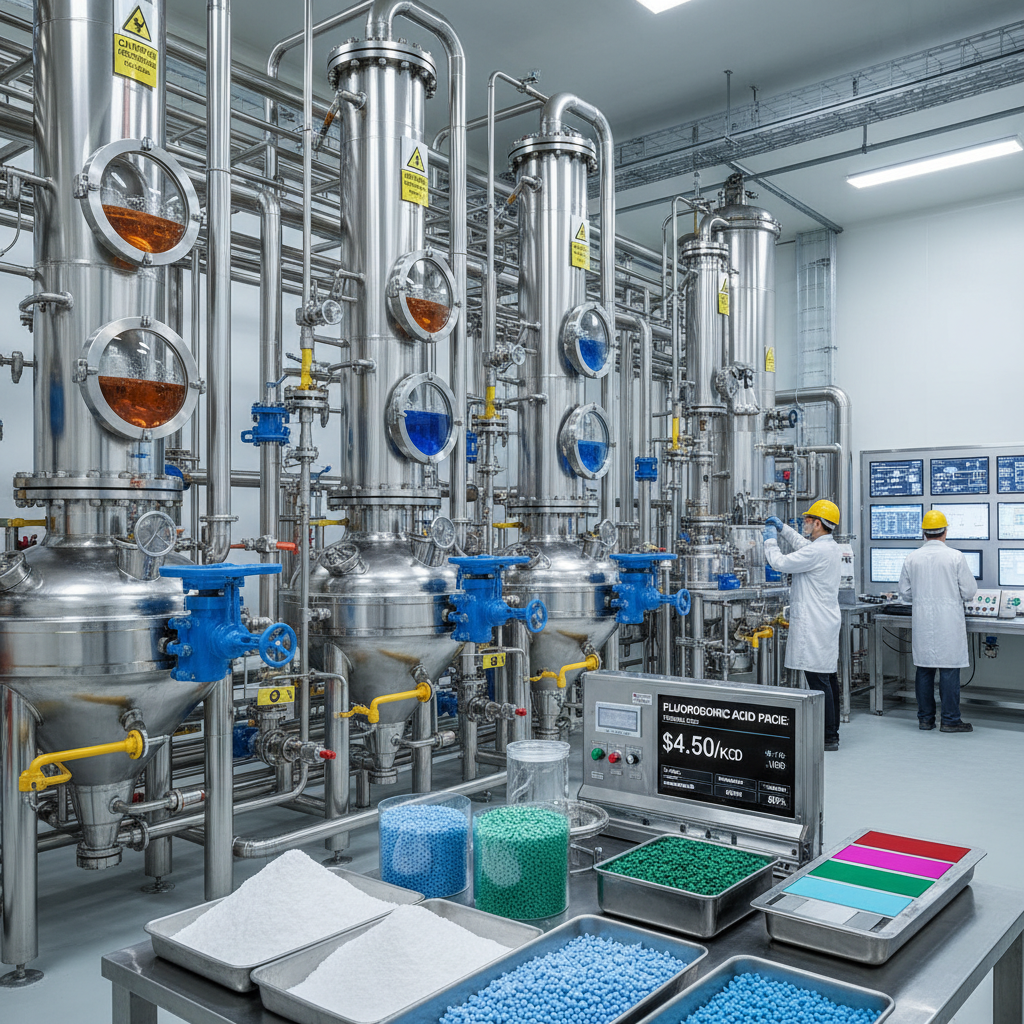
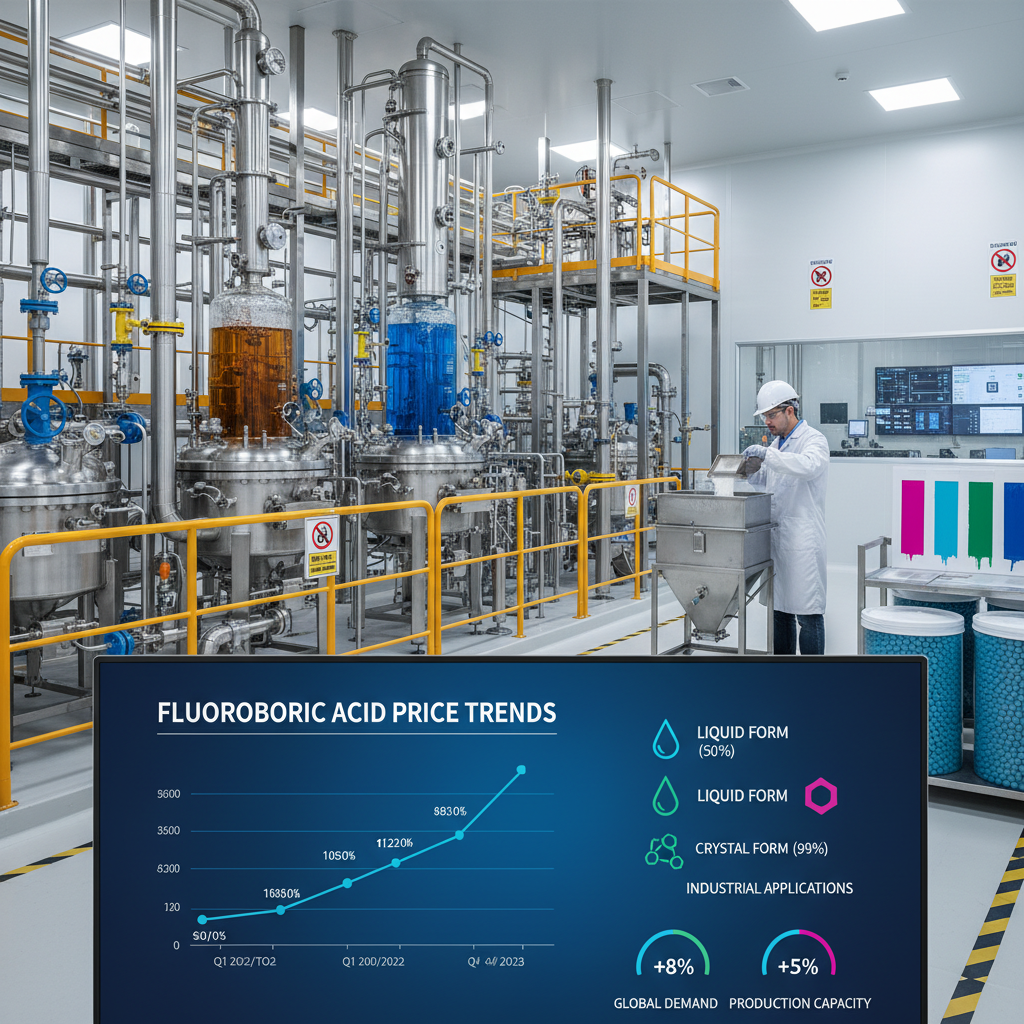
The global fluoroboric acid market is estimated to be worth over $150 million, with significant growth projected in the coming years. According to a report by Market Research Future, the demand is primarily driven by the increasing usage of fluoroboric acid in metal treatment, particularly in the aluminum finishing industry. This price is sensitive to geopolitical events, trade tariffs, and production capacity in major producing nations like China and India.
Understanding the nuances of fluoroboric acid price is crucial not just for direct consumers, but also for related industries. A sudden spike in price can cascade through supply chains, impacting the cost of finished goods and potentially disrupting entire sectors. The volatility presents a challenge for manufacturers and underscores the need for diligent monitoring and strategic sourcing strategies.
Several factors contribute to price volatility, including the cost of raw materials (fluorspar and boric acid), geopolitical events affecting supply chains, energy costs, and overall demand from key industries like aluminum and electronics. Regulatory changes related to mining and environmental standards also play a significant role, impacting production costs and availability. Monitoring these factors is key to understanding price trends.
Companies can mitigate risk through long-term supply contracts, diversifying their supplier base, and implementing robust inventory management strategies. Accurate demand forecasting and proactive hedging against price increases are also effective measures. Furthermore, exploring alternative technologies or materials that reduce reliance on fluoroboric acid can provide long-term stability.
Lead times typically range from 2 to 6 weeks, depending on the supplier, quantity ordered, and transportation logistics. Longer lead times can increase costs due to potential supply chain disruptions and higher transportation fees. Securing contracts with shorter lead times or maintaining sufficient safety stock can help manage these risks and potentially negotiate better pricing.
Yes, anhydrous fluoroboric acid is considerably more expensive than aqueous solutions. This is due to the energy-intensive and complex processes required for its purification and production. The higher purity and specialized handling requirements contribute to the increased cost. Aqueous solutions are more readily available and generally more affordable for many applications.
China is a major producer and consumer of fluoroboric acid, significantly influencing global pricing. Fluctuations in Chinese production capacity, environmental regulations, and export policies can have a substantial impact on worldwide supply and demand. Monitoring developments in the Chinese market is essential for understanding broader price trends.
While direct substitutes are limited, research is ongoing into more sustainable etching and surface treatment technologies. Recycling and recovery of fluoroboric acid from industrial waste streams are also gaining prominence, reducing reliance on primary raw materials. These initiatives, while still developing, have the potential to impact the long-term price and availability of fluoroboric acid.
In conclusion, understanding the intricacies of fluoroboric acid price is paramount for businesses across a diverse range of industries. From raw material costs and manufacturing processes to geopolitical influences and evolving environmental regulations, a multitude of factors contribute to price volatility. Proactive monitoring, strategic sourcing, and a commitment to sustainable practices are crucial for navigating this complex landscape and ensuring long-term cost-effectiveness.
Looking ahead, we anticipate continued price fluctuations, driven by global economic conditions and increasing demand. Investing in research and development of alternative technologies, exploring recycling opportunities, and fostering strong supplier relationships will be essential for mitigating risks and maintaining competitiveness. For reliable pricing and supply of fluoroboric acid, visit our website: www.moneidechem.com


Moneide Chemicals


