Welcome to Tangshan Moneide Trading Co., Ltd.

sales@moneidechem.com
Call Us
https://images.exportstart.com/images/a1314/1_download-webp1733221860.webp
Moneide Chemicals
2-7-523 Jidong Building Materials Tangshan, Hebei 064000 China
Search
0%

Table of Contents

The global fine chemicals industry is a cornerstone of numerous sectors, from pharmaceuticals and agrochemicals to electronics and specialty polymers. As a leading fine chemicals manufacturer, we recognize its pivotal role in driving innovation and supporting critical supply chains worldwide. The demand for high-purity, precisely defined chemical compounds continues to rise, fueled by advancements in research & development and increasingly stringent quality standards across industries. Understanding the nuances of fine chemical manufacturing is therefore vital for businesses, researchers, and policymakers alike.

The complexity of fine chemical synthesis demands specialized expertise, advanced technologies, and rigorous quality control measures. Unlike commodity chemicals produced in large volumes, fine chemicals are typically manufactured in smaller batches to meet specific customer requirements. This necessitates flexibility, responsiveness, and a commitment to continuous improvement. The impact of a reliable fine chemicals manufacturer extends far beyond the laboratory, influencing the efficacy of life-saving drugs, the productivity of agricultural yields, and the performance of cutting-edge technological devices.

This exploration will delve into the definition, key components, applications, and future trends shaping the fine chemicals manufacturing landscape. We will address common challenges and highlight the long-term value of partnering with a trusted and innovative provider. By gaining a comprehensive understanding of this crucial industry, stakeholders can make informed decisions and contribute to a more sustainable and prosperous future.

Leading Fine Chemicals Manufacturer Driving Innovation and Global Supply Chains

Introduction to Fine Chemicals Manufacturing

Leading Fine Chemicals Manufacturer Driving Innovation and Global Supply Chains

The fine chemicals industry is a highly specialized segment within the broader chemical sector, focused on producing complex, single pure chemical substances. These aren’t the bulk commodities like ethylene or propylene, but rather intricate molecules designed for specific applications. As a specialized fine chemicals manufacturer, we provide building blocks for innovations in pharmaceuticals, agrochemicals, and a host of other high-tech sectors.

The global market for fine chemicals is projected to continue its robust growth trajectory, driven by factors like increased R&D spending, rising demand for generic drugs, and the burgeoning field of personalized medicine. The industry’s sophistication requires a robust infrastructure, skilled workforce, and a commitment to sustainability – qualities that define leading players like our company.

Defining Fine Chemicals Manufacturing

Fine chemicals manufacturing encompasses the synthesis of complex, single, pure chemical substances, typically produced in limited volumes and adhering to stringent quality specifications. These chemicals are characterized by their defined molecular structure and are crucial ingredients in a wide range of advanced products. A fine chemicals manufacturer differs significantly from a producer of commodity chemicals, prioritizing quality, precision, and customization.

The definition extends beyond simply producing a chemical; it includes comprehensive analytical testing, stringent quality control, and often, custom synthesis to meet specific client needs. This makes fine chemicals the essential building blocks for innovation across numerous sectors.

This specialization is particularly critical in the pharmaceutical industry, where the purity and precise composition of active pharmaceutical ingredients (APIs) directly impact drug safety and efficacy. Therefore, rigorous regulatory compliance and adherence to Good Manufacturing Practices (GMP) are paramount for any reputable fine chemicals provider.

Core Components of Fine Chemical Production

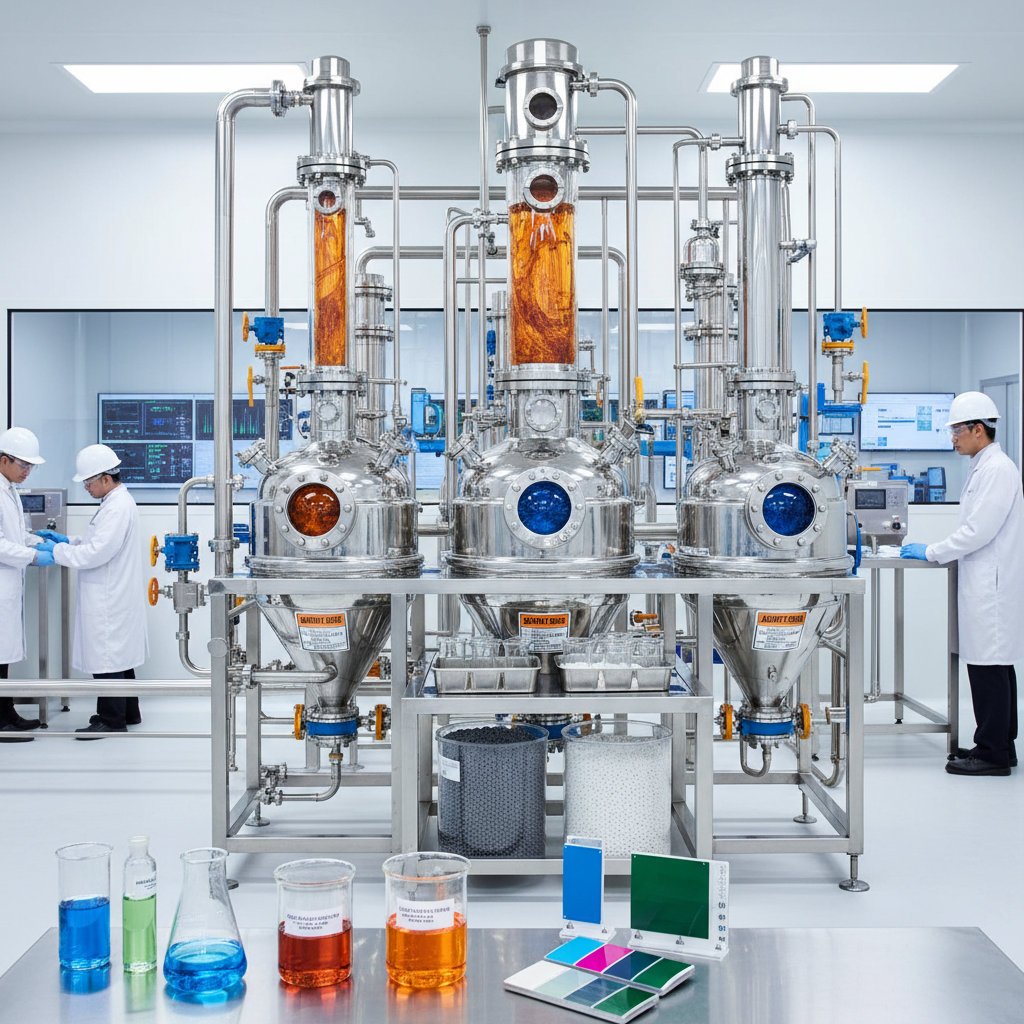
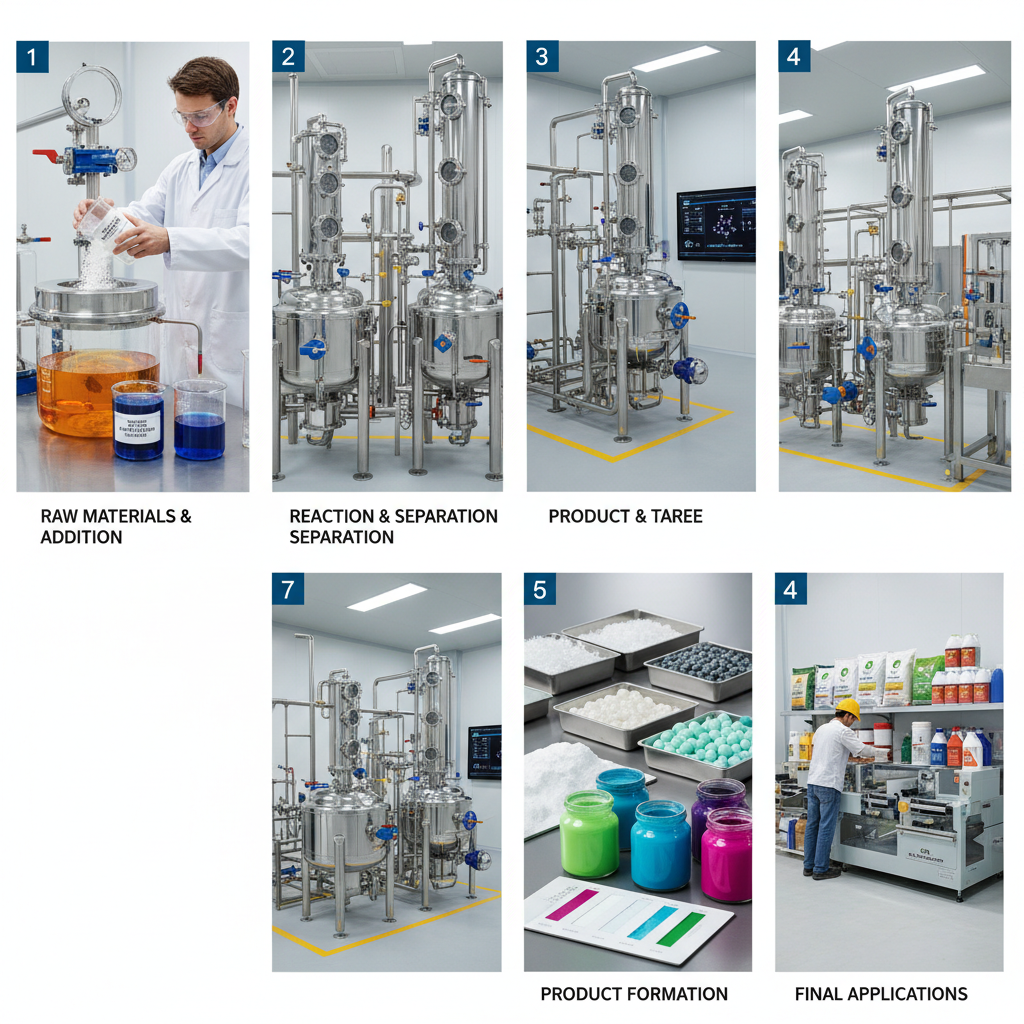
Successful fine chemical production relies on several core components. First, advanced synthetic chemistry expertise is vital – the ability to design and execute complex multi-step reactions with high yield and selectivity. Second, a robust analytical capability is essential for ensuring product purity, identifying impurities, and validating the final product meets required specifications.

Third, efficient process development and optimization are critical for scaling up production from laboratory scale to commercial quantities while maintaining quality and minimizing waste. Fourth, a strong commitment to regulatory compliance, particularly GMP standards, is non-negotiable, especially when serving the pharmaceutical sector. As a top fine chemicals manufacturer, we prioritize all these components.

Finally, sustainable manufacturing practices, including waste reduction, energy efficiency, and the use of environmentally friendly reagents, are increasingly important considerations. These components together form the foundation of a reliable and responsible fine chemical production process.

Global Applications of Fine Chemicals

Fine chemicals are indispensable across a diverse range of industries. In the pharmaceutical sector, they serve as Active Pharmaceutical Ingredients (APIs) and key intermediates in drug synthesis. Agrochemicals rely heavily on fine chemicals for the production of pesticides, herbicides, and fungicides, contributing to global food security.

The electronics industry utilizes fine chemicals in the manufacture of semiconductors, liquid crystals, and other advanced materials. Specialty polymers, used in high-performance plastics and coatings, also rely on the precise chemical building blocks provided by fine chemical manufacturers. In post-disaster relief operations, specialized fine chemicals are vital for water purification and sanitation.

Fine Chemical Application Distribution


Advantages and Long-Term Value

Partnering with a reputable fine chemicals manufacturer offers numerous tangible benefits. Cost optimization is achieved through efficient production processes and economies of scale. Sustainable manufacturing practices minimize environmental impact and reduce long-term risks.

The advantages extend beyond mere cost savings. Access to specialized expertise and advanced technologies accelerates product development and enhances innovation. A reliable supply chain ensures consistent quality and timely delivery, minimizing disruptions and maximizing operational efficiency.

Future Trends in Fine Chemical Manufacturing

The future of fine chemical manufacturing is being shaped by several key trends. Green chemistry principles are gaining prominence, driving the development of more sustainable and environmentally friendly processes. Digitalization and automation are streamlining operations, improving efficiency, and enhancing data analytics.

Continuous flow chemistry, a technology that enables reactions to be carried out in a continuous stream rather than in batches, is gaining traction for its improved safety, scalability, and control. Furthermore, the increasing demand for personalized medicine is driving the need for more flexible and agile manufacturing capabilities.

Challenges and Innovative Solutions

Despite the industry's progress, several challenges remain. Maintaining stringent quality control and ensuring regulatory compliance can be complex and costly. Supply chain disruptions, exacerbated by geopolitical factors, pose a constant threat. Waste management and environmental sustainability continue to be critical concerns.

Innovative solutions are emerging to address these challenges. Implementing advanced process analytical technology (PAT) allows for real-time monitoring and control of critical process parameters. Diversifying sourcing strategies and building resilient supply chains mitigates the risk of disruptions. Investing in green chemistry technologies and circular economy initiatives promotes sustainability.

Collaboration between fine chemicals manufacturers, research institutions, and regulatory agencies is crucial for driving innovation and overcoming these hurdles.

Summary of Challenges and Solutions in Fine Chemical Manufacturing

Challenge Impact on Operations Proposed Solution Implementation Difficulty (1-10)
Regulatory Compliance Increased costs, delays in product launch Robust quality management systems, proactive audits 7
Supply Chain Disruptions Material shortages, production delays Diversified sourcing, strategic inventory management 6
Waste Generation Environmental impact, disposal costs Green chemistry principles, waste minimization strategies 5
Process Scalability Difficulty in transitioning from lab to commercial scale Continuous flow chemistry, process optimization techniques 8
Analytical Testing Costs High expenses for quality control Advanced Process Analytical Technology (PAT) 9
Skilled Workforce Shortage Limited expertise in complex chemical synthesis Investment in training programs, collaboration with universities 7

FAQS

What are the key certifications a reputable fine chemicals manufacturer should possess?

A reliable fine chemicals manufacturer should hold certifications such as ISO 9001 (Quality Management), ISO 14001 (Environmental Management), and potentially ISO 45001 (Occupational Health and Safety). For pharmaceutical applications, GMP (Good Manufacturing Practice) certification is crucial, demonstrating adherence to strict quality control standards. These certifications assure customers of a consistent and reliable supply of high-quality chemicals produced in a responsible and ethical manner.

How does a fine chemicals manufacturer ensure the purity and consistency of their products?

Purity and consistency are paramount in fine chemical manufacturing. Manufacturers employ sophisticated analytical techniques, including HPLC, GC-MS, NMR, and elemental analysis, to rigorously test raw materials, intermediates, and final products. Stringent quality control protocols, validated analytical methods, and documented traceability systems are essential. A dedicated quality assurance team ensures adherence to specifications and regulatory requirements.

What is the typical lead time for custom synthesis of a fine chemical?

The lead time for custom synthesis varies depending on the complexity of the molecule, the quantity required, and the availability of starting materials. A simple, well-documented synthesis may take a few weeks, while a more complex multi-step synthesis could require several months. A detailed project plan, regular communication, and efficient project management are crucial for minimizing lead times.

What sustainability practices are commonly employed by fine chemicals manufacturers?

Sustainable practices include minimizing waste generation through process optimization, utilizing renewable energy sources, implementing water conservation measures, and employing green chemistry principles – such as using safer solvents and catalysts. Responsible waste disposal and adherence to environmental regulations are also essential. Many manufacturers are actively pursuing circular economy initiatives to reduce their environmental footprint.

How can a fine chemicals manufacturer protect my intellectual property?

Protecting intellectual property is a top priority. Manufacturers typically have robust confidentiality agreements (CDAs) in place and employ secure data management systems. They may also operate under strict non-disclosure agreements (NDAs) and implement physical security measures to safeguard sensitive information. A transparent and collaborative approach to IP protection is vital.

What is the difference between a fine chemical and a specialty chemical manufacturer?

While often used interchangeably, there's a subtle difference. Fine chemicals are typically produced in smaller quantities, are highly pure, and have a defined chemical structure, often used as building blocks. Specialty chemicals, on the other hand, are formulated for specific performance attributes and applications – like adhesives or coatings. A fine chemicals manufacturer can sometimes supply specialty chemical producers with key ingredients, but they focus on the core chemical synthesis.

Conclusion

In conclusion, fine chemicals manufacturing represents a vital, dynamic, and complex industry underpinning numerous critical sectors. The combination of advanced chemistry, stringent quality control, and a commitment to sustainability are essential for success. Choosing a reliable fine chemicals manufacturer provides access to critical building blocks, accelerates innovation, and ensures a secure and consistent supply chain.

Looking ahead, the industry will continue to evolve, driven by technological advancements and increasingly stringent regulatory requirements. Embracing green chemistry principles, investing in digitalization, and fostering collaboration will be key to unlocking future growth and addressing the evolving needs of a global market. Visit our website at www.moneidechem.com to learn more about how we can partner with you.
David Miller

David Miller

David Miller is a Senior Chemist at Tangshan Moneide Trading Co., Ltd., specializing in electroplating chemical applications. With over 8 years of experience in the chemical industry, David focuses on optimizing plating processes for improved efficiency and quality. He holds a Master's degree in Chemistry from a US university and
Previous Choosing a Reliable Fine Chemicals Supplier for Innovation and Supply Chain Integrity
Next Hi Pure Fine Chem Industries Driving Innovation and Global Supply Chains
Copyright © 2026 Tangshan Moneide Trading Co., Ltd. All Rights Reserved. Sitemap | Privacy Policy | Top Blog
phone
email
tel
to top