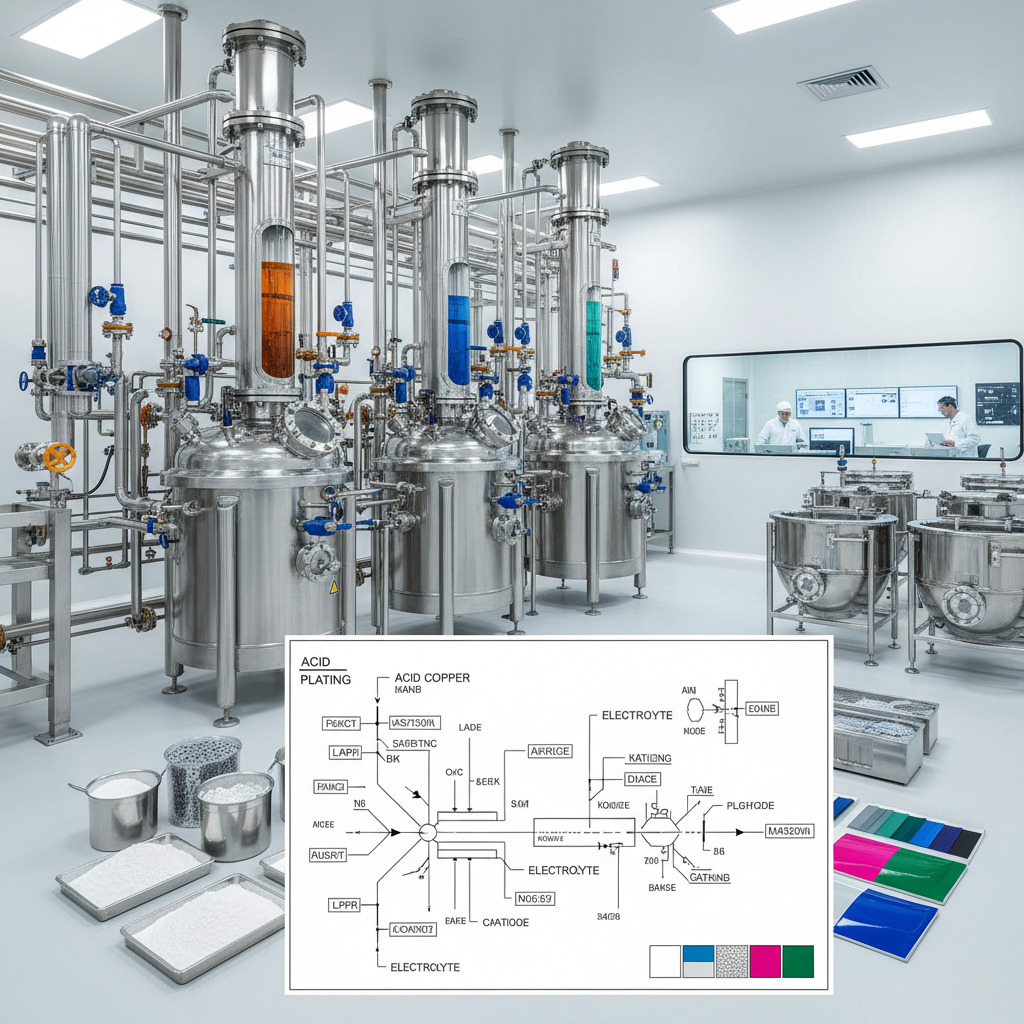
Fine chemical companies are the unsung heroes of modern manufacturing, supplying specialized chemical building blocks critical to a vast array of industries. These aren't the bulk commodity chemicals you might picture – instead, they are complex, single, pure chemical substances produced in limited quantities, often to exacting specifications. Their importance stems from their essential role in creating products we rely on daily, from pharmaceuticals and agrochemicals to specialty polymers and advanced materials. Understanding the dynamics of these companies is vital for innovation and global supply chain resilience.
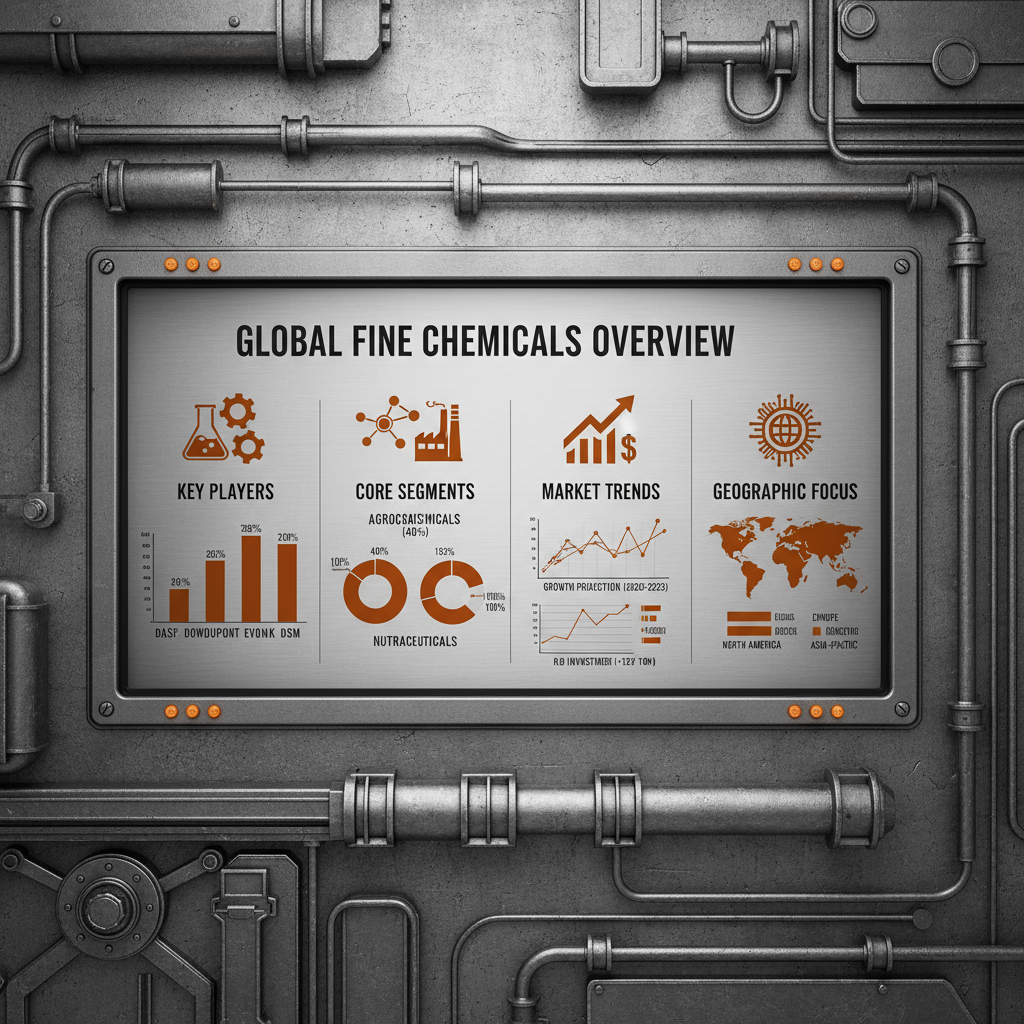
Globally, the fine chemical industry represents a multi-billion dollar market, experiencing consistent growth driven by increasing demand in emerging economies and relentless innovation. According to a 2023 report by the UN, the demand for specialized chemicals is projected to increase by 6% annually through 2028. This growth necessitates a deeper understanding of the challenges and opportunities facing these companies, including regulatory compliance, sustainable manufacturing practices, and supply chain vulnerabilities.
The ability to consistently deliver high-quality, customized chemical solutions is paramount, impacting everything from drug development timelines to the performance of advanced electronics. This is particularly crucial in a world grappling with complex challenges such as disease outbreaks and the need for sustainable technologies. The influence of fine chemical companies extends far beyond the laboratory, shaping advancements across numerous sectors.
Introduction: Global or Industry Context
The global landscape of fine chemical companies is complex and rapidly evolving, heavily influenced by factors such as geopolitical shifts, technological advancements, and increasing environmental regulations. The industry is concentrated in regions like Europe, North America, and Asia-Pacific, with China emerging as a dominant force in both production and consumption. The World Bank estimates that over 60% of global fine chemical production currently originates from Asia.
These companies serve as vital links in numerous supply chains, providing crucial intermediates and active ingredients for pharmaceuticals, agrochemicals, flavors, fragrances, and a diverse range of specialty products. Maintaining a robust and resilient supply chain for fine chemicals is essential for ensuring continued production across these critical sectors. Disruptions, like those experienced during the COVID-19 pandemic, have highlighted the fragility of these networks and the need for diversification and strategic sourcing.
A major challenge facing the industry is balancing cost competitiveness with increasingly stringent environmental and safety standards. Many fine chemical processes involve complex reactions and hazardous materials, demanding significant investment in advanced technologies and skilled personnel. Successfully navigating this challenge will be key to ensuring the long-term sustainability and competitiveness of fine chemical companies worldwide.
Definition & Meaning
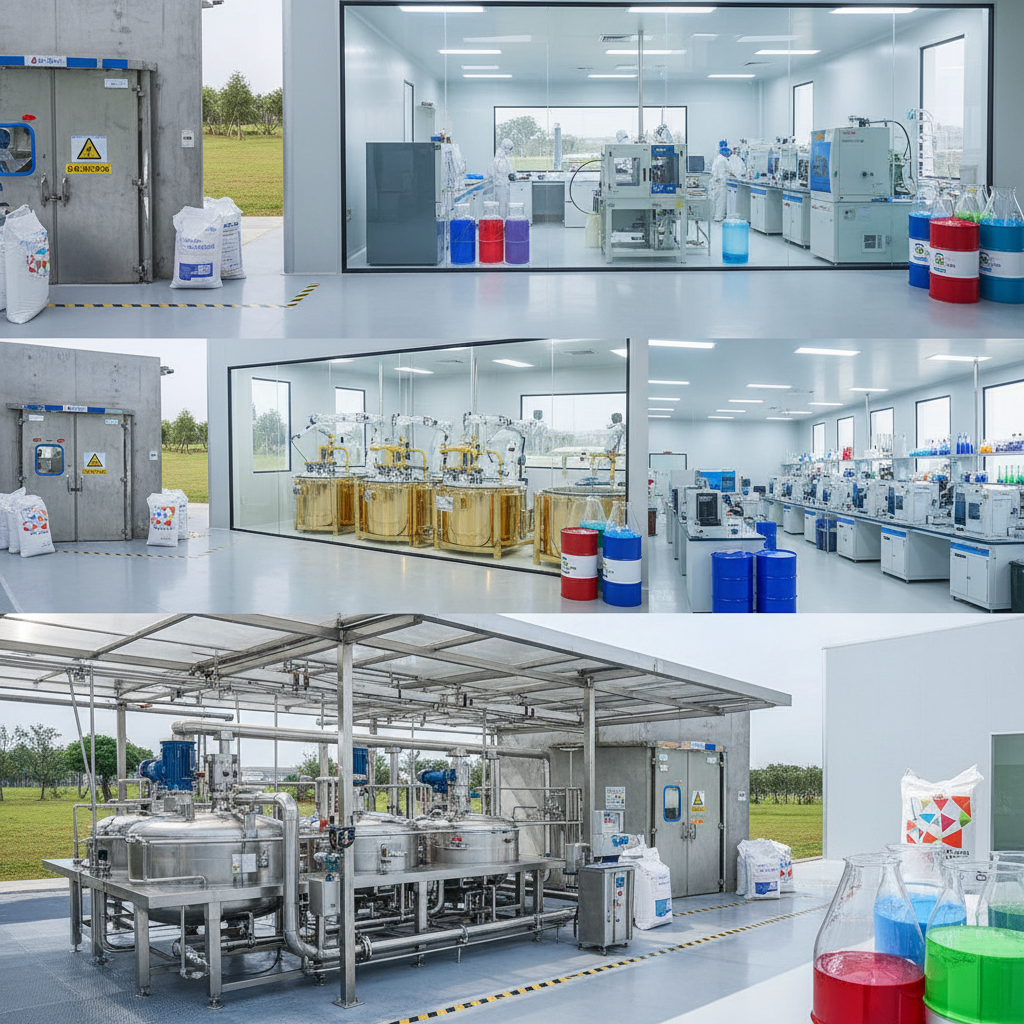
Fine chemical companies specialize in the production of high-purity, complex chemical substances in relatively small volumes. Unlike commodity chemical manufacturers who focus on large-scale production of basic chemicals, fine chemical companies cater to niche markets requiring customized solutions and stringent quality control. They are often contract manufacturers, producing chemicals according to the specific specifications of their clients.
This distinction is crucial because it highlights the importance of expertise, research & development, and regulatory compliance within these organizations. The creation of a new pharmaceutical ingredient, for example, requires a deep understanding of organic chemistry, analytical techniques, and Good Manufacturing Practices (GMP). Fine chemical companies play a critical role in bringing innovative products to market.
Their significance extends beyond commercial applications. Fine chemicals are essential components in diagnostics, medical imaging agents, and even in the development of new sustainable materials. As the world faces challenges related to healthcare, food security, and environmental protection, the demand for specialized chemical solutions will only continue to grow, solidifying the importance of fine chemical companies.
Key Factors or Core Components
Several core aspects define the success of fine chemical companies. Firstly, Process Chemistry Expertise is paramount. Developing efficient, safe, and scalable chemical processes is critical for cost-effective production. This involves expertise in reaction optimization, catalyst selection, and process control.
Secondly, Analytical Capabilities are vital for ensuring product quality and purity. Sophisticated analytical techniques, such as HPLC, NMR, and mass spectrometry, are used to characterize raw materials, monitor reactions, and confirm the identity and purity of final products. Rigorous quality control procedures are non-negotiable in this industry.
Thirdly, Regulatory Compliance is a major determinant of success. Fine chemical companies must adhere to strict regulations imposed by agencies like the FDA and EPA, ensuring the safety and environmental sustainability of their operations. This includes managing hazardous waste, controlling emissions, and maintaining detailed documentation. Finally, Custom Synthesis Capabilities allows for a competitive advantage. The ability to create unique, bespoke molecules to client specifications is often the determining factor in securing long-term partnerships.
Global Applications & Use Cases
The applications of fine chemical companies are extraordinarily diverse. Within the pharmaceutical industry, they provide Active Pharmaceutical Ingredients (APIs) and intermediates for a vast range of drugs, playing a key role in the development and production of life-saving medications. In agrochemicals, they supply the building blocks for pesticides, herbicides, and fungicides, supporting global food production.
In the electronics sector, fine chemicals are used in the manufacturing of semiconductors, displays, and other advanced components. Specialty polymers, pigments, and additives produced by these companies enhance the performance and functionality of numerous consumer products. For instance, in post-disaster relief operations, specialized chemical disinfectants and water purification agents sourced from these companies are critical for preventing the spread of disease.
The impact extends to specialty materials, including high-performance coatings, adhesives, and sealants. In remote industrial zones, fine chemical companies may provide customized solutions for specific manufacturing processes, enabling local economic development. The versatility and adaptability of these companies make them essential partners across a broad spectrum of industries.
Comparison of fine chemical companies Methods
Advantages & Long-Term Value
The strategic benefits of working with specialized fine chemical companies are multifaceted. Cost savings can be realized through optimized processes and reduced waste. A well-established partnership allows businesses to focus on their core competencies, delegating complex chemical manufacturing to experts. Furthermore, these companies offer a pathway to sustainable practices, employing green chemistry principles and reducing environmental impact.
Beyond purely economic advantages, collaboration with these firms fosters innovation. Access to cutting-edge research and development capabilities can accelerate product development timelines and unlock new opportunities. The reliability of a trusted supplier, ensuring consistent product quality and timely delivery, builds confidence and minimizes risks. Ultimately, the value lies in a shared commitment to quality, safety, and responsible manufacturing.
Future Trends & Innovations
The future of fine chemical companies is inextricably linked to several emerging trends. Green chemistry, focused on designing inherently safer and more environmentally friendly chemical processes, is gaining momentum, driven by stricter regulations and growing consumer demand for sustainable products. Digital transformation, leveraging technologies like artificial intelligence and machine learning, is optimizing process control, accelerating R&D, and improving supply chain management.
Flow chemistry, a technique using continuous reactors instead of batch processes, offers enhanced safety, scalability, and control. Advances in biocatalysis, employing enzymes to catalyze chemical reactions, provide highly selective and environmentally benign alternatives to traditional methods. These innovations promise to reshape the industry, driving efficiency, sustainability, and innovation.
Challenges & Solutions
Despite their vital role, fine chemical companies face significant challenges. Supply chain disruptions, fluctuating raw material prices, and increasing regulatory pressures all pose ongoing threats. Maintaining intellectual property protection and navigating complex patent landscapes are crucial concerns. Finding and retaining skilled chemists and engineers remains a persistent hurdle.
Solutions involve diversifying sourcing strategies, investing in advanced process analytics, and fostering stronger collaborations with research institutions. Implementing robust cybersecurity measures is essential to protect sensitive data and prevent disruptions. Embracing automation and digitalization can streamline operations and improve efficiency.
Furthermore, adopting a circular economy approach, prioritizing waste reduction and resource recovery, can enhance sustainability and reduce costs. Strategic partnerships with fine chemical companies, focusing on shared expertise and collaborative innovation, will be vital for navigating these challenges and building a more resilient and sustainable future.
Summarizing Core Challenges and Solutions within the Fine Chemical Sector
| Challenge Category |
Specific Challenge |
Potential Solution |
Implementation Difficulty (1-10) |
| Supply Chain |
Raw Material Volatility |
Diversify Sourcing, Long-term Contracts |
6 |
| Regulatory |
Increasing Compliance Costs |
Invest in Automation, Expert Consulting |
8 |
| Innovation |
Slow R&D Cycles |
Collaborative Research, AI-Driven Discovery |
7 |
| Talent |
Skills Gap in Specialized Chemistry |
Invest in Training Programs, University Partnerships |
9 |
| Security |
IP Theft & Cyberattacks |
Robust Cybersecurity Protocols, Data Encryption |
7 |
| Sustainability |
Waste Generation & Environmental Impact |
Green Chemistry Practices, Circular Economy Initiatives |
5 |
FAQS
Fine chemical companies focus on producing complex, high-purity chemicals in smaller quantities, often to exacting customer specifications. Bulk chemical producers, conversely, concentrate on large-scale production of simpler chemicals. The difference lies in the level of customization, R&D intensity, and stringent quality control required for fine chemicals. Fine chemical companies prioritize specialized expertise, while bulk chemical producers emphasize economies of scale.
Fine chemical companies are subject to stringent regulations from agencies like the FDA, EPA, and REACH. These regulations cover manufacturing practices (GMP), environmental protection, worker safety, and product quality. Compliance requires rigorous documentation, quality control procedures, and regular audits. Adherence to these standards is critical for maintaining market access and avoiding legal penalties.
Supply chain disruptions, exacerbated by geopolitical events and global pandemics, are significantly impacting the fine chemical industry. Raw material shortages, transportation bottlenecks, and increased costs are creating challenges for manufacturers. Companies are responding by diversifying sourcing, building buffer inventories, and investing in supply chain resilience technologies.
Green chemistry is increasingly crucial for the future of fine chemical production. It focuses on designing chemical processes that minimize environmental impact by using renewable resources, reducing waste, and eliminating hazardous substances. Adopting green chemistry principles can improve sustainability, reduce costs, and enhance a company’s reputation.
AI and machine learning are accelerating fine chemical R&D by enabling predictive modeling of chemical reactions, optimizing process parameters, and identifying potential drug candidates. These technologies can significantly reduce development timelines, lower costs, and improve the efficiency of chemical synthesis.
Typically, fine chemical companies operate with higher profit margins compared to commodity chemical producers. This reflects the value-added nature of their products, the specialized expertise required, and the lower production volumes. While commodity chemicals benefit from economies of scale, fine chemicals command premium prices due to their unique characteristics and customization.
Conclusion
In conclusion, fine chemical companies are the essential, yet often unseen, backbone of countless industries. Their specialized expertise, dedication to quality, and ongoing innovation drive progress in pharmaceuticals, agriculture, electronics, and beyond. The industry’s future depends on embracing sustainable practices, leveraging technological advancements, and building resilient supply chains. Understanding the challenges and opportunities within this sector is paramount for fostering growth and ensuring continued access to the critical chemical building blocks that underpin modern life.
Looking ahead, investment in R&D, particularly in green chemistry and advanced manufacturing techniques, will be crucial for maintaining competitiveness and addressing global challenges. Collaboration between industry, academia, and government is essential to accelerate innovation and foster a more sustainable and resilient future for fine chemical companies. For further information and to explore potential partnerships, visit our website at www.moneidechem.com.