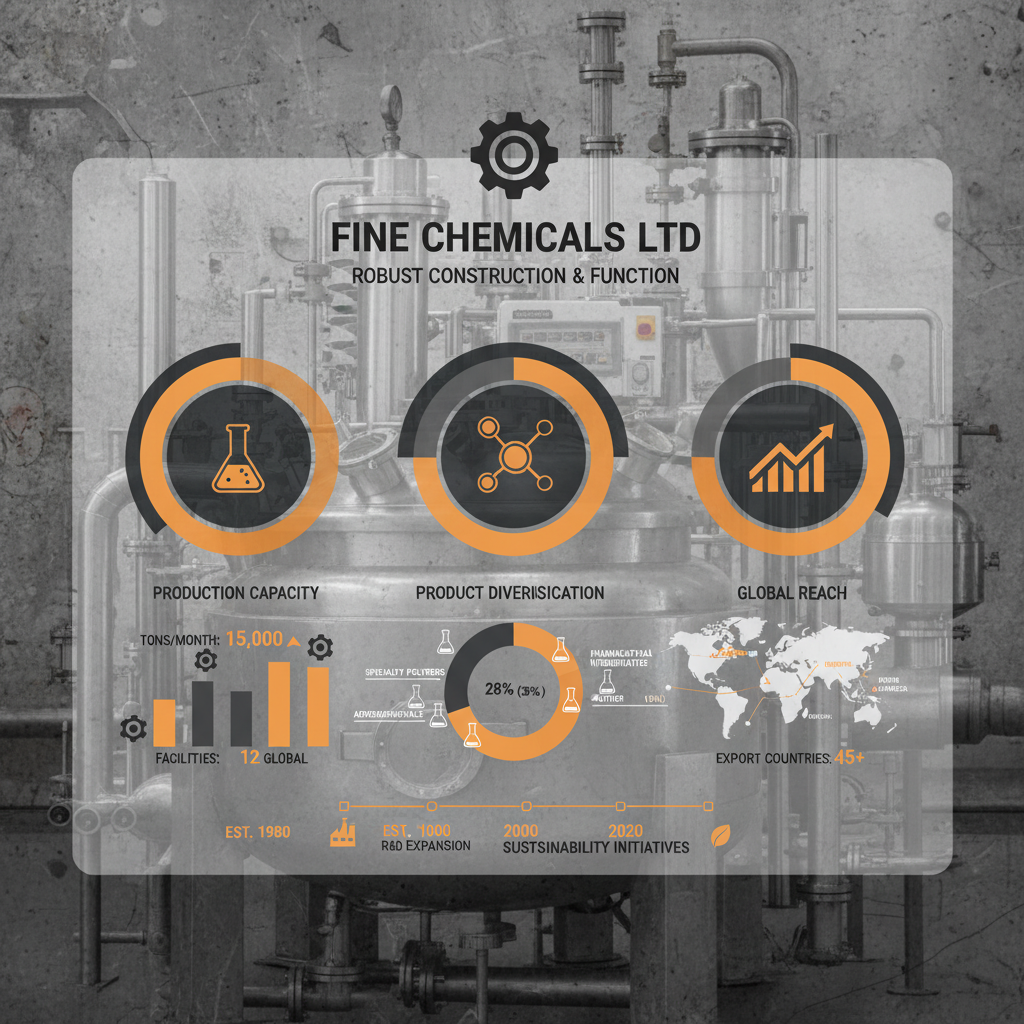
Fine chemicals ltd represent a vital cornerstone of modern industry and innovation, impacting sectors from pharmaceuticals and agrochemicals to electronics and specialty materials. These complex, single, pure chemical substances are manufactured in limited volumes, often to precise specifications, distinguishing them from commodity chemicals produced on a massive scale. The increasing demand for tailored chemical solutions drives the continued growth and evolution of fine chemicals ltd, necessitating advancements in synthesis, purification, and analytical techniques. Understanding the intricacies of this field is paramount for researchers, manufacturers, and policymakers alike, as it directly influences product quality, process efficiency, and overall economic competitiveness.
Globally, the fine chemicals industry is a multi-billion dollar market experiencing consistent expansion, driven by the rise of personalized medicine, sustainable agriculture, and technological advancements. According to reports from organizations like the UN and the World Bank, the demand for specialized chemical compounds is projected to increase significantly in emerging economies, particularly in Asia-Pacific. This growth necessitates continuous investment in research and development, alongside adherence to stringent regulatory standards (ISO 9001, REACH compliance) to ensure product safety and environmental responsibility.
However, this growth also presents challenges, including supply chain vulnerabilities, increasing raw material costs, and the need for more sustainable manufacturing processes. Addressing these issues requires collaborative efforts across the industry, promoting innovation in green chemistry and fostering resilient supply networks.
The Significance of Fine Chemicals ltd
The significance of fine chemicals ltd extends far beyond their role as mere building blocks; they are the enablers of countless innovations across diverse industries. From life-saving pharmaceuticals and high-performance materials to advanced diagnostics and sustainable agricultural solutions, fine chemicals ltd are integral to progress. Their unique properties and tailored compositions allow for the creation of highly specialized products, catering to specific needs and driving competitive advantage.
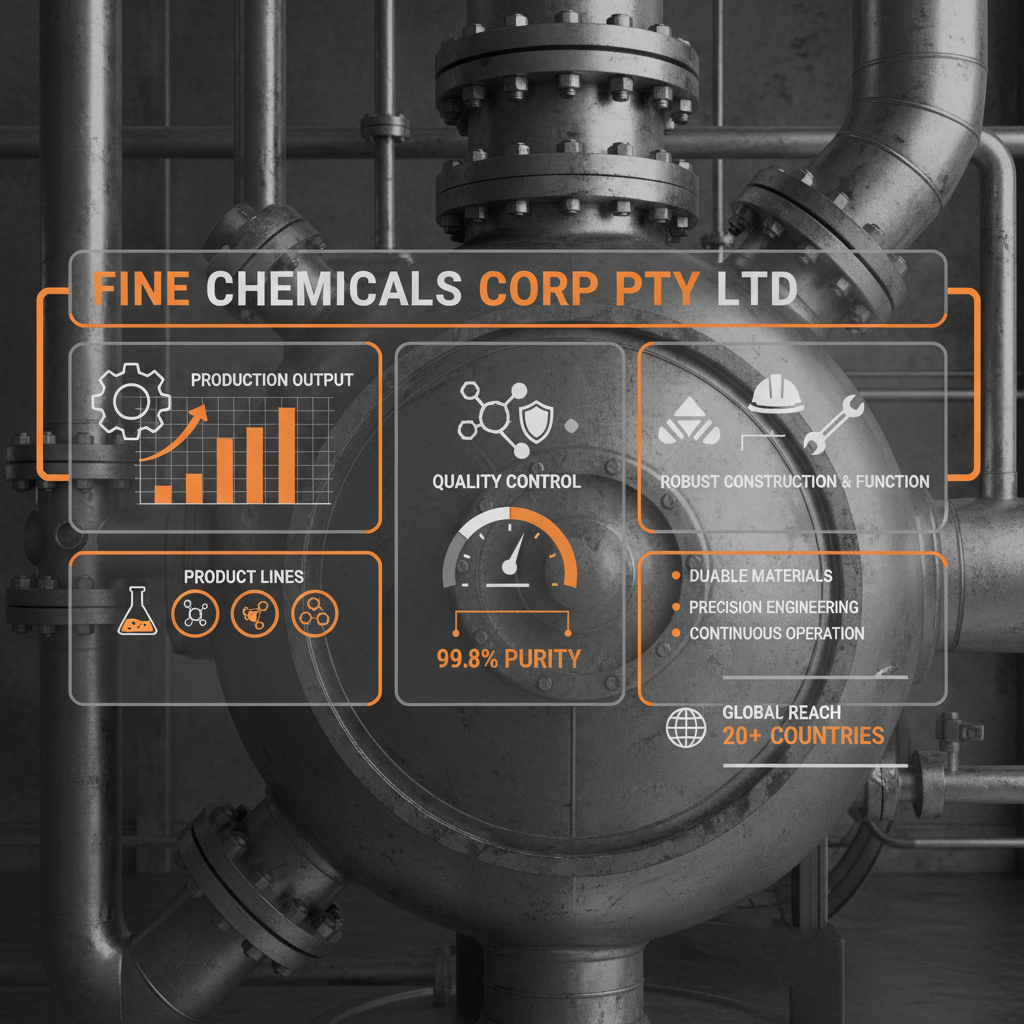
The production of fine chemicals ltd necessitates a high degree of precision, expertise, and quality control. Manufacturers must adhere to rigorous standards to ensure product purity, consistency, and compliance with regulatory requirements, ultimately impacting the efficacy and safety of end products. This commitment to excellence is what sets fine chemicals ltd apart and solidifies their importance in a globalized marketplace.
Global Context and Industry Relevance
The global fine chemicals industry is a complex network of manufacturers, distributors, and end-users, characterized by intense competition and rapid technological advancements. The industry’s growth is closely tied to the overall health of the global economy, particularly the performance of key sectors such as pharmaceuticals, agrochemicals, and electronics. Emerging economies, with their increasing disposable incomes and growing demand for specialized products, represent significant growth opportunities for fine chemicals ltd.
Regulatory frameworks, such as REACH in Europe and the FDA regulations in the United States, play a crucial role in shaping the industry landscape, impacting manufacturing processes, product registration, and market access. Compliance with these regulations is essential for companies operating in the fine chemicals sector, requiring substantial investments in research, development, and quality control.
The industry is also facing increasing pressure to adopt sustainable manufacturing practices, driven by environmental concerns and growing consumer awareness. Green chemistry principles, such as using renewable feedstocks and minimizing waste generation, are becoming increasingly important for maintaining a competitive edge and ensuring long-term viability.
Defining Fine Chemicals ltd
Fine chemicals ltd are complex, single, pure chemical substances produced in limited volumes, typically ranging from kilograms to tons per year. They are distinguished from commodity chemicals, which are produced in large quantities with less stringent purity requirements. Fine chemicals ltd are characterized by their well-defined chemical structures and high purity levels, often exceeding 99%.
Unlike commodity chemicals that serve broad industrial applications, fine chemicals ltd are tailored to specific purposes, often acting as key ingredients in complex formulations or serving as intermediates in multi-step synthesis processes. Their applications span a vast range of industries, including pharmaceuticals (APIs and intermediates), agrochemicals (pesticides and herbicides), specialty polymers, flavors and fragrances, and electronic materials.
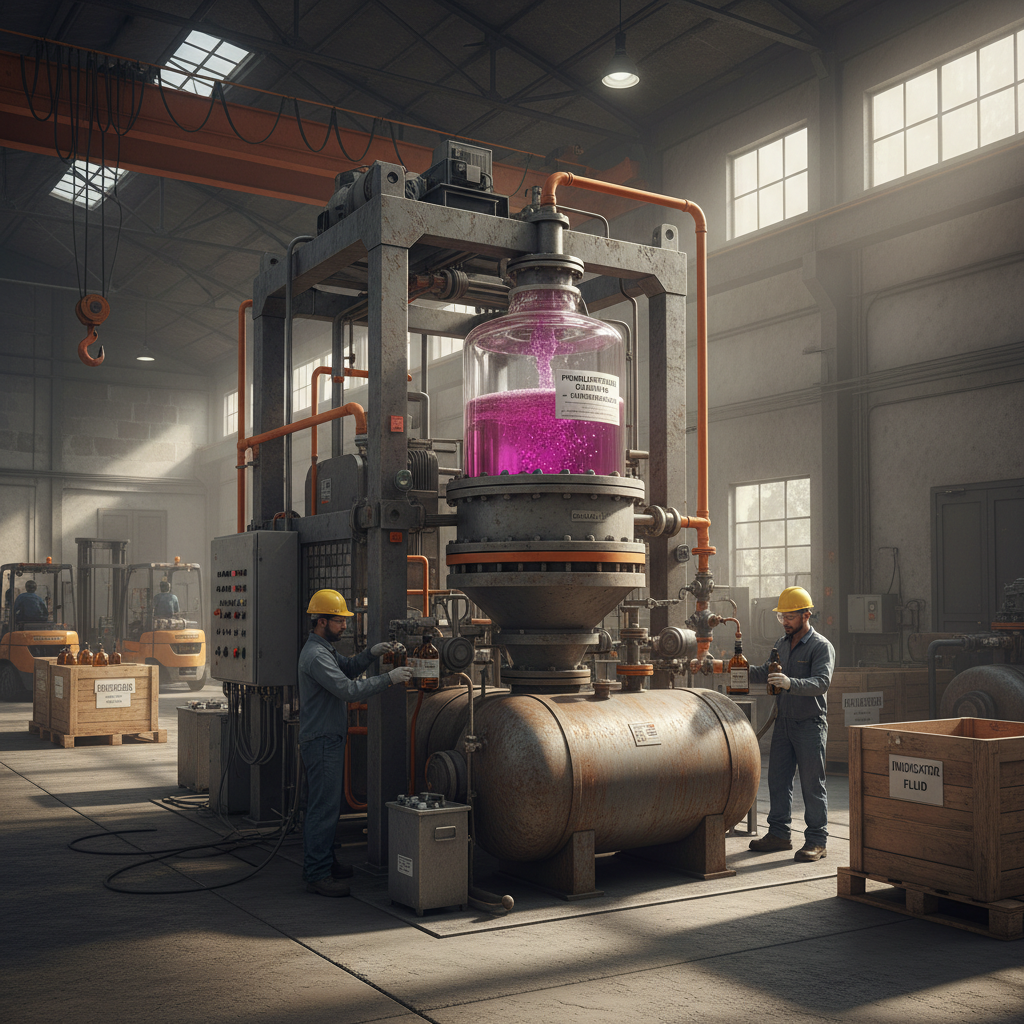
The production of fine chemicals ltd typically involves complex chemical synthesis routes, requiring specialized equipment, skilled personnel, and stringent quality control measures. These chemicals are often manufactured on a contract basis, with companies outsourcing production to specialized fine chemical manufacturers like fine chemicals ltd to leverage their expertise and infrastructure.
Core Characteristics of Fine Chemicals ltd
Several core characteristics define fine chemicals ltd and distinguish them from other chemical categories. Firstly, Purity is paramount, demanding high concentrations of the target compound and minimal impurities, often exceeding 99%. Secondly, Complexity in molecular structure is common, frequently involving multiple functional groups and chiral centers, necessitating sophisticated synthesis techniques.
Thirdly, Specialization is key, with each chemical tailored to a specific application or function, unlike commodity chemicals with broader uses. Fourthly, Limited Volume production defines the industry, as these compounds are manufactured in relatively small quantities compared to mass-produced chemicals. Finally, High Added Value reflects the cost of research, development, and specialized manufacturing required to produce these chemicals.
Quality Control Metrics for fine chemicals ltd
Applications Across Industries
Fine chemicals ltd are essential across a multitude of industries. In the pharmaceutical sector, they form the active pharmaceutical ingredients (APIs) and crucial intermediates for drug synthesis, impacting the development of life-saving medications. Within agrochemicals, they are key components in pesticides, herbicides, and fertilizers, contributing to food security and agricultural productivity.
The electronics industry relies heavily on high-purity fine chemicals ltd for manufacturing semiconductors, displays, and other electronic components. Specialty polymers, utilized in automotive, aerospace, and construction, often incorporate customized fine chemicals ltd to achieve desired performance characteristics. Even the flavors and fragrances industry depends on unique and precisely formulated fine chemicals ltd to create distinct sensory experiences.
Advantages and Long-Term Value
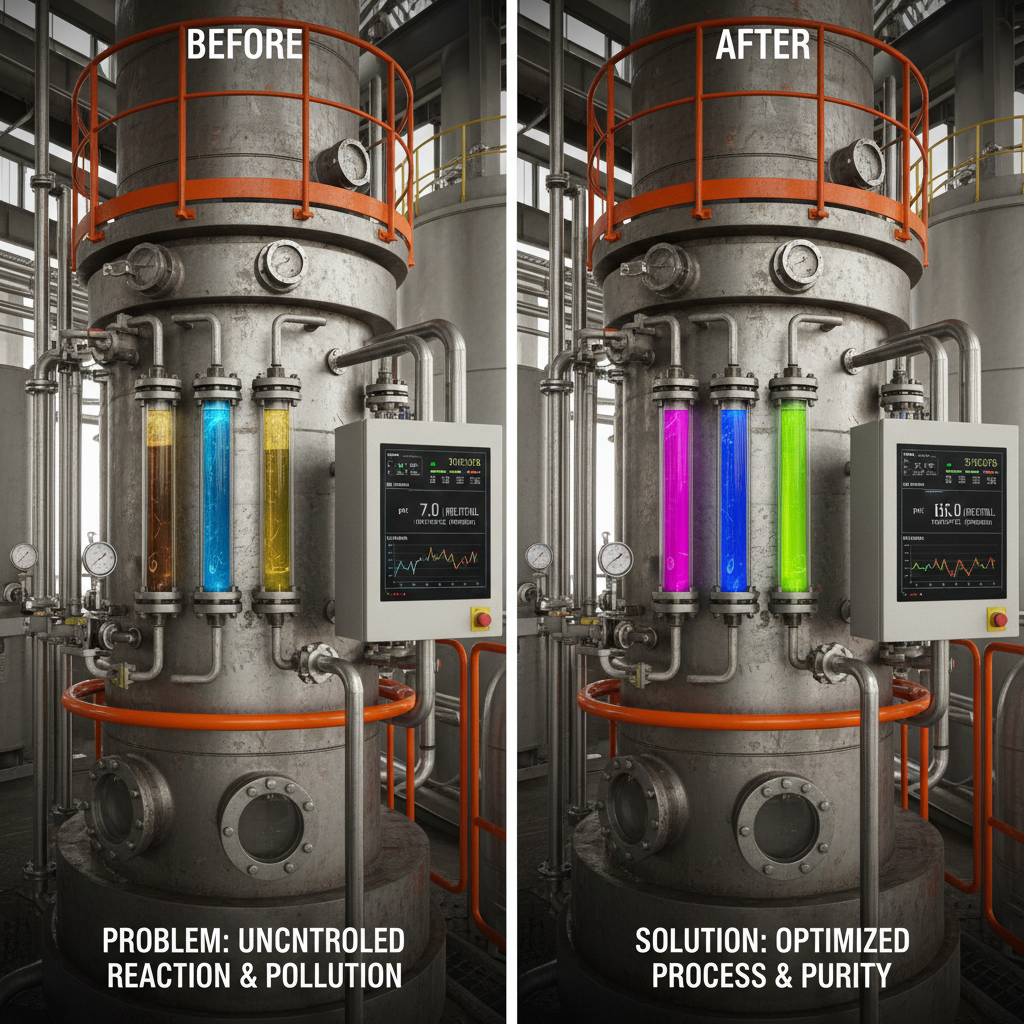
The advantages of utilizing fine chemicals ltd extend beyond functional performance. Cost-effectiveness can be achieved through optimized synthesis routes and efficient production processes, particularly when partnering with experienced manufacturers like fine chemicals ltd. Sustainability is increasingly prioritized, with the development of green chemistry approaches minimizing environmental impact.
Furthermore, fine chemicals ltd offer a significant social impact through the advancement of healthcare, food production, and technological innovation. Reliability in supply and consistent product quality build trust and foster long-term partnerships. These chemicals enable safer, more effective products, enhancing quality of life and driving economic growth.
Future Trends and Innovation
The future of fine chemicals ltd is poised for significant advancements driven by emerging technologies. Continuous flow chemistry and microreactors offer enhanced control and efficiency in synthesis. Biocatalysis and enzyme engineering provide sustainable alternatives to traditional chemical methods. Digitalization and automation are streamlining processes, improving quality control, and reducing costs.
Furthermore, increased focus on circular economy principles and waste valorization will drive the development of innovative recycling and repurposing strategies for chemical byproducts. The integration of artificial intelligence (AI) and machine learning (ML) will accelerate research and development, enabling the discovery of novel chemical compounds and optimized synthesis routes.
These advancements, combined with a growing emphasis on green chemistry and sustainability, will shape the future of fine chemicals ltd, creating new opportunities for innovation and growth.
FAQS
Outsourcing provides access to specialized expertise, advanced equipment, and scalable production capabilities, reducing internal costs and accelerating time to market. It also allows companies to focus on their core competencies—research and development or marketing—rather than investing heavily in manufacturing infrastructure. Expert manufacturers ensure stringent quality control and adherence to regulatory standards.
We prioritize client confidentiality through robust non-disclosure agreements (NDAs), secure data management systems, and restricted access protocols. Our facilities employ strict security measures to prevent unauthorized access, and all personnel are trained on IP protection policies. We also offer dedicated project teams and segregated manufacturing areas for sensitive projects.
We implement a comprehensive quality control system encompassing rigorous raw material testing, in-process monitoring, and final product analysis using advanced analytical techniques like HPLC, GC-MS, and NMR. We adhere to strict quality standards such as ISO 9001 and operate under cGMP guidelines, ensuring consistent product quality and traceability.
Yes, we specialize in complex multi-step organic synthesis and possess extensive experience handling challenging chemical reactions, including asymmetric synthesis, chiral resolution, and heterocyclic chemistry. Our team of experienced chemists and state-of-the-art facilities enable us to tackle even the most demanding synthetic projects.
Turnaround time varies depending on the complexity of the synthesis, the quantity required, and the availability of starting materials. We provide detailed project timelines during the quoting process, with regular updates on progress. Generally, simple syntheses can be completed within a few weeks, while more complex projects may take several months.
Absolutely. We provide seamless scale-up services, transitioning from milligram-scale research quantities to kilogram-scale production to meet the evolving needs of our clients. Our flexible manufacturing facilities and experienced process development team ensure efficient and reliable scale-up without compromising product quality.
Conclusion
In conclusion, fine chemicals ltd play a critical and multifaceted role in driving innovation and progress across a vast spectrum of industries. From enabling life-saving pharmaceuticals to enhancing agricultural productivity and powering technological advancements, these specialized chemical compounds are indispensable to modern society. Their unique properties, coupled with stringent quality control and increasingly sustainable manufacturing practices, position them as key enablers of economic growth and societal well-being.
Looking ahead, the future of fine chemicals ltd is poised for transformative growth fueled by emerging technologies, a commitment to sustainability, and a growing demand for customized chemical solutions. Companies like fine chemicals ltd, with their expertise, advanced capabilities, and dedication to quality, will be instrumental in shaping this future, fostering innovation and addressing the evolving needs of a dynamic global marketplace. Visit our website today to explore how we can support your chemical needs.