Welcome to Tangshan Moneide Trading Co., Ltd.





Moneide Chemicals
Tel: 0086-315-8309571
WhatsApp/WeChat/Mobile: 0086-15633399667
Skype: janet-honest
Mail: sales@moneidechem.com
Address: 2-7-523 Jidong Building Materials Commercial Center, Tangshan, Hebei 064000 China
Sodium Formaldehyde Bisulphite – Industrial Applications, Benefits & Future Trends
- Time of issue:Nov . 29, 2025 23:05
(Summary description)Tangshan Moneide Trading Co., Ltd. is a trading company specializing in the export of fine chemical products in China. Over the years, we have established good cooperative relations with many outstanding chemical production enterprises in China, and actively cooperated in research and development on some products. Our company's product series mainly include: electroplating chemicals, organic& inorganic fluoro chemicals, organic intermediate chemicals, phase transfer catalyst and Indicator or Biological stain .
- Categories:Company dynamic
- Author:
- Origin:
- Time of issue:2019-12-30 10:55
- Views:
Sodium formaldehyde bisulphite (SFB) might sound like a lab-only, specialized chemical — and in many ways it is — but its importance spans far beyond the confines of a research vessel or industrial plant. Globally, this compound plays a pivotal role in water treatment, textile processing, and even in the food industry. Understanding it isn't just for chemists; it’s crucial for industries that want to optimize processes, reduce environmental footprints, and improve product longevity.
Why the attention? Its remarkable capability as a reducing agent and preservative carries broad-reaching implications — tackling challenges from water pollution to the preservation of dyes on textiles, and even improving certain manufacturing efficiency metrics. For industries striving for sustainability and cost efficiency, fully grasping sodium formaldehyde bisulphite’s potential means better product quality, less wastage, and smoother workflows.
Mini takeaway: Even though sodium formaldehyde bisulphite is a niche chemical, its global impact on industrial processes and environmental protection makes it worth knowing.
In the wider arena of industrial chemistry, the global market for reducing and preservative agents is expected to grow steadily, per reports from the International Chemical Safety organizations. According to the United Nations Environment Programme, water contamination remains a persistent challenge worldwide — impacting over two billion people who lack safe drinking water. Chemicals like sodium formaldehyde bisulphite come into the picture here, offering effective means to mitigate certain pollutants and improve water safety.
Beyond environmental applications, industries such as textiles, paper, and leather manufacturing increasingly rely on SFB for its bleaching and anti-chlorine properties. In India, China, and parts of Europe, textile factories use sodium formaldehyde bisulphite extensively to stabilize dyes and prevent degradation — a small but critical step influencing export quality.
That said, the compound’s role is also wrapped in challenges: handling safety, regulatory compliance, and the quest for greener alternatives remain hot topics as we progress toward stricter sustainability mandates.
Mini takeaway: The relevance of sodium formaldehyde bisulphite ties into solving global water and industrial process issues, but responsibly managing its use is key.
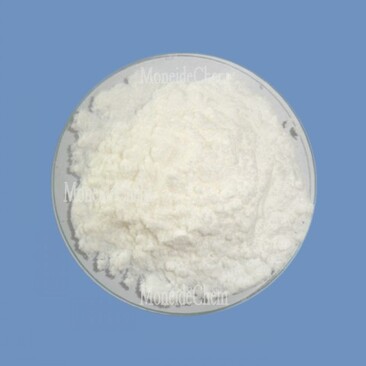
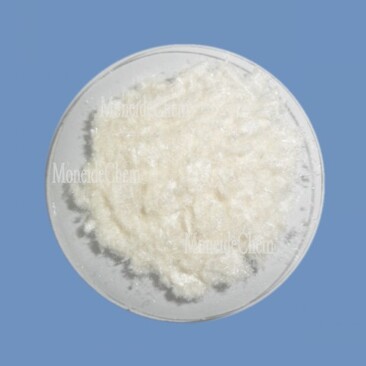
Simply put, sodium formaldehyde bisulphite is a white, crystalline powder, water-soluble, and known chemically as a bisulphite addition compound formed by formaldehyde and sodium bisulfite. Industrially, it functions primarily as a reducing agent — meaning it can donate electrons in reactions — and as a preservative or stabilizer in manufacturing processes.
Think of it like a chemical assistant that helps certain reactions proceed or pauses others, protecting products like dyes from bleaching out or preventing over-oxidation during water treatment. It's a subtle but significant player behind the curtain.
Mini takeaway: Sodium formaldehyde bisulphite’s unique chemistry makes it invaluable for reducing and preserving in a variety of industrial contexts.
At heart, sodium formaldehyde bisulphite donates electrons to neutralize harmful oxidizers. This property is widely exploited in water treatment — removing chlorine and other residues that can be damaging or toxic.
Its presence helps stabilize textile dyes and paper pulp during bleaching, preventing discoloration or breakdown, which in turn enhances product durability and appearance.
Being water-soluble means it can be easily introduced into aqueous systems without complex preparation, making it practical for large-scale industrial applications.
Sodium formaldehyde bisulphite is relatively affordable compared to some alternatives, making it a go-to choice in regions balancing industrial demands with tight budgets.
From cosmetics to sludge processing, the compound can be adapted to varied uses — a flexibility that keeps it in demand.
Mini takeaway: Its reducing ability, preservative power, solubility, cost, and versatility combine to explain why this compound remains an enduring industrial workhorse.
Its applications span multiple industries and geographies:
For instance, in disaster relief zones — where water purification is urgent — sodium formaldehyde bisulphite can help neutralize chlorine after disinfection, making water safer to drink and reducing chemical odors.
Mini takeaway: This compound’s broad industry reach emphasizes its global relevance, impacting everything from fashion to clean water.
On a straightforward level, sodium formaldehyde bisulphite can significantly lower costs by reducing chemical waste and improving efficiency. However, its long-term value includes:
Mini takeaway: Beyond price and performance, the sustainable and social angles of sodium formaldehyde bisulphite are invaluable for the long haul.
The future is tilting towards greener chemistry and digital monitoring. Among the exciting developments:
Mini takeaway: Innovation in material science and regulation will shape how sodium formaldehyde bisulphite fits into tomorrow’s sustainable industries.
No chemical is perfect. With SFB, challenges include:
Experts recommend proper industrial hygiene practices, stabilized formulations, and adherence to environmental regulations. Advances in formulation chemistry are also mitigating some of these issues, making SFB safer and more user-friendly.
Mini takeaway: Awareness and innovation are key to turning sodium formaldehyde bisulphite’s challenges into manageable factors. Its strongest suits are water treatment — where it dechlorinates treated water — and textile manufacturing, where it preserves dye quality. It's also commonly used in paper bleaching and sometimes in food preservation, depending on regulations. While generally safe when used properly, it contains formaldehyde derivatives which are irritants. Proper PPE (gloves, masks) and ventilation are necessary, especially for bulk handling. Many industrial users adhere strictly to OSHA or regional safety standards. Indirectly, yes. By removing excess chlorine and controlling oxidation, it reduces release of harmful compounds into waterways. However, improper disposal can cause sulfite pollution, so responsible use is essential. Many chemical suppliers globally provide it, often with certifications like ISO or REACH. Companies typically coordinate with distributors or directly with manufacturers to meet customs and regulatory requirements. For instance, detailed SDS and compliance docs help smooth imports. Research into bio-based reducing agents and greener preservatives is ongoing, but currently, SFB remains a cost-effective and reliable choice. Companies are advised to monitor emerging options while improving handling to minimize environmental impact.
In the end, sodium formaldehyde bisulphite is one of those unsung heroes quietly bolstering multiple industries you might not even realize it touches. From cleaner water systems to vibrant fabrics that last, this chemical underscores the complex dance between chemistry, sustainability, and economic realities.
If you want to explore sourcing, technical data sheets, or consult on how to integrate sodium formaldehyde bisulphite responsibly in your operations, visit our website. It’s always a good idea to stay informed as industries move forward towards more sustainable and efficient solutions.
Understanding Sodium Formaldehyde Bisulphite: Why It Matters Globally
Global Context: Why Sodium Formaldehyde Bisulphite Matters Today
What Exactly Is Sodium Formaldehyde Bisulphite?
Core Properties Driving Practical Applications
1. Potent Reducing Agent
2. Stabilization & Preservation
3. Water Solubility & Ease of Use
4. Cost Efficiency
5. Versatility Across Industries
Where Is Sodium Formaldehyde Bisulphite Used Globally?
Advantages and Long-Term Value of Sodium Formaldehyde Bisulphite
Future Trends & Innovations in Sodium Formaldehyde Bisulphite Use
Challenges & Solutions in Practical Sodium Formaldehyde Bisulphite Applications
Product Specification Table
Specification
Detail
Chemical Formula
CH2(OH)SO3Na
Appearance
White crystalline powder
Solubility
Highly soluble in water
Purity
≥ 98%
Storage
Keep in cool, dry place; avoid moisture
Usage Concentration
Varies: 0.1% - 3% in water treatment & textile applications
Vendor Comparison Table
Feature
Vendor A
Vendor B
Vendor C
Purity (%)
99%
98.5%
98%
Price (per kg)
$2.40
$2.20
$2.35
Delivery Time
3-5 Days
5-7 Days
2-4 Days
Customer Support
24/7 Phone & Email
Business Hours Only
Email Only
Certifications
ISO 9001, REACH
REACH
ISO 9001
FAQ: Common Questions About Sodium Formaldehyde Bisulphite
Q1: What industrial processes most benefit from sodium formaldehyde bisulphite?
Q2: Is sodium formaldehyde bisulphite safe to handle in large quantities?
Q3: Can this chemical help reduce environmental pollution?
Q4: How can companies source sodium formaldehyde bisulphite internationally?
Q5: Does sodium formaldehyde bisulphite have eco-friendly alternatives?
Wrapping It Up: Why Knowing Sodium Formaldehyde Bisulphite Is Worth Your Time
References



Moneide Chemicals


