Welcome to Tangshan Moneide Trading Co., Ltd.





Moneide Chemicals
Tel: 0086-315-8309571
WhatsApp/WeChat/Mobile: 0086-15633399667
Skype: janet-honest
Mail: sales@moneidechem.com
Address: 2-7-523 Jidong Building Materials Commercial Center, Tangshan, Hebei 064000 China
Sodium Formaldehyde Bisulfite: Industrial Uses, Benefits & Global Applications
- Time of issue:Nov . 29, 2025 21:30
(Summary description)Tangshan Moneide Trading Co., Ltd. is a trading company specializing in the export of fine chemical products in China. Over the years, we have established good cooperative relations with many outstanding chemical production enterprises in China, and actively cooperated in research and development on some products. Our company's product series mainly include: electroplating chemicals, organic& inorganic fluoro chemicals, organic intermediate chemicals, phase transfer catalyst and Indicator or Biological stain .
- Categories:Company dynamic
- Author:
- Origin:
- Time of issue:2019-12-30 10:55
- Views:
Sodium formaldehyde bisulfite (often abbreviated as SFB) might not be a household name, but it quietly plays a significant role in various industries worldwide. This compound, which is a derivative of formaldehyde and bisulfite ions, is prized for its chemical properties that allow it to act as a reducing agent, preservative, and stabilizer. Around the globe, its applications range from the textile industry to water treatment, making it an essential yet underappreciated chemical. Grasping the nuances of sodium formaldehyde bisulfite unlocks practical benefits — from enhancing industrial efficiency to supporting environmental safety protocols.
In economic and environmental discussions today, understanding key industrial chemicals — including sodium formaldehyde bisulfite — matters more than ever. Its versatile roles help industries overcome contamination challenges, reduce harmful byproducts, and maintain product consistency, which ultimately benefits global markets and sustainable development goals.
The global chemical industry is a behemoth, valued at trillions of dollars and underpinning most manufacturing sectors. Chemicals like sodium formaldehyde bisulfite contribute quietly but critically to manufacturing processes that boost economies and improve living standards. The United Nations Industrial Development Organization (UNIDO) highlights the importance of chemicals that can reduce water pollution and improve product quality, and SFB fits this bill well.
For instance, according to UNIDO, industries that incorporate sodium formaldehyde bisulfite report fewer impurities in their output and less environmental stress. Yet, it also addresses real-life problems — elevated levels of formaldehyde in waste streams can be hazardous, but sodium formaldehyde bisulfite’s reducing properties help neutralize this threat efficiently.
Oddly enough, some sectors still overlook its potential, relying on older, less sustainable solutions. It’s clear the chemical’s role is vital in moving toward cleaner industrial processes globally.
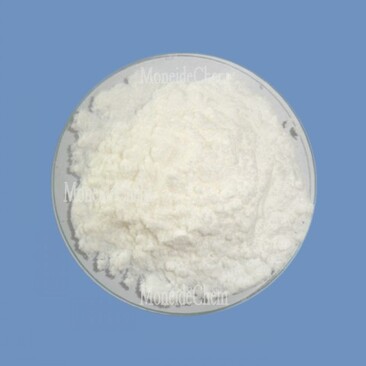
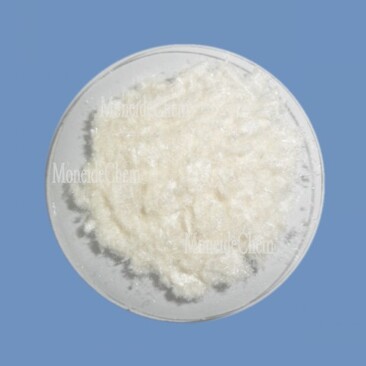
So, what exactly is sodium formaldehyde bisulfite? Simply put, it is a white crystalline powder with the chemical formula NaHSO3·CH2O. It forms when formaldehyde reacts with sodium bisulfite, creating a stable adduct. This makes it water-soluble, quite reactive, and capable of releasing sulfite ions under certain conditions.
It's commonly used as a reducing agent — that is, it donates electrons to other substances during chemical reactions. Think of it as a helpful middleman that can stabilize sensitive compounds or prevent oxidation.
The compound finds its way into detergents, water treatment, textile bleaching, and even the food industry as a preservative. So it’s more connected to our daily lives than you might think.
Sodium formaldehyde bisulfite is valued for its stability in solid form and ease of dissolution in water. This combination makes it easy to store, handle, and apply in various processes.
Its primary function is as a reducing agent, which is crucial in industries where oxidation leads to quality degradation — like in textile bleaching or water treatment plants.
It helps prevent bacterial growth, which is why it sees use as a preservative in some cosmetics and food products.
SFB can neutralize residual chlorine in water to avoid corrosive effects and reduce harmful disinfection byproducts.
It assists in reducing formaldehyde emissions during production processes, which benefits both workers and the environment.
The real magic of sodium formaldehyde bisulfite is in its applications, which range across continents and sectors:
I heard from several engineers and industry veterans that in post-disaster relief operations, quick water purification methods often rely on chemicals related to SFB for rapid detoxification, although direct use can be limited due to its handling precautions.
Let’s be honest — many chemicals come and go, but sodium formaldehyde bisulfite keeps its place because it blends cost-effectiveness with strong functional benefits:
It’s interesting to observe how even established chemicals like sodium formaldehyde bisulfite keep evolving in their applications. Several trends currently shaping its future include:
Despite its advantages, sodium formaldehyde bisulfite is not without challenges:
Industry experts recommend:
It acts as a reducing agent to remove residual chlorine from bleached fabrics, preventing damage, discoloration, and maintaining fabric strength. Simply put, it protects your material post-bleaching, resulting in higher quality textiles and less waste.
When applied correctly, yes. It helps neutralize residual chlorine and prevents formation of harmful byproducts. However, strict handling protocols must be followed because improper use could release formaldehyde vapors.
It is used in some countries to inhibit microbial growth in dried fruits and seafood, but its usage is regulated and not universally approved. Always check local food safety standards before using it in consumables.
Store in cool, dry, airtight containers to avoid moisture ingress and decomposition. Maintaining temperatures between 15-30°C extends shelf life to about 12 months. Proper storage is essential to preserve chemical integrity.
SFB strikes a balance of affordability, ease of handling, and effectiveness. While others may offer higher purity or specialized properties, SFB’s versatility and availability make it a popular choice in many industrial settings.
Sodium formaldehyde bisulfite might not headline tomorrow’s chemical innovations, but its foundation remains strong and its roles diverse. From textile mills in Asia to water plants in Europe, this compound helps improve quality and environmental outcomes quietly but effectively.
For anyone curious about reliable chemical agents that balance cost, efficiency, and safety — it’s worth keeping sodium formaldehyde bisulfite on your radar. To explore product details, availability, or consulting services regarding sodium formaldehyde bisulfite, visit our website.
Mini takeaway: Sodium formaldehyde bisulfite is an industrial multitasker — reducing oxidation, stabilizing products, and even aiding sustainability efforts — deserving a closer look for smarter chemical management.
Understanding Sodium Formaldehyde Bisulfite: A Quiet Powerhouse in Industry
Why Sodium Formaldehyde Bisulfite Matters Globally
Defining Sodium Formaldehyde Bisulfite Simply
Key Characteristics and Functional Aspects
1. Chemical Stability
2. Reducing Capacity
3. Preservation & Antimicrobial Effects
4. Water Treatment Applications
5. Environmental Safety
Property
Typical Value
Unit
Appearance
White crystalline powder
-
Purity
≥ 95%
%
pH (1% solution)
4.5 - 5.5
-
Solubility in Water
Highly soluble
-
Storage Temperature
15-30
°C
Shelf Life
12 months
-
How Industries Use Sodium Formaldehyde Bisulfite Around the World
Why Sodium Formaldehyde Bisulfite Stands Out: Benefits & Long-Term Value
Looking Ahead: Innovations and Trends in the Use of Sodium Formaldehyde Bisulfite
Common Challenges and How the Industry is Answering Them
Vendor
Product Purity
Country of Origin
Average Price (per kg)
Certification
Moneide Chemicals
≥ 98%
China
$1.20
ISO 9001
Sigma-Aldrich
≥ 99%
USA
$3.50
ISO 13485
Kemira Chemicals
≥ 97%
Finland
$2.00
ISO 9001
FAQ: Your Top Questions About Sodium Formaldehyde Bisulfite
1. How does sodium formaldehyde bisulfite enhance textile processing?
2. Is sodium formaldehyde bisulfite safe to use in water treatment?
3. Can sodium formaldehyde bisulfite be used as a food preservative?
4. How should sodium formaldehyde bisulfite be stored to maintain effectiveness?
5. What makes sodium formaldehyde bisulfite preferable to other reducing agents?
Wrapping Things Up: Why Sodium Formaldehyde Bisulfite Remains Relevant
References




Moneide Chemicals


