Welcome to Tangshan Moneide Trading Co., Ltd.






Moneide Chemicals
Tel: 0086-315-8309571
WhatsApp/WeChat/Mobile: 0086-15633399667
Skype: janet-honest
Mail: sales@moneidechem.com
Address: 2-7-523 Jidong Building Materials Commercial Center, Tangshan, Hebei 064000 China
Comprehensive Guide to Sodium Formaldehyde Bisulfite Uses – Industrial & Environmental Insights
- Time of issue:Nov . 30, 2025 02:30
(Summary description)Tangshan Moneide Trading Co., Ltd. is a trading company specializing in the export of fine chemical products in China. Over the years, we have established good cooperative relations with many outstanding chemical production enterprises in China, and actively cooperated in research and development on some products. Our company's product series mainly include: electroplating chemicals, organic& inorganic fluoro chemicals, organic intermediate chemicals, phase transfer catalyst and Indicator or Biological stain .
- Categories:Company dynamic
- Author:
- Origin:
- Time of issue:2019-12-30 10:55
- Views:
Sodium formaldehyde bisulfite might sound like a mouthful, but its uses are surprisingly wide-ranging and, frankly, more important than you might assume. This chemical compound has slipped quietly into many industrial and humanitarian applications worldwide — from water treatment to textile bleaching and even food preservation. Getting to know it better isn’t just a technical exercise; it helps us understand a vital piece of the modern chemical puzzle that supports diverse sectors globally. Why does this matter on a broader scale? According to data from the United Nations Environment Programme (UNEP), efficient chemical agents like sodium formaldehyde bisulfite aid in reducing environmental toxicity and support sustainable industrial processes. Industries worldwide are under rising pressure to adopt greener, cost-effective solutions — and sodium formaldehyde bisulfite checks some crucial boxes. Mini takeaway: Sodium formaldehyde bisulfite is a versatile industrial chemical quietly enabling key processes behind the scenes, helping to support sustainability and efficiency in many sectors. Global industry trends point to a rapidly growing demand for multifunctional and less toxic chemical agents. Data from the International Organization for Standardization (ISO) suggests the chemical processing sector has increased its use of bisulfite-based compounds by nearly 15% over five years, as countries implement stricter environmental controls. Particularly, the rise in water treatment and textile production in Asia-Pacific and Latin America is driving a surge in need for sodium formaldehyde bisulfite applications. One key challenge sodium formaldehyde bisulfite addresses is the need for an effective reducing and bleaching agent that is safer and more environmentally friendly than older alternatives. Textile industries, for instance, grapple with wastewater pollution — and this compound offers a balance between potency and lower ecological impact. Mini takeaway: Driven by increasing environmental regulations and industrial growth, sodium formaldehyde bisulfite uses are expanding especially in water treatment and textiles worldwide. Simply put, sodium formaldehyde bisulfite is a chemical additive used primarily as a reducing agent, bleaching agent, and preservative. It’s often employed to remove excess chlorine from solutions, help in dyeing textiles, and prolong freshness in some food products. In industry, it's prized because it reacts selectively and mitigates harmful byproducts. For example, did you know it’s used in wastewater treatment plants to detoxify chlorine? That’s crucial for protecting aquatic life downstream. On the humanitarian side, sodium formaldehyde bisulfite assists by ensuring safe water supplies during relief efforts, by neutralizing chlorine residues in emergency water purification. Mini takeaway: This chemical is a multitasker — key in treating water, bleaching textiles, and preserving foods — making it an industrial and humanitarian staple. Its ability to selectively reduce strong oxidizers underpins many applications. For instance, textile manufacturers rely on it to remove unwanted chlorine from cloth without damaging fibers — it’s sort of like a gentle but effective chemical eraser. This compound works well with various industrial chemicals — and remains stable under different pH levels, making it an all-around reliable partner in manufacturing processes. Compared to other reducing and bleaching agents, it’s often cheaper and easier to handle. This cost advantage is especially important for small to mid-sized factories adopting cleaner tech without breaking the bank. Its relatively lower toxicity and biodegradability make it increasingly preferred as regulations clamp down on hazardous chemicals. It boasts a decent shelf life under appropriate conditions, reducing waste and limiting the need for frequent repurchasing — a subtle but appreciated industrial benefit. Mini takeaway: Sodium formaldehyde bisulfite stands out due to its effective reducing power, stability, cost-effectiveness, and better environmental profile. Oddly enough, you might find sodium formaldehyde bisulfite in places you wouldn’t expect. Let’s take a quick world tour: Mini takeaway: Sodium formaldehyde bisulfite’s global footprint spans from industrial hubs to humanitarian frontlines, proving its unique versatility. Beyond the immediate industrial uses, the compound delivers multiple broader benefits. For example, in water treatment, it not only removes harmful chlorine but does so with minimal environmental disruption — helping utilities maintain compliance and community health. Socially, using such compounds supports safer workplaces, because they generate fewer toxic fumes compared to older, harsher chemicals. This translates into employee well-being and often better retention rates. Economically, the combined benefits of cost, longevity, and adaptability help small and large businesses move towards greener production without sacrificing output quality. In terms of innovation, it’s a bridge compound for transitioning industries towards more sustainable chemicals. Mini takeaway: Sodium formaldehyde bisulfite’s advantages stretch from economic savings to social and environmental gains, underscoring its valuable role in modern industry. Innovation in this space isn’t headline-grabbing but it’s quietly happening. Industry insiders hint at formulations that reduce formaldehyde release, tackling regulatory concerns further. There’s also ongoing work to integrate biobased components, marrying green chemistry with proven function. On a policy side, tighter environmental rules globally will boost demand for chemicals offering both performance and compliance ease — so expect rising sodium formaldehyde bisulfite adoption. Digital process monitoring is another trend — smart sensors combined with dosing controls optimize this compound’s use, reducing waste and cost. Mini takeaway: Advances in formulation, regulatory support, and digital dosing point toward an even brighter, greener future for sodium formaldehyde bisulfite applications. Not everything’s perfect — controlling formaldehyde emissions during the compound’s breakdown can be tricky, and improper storage may degrade its efficacy. Some industries still hesitate due to legacy equipment incompatibility. Experts recommend: With these measures, many of the problems become manageable, turning sodium formaldehyde bisulfite uses into more reliable processes. Q1: How does sodium formaldehyde bisulfite improve textile bleaching? Q2: Is sodium formaldehyde bisulfite safe for use in water treatment? Q3: Can sodium formaldehyde bisulfite be stored long-term? Q4: Are there greener alternatives to sodium formaldehyde bisulfite? So there you have it — sodium formaldehyde bisulfite is one of those quietly indispensable chemicals underpinning industries and humanitarian efforts worldwide. Its range of uses balance efficiency, cost, and environmental concerns better than many alternatives. In a world keen on sustainability but still hungry for progress, solutions like this compound feel like a welcome bridge. If your business or project deals with water treatment, textiles, food preservation, or emergency relief, this chemical might just be the missing piece to optimize your process. To explore quality suppliers, in-depth technical data, or practical implementation tips, do visit sodium formaldehyde bisulfite uses. Mini takeaway: Sodium formaldehyde bisulfite stands as a versatile, cost-effective, and eco-friendlier chemical helping industries adapt to tomorrow’s challenges today.Understanding Sodium Formaldehyde Bisulfite Uses: A Global Perspective
The Global Context: Why Sodium Formaldehyde Bisulfite Uses Are Growing
What Exactly Are Sodium Formaldehyde Bisulfite Uses?
Core Components of Sodium Formaldehyde Bisulfite Uses
1. Reducing Agent Efficiency
2. Compatibility and Stability
3. Cost Efficiency
4. Environmental Compliance
5. Shelf Life and Storage
Practical Applications Across the Globe
Advantages and Long-Term Value of Using Sodium Formaldehyde Bisulfite
Future Trends and Innovations in Sodium Formaldehyde Bisulfite Uses
Challenges in Current Use & How to Overcome Them
Quick FAQ About Sodium Formaldehyde Bisulfite Uses
A1: It acts as a reducing agent to remove chlorine residues gently without damaging fibers, resulting in brighter, more durable fabrics.
A2: Yes, when properly dosed, it neutralizes chlorine effectively with lower environmental toxicity compared to older methods.
A3: It has a good shelf life if stored in sealed containers, away from moisture and extreme temperatures.
A4: Research is ongoing into bio-based reducers, but currently, sodium formaldehyde bisulfite balances cost and effectiveness well.Technical Specifications of a Typical Sodium Formaldehyde Bisulfite Product
Property
Specification
Typical Value
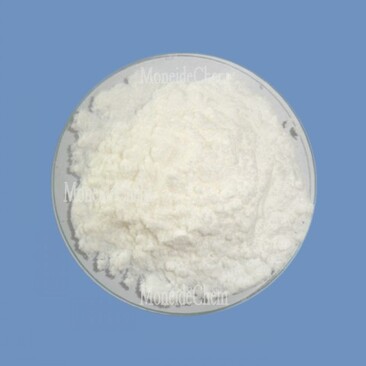
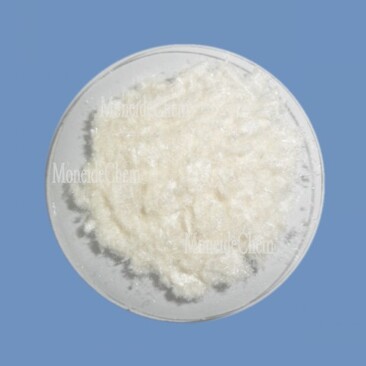
Appearance
White to Off-white Powder
White Powder
Active Ingredient Content
≥ 60%
62%
pH (1% Solution)
4.5 – 6.0
5.2
Moisture Content
≤ 5%
3.8%
Solubility
Water Soluble
Complete
Vendor Comparison for Sodium Formaldehyde Bisulfite Supply
Supplier
Product Grade
Minimum Order Quantity
Price (per ton)
Lead Time
Moneide Chemicals
Industrial Grade
1 Ton
$900 - $1,000
1 Week
Global Chem Supplies
Technical Grade
2 Tons
$950 - $1,050
2 Weeks
EcoChem Ltd.
Eco Grade
1 Ton
$1,050 - $1,200
1.5 Weeks
Wrapping Up: Why Sodium Formaldehyde Bisulfite Remains Essential
References & Further Reading


Moneide Chemicals


