Welcome to Tangshan Moneide Trading Co., Ltd.






Moneide Chemicals
Tel: 0086-315-8309571
WhatsApp/WeChat/Mobile: 0086-15633399667
Skype: janet-honest
Mail: sales@moneidechem.com
Address: 2-7-523 Jidong Building Materials Commercial Center, Tangshan, Hebei 064000 China
Comprehensive Guide to Wright's Stain Applications and Quality Control Procedures
- Time of issue:Mar . 28, 2026 02:35
(Summary description)Tangshan Moneide Trading Co., Ltd. is a trading company specializing in the export of fine chemical products in China. Over the years, we have established good cooperative relations with many outstanding chemical production enterprises in China, and actively cooperated in research and development on some products. Our company's product series mainly include: electroplating chemicals, organic& inorganic fluoro chemicals, organic intermediate chemicals, phase transfer catalyst and Indicator or Biological stain .
- Categories:Company dynamic
- Author:
- Origin:
- Time of issue:2019-12-30 10:55
- Views:
Wright's stain is a cornerstone in hematology and pathology, renowned for its ability to differentially stain blood cells for microscopic examination. This versatile stain is vital for diagnosing various blood disorders, infections, and other conditions. At Moneide Chemical, we supply high-quality Wright's stain, ensuring accurate and reliable results for laboratories and medical professionals worldwide. This article delves into the composition, uses, preparation, and quality control of Wright's stain, offering a detailed overview for its effective application. Wright's stain isn't a single dye; it's a mixture of eosin Y and methylene blue. Eosin Y stains acidic cellular components (like cytoplasm) a pinkish-red color, while methylene blue stains basic components (like the nucleus) a bluish-purple. The precise ratio of these dyes is crucial for optimal staining. The stain works by forming ionic bonds with cellular components, allowing for their differentiation under a microscope. Properly prepared Wright's stain provides excellent cellular morphology, aiding in accurate diagnosis. Key Highlights: Wright's stain is a complex mixture of eosin Y and methylene blue, each targeting different cellular components based on their ionic properties. The primary application of Wright's stain is in the examination of blood smears. This allows hematologists and pathologists to identify and quantify different types of blood cells, including red blood cells (erythrocytes), white blood cells (leukocytes), and platelets (thrombocytes). It is crucial for diagnosing conditions like anemia, leukemia, malaria, and various infections. The stain is also used in the microscopic examination of bone marrow aspirates, body fluids, and tissue samples. Accurate staining is essential for reliable diagnostic results. Moneide Chemical provides Wright's stain tested for optimal performance in these applications. Key Applications: • Blood smear examination for cell identification and quantification • Diagnosis of anemia, leukemia, and malaria • Bone marrow aspiration analysis • Examination of body fluids and tissue samples Preparing a working Wright’s stain solution from a stock solution involves a careful dilution process. Typically, a stock solution is diluted with buffered water (pH 6.8-7.2) to create a working stain. The ratio varies depending on the desired staining intensity, but a common dilution is 1:10 or 1:20. The diluted stain should be filtered to remove any particulate matter before use. It is crucial to use high-quality buffered water to ensure consistent staining results. Follow laboratory protocols and the manufacturer’s instructions for optimal preparation. Consistent staining quality is paramount for accurate diagnosis. Regular quality control checks are essential. This includes verifying the pH of the stain, checking for precipitate formation, and performing staining on control blood smears with known characteristics. The stained cells should exhibit appropriate morphology and color intensity. If the stain fails to meet quality control criteria, it should be discarded and a fresh solution prepared. At Moneide Chemical, our Wright's stain undergoes rigorous testing to ensure consistently high quality and reliability. We provide Wright's Stain that meets the highest industry standards. Here are the specifications: The quality of Wright's stain directly impacts the accuracy of hematological and pathological diagnoses. Choosing a reliable supplier like Moneide Chemical guarantees a consistently high-quality product, enabling confident and precise results. Proper preparation, quality control, and adherence to laboratory protocols are crucial for maximizing the effectiveness of this essential stain. The shelf life of Wright's stain depends on storage conditions. A properly stored, unopened bottle of stock solution typically has a shelf life of 1-2 years. Once diluted, the working stain should be used within a few weeks, as it can degrade over time. Always check for signs of precipitate formation or color change, which indicate the stain should be discarded. Poor staining can be caused by several factors. Check the pH of the stain and ensure it’s within the optimal range (6.8-7.2). Verify the stain is properly filtered and free of precipitate. Use fresh, quality control blood smears for comparison. Ensure the staining time is appropriate. If the problem persists, prepare a new batch of stain. Wright's stain contains chemicals that can be irritating to the skin, eyes, and respiratory system. It's crucial to handle the stain with care, wearing appropriate personal protective equipment (PPE) such as gloves, safety glasses, and a lab coat. Avoid inhaling the stain or getting it in contact with skin or eyes. In case of contact, flush thoroughly with water and seek medical attention if necessary. Refer to the Safety Data Sheet (SDS) for complete safety information. Understanding Wright's Stain: A Comprehensive Guide

Composition and Mechanism of Wright's Stain
Applications of Wright's Stain in Diagnostic Laboratories
Wright's Stain Preparation: A Step-by-Step Guide
Quality Control of Wright's Stain for Reliable Results
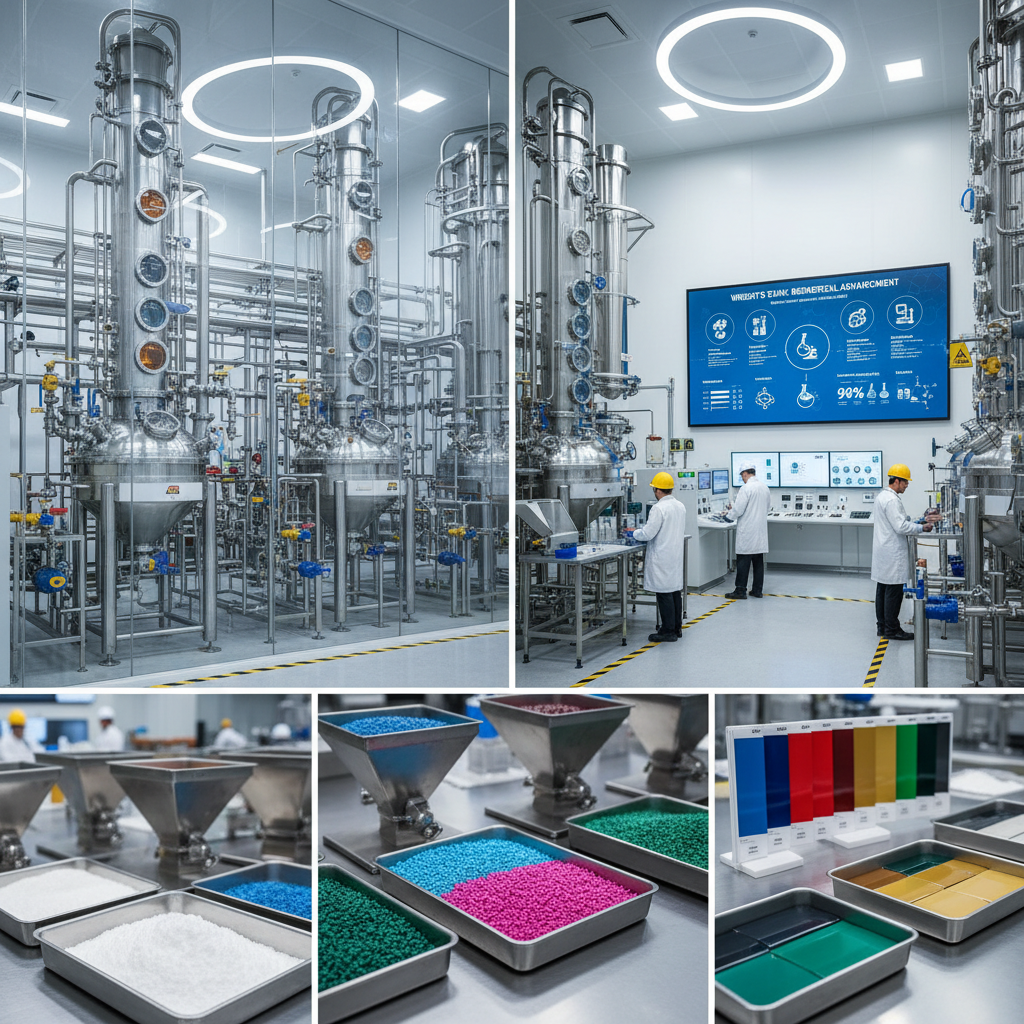
Product Specifications: Moneide Chemical Wright's Stain
Conclusion: Ensuring Accurate Diagnoses with Quality Wright's Stain
Frequently Asked Questions (FAQs)
What is the shelf life of Wright's Stain?
How do I troubleshoot poor staining results?
Is Wright's Stain hazardous?




Moneide Chemicals


