Welcome to Tangshan Moneide Trading Co., Ltd.




Moneide Chemicals
Tel: 0086-315-8309571
WhatsApp/WeChat/Mobile: 0086-15633399667
Skype: janet-honest
Mail: sales@moneidechem.com
Address: 2-7-523 Jidong Building Materials Commercial Center, Tangshan, Hebei 064000 China
Exploring Acid Green 1 Properties Applications and Safety Guidelines
- Time of issue:Apr . 07, 2026 02:25
(Summary description)Tangshan Moneide Trading Co., Ltd. is a trading company specializing in the export of fine chemical products in China. Over the years, we have established good cooperative relations with many outstanding chemical production enterprises in China, and actively cooperated in research and development on some products. Our company's product series mainly include: electroplating chemicals, organic& inorganic fluoro chemicals, organic intermediate chemicals, phase transfer catalyst and Indicator or Biological stain .
- Categories:Company dynamic
- Author:
- Origin:
- Time of issue:2019-12-30 10:55
- Views:
Acid Green 1 is a vibrant and versatile dye with significant applications across various industries, including textiles, paper, and leather. This article will explore the properties, applications, and safety considerations of Acid Green 1, providing a detailed overview for professionals and those seeking to understand this important chemical compound. Choosing the right dye is critical for achieving the desired color and performance characteristics in your products. We’ll delve into why Moneide Chem's Acid Green 1 is a trusted solution for numerous applications. Acid Green 1, also known by its CAS number 25956-17-6, is an anionic dye belonging to the acid dye family. Its chemical formula is C₁₈H₁₄N₂Na₂O₇S₂. This water-soluble dye is known for its brilliant greenish-yellow hue. The dye molecule contains sulfonic acid groups, which contribute to its anionic character and allow it to bind to positively charged sites on fibers like wool, silk, and nylon. It exhibits good leveling properties, meaning it distributes evenly across the substrate, and provides reasonably good lightfastness, although it’s not as resistant to fading as some other dye classes. Moneide Chem ensures consistent quality and purity in its Acid Green 1 production. Key Highlights: Water-soluble anionic dye with a brilliant greenish-yellow hue. Excellent leveling properties for uniform dyeing. Suitable for a variety of applications where a vibrant green color is desired. Acid Green 1 finds broad application across various industries. In the textile industry, it's extensively used for dyeing wool, silk, nylon, and modified acrylic fibers. It’s a popular choice for coloring yarns and fabrics used in apparel, carpets, and upholstery. The paper industry utilizes Acid Green 1 to create vibrant green shades in various paper products, including stationery, packaging materials, and decorative papers. Leather dyeing is another significant application, where it imparts a bright green color to leather goods. Moreover, it is also employed in certain cosmetic applications where permitted by regulations and as a biological stain in laboratory settings. Application Benefits: • Bright and vivid green coloration. • Good leveling properties for even dye distribution. • Versatile application across textiles, paper, and leather. • Water solubility allows for easy application in various dyeing processes. Understanding the technical specifications of Acid Green 1 is crucial for optimal application and consistent results. Moneide Chem provides detailed specifications to ensure our customers achieve the best possible outcomes. While numerous green dyes are available, Acid Green 1 offers a unique combination of properties. Compared to Direct Green dyes, it generally exhibits superior wash fastness on certain fibers. Compared to Reactive Green dyes, Acid Green 1 doesn’t require the same fixation processes, making it simpler to apply in some cases, but may not achieve the same level of permanence. Compared to Basic Green dyes, Acid Green 1 offers better lightfastness. The choice of dye depends on the specific substrate, desired properties, and cost considerations. While Acid Green 1 is widely used, it's crucial to handle it with care. It can cause irritation to the skin and eyes, so wearing appropriate personal protective equipment (PPE), such as gloves and safety glasses, is essential. Avoid inhalation of dust and ensure adequate ventilation during handling. Refer to the Safety Data Sheet (SDS) for detailed safety information and first aid measures. Dispose of waste materials in accordance with local regulations. Moneide Chem prioritizes safety and provides comprehensive SDS documentation with all its products. Acid Green 1 remains a crucial dye for achieving vibrant green shades across diverse applications. Its excellent leveling properties, versatility, and relatively good fastness characteristics make it a popular choice for textile, paper, and leather industries. By selecting high-quality Acid Green 1 from a reliable supplier like Moneide Chem, you can ensure consistent results and optimal performance in your dyeing processes. Always prioritize safety when handling dyes and follow recommended guidelines for best practices. Acid Green 1 is primarily used for dyeing protein fibers such as wool and silk, as well as polyamide (nylon) fibers. It can also be used on modified acrylic fibers. The dye binds to these fibers through ionic interactions between the anionic dye molecule and the positively charged sites on the fiber surface. The effectiveness of dyeing can vary depending on the fiber type and dyeing conditions, such as pH, temperature, and dye concentration. While Acid Green 1 offers reasonable lightfastness, it can be improved by using UV absorbers during the dyeing process or applying a UV protective finish to the dyed material. Avoiding prolonged exposure to direct sunlight is also crucial. Additionally, using a mordant can enhance the dye's fixation to the fiber, improving its overall fastness properties. Careful selection of dyeing auxiliaries and optimizing dyeing conditions can also contribute to better lightfastness. Acid Green 1, like other acid dyes, can contribute to water pollution if not properly managed. It's important to ensure that wastewater from dyeing processes is treated effectively to remove the dye before discharge. Technologies such as adsorption, coagulation, and biological treatment can be employed for dye removal. Selecting dyes with lower toxicity and using more sustainable dyeing practices are also crucial for minimizing environmental impact.Understanding Acid Green 1: A Comprehensive Guide
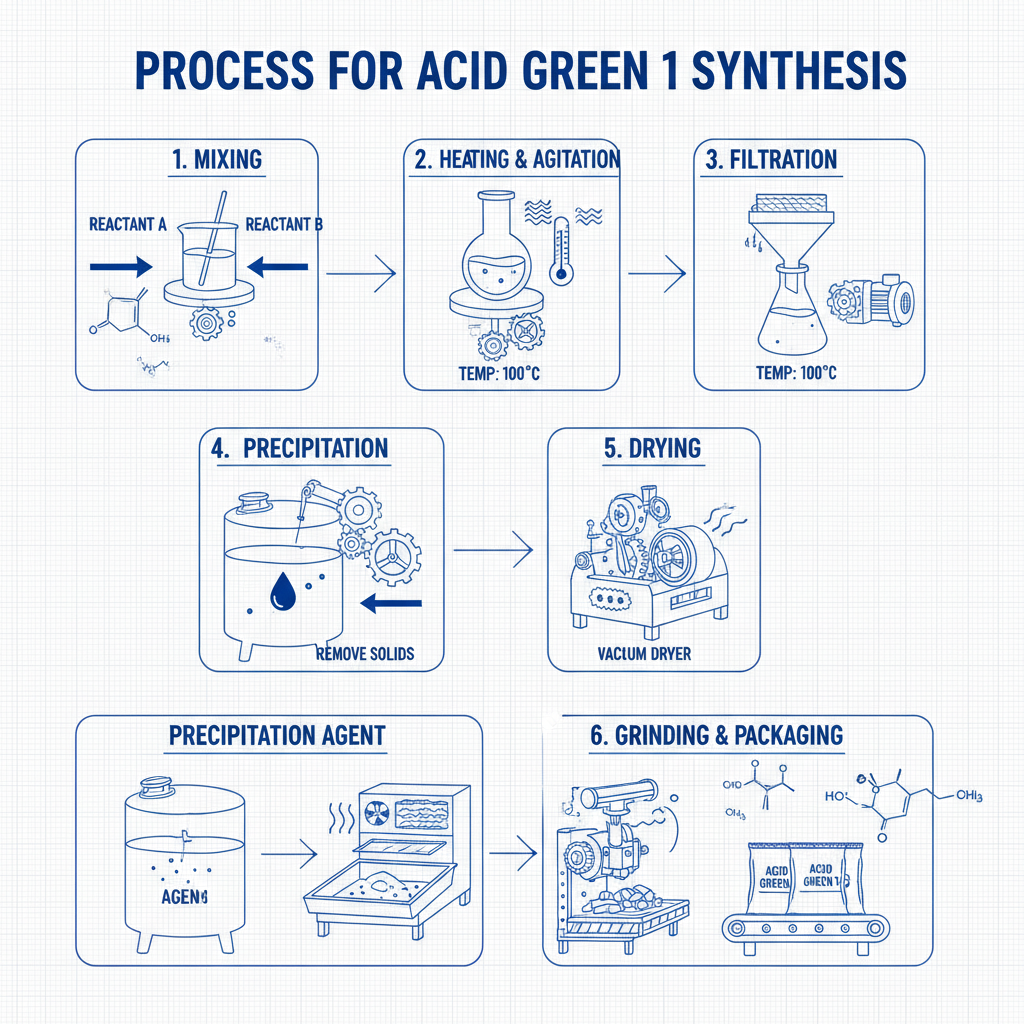
What is Acid Green 1? Chemical Properties and Structure
Applications of Acid Green 1 Across Industries
Acid Green 1: Technical Specifications
Acid Green 1 vs. Other Green Dyes: A Comparative Analysis
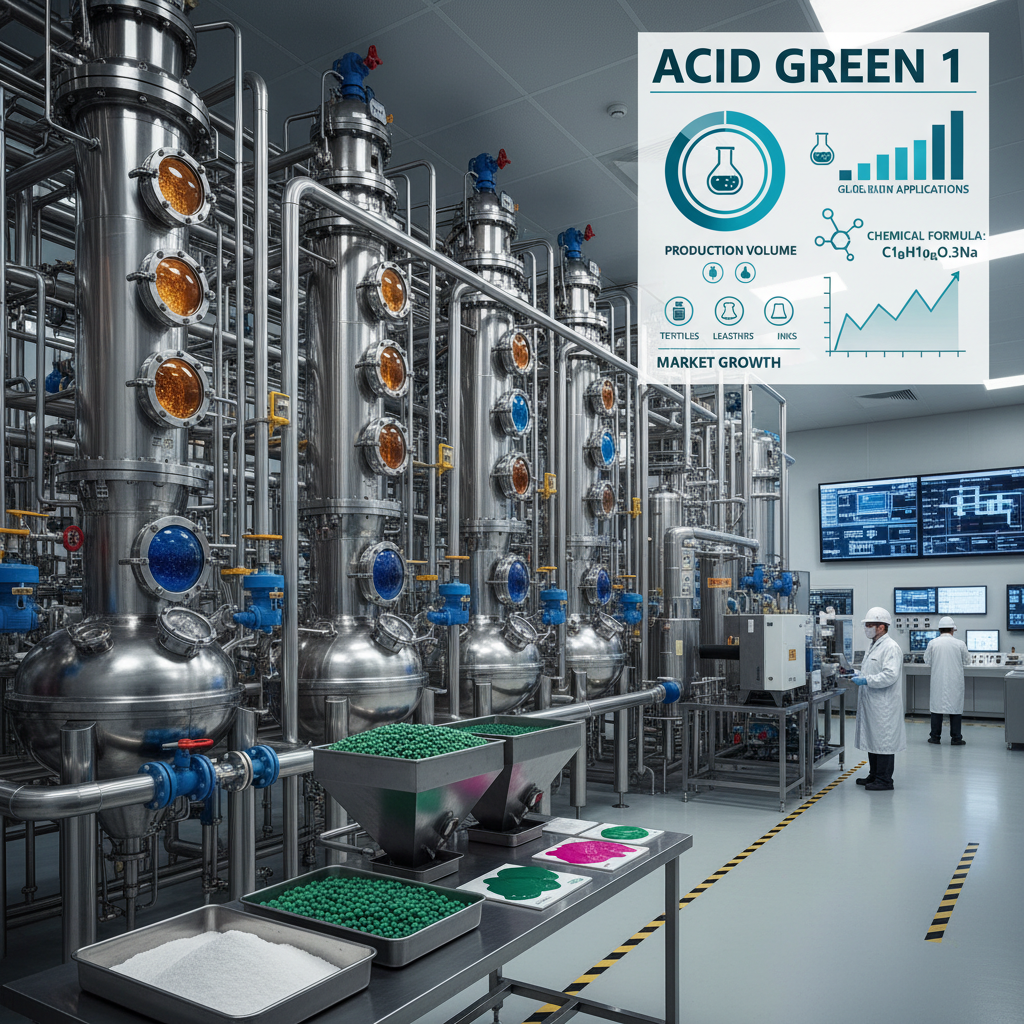
Safety Considerations and Handling of Acid Green 1
Conclusion: The Versatility of Acid Green 1
Frequently Asked Questions (FAQs)
What types of fibers can be dyed with Acid Green 1?
How do I improve the lightfastness of Acid Green 1 dyed materials?
What are the environmental considerations when using Acid Green 1?

Moneide Chemicals


