Welcome to Tangshan Moneide Trading Co., Ltd.




Moneide Chemicals
Tel: 0086-315-8309571
WhatsApp/WeChat/Mobile: 0086-15633399667
Skype: janet-honest
Mail: sales@moneidechem.com
Address: 2-7-523 Jidong Building Materials Commercial Center, Tangshan, Hebei 064000 China
Understanding Glucosamine Sulfate Price: Global Trends, Factors, and Future Outlook
- Time of issue:Dec . 03, 2025 15:04
(Summary description)Tangshan Moneide Trading Co., Ltd. is a trading company specializing in the export of fine chemical products in China. Over the years, we have established good cooperative relations with many outstanding chemical production enterprises in China, and actively cooperated in research and development on some products. Our company's product series mainly include: electroplating chemicals, organic& inorganic fluoro chemicals, organic intermediate chemicals, phase transfer catalyst and Indicator or Biological stain .
- Categories:Company dynamic
- Author:
- Origin:
- Time of issue:2019-12-30 10:55
- Views:
If you’ve ever browsed supplements or pharmaceutical raw materials, you’ve likely stumbled across the term glucosamine sulfate price. It might sound pretty niche, but honestly, this price point ripples across sectors—from healthcare providers to nutraceutical manufacturers, and even humanitarian projects. Frankly, understanding it unlocks a window into global supply chains, cost efficiencies, and patient affordability. Glucosamine sulfate itself is widely used as a dietary supplement for joint health. Global demand has surged, especially in aging populations and emerging markets investing in wellness. So when we talk about its pricing, we’re really diving into factors like raw material sourcing, manufacturing scalability, and regulatory environments, all of which shape the economics around it — for better or worse. To put it in perspective, the global dietary supplements market was valued at over USD 140 billion in 2023 (Statista), with glucosamine-based products occupying a notable share. This makes glucosamine sulfate price a compelling indicator for market trends, affordability, and accessibility worldwide. Simply put, glucosamine sulfate price refers to the cost at which glucosamine sulfate—the raw ingredient or finished product—is bought and sold in the market. Raw materials, intermediates, or finished supplements all carry different pricing tiers, but the term often highlights the wholesale price of the active compound used in pharmaceutical or supplement manufacturing. Glucosamine sulfate itself is a naturally occurring amino sugar, typically extracted from shellfish or synthesized biotechnologically. Its significance lies not just in health benefits but in its role as a traded commodity bridging biological science and chemical manufacturing. This makes price fluctuations a sensitive topic—from industrial producers to end-users. Shellfish exoskeletons are the traditional source, and any disruptions—due to weather, regulations, or ecological concerns—impact price directly. There’s also emerging synthetic alternatives that tend to affect market supply and eventually price stability. Advances in chemical synthesis or enzymatic production can reduce costs, but investment in innovation takes time. Companies with efficient processes tend to offer better competitive pricing. Products adhering to ISO or GMP standards usually command higher prices, but they also ensure reliability for pharmaceutical applications and export markets. You get what you pay for, as they say. Since many raw materials come from international suppliers, import duties, trade agreements, or export restrictions color the price picture quite a bit. Demand spikes—say, driven by new clinical studies promoting efficacy—can push prices up temporarily. Conversely, oversupply or market saturation can lower it. The demand for glucosamine sulfate spans therapeutic supplements in North America to wellness products in Asia-Pacific, and even veterinary applications worldwide. Oddly enough, it’s also found its way into humanitarian aid settings where joint health might be crucial for elderly displaced populations or workers in physically demanding rebuilding efforts. In regions like the EU, stringent quality controls make reliable glucosamine sulfate pricing a critical issue for manufacturers aiming to meet compliance. Meanwhile, in emerging markets such as India and Brazil, lower-priced sources open doors to more accessible products, though quality assurance remains crucial. Large pharmaceutical companies and contract manufacturers closely watch price trends to plan procurement strategies. Consistency in glucosamine sulfate pricing means manufacturers can plan production and investors can forecast returns more accurately. If prices spike unexpectedly, it could limit supplement affordability and accessibility—especially in developing nations. Conversely, price stability can drive innovation and expansion into new markets, supporting better healthcare outcomes worldwide. On a social level, affordable joint health supplements often contribute to improved quality of life for elderly populations, allowing them to remain active and independent—a benefit that really resonates beyond dollars and cents. Ethically sourcing and pricing also supports sustainable fisheries and biotech producers moving towards greener alternatives. So it’s a multi-layered win. What’s exciting here is how biotechnological advancements might soon reshape pricing models. Synthetic biology offers routes to produce glucosamine sulfate with less reliance on shellfish, potentially lowering costs and ecological footprints. Plus, automated purification and scalable manufacturing techniques hint at better economies of scale. Regulatory trends favoring transparency and sustainability may initially increase prices but ultimately yield trust and market growth. Digital supply chain monitoring is also improving price predictability by minimizing disruptions. Price volatility remains the biggest headache, driven by fluctuating raw materials and supply chain hiccups. Additionally, contamination risks or poor quality batches cause setbacks in the industry reputation. But some producers tackle these by diversifying sources, investing in synthetic approaches, and applying rigorous quality control frameworks. Collaboration with certified bodies and leveraging local supply chains also tame unpredictability. In closing, the glucosamine sulfate price is more than just a number on a contract. It embodies the intricate dance of supply, quality, innovation, and regulation that supports one of the most important joint health supplements worldwide. Whether you’re a producer, a formulator, or an informed consumer, staying abreast of pricing trends and factors can empower better decisions and encourage a sustainable, accessible market. If you want to dive deeper, explore detailed pricing data, or find certified suppliers, do visit https://www.moneidechem.com. Trust me, having a reliable partner makes all the difference in this space. In essence, keeping an eye on glucosamine sulfate pricing is a small but insightful way to grasp the bigger picture in dietary supplements and global health trends.Understanding Glucosamine Sulfate Price: Why It Matters Globally
Mini takeaway:
What is Glucosamine Sulfate Price?
Key Factors Influencing Glucosamine Sulfate Price
1. Raw Material Sourcing
2. Manufacturing Process Efficiency
3. Quality Standards and Certifications
4. Trade Policies and Tariffs
5. Market Demand and Seasonal Variations
Mini takeaway:
Product Specification: Glucosamine Sulfate Key Parameters
Specification
Typical Value
Notes
Purity (HPLC)
≥ 98%
Pharmaceutical grade benchmark
Appearance
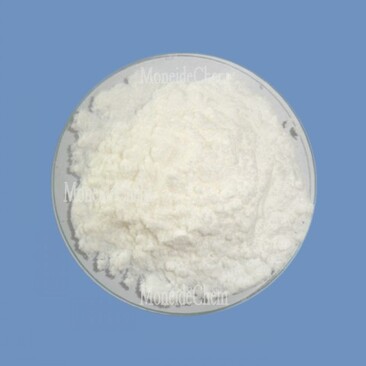
White Crystalline Powder
Typical physical state
Solubility
Water soluble
Essential for formulation
Heavy Metals
≤ 10 ppm
Regulatory compliance
Moisture Content
≤ 5%
Shelf life consideration
Global Applications & Use Cases
Vendor Comparison Table: Glucosamine Sulfate Suppliers
Supplier
Price Range (USD/kg)
Purity (%)
Certifications
Lead Time
Moneide Chemicals
$12 - $14
≥ 98%
ISO 9001, GMP
2-3 weeks
Glucosa Global
$11 - $13
≥ 97%
GMP, EU Certified
3-4 weeks
Sulfate Synthetics
$13 - $16
≥ 99%
ISO, USP
1-2 weeks
Advantages and Long-Term Value of Glucosamine Sulfate Price Stability
Future Trends & Innovations Impacting Glucosamine Sulfate Price
Challenges & Expert Solutions
FAQs: glucosamine sulfate price
A: Prices differ due to source material quality, manufacturing processes, certifications, and market demand. Suppliers with higher purity products and certifications (GMP, ISO) generally charge more but provide greater reliability.
A: Employing synthetic production methods, partnering with reliable suppliers, and bulk purchasing are key strategies to manage and lower procurement expenses effectively.
A: Not necessarily. Significantly lower prices might reflect compromises on purity or certifications. It’s important to balance cost savings with quality to meet regulatory standards and ensure product efficacy.
A: ISO 9001 for quality management, GMP for manufacturing practices, and in some cases, USP for pharmaceutical standards have a direct bearing on pricing due to increased compliance costs.Conclusion
Mini takeaway:
References

Moneide Chemicals


