Welcome to Tangshan Moneide Trading Co., Ltd.





Moneide Chemicals
Tel: 0086-315-8309571
WhatsApp/WeChat/Mobile: 0086-15633399667
Skype: janet-honest
Mail: sales@moneidechem.com
Address: 2-7-523 Jidong Building Materials Commercial Center, Tangshan, Hebei 064000 China
Comprehensive Guide on Glucosamine Sulfate Use: Benefits, Applications & Market Trends
- Time of issue:Dec . 03, 2025 15:24
(Summary description)Tangshan Moneide Trading Co., Ltd. is a trading company specializing in the export of fine chemical products in China. Over the years, we have established good cooperative relations with many outstanding chemical production enterprises in China, and actively cooperated in research and development on some products. Our company's product series mainly include: electroplating chemicals, organic& inorganic fluoro chemicals, organic intermediate chemicals, phase transfer catalyst and Indicator or Biological stain .
- Categories:Company dynamic
- Author:
- Origin:
- Time of issue:2019-12-30 10:55
- Views:
Glucosamine sulfate is a compound that’s been making its rounds in health and pharmaceutical industries worldwide. But what exactly is glucosamine sulfate use, and why does it matter on a global scale? Simply put, it’s a critical supplement known mostly for joint health support. The global population is aging rapidly, and with that comes increased demand for supplements that help maintain mobility and reduce joint pain. Knowing about glucosamine sulfate’s roles and benefits can inform health practices, pharmaceutical developments, and even policy decisions for healthier aging populations. Statistics from the World Health Organization indicate that, by 2050, the global population aged 60 years and older is expected to reach 2 billion, up from 900 million in 2015. This aging boom represents a steep rise in age-related conditions such as osteoarthritis — where glucosamine sulfate is commonly deployed to manage symptoms. In fact, the dietary supplement market for glucosamine sulfate is projected to grow steadily, driven by demand from North America, Europe, and increasingly Asia-Pacific regions, according to industry reports (1). But here's the challenge: osteoarthritis affects mobility and quality of life, and while there are various treatments, glucosamine sulfate use is often favored for its perceived natural origin and fewer side effects compared to NSAIDs. However, clinical outcomes can vary, and understanding this compound’s utility within a broader treatment landscape remains vital. Glucosamine sulfate is an amino sugar, naturally found in the human body and a building block of cartilage. In simple terms, “glucosamine sulfate use” refers to the application of this compound mainly as a supplement aimed at supporting joint cartilage health. The sulfate component helps with the synthesis of glycosaminoglycans, essential for maintaining joint cushion and flexibility. On a broader scale, glucosamine sulfate connects with pharmaceutical industries, nutraceutical companies, and healthcare providers who look for safe, accessible means to alleviate joint degradation symptoms. Oddly enough, it also intersects with global public health needs, especially in aging societies where preserving mobility means preserving independence and dignity. The effectiveness of glucosamine sulfate greatly depends on how well it is absorbed and utilized by the body. Studies suggest that formulations of glucosamine sulfate are generally more bioavailable than glucosamine hydrochloride variants, impacting clinical outcomes. Glucosamine sulfate is often derived from shellfish – which introduces potential allergy concerns and also environmental sustainability questions. The rise of synthetic or vegan-derived glucosamine is addressing these challenges but requires careful quality control. Recommended dosages typically range around 1,500 mg daily for osteoarthritis patients. However, adherence and correct intake (e.g., with meals) influence product impact. Customization per patient or region can differ. Different countries regulate glucosamine supplements differently – some as drugs, others as food supplements. Ensuring compliance with ISO and FDA standards is crucial for manufacturers and traders targeting global markets. Though generally considered safe, glucosamine sulfate can interact with some anticoagulants or affect people with shellfish allergies. Clinicians must weigh risks before recommending widespread use. Glucosamine sulfate sees widespread use in: For example, in post-disaster relief scenarios, maintaining the mobility of elderly is critical, and glucosamine sulfate-based supplements are sometimes included in medical aid packages to help manage joint discomfort in older survivors. So, what tangible benefits does glucosamine sulfate bring to the table? First off, from a cost perspective, it’s generally affordable and accessible compared to some prescription options. Sustainability-wise, newer production methods aim to lower environmental impacts. Socially, it supports maintaining mobility and independence, especially for older adults — which is arguably priceless. Emotionally, people feel empowered when they take charge of their joint health with a reportedly natural alternative. Plus, innovation in combined supplement formulas continues to improve symptom relief and patient satisfaction. Looking forward, the glucosamine market is seeing exciting developments. There’s growing interest in plant-based and lab-synthesized glucosamine as a greener, hypoallergenic alternative to shellfish-derived sources. Also, digital health platforms are enabling personalized dosage recommendations based on biomarkers. Automation in pharmaceutical manufacturing is improving purity control, and there’s ongoing research into combining glucosamine sulfate with novel anti-inflammatory agents for enhanced effects. Sustainability standards, such as those encouraged by ISO, are guiding greener sourcing and packaging solutions, marrying health benefits with environmental responsibility. Admittedly, challenges remain. The efficacy of glucosamine sulfate sometimes shows mixed clinical results, leaving healthcare providers cautious. Also, sourcing from shellfish introduces allergy and ecological concerns, while regulatory fragmentation complicates international distribution. Innovative solutions include: Overall, glucosamine sulfate use remains a cornerstone of joint health support in aging societies and athletic care. Its balance of cost efficiency, relative safety, and growing innovation makes it a staple in many treatment regimens. With ongoing research and sustainable sourcing improvements, its role is only set to solidify. If you want to explore more about glucosamine sulfate and its applications, visit our website at https://www.moneidechem.com — a resource dedicated to quality supplements and industry insights. In sum, glucosamine sulfate sits at the interesting intersection of health innovation and global aging challenges, offering promise but inviting ongoing scientific scrutiny and sustainable innovation.Understanding Glucosamine Sulfate Use: Benefits, Applications, and Future Trends
Introduction: The Global Context of Glucosamine Sulfate Use
What is Glucosamine Sulfate Use?
Key Factors Influencing Glucosamine Sulfate Use
1. Bioavailability
2. Source Quality
3. Dosage and Administration
4. Regulatory Standards
5. Interactions and Side Effects
Global Applications & Use Cases of Glucosamine Sulfate
Specification
Details
Chemical Name
Glucosamine sulfate potassium chloride
Molecular Formula
C6H13NO5•xKCl
Purity
≥ 99%
Appearance
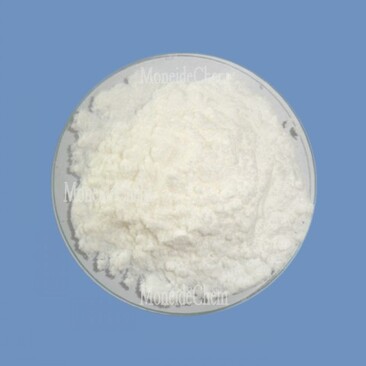
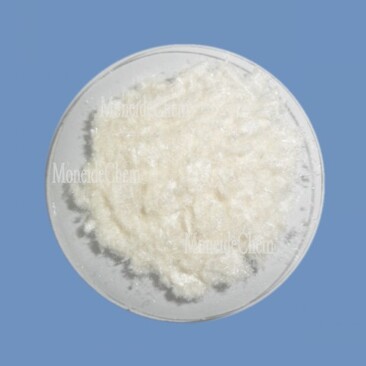
White crystalline powder
Solubility
Water soluble
Recommended Daily Dose
1,500 mg
Advantages and Long-Term Value of Glucosamine Sulfate Use
Future Trends and Innovations in Glucosamine Sulfate Use
Challenges and Solutions
FAQ: Frequently Asked Questions About Glucosamine Sulfate Use
Conclusion: The Enduring Promise of Glucosamine Sulfate Use
Vendor
Purity (%)
Source
Price (per kg)
Certifications
Vendor A
≥ 99%
Shellfish-derived
$120
GMP, ISO
Vendor B
≥ 98.5%
Synthetic
$135
ISO 9001
Vendor C
≥ 97.5%
Shellfish-derived
$110
GMP Certified



Moneide Chemicals


