Welcome to Tangshan Moneide Trading Co., Ltd.





Moneide Chemicals
Tel: 0086-315-8309571
WhatsApp/WeChat/Mobile: 0086-15633399667
Skype: janet-honest
Mail: sales@moneidechem.com
Address: 2-7-523 Jidong Building Materials Commercial Center, Tangshan, Hebei 064000 China
Sodium Hypophosphite CAS No – Industrial Significance, Applications & Future Trends
- Time of issue:Dec . 02, 2025 03:10
(Summary description)Tangshan Moneide Trading Co., Ltd. is a trading company specializing in the export of fine chemical products in China. Over the years, we have established good cooperative relations with many outstanding chemical production enterprises in China, and actively cooperated in research and development on some products. Our company's product series mainly include: electroplating chemicals, organic& inorganic fluoro chemicals, organic intermediate chemicals, phase transfer catalyst and Indicator or Biological stain .
- Categories:Company dynamic
- Author:
- Origin:
- Time of issue:2019-12-30 10:55
- Views:
Sodium hypophosphite, identified by its CAS number (CAS No. 7681-53-0), isn't the most glamorous chemical you'd hear about at dinner parties, but its global significance is actually quite impressive. This compound plays a pivotal role in industries ranging from electronics to pharmaceuticals and even environmental protection. Understanding this substance can open doors to appreciating how seemingly niche chemicals underpin modern technologies and humanitarian efforts globally.
In an increasingly interconnected world, chemicals like sodium hypophosphite quietly support critical sectors. According to the United Nations Industrial Development Organization (UNIDO), the global chemical industry has seen steady growth, with specialty chemicals like sodium hypophosphite leading innovations in fields such as metal finishing and catalysis.1 But the challenge remains: how to optimize its production and application to reduce environmental impact while boosting efficiency. This concern becomes particularly urgent as industries adopt stricter sustainability standards worldwide.
Sodium hypophosphite is the sodium salt of hypophosphorous acid, chemical formula NaPO₂H₂. This salt is primarily known for being a powerful reducing agent, commonly employed in electroless nickel plating — a metal finishing technique integral for corrosion resistance and conductivity. It may sound dry, but the substance’s ability to reduce metal ions without electric current is revolutionary, especially in making electronics more reliable and durable.
Additionally, its uses span over pharmaceuticals as an antioxidant and in agriculture as a fungicide. So, it’s more than just a chemical; it's a versatile tool that links advanced manufacturing with ecological stewardship in surprising ways.
Sodium hypophosphite’s strength lies in its capacity to donate electrons, which is why it excels in processes like electroless plating. This capability allows for uniform metal coating without electricity—a huge advantage for coating complex parts.
It possesses moderate thermal stability, which is crucial since many industrial processes require maintaining compound integrity at elevated temperatures. This ensures reliability during manufacturing cycles.
Being highly soluble in water means sodium hypophosphite can be easily integrated into aqueous solutions, an important factor in scaling industrial applications. Purity standards are essential here, because impurities can compromise plating quality.
Though a synthetic chemical, sodium hypophosphite is less environmentally problematic than alternatives (like some heavy metal reducing agents). Still, responsible handling and disposal are necessary to meet ISO environmental standards.2
Mini Takeaway: Sodium hypophosphite’s unique reducing properties, combined with its solubility and moderate environmental footprint, make it indispensable for modern manufacturing and environmental technologies.
Sodium hypophosphite is the backbone of electroless nickel plating, critical in electronics manufacturing hubs like Shenzhen in China and in semiconductor plants across the US and South Korea. Beyond electronics, it plays a role in water treatment processes in Europe and acts as a growth regulator in agriculture in regions like India.
Oddly enough, in post-disaster relief operations, coated metal tools treated with sodium hypophosphite-enhanced plating perform longer without rusting, proving valuable where replacement supply chains are fragile.
Beyond cost efficiency, sodium hypophosphite offers sustainability benefits, particularly when replacing more toxic agents in metal finishing. For industries, that translates into not only financial savings but also lower environmental penalties. Socially, safer working conditions arise because it’s less hazardous than alternatives, creating trust among workers and consumers alike.
Innovation-wise, continuous improvements around sodium hypophosphite foster smarter production lines, making the whole supply chain resilient. There's also an emotional side — a kind of pride companies take, knowing they're using chemicals responsibly, which resonates with end-users demanding greener products.
Frankly, the future of sodium hypophosphite interlinks with green chemistry and digital automation. Researchers are exploring bio-based processes to manufacture this compound, reducing fossil fuel reliance. Moreover, smart monitoring of plating baths via IoT sensors promises to optimize usage and reduce waste.
Policies tightening chemical waste discharge globally also push R&D toward more eco-friendly formulations. These technical strides suggest that sodium hypophosphite won’t just remain a “background player,” but evolve with energy-efficient, sustainable production methods.
Still, sourcing high-purity sodium hypophosphite can be tricky, especially for small manufacturers or NGOs in developing regions. Impurities might lead to coating defects and product failures. Also, chemical handling requires trained personnel which is often overlooked.
However, emerging partnerships between global suppliers and local distributors, like those involving sodium hypophosphite cas no vendors, help close these gaps. Training programs and standardized quality checks also mitigate risks, ensuring safer and more consistent use.
To wrap it up, sodium hypophosphite CAS No 7681-53-0 is a cornerstone substance with widespread implications — not just in industry, but in global sustainability and safety. Whether you’re innovating in manufacturing or seeking greener solutions, understanding this chemical’s value and sourcing it responsibly can truly make a difference.
Curious to learn more or explore high-quality sodium hypophosphite? Visit our website at https://www.moneidechem.com for comprehensive information and trusted supplier connections.
Oddly enough, chemicals like sodium hypophosphite remind us how the tiny details often sustain the biggest advancements.
Sodium Hypophosphite CAS No: Industrial Importance and Global Impact
Introduction: Why Sodium Hypophosphite Matters Worldwide
Definition & Meaning of Sodium Hypophosphite CAS No
Core Components & Key Attributes
Reducing Capability
Thermal Stability
Solubility and Purity
Environmental Compatibility
Global Applications & Real-World Use Cases
Product Specifications
Property
Value
CAS Number
7681-53-0
Molecular Formula
NaPO2H2
Purity
≥98%
Appearance
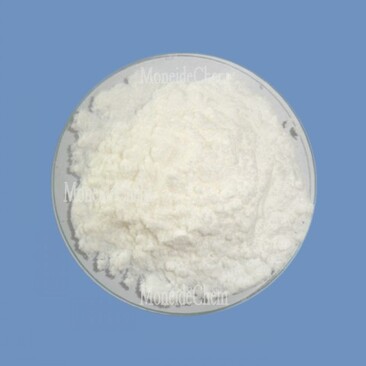
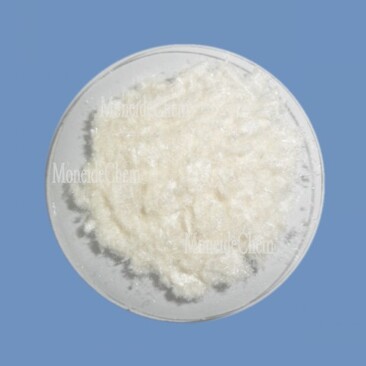
White crystalline powder
Solubility
Highly soluble in water
Vendor Comparison: Sodium Hypophosphite Suppliers
Supplier
Purity (%)
Price (USD/kg)
Certifications
Global Shipping
Moneide Chem
≥99%
12.5
ISO 9001, REACH
Yes
ChemWorld
≥98%
11.0
ISO 9001
Regional
Global Chem Supplies
≥97%
10.0
None
Yes
Advantages & Long-Term Value
Future Trends & Innovations
Challenges & Solutions
FAQ: Frequently Asked Questions About Sodium Hypophosphite CAS No
It's most commonly used in electroless nickel plating, pharmaceuticals, and agriculture, especially where uniform metal coatings or antioxidants are needed.
Operators must wear protective gear and follow storage guidelines to avoid moisture exposure and contamination. Proper ventilation and training are essential.
Compared to other reducing agents, yes — it generally produces fewer toxic byproducts, making it more sustainable with the right disposal practices.
Trusted chemical suppliers like Moneide Chem provide certified, high-purity sodium hypophosphite with global shipping options. See sodium hypophosphite cas no offerings.
Conclusion & Call to Action
References

Moneide Chemicals


