Welcome to Tangshan Moneide Trading Co., Ltd.





Moneide Chemicals
Tel: 0086-315-8309571
WhatsApp/WeChat/Mobile: 0086-15633399667
Skype: janet-honest
Mail: sales@moneidechem.com
Address: 2-7-523 Jidong Building Materials Commercial Center, Tangshan, Hebei 064000 China
Comprehensive Guide to Sodium Hypophosphite CAS: Industrial Uses & Benefits
- Time of issue:Dec . 02, 2025 02:30
(Summary description)Tangshan Moneide Trading Co., Ltd. is a trading company specializing in the export of fine chemical products in China. Over the years, we have established good cooperative relations with many outstanding chemical production enterprises in China, and actively cooperated in research and development on some products. Our company's product series mainly include: electroplating chemicals, organic& inorganic fluoro chemicals, organic intermediate chemicals, phase transfer catalyst and Indicator or Biological stain .
- Categories:Company dynamic
- Author:
- Origin:
- Time of issue:2019-12-30 10:55
- Views:
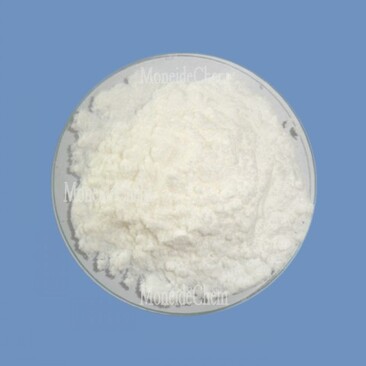
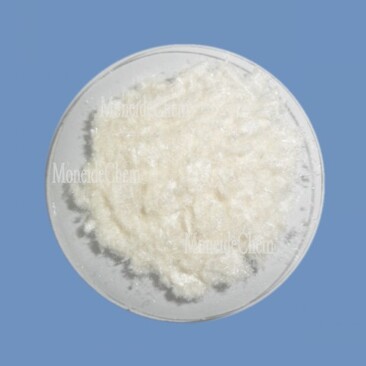
First off, you might wonder—what exactly is sodium hypophosphite CAS, and why should anyone outside a chem lab care? Well, frankly, it’s one of those unsung heroes in industrial chemistry that quietly powers a range of processes we rely on daily. From electroplating to pharmaceuticals and even environmental applications, understanding sodium hypophosphite can give you a clearer picture of how modern industry tackles challenges like corrosion protection or controlled chemical reactions. Globally, this compound plays a surprisingly vital role. As industries push for more sustainable and efficient processes, sodium hypophosphite’s unique chemical properties offer key benefits—cost-effectiveness, versatility, and functional reliability—that can support greener and safer manufacturing. Back in 2020, the World Bank reported sharp growth in manufacturing sectors worldwide, with Asia leading production in electronics, chemicals, and textiles — industries where sodium hypophosphite is frequently used. According to World Bank data, emerging market demand for refined chemical agents like this has climbed by nearly 15% annually, reflecting industrial expansion and environmental regulations. At the same time, challenges like equipment corrosion, waste reduction, and resource efficiency persist globally. Sodium hypophosphite offers solutions—especially in electroless plating, a method vital to producing corrosion-resistant coatings without heavy metal waste. So, whether you’re in Singapore or the United States, the compound’s impact is pretty widespread. Simply put, sodium hypophosphite CAS refers to the chemical compound sodium hypophosphite, which carries the CAS (Chemical Abstracts Service) registry number 7681-53-0. It’s a white crystalline powder, soluble in water, commonly represented by the formula NaPO2H2. What makes it interesting is its strong reducing property—it’s often used where chemical reduction needs to occur gently but efficiently. This compound is invaluable in industries requiring precise control of chemical reactions, such as: Oddly enough, although it sounds niche, sodium hypophosphite helps maintain the quality and longevity of countless products we use, from automotive parts to electronics. Its main star feature is as a reducing agent, capable of donating electrons in reactions, especially during electroless plating. It eliminates the need for external electrical input, making processes more energy-efficient. It’s quite stable under normal conditions, but decomposes at elevated temperatures, releasing phosphine and phosphoric acid, which is crucial for designing safe industrial processes. Being water-soluble allows sodium hypophosphite to function effectively in aqueous solutions, which most plating and chemical reactions use. Compared to other chemical agents, it’s relatively less hazardous, contributing to safer workplace environments and simplified waste management. Industries across continents count on sodium hypophosphite’s versatility. For example: In emerging markets, innovators integrate this chemical in new, green ways. Take post-disaster infrastructure rebuilding — where corrosion-resistant materials lead to more durable rebuilding efforts for vulnerable communities. The ripple effects from sodium hypophosphite cas use here are notable. When you choose sodium hypophosphite—for instance, from a reliable source like Moneide Chemicals—you get more than just a chemical. You tap into cost efficiencies, sustainability gains, and process improvements that pay off long term. In real terms, it feels like having a dependable partner that quietly boosts both quality and eco-friendliness. Looking ahead, the industry is moving towards greener chemistries and automation. Sodium hypophosphite’s role may evolve with new formulations that reduce even further environmental impact or integrate with digital manufacturing control systems. Some companies invest in nano-engineered coatings where this compound acts as a building block in creating smarter, self-healing surfaces. Others explore bio-based versions or recovery systems that recycle chemicals in plating baths, thanks to advancements in chemical engineering and sustainability standards like those outlined by ISO. Of course, it’s not all smooth sailing. Handling and storage require care—exposure to moisture or high heat can degrade the chemical or generate hazardous gases. Supply chain disruptions can also affect availability, especially for smaller manufacturers. Innovative measures like stabilized compound blends, improved packaging, and remote supply monitoring (IoT-based tracking) help mitigate these risks. Training lab and plant personnel on proper handling is crucial, too. In short, combining technology with good practices makes all the difference. Ultimately, sodium hypophosphite CAS is more than just a chemical formula—it's a quietly powerful catalyst fueling safer, cleaner, and more cost-effective industrial processes globally. From improving product durability to supporting green manufacturing, its long-term value can’t be overstated. If you want to stay ahead with reliable sodium hypophosphite solutions, I suggest visiting Moneide Chemicals for detailed product info and expert guidance tailored to your application needs. To sum up—the right chemical partner can completely change how your industry tackles challenge and innovation alike. Sodium hypophosphite CAS stands well poised for that role. — A small but significant piece in the grand puzzle of modern chemistry.Sodium Hypophosphite CAS: A Key Chemical in Modern Industry
Global Context: Why Sodium Hypophosphite CAS Matters
What Is Sodium Hypophosphite CAS?
Key Characteristics of Sodium Hypophosphite CAS
1. Strong Reducing Agent
2. Thermal Stability
3. Water Solubility
4. Low Toxicity and Environmental Impact
Specifications of Sodium Hypophosphite Products
Property
Typical Range
Notes
Purity
≥ 98%
Industrial grade standard
Appearance
White crystalline powder
Consistent texture ensures quality
Solubility in water
High
Key for aqueous reactions
CAS Number
7681-53-0
Unique identifier
Global Applications and Use Cases
Vendor Comparison: Common Sodium Hypophosphite Suppliers
Vendor
Purity (%)
Price (USD/kg)
Lead Time
Certifications
Moneide Chemicals
≥ 99.5
4.50
2 weeks
ISO 9001, REACH
ChemPure Corp
98.0
4.20
3 weeks
ISO 14001
AltaChem Ltd
99.0
4.75
1 week
ISO 9001
Advantages and Long-Term Value of Using Sodium Hypophosphite
Future Trends & Innovations
Challenges & Practical Solutions
FAQ: Common Questions About Sodium Hypophosphite CAS
In Conclusion
References


Moneide Chemicals


