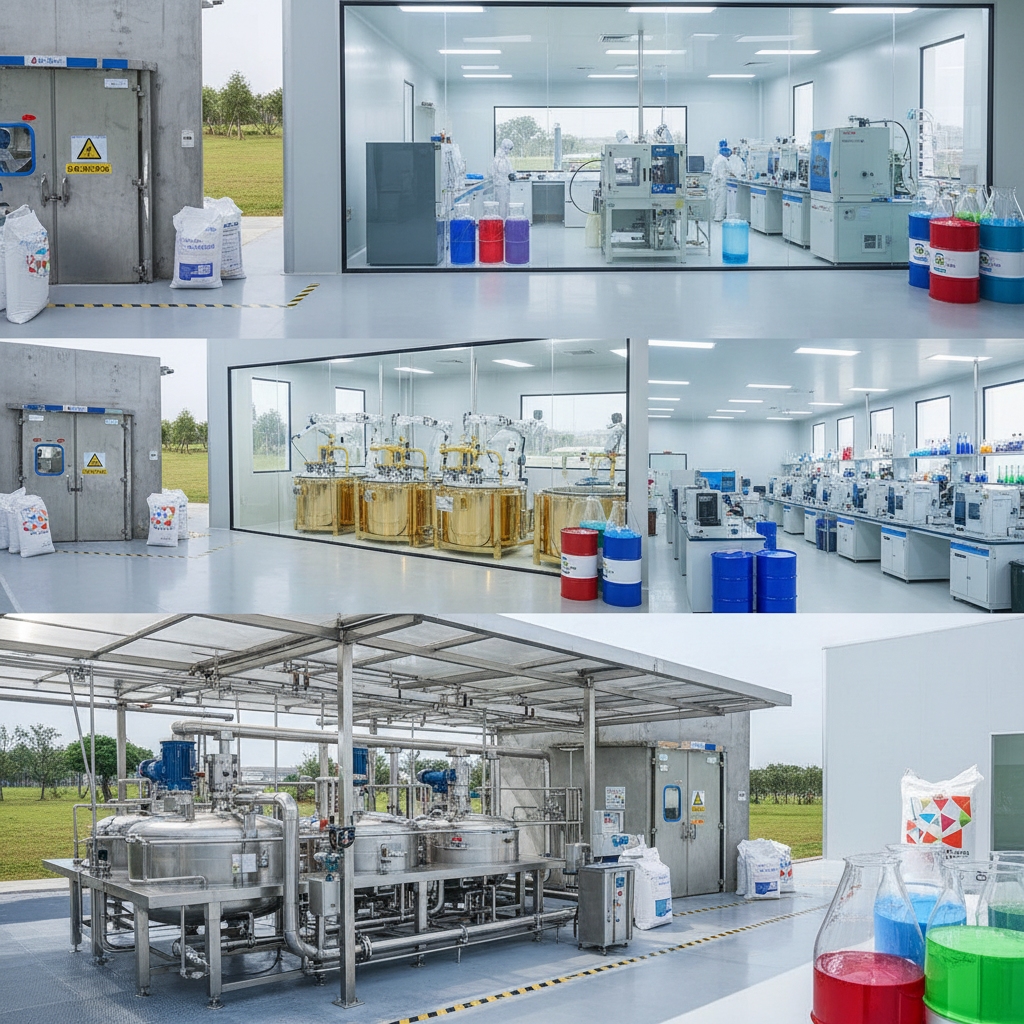

When searching for reliable sodium hypophosphite suppliers, industrial buyers prioritize chemical purity and supply chain stability to ensure the success of electroless nickel plating and flame retardant production. Sodium hypophosphite serves as a critical reducing agent in various high-precision manufacturing processes, where even minor impurities can lead to significant plating defects or compromised material properties.
The challenge for many procurement teams lies in balancing competitive pricing with the strict quality certifications required for aerospace, automotive, and electronics applications. As global demand for specialized fine chemicals grows, the ability to source materials that meet precise assay specifications becomes a decisive factor in operational efficiency and product durability.
This guide provides a technical analysis of how to evaluate sodium hypophosphite suppliers, focusing on key performance metrics, procurement criteria, and the impact of chemical grade on final industrial outcomes to help you make an informed sourcing decision.

1Understanding Sodium Hypophosphite Specifications

Sodium hypophosphite is a critical inorganic compound predominantly used as a reducing agent. When vetting sodium hypophosphite suppliers, the most important specification is the assay percentage. Industrial grades typically require high purity to prevent the introduction of contaminants like heavy metals, which can interfere with the catalytic process of electroless nickel plating (ENP).
Beyond purity, the physical form—whether crystalline powder or granular—affects the dissolution rate in aqueous solutions. Suppliers capable of providing consistent particle size distribution help manufacturers maintain stable bath concentrations, reducing the need for frequent adjustments during the production cycle.
Furthermore, the storage stability of the chemical is paramount. High-quality suppliers utilize moisture-proof packaging, such as iron drums with plastic liners, to prevent caking and degradation, ensuring the product remains stable from the manufacturing site to the end-user's facility.
2Core Technical Value in Industrial Plating
In the context of electroless nickel plating, sodium hypophosphite acts as the electron donor. The technical value of sourcing from premium sodium hypophosphite suppliers lies in the predictability of the reaction. A consistent chemical composition ensures that the phosphorus content in the deposited nickel-phosphorus alloy remains within the targeted range.
When the reducing agent's quality fluctuates, the plating rate becomes unstable, leading to uneven thickness across complex geometries. This is particularly problematic in the electronics and automotive sectors, where precise dimensional tolerances are required for component fitting and electrical conductivity.
Moreover, the absence of organic impurities in high-grade sodium hypophosphite prevents the formation of bubbles or "fish-eyes" on the surface of the plated part. This reduces the scrap rate and eliminates the need for costly post-plating rework, directly improving the overall ROI of the plating line.
3Primary Application Scenarios and Use Cases
While plating is the primary use, sodium hypophosphite is versatile. In the plastics industry, it serves as a nucleus for the production of flame retardants and specialized polymers. Suppliers catering to this segment must ensure the product is free from catalysts that could trigger premature polymerization during processing.
In the pharmaceutical and agrochemical sectors, it is used as an intermediate for the synthesis of various organic compounds. Here, the focus shifts from bulk volume to ultra-high purity grades, where trace contamination can result in failed batch validations and regulatory non-compliance.
Additionally, it finds use in the production of certain dyes and dispersants for polycarbonate processing. The ability of sodium hypophosphite suppliers to provide different grades—from industrial bulk to research-grade small quantities—allows them to serve a diverse client base across multiple chemical value chains.
4Performance Analysis: Grade and Purity Impact
The correlation between chemical purity and industrial performance is linear. Using a low-grade reducing agent often leads to "bath decomposition," where the plating solution breaks down faster than expected, increasing the frequency of bath replacements and raising the cost of waste treatment.
By comparing standard industry averages with high-specification materials from specialized sodium hypophosphite suppliers, manufacturers typically see a marked improvement in the adherence and uniformity of the coating. This is especially evident in high-phosphorus deposits used for extreme corrosion protection.
sodium hypophosphite suppliers Performance Metrics
The data suggests that while the initial procurement cost of high-purity material may be slightly higher, the total cost of ownership (TCO) is lower due to reduced waste, fewer rejected parts, and longer bath life. This shifts the procurement logic from "lowest price per kg" to "lowest cost per successful part."
5Strategic Procurement and Supplier Selection
Successful procurement starts with a rigorous supplier audit. Beyond the product itself, the manufacturing base's quality control system is the most reliable indicator of future performance. Buyers should verify if the sodium hypophosphite suppliers operate their own test labs and employ professional testing personnel for every batch.
Logistics and packaging also play a critical role. Since sodium hypophosphite is sensitive to moisture, the integrity of the packaging during international transit is vital. Choosing suppliers who use reinforced iron drums with plastic coatings minimizes the risk of contamination during shipping.
Finally, consider the supplier's capacity for contract manufacturing or customized specifications. Suppliers who can adjust the assay or physical form to meet a specific technical requirement provide a competitive edge to their customers by optimizing the chemical's interaction with the production equipment.
6Future Trends in Fine Chemical Sourcing
The shift toward "Green Chemistry" is influencing how sodium hypophosphite suppliers operate. There is an increasing demand for production processes that minimize hazardous by-products and reduce the carbon footprint of the chemical synthesis. Suppliers adopting these sustainable practices are becoming preferred partners for ESG-compliant corporations.
Digitalization of the supply chain is another major trend. Real-time tracking of batch numbers and integrated digital Certificates of Analysis (CoA) are replacing manual paperwork, allowing procurement teams to integrate quality data directly into their ERP systems for better traceability.
Furthermore, as industries move toward more complex alloy coatings, the demand for specialized reducing agents with tailored properties is growing. This will push suppliers to innovate in purification techniques, potentially offering "ultra-pure" grades that were previously only available for laboratory research.
7Comparative Analysis of Sourcing Options
When choosing between different sodium hypophosphite suppliers, it is essential to weigh the trade-offs between price, purity, and reliability. Local distributors may offer faster delivery, but direct sourcing from a manufacturer often provides better technical support and a more consistent product line.
The following table compares typical sourcing profiles to help procurement officers determine which model aligns best with their operational needs and quality requirements.
| Supplier Profile | Purity Consistency | Lead Time | Best Fit For |
|---|---|---|---|
| Tier 1 Manufacturer | Very High | Moderate | High-Volume Industrial Plating |
| Specialized Fine Chem | Ultra-High | Long | Pharma & Lab Research |
| Regional Distributor | Variable | Short | Small-Scale/Urgent Needs |
| Generic Bulk Supplier | Moderate | Moderate | Basic Flame Retardants |
| Contract Manufacturer | Customized | Long | Specific Alloy Requirements |
| Integrated Chem Group | High | Moderate | Diversified Chemical Needs |
Ultimately, the decision should be based on the sensitivity of the end application. For high-precision electronics, the premium paid for a Tier 1 Manufacturer is an insurance policy against costly production failures and product recalls.
Frequently Asked Questions
Conclusion
Selecting the right sodium hypophosphite suppliers is a strategic decision that directly impacts the quality, durability, and cost-efficiency of industrial coatings and chemical synthesis. By focusing on high-purity specifications, rigorous supplier audits, and a total cost of ownership approach, manufacturers can ensure stable production and superior product performance.
For procurement teams looking for high-grade fine chemicals and specialized reducing agents, reviewing detailed technical specifications is the first step toward operational excellence. You can explore available product information and sourcing options at www.moneidechem.com.