Welcome to Tangshan Moneide Trading Co., Ltd.





Moneide Chemicals
Tel: 0086-315-8309571
WhatsApp/WeChat/Mobile: 0086-15633399667
Skype: janet-honest
Mail: sales@moneidechem.com
Address: 2-7-523 Jidong Building Materials Commercial Center, Tangshan, Hebei 064000 China
Comprehensive Guide to Sodium Hypophosphite: Applications, Benefits, and Industry Trends
- Time of issue:Dec . 01, 2025 23:50
(Summary description)Tangshan Moneide Trading Co., Ltd. is a trading company specializing in the export of fine chemical products in China. Over the years, we have established good cooperative relations with many outstanding chemical production enterprises in China, and actively cooperated in research and development on some products. Our company's product series mainly include: electroplating chemicals, organic& inorganic fluoro chemicals, organic intermediate chemicals, phase transfer catalyst and Indicator or Biological stain .
- Categories:Company dynamic
- Author:
- Origin:
- Time of issue:2019-12-30 10:55
- Views:
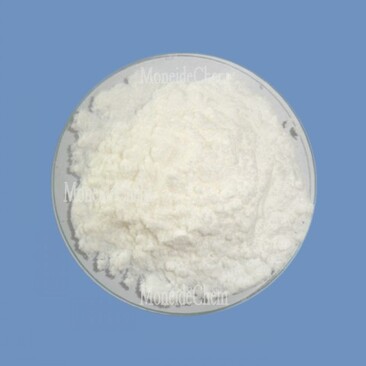
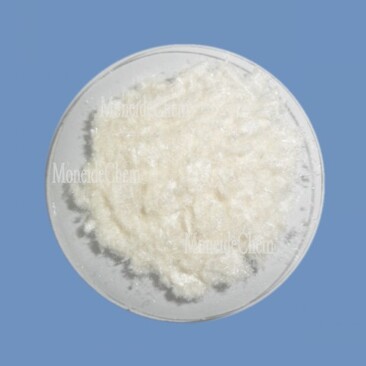
If you’ve ever dug into the chemistry behind coatings, catalysts, or flame retardants, there’s a good chance sodium hypophosphite played a quiet but essential role. While it’s not a household name, this compound touches industries worldwide — from electronics to wastewater treatment. Understanding it isn’t just a nerdy chemical trivia exercise. It’s about grasping a subtle but powerful agent that makes certain modern technologies safer, cheaper, and greener. The global demand for specialty chemicals continues to grow, heavily tied to advancements in manufacturing, electronics, and sustainable materials. According to the International Chemical Industry Association, the market for phosphorous-based chemicals like sodium hypophosphite sees steady annual growth around 4-5%. Why? These compounds help produce corrosion-resistant coatings, improve catalyst efficiency, and enable safer flame retardants — all crucial to building durable infrastructure and devices globally. Yet, here’s a challenge: as industries ramp up production, environmental compliance and cost efficiency become hotter topics. Sodium hypophosphite often sits at this intersection, offering processes that are cleaner and less energy-intensive. Frankly, it’s a small chemical with big implications for greener industry. Put simply, sodium hypophosphite is an inorganic compound — the sodium salt of hypophosphorous acid. Its formula is NaH2PO2, and it usually appears as a white, crystalline powder. Chemically speaking, it’s a strong reducing agent, meaning it readily donates electrons in reactions — which is quite handy in various industrial applications. In modern industry, it is perhaps best known for its role in electroless nickel plating, where it helps deposit a uniform, corrosion-resistant nickel layer without using electric current. That has knock-on effects in manufacturing better circuit boards, medical devices, and even aerospace components. It also helps in producing flame retardants, treating wastewater, and acting as a stabilizer in plastics — all profiles that tie into critical humanitarian and environmental needs worldwide. Sodium hypophosphite acts as a powerful reducing agent, making it indispensable in electroless plating methods. Unlike traditional plating requiring electricity, it helps deposit metals uniformly at room temperature. This lowers energy consumption and ensures consistent quality — important for electronics or medical tools where minute precision counts. It remains chemically stable under differential heat conditions common in industrial processes. This durability ensures it performs reliably in harsh manufacturing environments, preventing unwanted degradations or side reactions. This compound is water-soluble, which simplifies mixing and application in liquid chemical baths. It can be handled in both powder and solution forms, adding flexibility for different production setups. While phosphorous chemicals are traditionally scrutinized for environmental impact, sodium hypophosphite presents a relatively lower toxicity profile and more environmentally benign degradation pathways when compared to some heavy metal alternatives. Mini Takeaway: Sodium hypophosphite is valued mainly for its strong reducing power, thermal resilience, ease of use in aqueous processes, and comparatively greener profile. In real terms, post-disaster recovery teams increasingly rely on technologies made possible by compounds like sodium hypophosphite. For example, durable electronics for communications often have nickel-plated components enabled by this chemistry. Similarly, in remote industrial zones, its use in treating water keeps operations both environmentally compliant and sustainable. Why do engineers and chemists keep coming back to sodium hypophosphite? Several reasons: Honestly, the elegance is in how it quietly supports innovation and safety — evidencing the power of chemistry behind the scenes. Interestingly, as industries pivot toward digital and green transformations, sodium hypophosphite stays relevant. Innovations include: It’s odd but true: a relatively simple inorganic salt is riding shotgun with the future of smart factories and sustainable materials. Of course, every chemical has its hurdles. Sodium hypophosphite can be sensitive to oxygen, requiring careful storage to prevent degradation. Also, disposal of phosphorus compounds demands attention to avoid ecological damage. However, advancements like improved encapsulation methods during storage, combined with precisely engineered wastewater treatment systems, mitigate much of these risks. Many experts recommend best practices such as airtight packaging and recycling phosphorous-containing waste streams to truly harness this chemical responsibly. In wrapping up, I suppose the takeaway is that sodium hypophosphite might feel like a modest chemical—but its roles ripple across industries critical to modern life. Its cost advantages, environmental benefits, and practical versatility make it a compound worth knowing for anyone invested in industrial chemistry, environmental engineering, or material sciences. If you want to dive deeper or source quality sodium hypophosphite, visit Moneide Chemicals. They offer top-tier products supported by certifications and worldwide shipping. Ultimately, understanding such compounds is part of trusting the materials that shape our infrastructure, technologies, and even safety protocols around the globe. Pretty neat for something so humble. Quick reflection: Like untold backstage heroes, chemicals such as sodium hypophosphite quietly enable a better, safer world. Our challenge as informed consumers and engineers is to support, innovate, and handle these substances responsibly. References:Sodium Hypophosphite: A Backbone of Modern Industrial Chemistry
Introduction: Why Sodium Hypophosphite Matters on a Global Scale
What is Sodium Hypophosphite?
Core Aspects of Sodium Hypophosphite
1. Chemical Reduction Capability
2. Thermal Stability
3. Solubility and Handling
4. Environmental Compatibility
Global Applications & Use Cases
Property
Value
Units
Chemical Formula
NaH2PO2
-
Appearance
White crystalline powder
-
Purity
≥ 98%
%
Solubility in Water (20°C)
480
g/L
pH (1% Solution)
6 - 8
-
Advantages & Long-Term Value
Future Trends & Innovations
Challenges & Solutions
Vendor
Purity (%)
Price (per ton)
Global Shipping
Certifications
Moneide Chemicals
≥ 99%
$4,200
Yes
ISO 9001, REACH
ChemPhos Ltd.
98%
$4,300
Limited regions
ISO 14001
Global Phosphates
97.5%
$4,100
Worldwide
ISO 9001
FAQ: Common Questions About Sodium Hypophosphite
Conclusion: Sodium Hypophosphite, Small Compound, Big Impact


Moneide Chemicals


