Welcome to Tangshan Moneide Trading Co., Ltd.




Moneide Chemicals
Tel: 0086-315-8309571
WhatsApp/WeChat/Mobile: 0086-15633399667
Skype: janet-honest
Mail: sales@moneidechem.com
Address: 2-7-523 Jidong Building Materials Commercial Center, Tangshan, Hebei 064000 China
Buy Sodium Hypophosphite for Sale | Industrial Grade Reducing Agent Supplier
- Time of issue:Dec . 01, 2025 23:15
(Summary description)Tangshan Moneide Trading Co., Ltd. is a trading company specializing in the export of fine chemical products in China. Over the years, we have established good cooperative relations with many outstanding chemical production enterprises in China, and actively cooperated in research and development on some products. Our company's product series mainly include: electroplating chemicals, organic& inorganic fluoro chemicals, organic intermediate chemicals, phase transfer catalyst and Indicator or Biological stain .
- Categories:Company dynamic
- Author:
- Origin:
- Time of issue:2019-12-30 10:55
- Views:
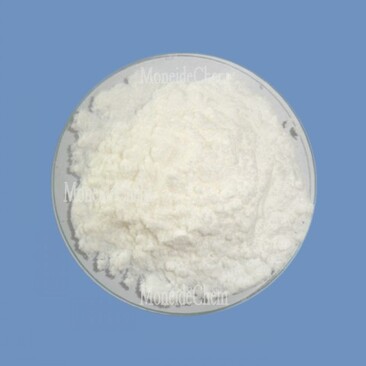
If you've ever stumbled on the term sodium hypophosphite for sale while searching for industrial chemicals, you’re not alone. This compound quietly powers many sectors worldwide, from electronics manufacturing to pharmaceuticals. Knowing what it is and why it's in demand can open doors to understanding key industrial processes and sustainable innovation globally. On a global scale, the importance of sodium hypophosphite lies largely in its versatility and role as a reducing agent and stabilizer — things crucial in advanced manufacturing. The United Nations Industrial Development Organization (UNIDO) highlights chemicals like these as part of the backbone enabling global industrial growth, especially in emerging economies. As industries grow and modernize, demand for such chemicals grows in tandem. Mini takeaway: Sodium hypophosphite may sound niche, but it supports entire supply chains essential for modern life. Picture this: electronics, pharmaceuticals, textile treatment, metal plating — all require carefully controlled chemical processes. Sodium hypophosphite fits right into this story. According to recent ISO reports, global chemical manufacturing has seen steady growth of around 3–4% annually over the last decade, driven in part by Asian markets and the push for better sustainability practices. However, industries also face challenges: ever-increasing environmental regulations, quality consistency, and cost controls. Sodium hypophosphite’s unique properties help address some of these, improving process efficiency and reducing harmful by-products. For example, in electroplating, it acts as a reducing agent enabling non-toxic nickel plating processes — a critical improvement given the tightening of hazardous substances laws in Europe and North America. Mini takeaway: The chemical’s rising demand answers real challenges in greener industry and higher-quality manufacturing worldwide. Simply put, sodium hypophosphite (chemical formula NaPO2H2) is a white crystalline powder used primarily as a reducing agent in chemical reactions. It's often sourced in bulk and sold to various manufacturers — hence sodium hypophosphite for sale being a common query among industrial buyers. Its connection to modern industry runs deep. For instance, it’s a critical ingredient in electroless nickel plating, which deposits a uniform layer of nickel onto metals without needing electric current — perfect for intricate components in aerospace and electronics. In pharmaceuticals, it can act as an intermediate reactant, while textile industries use it for flame retardant finishes. Frankly, it’s one of those “silent helper” chemicals that most end-users don’t see but benefit from indirectly every day. Mini takeaway: It’s chemically reliable, versatile, and indispensable in critical industrial reactions. Sodium hypophosphite is reactive enough to reduce metal ions in solution but stable enough to be stored and handled with care. This balance is what makes it suitable for sensitive applications like electroless plating — odd to think that a pretty stable chemical can perform such precise tasks. Compared to alternatives, it offers a cost-effective solution for manufacturers, especially when buying sodium hypophosphite for sale in bulk. That’s why it’s favored in large-scale production where small savings per kilogram add up. Because it enables less toxic plating processes, it helps companies meet strict environmental standards, which vary globally but have trended tighter since the early 2000s. This compliance aspect greatly influences procurement choices. High purity grades reduce impurities in plating baths or chemical reactions, improving product reliability and reducing waste — key for industries where defective batches can mean serious financial loss. Global chemical suppliers often stock sodium hypophosphite for sale with reliable logistics, meaning manufacturers can maintain uninterrupted production. This stability in supply is crucial — no one likes a sudden halt because of chemical scarcity. Mini takeaway: Understanding these specs helps buyers avoid surprises; not all sodium hypophosphite is created equal. The most talked-about use is probably the electroless nickel plating industry. Regions like East Asia, Europe, and North America have huge markets here. Many engineers I talked to praise how it improves corrosion resistance and durability on electronics and automotive components—sometimes joked it’s “the glue holding modern gadgets together.” In pharmaceuticals, sodium hypophosphite is a reactant in producing certain drugs, particularly where quick and clean reduction steps are required. The textile industry uses it for flame retardants — particularly in countries with strict fire safety codes like Japan and Germany. Oddly enough, in some developing countries, it's even used in water treatment plants as a metal reducing agent, indirectly supporting cleaner water supplies. Consider disaster relief tech: durable electronics or medical devices relying on nickel-plated parts don’t fail when conditions are harsh. So indirectly, sodium hypophosphite supports lifesaving gear. Mini takeaway: Its reach crosses continents and sectors, quietly enabling vital processes. Of course, chemical suppliers also emphasize safety and proper storage—that stuff isn’t something to treat lightly. Yet, ultimately sodium hypophosphite enables safer products for consumers, which is a nice emotional consolation for those handling it daily. There’s growing interest in greener chemical processes and automation. Digital monitoring of plating baths (real-time chemistry checks) plus using higher purity sodium hypophosphite grades means waste can be cut drastically. Moreover, tighter regulations on heavy metals and phosphates push manufacturers to innovate — potentially boosting demand for more eco-friendly derivative chemicals related to sodium hypophosphite. Lastly, since the electric vehicle and renewable energy sectors depend heavily on high-performance components, expect sodium hypophosphite to be a chemical staple underpinning those technologies for years to come. On the flip side, sometimes purity inconsistencies or supply chain disruptions create hiccups in production—especially for manufacturers who source from multiple vendors. Fortunately, more companies now adopt strict quality controls and vendor audits. Also, proper education about safe handling remains vital. Many chemical distributors offer training and technical support alongside sodium hypophosphite for sale deals — an invaluable resource for smaller or newer manufacturers. It's widely used in electroless nickel plating, pharmaceuticals, flame retardants, and water treatment. Industries requiring uniform metal coatings or clean chemical reductions frequently rely on it. Store in cool, dry places away from strong oxidizers. Use personal protective equipment during handling, and ensure proper ventilation. Suppliers often provide Material Safety Data Sheets (MSDS) with detailed protocols. Yes, many chemical suppliers including moneidechem.com offer bulk quantities with quality certificates suitable for industrial scale manufacturing. When used and disposed of properly, it’s relatively safe and supports greener plating methods versus traditional toxic chemicals. However, overuse or improper waste management can pose risks to aquatic life. Higher purity means more consistent chemical reactions and fewer impurities that could compromise product quality, especially vital in sensitive applications like pharma or electronics. At the end of the day, sodium hypophosphite is a quiet enabler of many technologies we take for granted. Its balanced chemical profile, cost-effectiveness, and adaptability make it a staple chemical around the globe. Whether you’re in electronics, pharma, textiles, or water treatment, understanding its role can help you innovate, streamline processes, and stay ahead of regulation trends. If you’re ready to explore reliable and quality sodium hypophosphite for sale, check out trusted suppliers who emphasize both purity and service. It’s never just about buying a chemical — it’s about partnering for success. Thanks for reading — next time you hear about this compound, remember it’s part of the silent chemistry behind progress. ReferencesUnderstanding Sodium Hypophosphite for Sale: Why It Matters Globally
Introduction: The Global Industry Context for Sodium Hypophosphite
What Exactly Is Sodium Hypophosphite?
Key Attributes Include:
Core Components and Factors Driving Usage
1. Reactivity and Stability
2. Cost Efficiency
3. Environmental Compliance
4. Purity and Quality Consistency
5. Supply Chain and Availability
Specification
Value
Purity
≥ 98%
Appearance
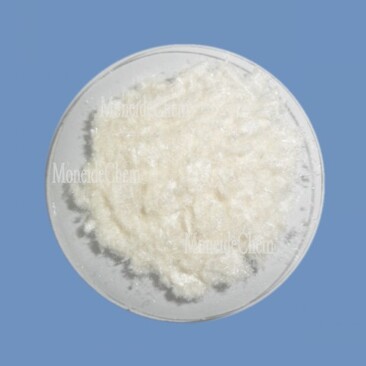
White crystalline powder
Water Insoluble Matter
≤ 0.1%
Moisture
≤ 1.0%
pH (1% solution)
6.5–8.0
Global Applications and Practical Use Cases
Advantages and Long-Term Value
What Does the Future Hold?
Challenges and How the Industry Tackles Them
Vendor
Purity Range
Delivery Time
Price (USD/kg)
Quality Certifications
Moneide Chemicals
98-99.5%
3-5 days (global)
$3.20
ISO 9001, REACH
GlobalChem Suppliers
97-99%
7-10 days
$3.55
ISO 14001
TechChem Industries
99%
5-7 days
$3.80
ISO 9001, GMP
FAQ: Your Top Questions About Sodium Hypophosphite for Sale
1. What applications benefit most from using sodium hypophosphite?
2. How do I ensure safe storage and handling of sodium hypophosphite?
3. Can I purchase sodium hypophosphite in bulk for industrial use?
4. Are there environmental concerns related to sodium hypophosphite?
5. How does the purity of sodium hypophosphite affect its performance?
Wrapping Up: Why Sodium Hypophosphite Remains an Industrial Staple

Moneide Chemicals


