Welcome to Tangshan Moneide Trading Co., Ltd.






Moneide Chemicals
Tel: 86-315-8309571
WhatsApp/WeChat/Mobile: 0086-15633399667
Skype: janet-honest
Mail: sales@moneidechem.com
Address: 2-7-523 Jidong Building Materials Tangshan, Hebei 064000 China
|
Chemical Name |
M_Methyl red |
|
CAS No. |
20691-84-3 |
|
Molecular formula |
C17H19N3O2 |
|
EINECS No. |
|
|
Molecular weight |
297.36 |
|
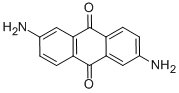
Molecular Structure |
|
|
Details |
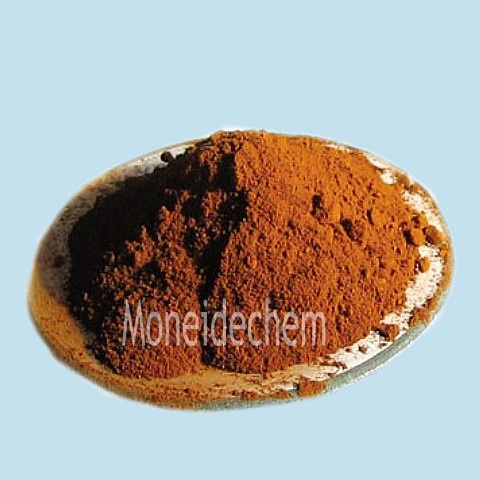
Appearance: With shine blood-red powder PH change range: 2.0(red)~4.0(yellow) Solubility in alcohol: Passes test Sulfated ash: 0.2%max Oxidation test by bromine: Passes test Solubility: solve in alcohol, insolve in water, making acid and alkali indicator. Packing: 25kg/ fibre drum |
|
Main Application |
Indicator |
M-Methyl Red (meta-Methyl Red) is an azo-based pH indicator widely used in chemical and biological laboratories. Structurally similar to methyl orange, it exhibits a color transition from red (pH <4.4) to yellow (pH >6.2), making it suitable for detecting pH changes in moderately acidic to neutral ranges. Unlike its ortho- counterpart, M-Methyl Red offers improved stability and sharper color transitions in specific applications. It is commonly dissolved in ethanol or water for use in titrations, microbial assays, and diagnostic tests, where precise pH monitoring is required.
M-Methyl Red Application
M-Methyl Red is primarily used in microbiology as a component of Methyl Red (MR) test media to identify enteric bacteria (e.g., E. coli) based on their ability to produce stable acidic fermentation byproducts. In chemistry, it serves as a pH indicator for titrations involving weak acids and strong bases. Additionally, it finds niche applications in dyeing textiles and as a staining agent in histology. Its selective responsiveness to specific pH ranges makes it valuable in environmental testing, such as monitoring water or soil acidity in ecological studies.
M-Methyl Red Benefits
The key advantages of M-Methyl Red include its sharp color transition, which enhances endpoint visibility in titrations, and its chemical stability under varied conditions. Unlike universal indicators, it provides targeted sensitivity in the pH 4.4–6.2 range, reducing interference in microbial tests. Its low toxicity and water solubility facilitate safe handling in labs. While largely replaced by digital pH meters in some fields, its cost-effectiveness and reliability sustain its use in educational settings and standardized microbiological protocols, such as the IMViC series for bacterial identification.






Moneide Chemicals


