Welcome to Tangshan Moneide Trading Co., Ltd.






Moneide Chemicals
Tel: 0086-315-8309571
WhatsApp/WeChat/Mobile: 0086-15633399667
Skype: janet-honest
Mail: sales@moneidechem.com
Address: 2-7-523 Jidong Building Materials Commercial Center, Tangshan, Hebei 064000 China
Comprehensive Guide to Dimethyl Sulfoxide 10114586 Chemical Properties and Applications
- Time of issue:Feb . 24, 2026 11:10
(Summary description)Tangshan Moneide Trading Co., Ltd. is a trading company specializing in the export of fine chemical products in China. Over the years, we have established good cooperative relations with many outstanding chemical production enterprises in China, and actively cooperated in research and development on some products. Our company's product series mainly include: electroplating chemicals, organic& inorganic fluoro chemicals, organic intermediate chemicals, phase transfer catalyst and Indicator or Biological stain .
- Categories:Company dynamic
- Author:
- Origin:
- Time of issue:2019-12-30 10:55
- Views:
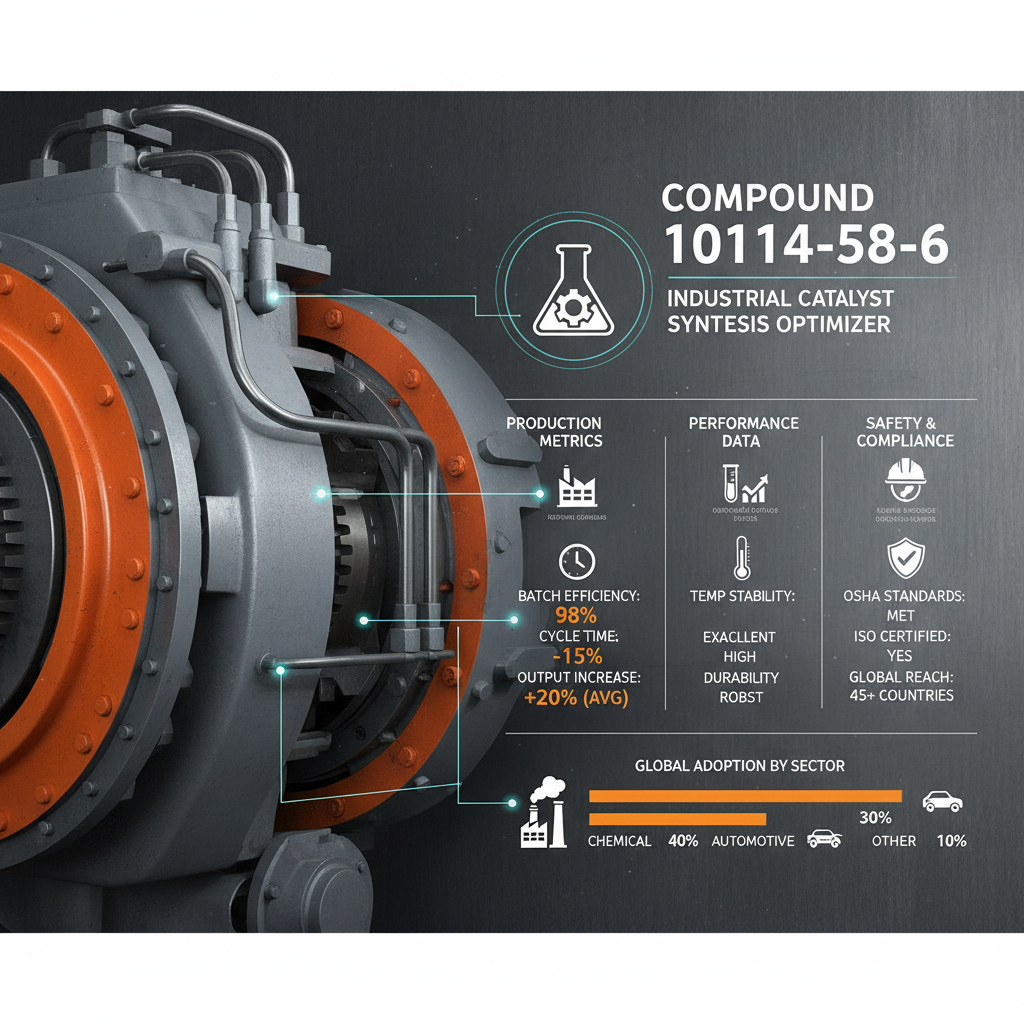
10114-58-6, more commonly known as Dimethyl Sulfoxide (DMSO), is a versatile organosulfur compound with a wide range of applications across diverse industries. This article will delve into the properties, uses, safety considerations, and sourcing of DMSO, providing a detailed resource for professionals in chemistry, pharmaceuticals, and related fields. Understanding this compound is crucial for its safe and effective utilization in various processes. Moneide Chemical provides high-quality DMSO for all your research and industrial needs. DMSO is a clear, colorless, hygroscopic liquid. It possesses a slight garlic-like odor, which is generally not considered unpleasant in diluted forms. It's known for its exceptional ability to dissolve both polar and nonpolar compounds, making it a crucial solvent in chemical reactions and formulations. Its high boiling point and low vapor pressure reduce solvent loss during operations. Furthermore, DMSO is aprotic, meaning it doesn’t donate protons, which is important for specific chemical reactions where proton donation is undesirable. Sourcing pure DMSO is vital for maintaining consistent results in your applications. Key Highlights: DMSO's unique solvent properties and chemical characteristics make it invaluable in a wide spectrum of industrial and research applications. Its aprotic nature and ability to dissolve diverse compounds set it apart from other common solvents. The versatility of DMSO translates into broad application in multiple fields. In the pharmaceutical industry, it’s used as a solvent for drug delivery, including topical applications due to its skin penetration enhancing properties. In chemical synthesis, it serves as a reaction medium for various organic reactions, improving yields and selectivity. Furthermore, it’s utilized in cryopreservation to protect biological materials from freeze-thaw damage, a vital application in cell biology and biotechnology. Beyond these, it finds use in electronics as a cleaning agent and in the polymer industry as a solvent and plasticizer. Key Application Areas: • Pharmaceutical Formulation & Drug Delivery • Chemical Synthesis & Reaction Medium • Cryopreservation of Biological Samples • Electronics Cleaning • Polymer Processing DMSO often serves as a superior alternative to other common solvents like dimethylformamide (DMF) and N-methylpyrrolidone (NMP) due to its lower toxicity profile. While DMF and NMP are excellent solvents, they are associated with reproductive toxicity concerns, driving the demand for safer alternatives like DMSO. Additionally, DMSO boasts a higher flash point than many organic solvents, reducing fire hazards in the lab or industrial setting. However, it’s important to note that DMSO can enhance the absorption of other chemicals through the skin, requiring careful handling and appropriate protective measures. Choose reliable suppliers to ensure the quality and purity of your DMSO. While DMSO has a relatively low toxicity, it’s crucial to handle it with care. As mentioned previously, it readily penetrates skin, carrying other substances with it. Therefore, always wear appropriate personal protective equipment (PPE), including gloves, eye protection, and a lab coat, when handling DMSO. Avoid inhalation of vapors and ensure adequate ventilation. In case of skin contact, wash thoroughly with soap and water. Refer to the Safety Data Sheet (SDS) for detailed safety information and handling procedures. Moneide Chemical provides SDS documentation with all DMSO purchases. Ensuring the purity and quality of DMSO is paramount for reliable results. Moneide Chemical provides DMSO that meets stringent quality control standards, including high purity levels (typically ≥99.9%), low water content, and minimal levels of impurities. Our DMSO undergoes rigorous testing using techniques such as gas chromatography-mass spectrometry (GC-MS) and Karl Fischer titration to verify its quality and consistency. We provide detailed certificates of analysis (COAs) with each batch, assuring you of the product’s specifications. Dimethyl Sulfoxide (DMSO) remains an indispensable solvent across numerous scientific and industrial sectors. Its exceptional solvent properties, coupled with its relatively low toxicity compared to alternatives, make it a valuable asset. By choosing a trusted supplier like Moneide Chemical, you can ensure the quality, purity, and safety of your DMSO supply, supporting your research and production endeavors. DMSO is extensively used in biological research as a cryoprotectant – a substance that protects cells and tissues from damage during freezing. It penetrates cell membranes and disrupts ice crystal formation, preventing cellular damage. It's also widely used to enhance the permeability of cell membranes, allowing other molecules to enter more easily. However, this permeability enhancement must be considered when designing experiments as it can affect the results. The concentration of DMSO used should be carefully optimized to minimize potential toxicity. No, DMSO is not compatible with all types of plastics. It can dissolve or swell many common plastics, including polystyrene and polyvinyl chloride (PVC). It’s generally safe to use with polypropylene (PP), Teflon (PTFE), and glass. Always check the compatibility of your containers and tubing before using DMSO to avoid contamination and potential leaks. Using incompatible plastics can compromise the integrity of your experiment or process. DMSO is hygroscopic, meaning it readily absorbs moisture from the air. Therefore, it should be stored in a tightly sealed container in a cool, dry place, protected from light. Long-term storage under an inert atmosphere (e.g., nitrogen or argon) is recommended to prevent degradation. Avoid storing DMSO near strong oxidizing agents. Proper storage is essential to maintain its purity and effectiveness. Moneide Chemical packages DMSO in appropriate containers to ensure its stability during shipping and storage.Understanding 10114-58-6: A Comprehensive Overview for Chemical Applications

Key Properties of Dimethyl Sulfoxide (DMSO)
Applications of 10114-58-6 Across Industries
Comparing DMSO with Other Common Solvents
Safety Considerations and Handling of DMSO
Product Specifications and Quality Control
Conclusion: A Reliable Solvent for Diverse Applications
Frequently Asked Questions (FAQs)
What is the primary use of DMSO in biological research?
Can DMSO be used with all types of plastics?
What are the storage requirements for DMSO?







Moneide Chemicals


