





Moneide Chemicals
Tel: 86-315-8309571
WhatsApp/WeChat/Mobile: 0086-15633399667
Skype: janet-honest
Mail: sales@moneidechem.com
Address: 2-7-523 Jidong Building Materials Tangshan, Hebei 064000 China
|
Chemical Name |
Basic Violet 1 |
|
CAS No. |
8004-87-3 |
|
Molecular formula |
C24H28แคลเอ็น3 |
|
EINECS No. |
|
|
Molecular weight |
393.95 |
|
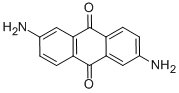
Molecular Structure |
|
|
Details |
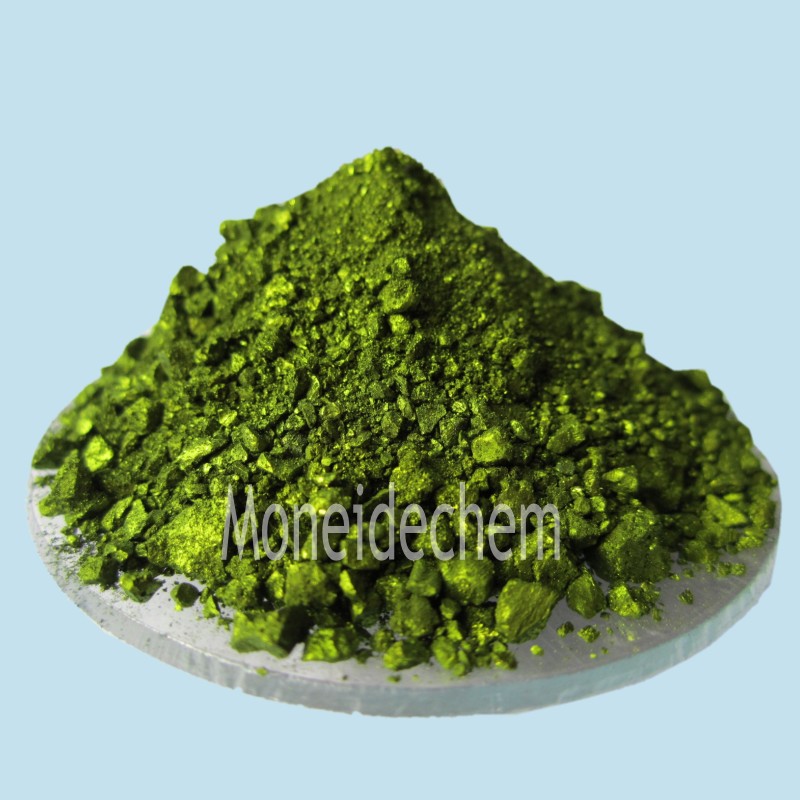
Appearance: With metal luster bottle green piece or powder. Biological stain test: Passes test Solubility in alcohol: Passes test Sulfated ash: 1.5% max Loss on drying: 7.5% max Heavy metals(as Pb): 0.005%max As: 0.001%max Solubility: solve in water, alcohol and chloroform, difficult solve in aether. Packing: 25kg/ fibre drum |
|
Main Application |
A triphenylmethane type biological dyeing agents; Bacteria inhibitors. |
1. What is Basic Violet 1 powder?
Basic Violet 1, also known as Methyl Violet 2B, is a synthetic triarylmethane dye appearing as a dark green powder with a characteristic purple hue when dissolved. It belongs to the cationic dye family, carrying a positive charge that enables strong binding to negatively charged surfaces like fabrics and biological tissues. The powder is soluble in water and alcohol, forming vibrant violet solutions. Primarily used in industrial and laboratory settings, it's valued for its staining properties and colorfastness, though its use is restricted in consumer products due to potential toxicity concerns.
2. What is Basic Violet 1 used for?
Basic Violet 1 serves as a biological stain in microscopy, particularly for Gram staining bacteria and highlighting cell nuclei in histology. Industrially, it dyes silk, paper, and leather, and acts as a colorant for inks and toners. In aquaculture, it has been used as an antifungal agent, though this application is now limited due to regulatory restrictions. Additionally, it functions as a pH indicator, transitioning from yellow (acidic) to violet (neutral/alkaline). Its versatility is offset by its toxicity, requiring careful handling in controlled environments.
3. Basic Violet 1 Features
This dye exhibits high color intensity, stability in acidic conditions, and strong affinity for negatively charged materials. Its cationic nature ensures excellent adhesion to fabrics and cellular components, making it ideal for staining. The powder is lightfast but may fade under prolonged UV exposure. While cost-effective and efficient, its synthetic composition and potential environmental persistence necessitate regulated use. Alternatives are increasingly favored in biological applications, but Basic Violet 1 remains relevant in industrial dyeing where its vivid color and durability are prioritized.


Moneide Chemicals


