






Produtos Químicos Moneide
Telefone: 86-315-8309571
WhatsApp/WeChat/Celular: 0086-15633399667
Skype: janet-honesta
Correspondência: sales@moneidechem.com
Endereço: 2-7-523 Jidong Building Materials Tangshan, Hebei 064000 China
|
Nome químico |
Coumarin |
|
Another name |
2H-1-Benzopyran-2-one |
|
Nº CAS. |
91-64-5 |
|
Fórmula molecular |
C9H6O2 |
|
EINECS No. |
202-086-7 |
|
Peso molecular |
146.14 |
|
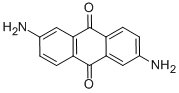
Estrutura Molecular |
|
|
Detalhes |
Appearance: white crystalline powder Solublity in Ethanol Test: pass Melting range (℃) 68~70 Sulfated ash(as SO4): 0.1% max. |
|
Aplicação principal |
Used in the manufacture of spices, as sweet agent shall, also used in electroplating industry. |
Coumarin is a fragrant organic compound with the chemical formula C9H6O2, naturally found in plants like tonka beans, cinnamon, and sweet clover. It has a distinctive sweet, vanilla-like aroma, making it valuable in perfumery and flavoring. Synthetically produced coumarin is widely used due to cost efficiency and purity control. While approved for cosmetic and industrial uses, its ingestion is restricted in food products in many countries due to potential liver toxicity at high doses. Its versatile structure also serves as a backbone for pharmaceutical derivatives like anticoagulants.
Coumarin Application
Coumarin is primarily used in fragrances and cosmetics for its warm, woody scent, enhancing soaps, detergents, and perfumes. In manufacturing, it acts as a precursor for anticoagulant drugs like warfarin. The compound also functions as a fluorescent dye in lasers and OLEDs due to its light-emitting properties. Historically, it flavored foods, but most nations now ban this use. Additionally, it serves in electroplating baths and as an optical brightener in textiles. Research continues into its potential medical applications, including anti-inflammatory and anticancer effects.
Coumarin Features
Key features include a melting point of 68-70°C, volatility for easy incorporation into scents, and stable fluorescence under UV light. Its benzopyrone structure allows chemical modifications for diverse industrial uses. While non-toxic in topical applications, oral consumption risks hepatotoxicity, prompting regulatory limits. Natural coumarins exhibit plant defense properties, while synthetic versions offer consistency for commercial use. The compound’s dual role as a fragrance and functional molecule maintains its relevance in niche scientific and industrial sectors despite safety constraints.




Produtos Químicos Moneide


