Welcome to Tangshan Moneide Trading Co., Ltd.





Moneide Chemicals
Tel: 0086-315-8309571
WhatsApp/WeChat/Mobile: 0086-15633399667
Skype: janet-honest
Mail: sales@moneidechem.com
Address: 2-7-523 Jidong Building Materials Commercial Center, Tangshan, Hebei 064000 China
Zinc Dihydrogen Phosphate: Industrial Uses, Benefits, and Future Trends
- Time of issue:Dec . 02, 2025 08:40
(Summary description)Tangshan Moneide Trading Co., Ltd. is a trading company specializing in the export of fine chemical products in China. Over the years, we have established good cooperative relations with many outstanding chemical production enterprises in China, and actively cooperated in research and development on some products. Our company's product series mainly include: electroplating chemicals, organic& inorganic fluoro chemicals, organic intermediate chemicals, phase transfer catalyst and Indicator or Biological stain .
- Categories:Company dynamic
- Author:
- Origin:
- Time of issue:2019-12-30 10:55
- Views:
Zinc dihydrogen phosphate (Zn(H2PO4)2) might not be a household name, but it plays a surprisingly crucial role in industries around the world. From coating technologies to energy storage, it’s a versatile compound with an impact that spans far beyond its chemical formula. Understanding this compound is essential, especially as industries seek sustainable and efficient materials that meet evolving environmental standards.
The global chemical industry is valued at over $4 trillion as of 2023, and phosphate-based compounds, including zinc dihydrogen phosphate, represent a vital subset of this enormous market. According to the United Nations Industrial Development Organization (UNIDO), specialty phosphates are key to improving coatings and corrosion resistance, a challenge that persists globally in infrastructure and manufacturing sectors. Zinc dihydrogen phosphate offers an excellent balance between chemical stability and reactive functionality, which directly addresses the ongoing problem of metal corrosion and battery efficiency.
Oddly enough, despite its vital role, many engineers and product developers find zinc dihydrogen phosphate a bit mysterious, often lumped together with other phosphate salts or overlooked in favor of more commonly discussed chemicals. But digging into its properties clarifies why it’s gaining traction in sustainable technologies.
In simple terms, zinc dihydrogen phosphate is an inorganic salt composed of zinc, hydrogen, and phosphate ions. It’s often used as an additive or active ingredient in various chemical formulations. Its unique properties—such as strong adhesion to metallic surfaces and good thermal stability—make it particularly useful in modern industrial applications that demand durability and reliability.
Crucially, zinc dihydrogen phosphate connects to humanitarian needs through its use in coatings that protect infrastructure in harsh environments, helping avoid costly failures and improving safety. When buildings or equipment in disaster-prone areas resist degradation better, communities can recover faster and with less risk.
Zinc dihydrogen phosphate forms a protective layer on metal surfaces, drastically reducing oxidation. This is vital in marine environments and industrial zones where corrosion rates are typically high.
It withstands moderate heat without degrading, which means it can be incorporated into coatings or composites that experience elevated temperatures during manufacturing or use.
The compound is compatible with many solvents and resins, making it flexible for different formulation needs in paints or battery materials.
Phosphates like this one can be recovered from and recycled within closed-loop processes, contributing to reduced environmental footprints—something increasingly prioritized in global chemical manufacturing.
Zinc dihydrogen phosphate finds usage in multiple sectors:
For instance, in post-earthquake reconstruction in Indonesia, coatings enhanced with zinc dihydrogen phosphate have helped protect exposed metal frameworks from rapid deterioration brought on by heavy rains and salty coastal air.
Zinc dihydrogen phosphate's unique chemical traits enable it to enhance durability and sustainability in key global industries, notably coatings and battery manufacture.
What truly makes zinc dihydrogen phosphate stand out is its tangible contribution to cost efficiency and sustainability. It reduces the frequency of equipment replacement by protecting metal from corrosion, saving companies significant maintenance costs over time. Socially, this durability secures livelihoods by ensuring critical infrastructure lasts longer under challenging conditions, which frankly is priceless to communities in vulnerable regions.
On the innovation front, its thermal stability opens doors for its use in greener energy storage solutions, enabling longer-lasting batteries and devices. So the compound isn’t just a “nice to have” — it’s a facilitator of trust and safety in multiple facets of modern life.
Looking ahead, the role of zinc dihydrogen phosphate is evolving, especially in relation to sustainable technologies. Digital transformation in chemical manufacturing means more precise application and minimal waste, increasing overall efficiency. Meanwhile, green energy initiatives are pushing demand for zinc phosphate variants in advanced battery materials and eco-friendlier coatings.
Automation will likely tailor zinc dihydrogen phosphate applications on a micro-level, enhancing performance while reducing the environmental footprint—a win-win that many industries are keen to achieve.
Despite benefits, challenges remain: the acidity of zinc dihydrogen phosphate solutions can complicate handling and requires careful formulation to prevent negative effects on other materials. Moreover, sourcing high-purity variants consistently is difficult for some emerging market companies.
Expert chemists and industry leaders suggest innovations like encapsulation techniques and co-additives to buffer acidic behavior, improving integration. Plus, closer international collaboration and supply chain transparency can enhance availability and reduce quality variations.
To sum up, zinc dihydrogen phosphate stands as a quietly essential ingredient in multiple industries worldwide. Its contribution to corrosion resistance, thermal stability, and sustainability make it a future-facing choice as industries strive to be greener and more efficient. If you want to explore how zinc dihydrogen phosphate can specifically benefit your application, I suggest visiting our website to connect with specialists that understand your needs.
It feels like this compound’s quiet power will keep shaping industries for some time, and frankly, that’s a good thing.Zinc Dihydrogen Phosphate: Understanding Its Industrial and Global Importance
Introduction: The Global Relevance of Zinc Dihydrogen Phosphate
What Is Zinc Dihydrogen Phosphate?
Core Properties of Zinc Dihydrogen Phosphate
1. Corrosion Resistance
2. Thermal Stability
3. Chemical Compatibility
4. Sustainability Potential
Applications Around the World
Quick Takeaway:
Product Specifications: Typical Zinc Dihydrogen Phosphate
Property
Typical Value
Chemical Formula
Zn(H2PO4)2
Appearance
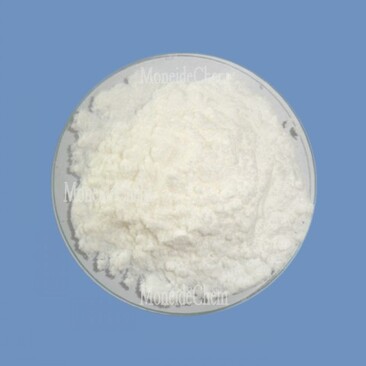
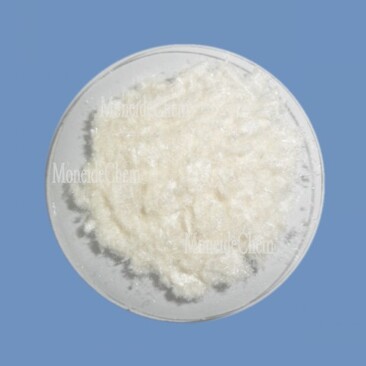
White crystalline powder
Purity
≥ 98%
Solubility
Soluble in water, partially soluble in ethanol
pH of 1% solution
3.5 - 5.0 (acidic)
Vendor Comparison: Leading Zinc Dihydrogen Phosphate Suppliers
Supplier
Origin
Purity (%)
Packaging
Typical Lead Time
MoneideChem
China
≥ 98%
25 kg bags
1-2 weeks
ZincCoat Ltd.
Germany
≥ 99%
20 kg drums
3-4 weeks
PhosChem Inc.
USA
97-98%
Bulk powder
2-3 weeks
Advantages and Long-Term Value
Future Trends and Innovations
Challenges and Solutions
FAQ: Frequently Asked Questions About Zinc Dihydrogen Phosphate
Conclusion
References




Moneide Chemicals


