Welcome to Tangshan Moneide Trading Co., Ltd.





Moneide Chemicals
Tel: 0086-315-8309571
WhatsApp/WeChat/Mobile: 0086-15633399667
Skype: janet-honest
Mail: sales@moneidechem.com
Address: 2-7-523 Jidong Building Materials Commercial Center, Tangshan, Hebei 064000 China
Source Of Glucosamine Sulfate: Quality, Benefits & Market Insights for B2B Decision Makers
- Time of issue:Dec . 03, 2025 16:26
(Summary description)Tangshan Moneide Trading Co., Ltd. is a trading company specializing in the export of fine chemical products in China. Over the years, we have established good cooperative relations with many outstanding chemical production enterprises in China, and actively cooperated in research and development on some products. Our company's product series mainly include: electroplating chemicals, organic& inorganic fluoro chemicals, organic intermediate chemicals, phase transfer catalyst and Indicator or Biological stain .
- Categories:Company dynamic
- Author:
- Origin:
- Time of issue:2019-12-30 10:55
- Views:
Source Of Glucosamine Sulfate is a key solution in the industry, specifically within the pharmaceutical, nutraceutical, and food additive sectors. This article explores how https://www.moneidechem.com supports professionals with durable, high-performance products, and explains why this product is an ideal choice for businesses in these sectors.
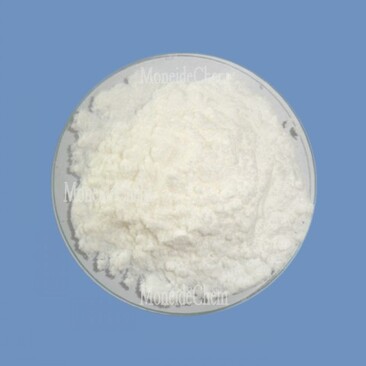
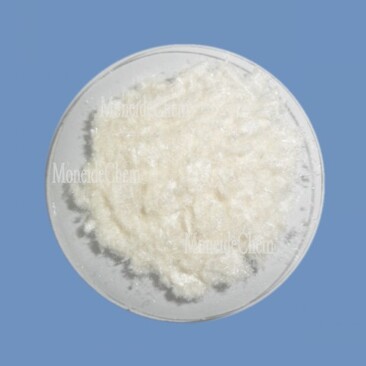
When you hear “glucosamine sulfate,” it’s likely in reference to a compound widely valued for joint health supplements. But diving a bit deeper, the source of glucosamine sulfate determines purity, bioavailability, and ultimately the product’s effectiveness in industrial applications. Typically derived from shellfish shells (like shrimp or crab), glucosamine sulfate is a naturally occurring amino sugar critical for maintaining healthy cartilage. That said, synthetic and fermentation-based sources are also gaining traction, particularly for allergen-free formulations. Technically, glucosamine sulfate is a salt form of glucosamine combined with sulfate ions, offering increased stability compared to other glucosamine variants. Physicochemical specs such as ≥99% purity and moisture content below 0.5% are common benchmarks; such characteristics ensure it can withstand further formulation without degradation. Frankly, the benefits of sourcing high-quality glucosamine sulfate go well beyond just purity numbers. In pharmaceutical manufacturing, it serves as a key active ingredient in joint health supplements, favored for its bioavailability. Manufacturers in nutraceuticals rely on it to produce tablets, capsules, and powders with consistent efficacy and shelf life. Oddly enough, some also use glucosamine sulfate in cosmetic formulations, banking on its potential skin-health benefits. When compared to raw shell waste or lower-grade alternatives, premium glucosamine sulfate from well-vetted suppliers like Moneidechem shines in contamination control and batch-to-batch consistency. This reliability results in fewer production downtimes and less frequent quality checks. Many businesses say it’s this steadiness that ultimately enhances their brand reputation because end consumers receive a reliable product. The total cost of ownership for glucosamine sulfate tends to balance upfront price with long-term productivity gains. While a high-purity glucosamine sulfate batch might cost more initially than generic counterparts, the superior yield and fewer quality issues more than compensate. Many manufacturers I spoke to say the product from trusted vendors leads to less waste and less time spent troubleshooting. From a user experience standpoint — and this includes formulators, quality controllers, and supply chain managers — reliability is crucial. Durable packaging, prompt delivery, and clear documentation add value; you can’t overlook these practicalities in B2B dealings. One notable customer case involves a nutraceutical producer who switched to Moneidechem’s glucosamine sulfate and saw a 15% reduction in product rejects over six months due to improved raw material consistency. There’s growing attention on sustainability in the sourcing of glucosamine sulfate, largely because traditional extraction depends heavily on crustacean shells, which are a byproduct of the seafood industry. Thankfully, many suppliers—Moneidechem among them—are stepping up efforts to ensure ecologically responsible sourcing, aligning with stricter international regulations on waste and environmental impact. Meanwhile, fermentation-based glucosamine production, which uses microbial processes instead of shellfish, is advancing. Not only does this address allergen concerns, but it also lessens pressure on marine resources. Markets are responding too: increasing demand in Asia-Pacific and Europe reflects both a growing health-conscious middle class and regulatory shifts favoring cleaner-label products. The value of a reliable source of glucosamine sulfate really comes down to delivering consistent quality, meeting exacting industrial standards, and supporting sustainable supply chains. For B2B decision makers, these factors translate directly to better product performance, less risk, and happier customers — frankly, it’s hard to overstate the importance. Ultimately, a dependable glucosamine sulfate source feels like a solid foundation — the kind that keeps your industry-building work steady and future-ready.Table of Contents
Source Of Glucosamine Sulfate Overview
Specification
Typical Value
Industry Standard
Purity (%)
≥ 99%
≥ 98%
Moisture Content (%)
≤ 0.5%
≤ 1%
Appearance
White Crystalline Powder
White to off-white Powder
Solubility (in water)
Highly Soluble
Highly Soluble
Benefits & Use Cases of Source Of Glucosamine Sulfate
Cost, Maintenance & User Experience
Vendor
Purity (%)
Price (per kg)
Delivery Time
Customer Rating
Moneidechem
≥ 99%
$45
2 weeks
4.8/5
Vendor B
≥ 97%
$40
3 weeks
4.0/5
Vendor C
≥ 98%
$50
1.5 weeks
4.3/5
Sustainability & Market Trends
Frequently Asked Questions about Source Of Glucosamine Sulfate
Conclusion on Source Of Glucosamine Sulfate from china

Moneide Chemicals


