Welcome to Tangshan Moneide Trading Co., Ltd.




Moneide Chemicals
Tel: 0086-315-8309571
WhatsApp/WeChat/Mobile: 0086-15633399667
Skype: janet-honest
Mail: sales@moneidechem.com
Address: 2-7-523 Jidong Building Materials Commercial Center, Tangshan, Hebei 064000 China
Sodium Saccharine: Global Uses, Benefits, and Industry Insight
- Time of issue:Dec . 02, 2025 15:20
(Summary description)Tangshan Moneide Trading Co., Ltd. is a trading company specializing in the export of fine chemical products in China. Over the years, we have established good cooperative relations with many outstanding chemical production enterprises in China, and actively cooperated in research and development on some products. Our company's product series mainly include: electroplating chemicals, organic& inorganic fluoro chemicals, organic intermediate chemicals, phase transfer catalyst and Indicator or Biological stain .
- Categories:Company dynamic
- Author:
- Origin:
- Time of issue:2019-12-30 10:55
- Views:
Ever wondered about the little things that sweeten your day without adding calories? Sodium saccharine might just be the unsung hero behind many sugar-free products worldwide. But beyond its role as a sweetener, this compound plays a surprisingly significant part in industry, health, and global markets. Let's unravel what sodium saccharine really is, why it matters globally, and the key benefits of understanding it—for manufacturers, consumers, and even humanitarian efforts. Globally, the demand for alternative sweeteners like sodium saccharine has surged, especially as health-conscious consumers seek sugar substitutes. According to the World Health Organization, excessive sugar intake is linked to a rise in non-communicable diseases — so alternatives are vital. The global sugar substitute market size was valued at over $15 billion USD in 2022 and is expected to grow steadily. Sodium saccharine, with its decades-long track record and stability, remains a top contender, especially in processed foods, pharmaceuticals, and beverages. But there’s a challenge: maintaining safety standards while meeting massive demand, especially in countries with variable regulations. This creates an interesting dynamic for producers and regulators alike. So, what exactly is sodium saccharine? It’s a synthetic sweetener—basically a chemical compound—which tastes about 300-500 times sweeter than table sugar but contains zero calories. Chemically, it’s the sodium salt form of saccharin, often used in its crystalline powder form. Its high sweetness potency means only a little is needed to sweeten products, which makes it economical and efficient. From an industrial standpoint, sodium saccharine is valued not just for sweetness but also because it’s thermostable—meaning it can withstand high temperatures during food processing. This makes it a staple in canned foods, pharmaceuticals, and even toothpaste! Unlike some natural sweeteners that break down with heat or acidic conditions, sodium saccharine remains stable, which is crucial during cooking or sterilization processes. It’s inexpensive to produce on a large scale when compared to natural sweeteners. That said, prices can fluctuate based on raw materials and regulatory changes. Sodium saccharine has a pronounced sweetness but sometimes an aftertaste, which manufacturers often balance with other sweeteners. Regulatory agencies worldwide, like the FDA in the US and EFSA in Europe, have approved sodium saccharine within established safe intake limits, but monitoring remains essential because of past health concerns (which have since been largely debunked). It works well in combination with other sweeteners for synergistic effects, making it versatile in formulation. Sodium saccharine is everywhere—from diet sodas in North America to sugar-free candies in Europe and medicinal syrups in Asia. Food and beverage manufacturers rely on it heavily, but it’s also found in personal care products like toothpaste and mouthwash, due to its non-cariogenic properties. In humanitarian aid, especially in emergency nutrition packs distributed after disasters, sodium saccharine helps mask unpleasant tastes while keeping calorie content low—vital for malnourished recipients. Regions with stringent health regulations, as well as those with sugar import limitations, also benefit from sodium saccharine for cost-effective sweetening solutions. On a practical level, sodium saccharine offers low-cost, high-intensity sweetness that supports diabetic and weight-conscious diets. It’s also non-cariogenic, so better for dental health. Socially, it enables food access where sugar may not be feasible or affordable, supporting nutrition and food security. From a sustainability angle, using potent sweeteners like sodium saccharine can reduce agricultural demands tied to sugarcane or beet cultivation. On the emotional side, products containing sodium saccharine offer guilt-free indulgence, fostering trust and innovation in food science. Interestingly, the sweetener landscape is evolving. Researchers focus on blending sodium saccharine with natural sweeteners to mitigate taste issues. Advances in biotechnology aim to produce saccharin derivatives with improved sensory profiles. Furthermore, environmental sustainability drives companies to optimize production methods, reduce waste, and certify clean supply chains—aligning sodium saccharine with green chemistry principles. Despite its benefits, sodium saccharine’s bitter aftertaste can limit its use in certain recipes. Manufacturers often mitigate this by blending it with sweeteners like sucralose or stevia. Regulatory scrutiny also continues, so vigilant testing and transparent labeling remain key. Supply chain issues, like fluctuations in raw material costs or geopolitical impacts, can cause instability. Forward-thinking suppliers employ diversified sourcing and stockpiling to counteract these risks effectively. Sodium saccharine may be one of the earliest artificial sweeteners, but its relevance today is undisputed—it's economical, reliable, and flexible enough to meet modern health and industry challenges. Whether you're a food manufacturer, a supplier, or working in humanitarian logistics, understanding sodium saccharine offers insights into a global supply chain that supports wellbeing and innovation. For detailed inquiries or to source high-quality sodium saccharine, visit https://www.moneidechem.com today. Mini takeaway: Sodium saccharine balances cost, effectiveness, and safety—a quiet staple sweetening lives worldwide.Sodium Saccharine: Understanding Its Global Impact and Industrial Value
Introduction: The Global Context of Sodium Saccharine
Defining Sodium Saccharine
Key Aspects of Sodium Saccharine
1. Stability and Durability
2. Cost Efficiency
3. Taste Profile
4. Regulatory Approval
5. Compatibility
Global Applications and Use Cases
Advantages and Long-Term Value
Future Trends and Innovations in Sodium Saccharine Use
Challenges and Solutions
Product Specifications Table
Property
Specification
Chemical Name
Sodium Saccharin (C7H4NNaO3S)
Appearance
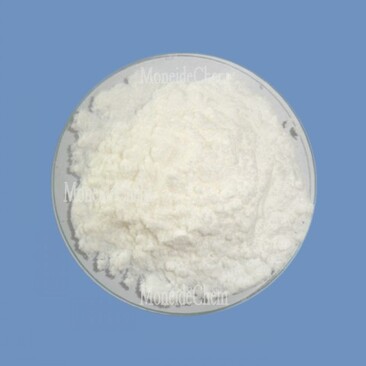
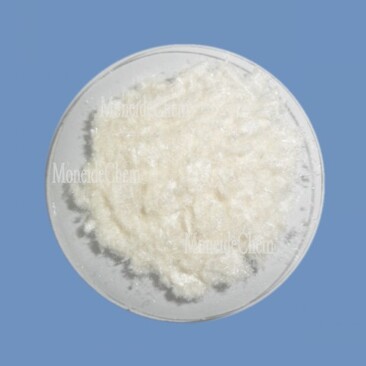
White crystalline powder
Sweetness Intensity
300–500 times sweeter than sucrose
Solubility
Highly soluble in water
Shelf Life
Up to 3 years under proper conditions
Typical Usage Level
0.1% to 0.5% in food formulations
Vendor Comparison Table
Vendor
Purity (%)
Price per Ton (USD)
Global Shipping
Certifications
Moneide Chemicals
>99.5%
$4,200
Yes (Worldwide)
ISO, FDA, REACH
SweetChem Ltd.
>99%
$4,500
Regional (Asia, EU)
FDA, Halal
GlobalSweet Corp.
>98.5%
$3,900
Limited (North America)
REACH, ISO
FAQs About Sodium Saccharine
A: Yes, when consumed within recommended limits. Agencies like the FDA and EFSA have reviewed extensive research and consider it safe for general use. However, excessive intake should be avoided, as with any additive.
A: Yes, due to its heat stability, sodium saccharine is suitable for cooking and baking. But be mindful of its aftertaste—mixing it with other sweeteners can improve flavor.
A: Sodium saccharine is synthetic but highly potent and cost-effective. Natural sweeteners like stevia or monk fruit may have different taste profiles and processing requirements, so the choice depends on product goals.
A: Absolutely. Many major suppliers, such as Moneide Chemicals, facilitate global shipping with appropriate certifications, making importation streamlined for NGOs.
A: The primary challenge is its bitter aftertaste. Formulators often blend it with other sweeteners or flavor modulators for balanced sweetness and improved mouthfeel.Conclusion: Why Sodium Saccharine's Role is Here to Stay

Moneide Chemicals


