Welcome to Tangshan Moneide Trading Co., Ltd.






Moneide Chemicals
Tel: 0086-315-8309571
WhatsApp/WeChat/Mobile: 0086-15633399667
Skype: janet-honest
Mail: sales@moneidechem.com
Address: 2-7-523 Jidong Building Materials Commercial Center, Tangshan, Hebei 064000 China
Sodium Benzenesulfinate: Uses, Benefits, and Industry Insights - MoneideChem
- Time of issue:Dec . 01, 2025 18:50
(Summary description)Tangshan Moneide Trading Co., Ltd. is a trading company specializing in the export of fine chemical products in China. Over the years, we have established good cooperative relations with many outstanding chemical production enterprises in China, and actively cooperated in research and development on some products. Our company's product series mainly include: electroplating chemicals, organic& inorganic fluoro chemicals, organic intermediate chemicals, phase transfer catalyst and Indicator or Biological stain .
- Categories:Company dynamic
- Author:
- Origin:
- Time of issue:2019-12-30 10:55
- Views:
If you’ve never come across sodium benzenesulfinate before, don't worry—it's one of those niche chemicals that quietly plays a pivotal role across industries, from pharmaceutical manufacturing to textile dyeing. Globally, awareness of such compounds is crucial because they underpin countless products, innovations, and even humanitarian efforts. Sodium benzenesulfinate helps solve complex challenges involving sustainability and process efficiency, making it worth a closer look. At first glance, it seems like just another chemical formula tucked away in catalogues, but grasping its properties and applications opens doors to understanding modern industrial chemistry and how deeply specialized chemicals influence supply chains. In our increasingly interconnected world, materials like sodium benzenesulfinate serve as quietly indispensable cogs in the machinery of modern industry. According to the International Organization for Standardization (ISO), specialty chemical production has grown by roughly 4% annually worldwide over the last five years, largely driven by demand in Asia-Pacific and Europe. This includes sulfinates—a class to which sodium benzenesulfinate belongs—that often reduce environmental impact through greener synthesis routes. More importantly, challenges such as the need for safer, more efficient dyes in textile factories or more precise intermediates in pharmaceuticals call on chemicals like sodium benzenesulfinate to meet the mark. Industry insiders sometimes point at it as one of those “workhorse” chemicals whose true value is underappreciated outside R&D circles. To put it plainly, sodium benzenesulfinate is an organosulfur compound characterized by a benzenesulfinate ion paired with a sodium ion. It looks like this on paper: C₆H₅SO₂Na. This compound often acts as a versatile reducing agent or intermediate during organic synthesis, especially in creating dyes and pharmaceuticals. Its importance goes beyond the lab bench — it's a small, solid substance that helps build molecules with specific traits needed for everything from colorfast fabrics to active pharmaceutical ingredients. In humanitarian or industrial materials production, having reliable intermediates like this transforms quality and efficiency. In practice, these features mean sodium benzenesulfinate can be deployed with confidence for various synthesis tasks without unexpected spoilage or complex setup. Sodium benzenesulfinate frequently turns up in industries centered around dye intermediates—think of textile hubs in India and China where vibrant colors require precise chemical inputs for environmental compliance and brilliant hues. In the pharmaceutical sector, companies in Europe and North America rely on this compound to synthesize intermediates for analgesics and antibiotic drugs. For example, in post-disaster relief manufacturing of medical supplies, sodium benzenesulfinate’s role in producing stable compounds ensures rapid scale-up and consistent quality under pressure. Similarly, specialty chemical companies in Japan leverage it for fine chemical production aimed at electronics and automotive sectors, showing how widespread and versatile its usage really is. Sodium benzenesulfinate bridges gaps between raw materials and finished products globally, making it an unsung hero in manufacturing. Sodium benzenesulfinate scores on multiple fronts: When you think about it, it's more than just a "chemical" — it’s like a sturdy thread woven through multiple sectors that society depends on. The world’s shifting toward greener chemistry all the while trying to improve efficiency and digital control. For sodium benzenesulfinate, this means: Many researchers are optimistic about unlocking even safer, more tailored sulfinates soon—especially as consumer demands lean heavily into sustainability. Of course, it’s not without hurdles: Industry leaders recommend close partnerships with chemical suppliers and investing in on-site analytics to spot any batch inconsistencies sooner. New filtration and crystallization technologies also help improve material quality and reduce waste. Primarily textile dye production and pharmaceutical manufacturing. It acts as a reducing agent and intermediate for complex molecules requiring precision and safety. Compared to traditional reagents, yes—it dissolves well in water and supports less toxic synthesis routes, which helps reduce hazardous waste and solvent use. Keep it in a cool, dry environment and avoid moisture exposure. Proper storage ensures thermal and chemical stability for months or even years. While stable, improper handling can cause skin and eye irritation. Always follow safety data sheets and use personal protective equipment. Generally, yes, provided it’s packaged correctly and accompanied by proper documentation, though always consult local regulations and suppliers before shipment. Sodium benzenesulfinate might not be a household name, but its role in enabling industry-wide innovation, environmental stewardship, and supply chain resilience is clear. Whether you are developing new dyes or medicines, understanding this chemical’s strengths and challenges will serve your projects well. Want to explore sodium benzenesulfinate or related products in depth? Visit our website for detailed info and expert support. It’s worth keeping an eye on this versatile compound as it shapes the future of specialty chemicals! Demand for smarter, cleaner chemistry will likely boost sodium benzenesulfinate's importance worldwide—it’s a small molecule with a big job.Understanding Sodium Benzenesulfinate: Small Molecule, Big Impact
The Global Relevance of Sodium Benzenesulfinate
What Exactly Is Sodium Benzenesulfinate?
Key Features That Make It Stand Out
Practical Applications Around the World
A Quick Takeaway
Table: Sodium Benzenesulfinate Product Specifications
Specification
Value
Unit
Purity
≥ 98%
%
Appearance
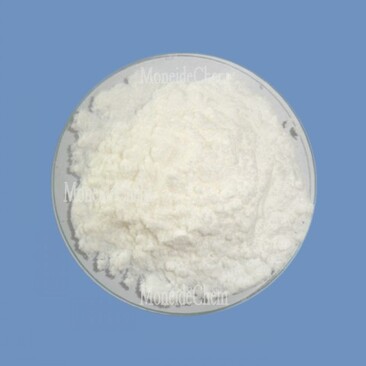
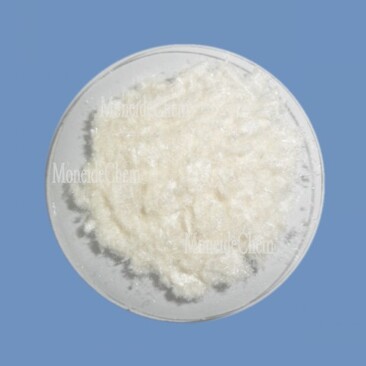
White crystalline powder
–
Water Solubility
Highly soluble
–
Melting Point
Min 180
°C
Storage Condition
Cool, dry place
–
Why It’s Winning: Advantages & Long-Term Value
Looking Ahead: Future Trends in Sodium Benzenesulfinate Use
Challenges & Smarter Approaches
Vendor Comparison for Sodium Benzenesulfinate Suppliers
Supplier
Purity Range
Annual Capacity
Lead Time
Sustainability Certifications
Moneide Chemical
≥98%
500 MT
2–3 weeks
ISO 14001, REACH
ZenChem Ltd.
≥97%
300 MT
3–4 weeks
ISO 9001
ChemTech Solutions
≥99%
250 MT
4–6 weeks
New GSC Certified
Frequently Asked Questions About Sodium Benzenesulfinate
1. What industries most commonly use sodium benzenesulfinate?
2. Is sodium benzenesulfinate environmentally friendly?
3. How should sodium benzenesulfinate be stored for maximum shelf life?
4. Are there risks associated with handling sodium benzenesulfinate?
5. Can sodium benzenesulfinate be shipped internationally without special permits?
Wrapping Up: Why Sodium Benzenesulfinate Matters
Quick Takeaway
References




Moneide Chemicals


