To be honest, these days everyone's talking about sustainability. Green materials, reducing waste… It’s all the rage, which is good, don't get me wrong. But have you noticed how often "green" just means more expensive and harder to work with? It’s a constant trade-off, and you’re always trying to balance the budget with what actually makes sense on the construction site. We’ve been looking at a lot of bio-based polymers lately, trying to replace traditional plastics in some of our components. It's a long road.
The design side… oh boy. I’ve seen so many engineers get tripped up by seemingly simple things. Like, designing a housing for something that’s easy to assemble in the lab, but a nightmare when you're up on a scaffold with greasy hands and a deadline looming. Rounded corners look nice on the CAD drawing, but they’re a pain to seal properly. I encountered this at a factory in Ningbo last time, they insisted on a complex curved panel. Took them a week to figure out how to get the adhesive to hold right. A simple flat surface would have solved it.
Speaking of materials, we’re doing a lot with expanded polypropylene – EPP. Strangely, it doesn’t smell like much, but you can tell when you're handling it, it's just… different. Less brittle than polystyrene, more forgiving. And it floats! That’s actually been useful in a few marine applications we’ve done. The density is key, you can adjust it to get exactly the buoyancy you need. We also use a lot of high-density polyethylene, HDPE. It's rough, feels almost waxy, and gets slippery when it's wet, which is something the guys always complain about. But it’s durable as all get out.
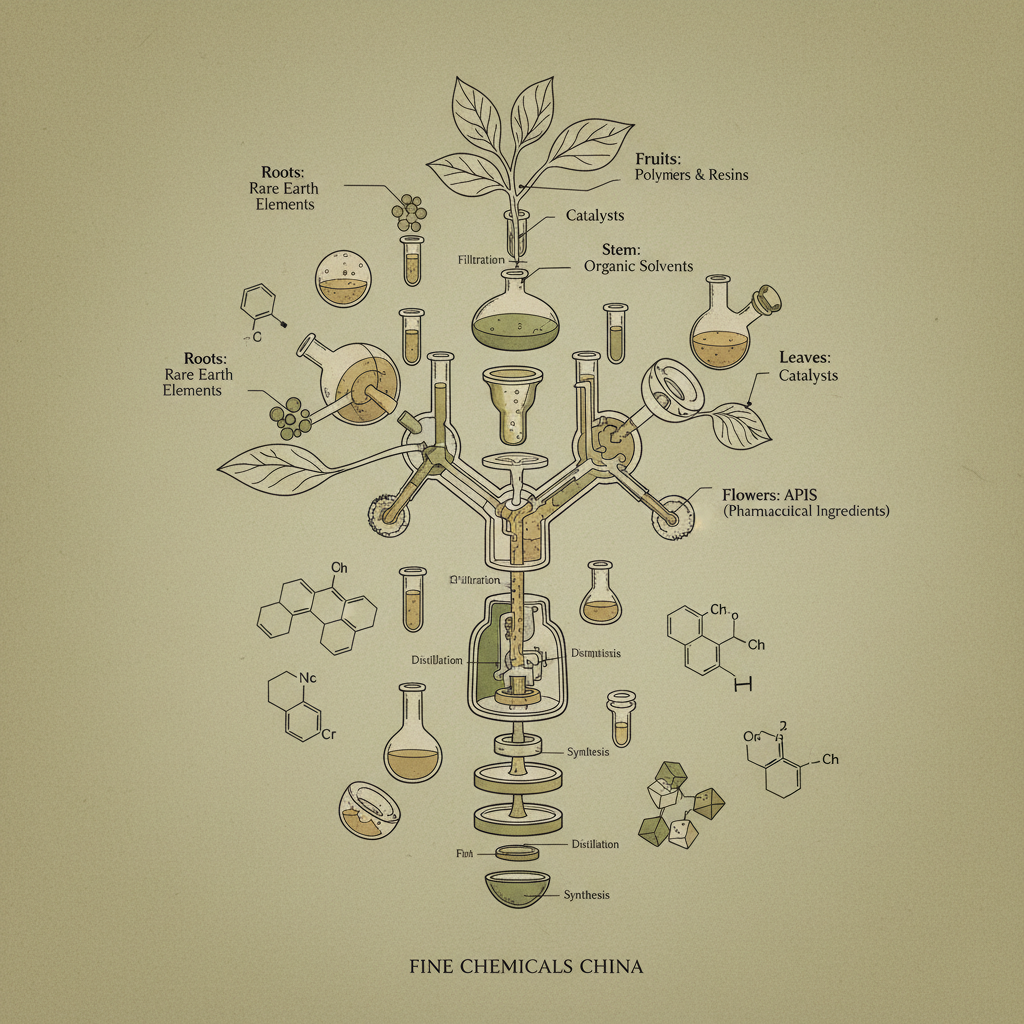
Introduction to fine chemicals china
The rise of fine chemicals china has dramatically reshaped global supply chains, offering both unprecedented opportunities and complex challenges. China's dominance in this sector isn't just about cost; it’s about scale, infrastructure, and increasingly, innovation. Understanding the nuances of fine chemicals china is now crucial for businesses across industries, from pharmaceuticals to electronics.
It’s not simply a story of manufacturing prowess. China’s investment in research and development, coupled with a highly skilled workforce, is driving a shift towards higher-value, specialized chemical production. This impacts everything from the availability of critical raw materials to the cost of finished goods worldwide. A lot of companies are scrambling to adjust their sourcing strategies, and honestly, some are doing a better job than others.
Frankly, it can be overwhelming. Navigating the regulatory landscape, ensuring quality control, and managing logistics require specialized expertise. But getting it right opens up access to a massive market and a competitive edge that’s hard to ignore. That’s why we at fine chemicals china are focused on making this process smoother for our clients.
The Global Landscape of fine chemicals china
The influence of fine chemicals china extends far beyond its borders. Consider the pharmaceutical industry – a significant portion of Active Pharmaceutical Ingredients (APIs) are now sourced from China. According to the UN Comtrade database, China accounted for over 40% of global chemical exports in 2022. That’s a massive figure, and it's only growing. It creates dependencies, certainly, but also efficiencies.
The World Bank consistently highlights China’s role as a key driver of global economic growth, and the chemical sector is a significant contributor to that growth. The ISO standards adopted by many Chinese manufacturers are gradually aligning with international benchmarks, increasing trust and reliability – although due diligence is always required.
The challenge lies in the evolving geopolitical landscape and the increasing focus on supply chain resilience. Companies are realizing that relying solely on one source, however cost-effective, can be risky. The recent disruptions caused by global events have underscored the need for diversification and robust risk management strategies.
Defining fine chemicals china
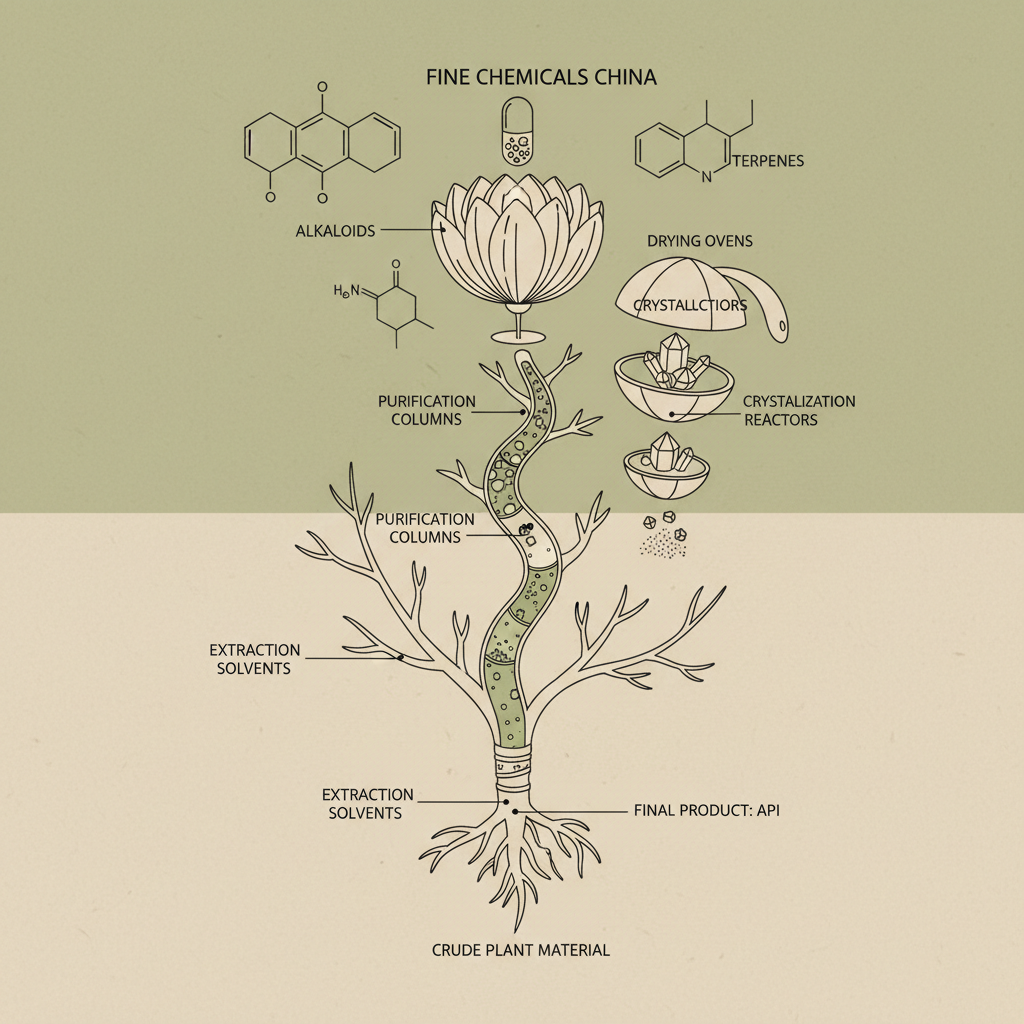
So, what are fine chemicals china, exactly? Essentially, they are complex, single, pure chemical substances produced in limited quantities. Think of pharmaceuticals, agrochemicals, specialty polymers, and additives for various industries. They're different from commodity chemicals, which are produced in large volumes and sold based on price. Fine chemicals are sold based on purity, performance, and specific application.
The connection to modern industry is profound. Without fine chemicals china, many of the technologies we rely on daily simply wouldn't exist. From the smartphones in our pockets to the medications that keep us healthy, fine chemicals are the invisible building blocks of modern life. They are crucial for innovation and progress.
And they’re vital for addressing humanitarian needs, too. Access to affordable medicines, efficient agricultural practices, and clean water solutions all depend on the availability of high-quality fine chemicals. The development and production of these chemicals require a highly skilled workforce, advanced technology, and stringent quality control measures.
Key Aspects of fine chemicals china
Durability, or rather, shelf life, is a big concern. Some fine chemicals are notoriously unstable and require specific storage conditions. That adds cost and complexity to the supply chain. Scalability is another – can a manufacturer reliably ramp up production to meet increased demand? It’s easy to make a batch in the lab, much harder to do it at scale.
Cost efficiency, obviously, is always a factor. China’s competitive advantage stems largely from lower labor costs and economies of scale. But that’s changing, and we're seeing labor costs rise in many regions. Intellectual property protection is also key. Companies need to be confident that their formulations and processes won't be copied. And finally, regulatory compliance – navigating the complex web of Chinese regulations can be a real headache.
Fine Chemicals China: Manufacturing Capacity by Sub-Sector
Global Applications of fine chemicals china
You see fine chemicals china everywhere. In post-disaster relief operations, water purification tablets are almost always sourced from Chinese manufacturers. In remote industrial zones, specialized lubricants and corrosion inhibitors keep machinery running. The automotive industry relies heavily on Chinese-produced additives for paints, coatings, and plastics.
The electronics sector is completely dependent on it. From the etching chemicals used to create circuit boards to the specialized polymers used in semiconductors, China plays a pivotal role. And of course, the agricultural industry – pesticides, herbicides, and fertilizers, all heavily reliant on Chinese production.
Advantages and Value of fine chemicals china
Cost is the obvious advantage, but it's not the whole story. The sheer scale of production allows for significant economies of scale. Sustainability is also becoming a major focus – many Chinese manufacturers are investing in green technologies and reducing their environmental impact.
Reliability is improving, too. While quality control used to be a concern, many Chinese companies are now implementing rigorous quality management systems. Ultimately, access to fine chemicals china allows companies to innovate, reduce costs, and improve their competitiveness. It's about more than just price, it's about unlocking potential.
Future Trends in fine chemicals china
We're seeing a huge push towards green chemistry and sustainable manufacturing practices. Digital transformation is also playing a big role – AI-powered process optimization, predictive maintenance, and supply chain visibility. Automation is becoming increasingly common, helping to improve efficiency and reduce errors.
And there’s a growing emphasis on specialized, high-value chemicals. China is moving away from simply being a low-cost producer and towards becoming a global leader in chemical innovation. The development of new materials, like advanced polymers and nanomaterials, is driving this trend.
Anyway, I think the biggest change will be the increased focus on circular economy principles – reducing waste, reusing materials, and minimizing environmental impact. That’s going to require a fundamental shift in how chemicals are designed, produced, and used.
Summary of Key Considerations for Fine Chemicals China Sourcing
| Supplier Reliability |
Quality Control Measures |
Regulatory Compliance |
Customization Capabilities |
| Years in Operation |
ISO 9001 Certification |
REACH Registration Status |
Minimum Order Quantity |
| Customer References |
In-House Testing Labs |
SDS Availability |
Formulation Flexibility |
| Financial Stability |
Batch Traceability |
Environmental Permits |
Packaging Options |
| Production Capacity |
Third-Party Audits |
Export Licenses |
Private Labeling |
| Supply Chain Transparency |
Analytical Data |
Compliance with RoHS |
Custom Synthesis |
| Responsiveness to Inquiries |
Document Control |
GMP Compliance |
Sample Availability |
FAQS
Honestly, the biggest risks are quality control issues and intellectual property theft. You need to do serious due diligence. Get independent testing, verify certifications, and have a solid contract in place. Don’t just go for the cheapest price; you get what you pay for. Supply chain disruptions are also a concern, particularly with ongoing geopolitical tensions. Diversifying your sourcing is crucial.
First, look for suppliers with ISO 9001 certification, but don’t rely on that alone. Request samples for testing by an independent lab. Audit their facilities if possible. Insist on full traceability – you should be able to track the chemical back to its raw materials. And establish a clear quality agreement that outlines your specifications and acceptance criteria.
This is a tricky one. Chinese chemical regulations are complex and constantly evolving. It's best to work with a local expert who understands the regulations and can help you navigate the process. Make sure your supplier has all the necessary licenses and permits, and that they comply with REACH and other relevant international standards.
Absolutely. Many Chinese manufacturers offer custom synthesis services. But be prepared to pay a premium for it. You’ll need to provide detailed specifications, and the supplier may require a minimum order quantity. It's important to have a clear understanding of the process and the associated costs before you commit.
Lead times can vary significantly depending on the chemical, the quantity, and the supplier. Typically, you can expect a lead time of 4-8 weeks for standard chemicals, but it can be longer for custom synthesis or large orders. Factor in shipping time and customs clearance as well. It's always best to plan ahead and place your order well in advance.
Prices have been fluctuating quite a bit lately due to supply chain disruptions and rising raw material costs. We're seeing increased demand for certain chemicals, particularly those used in renewable energy and electric vehicles, which is driving up prices. It’s essential to monitor the market closely and negotiate prices carefully.
Conclusion
So, where does this all leave us? Fine chemicals china are a critical component of the global economy, and their importance is only going to grow. Navigating this landscape requires a deep understanding of the market, a commitment to quality, and a willingness to adapt to changing conditions. It’s not always easy, but the rewards can be significant.
Ultimately, whether this thing works or not, the worker will know the moment he tightens the screw. It’s about getting the right materials, building trust with your suppliers, and focusing on the details. And if you need help with any of that, you know where to find us. Visit our website at fine chemicals china.