Welcome to Tangshan Moneide Trading Co., Ltd.





Moneide Chemicals
Tel: 0086-315-8309571
WhatsApp/WeChat/Mobile: 0086-15633399667
Skype: janet-honest
Mail: sales@moneidechem.com
Address: 2-7-523 Jidong Building Materials Commercial Center, Tangshan, Hebei 064000 China
Methylene Blue for A Level Biology: Trusted Stain for Clear Results
- Time of issue:Dec . 04, 2025 05:38
(Summary description)Tangshan Moneide Trading Co., Ltd. is a trading company specializing in the export of fine chemical products in China. Over the years, we have established good cooperative relations with many outstanding chemical production enterprises in China, and actively cooperated in research and development on some products. Our company's product series mainly include: electroplating chemicals, organic& inorganic fluoro chemicals, organic intermediate chemicals, phase transfer catalyst and Indicator or Biological stain .
- Categories:Company dynamic
- Author:
- Origin:
- Time of issue:2019-12-30 10:55
- Views:
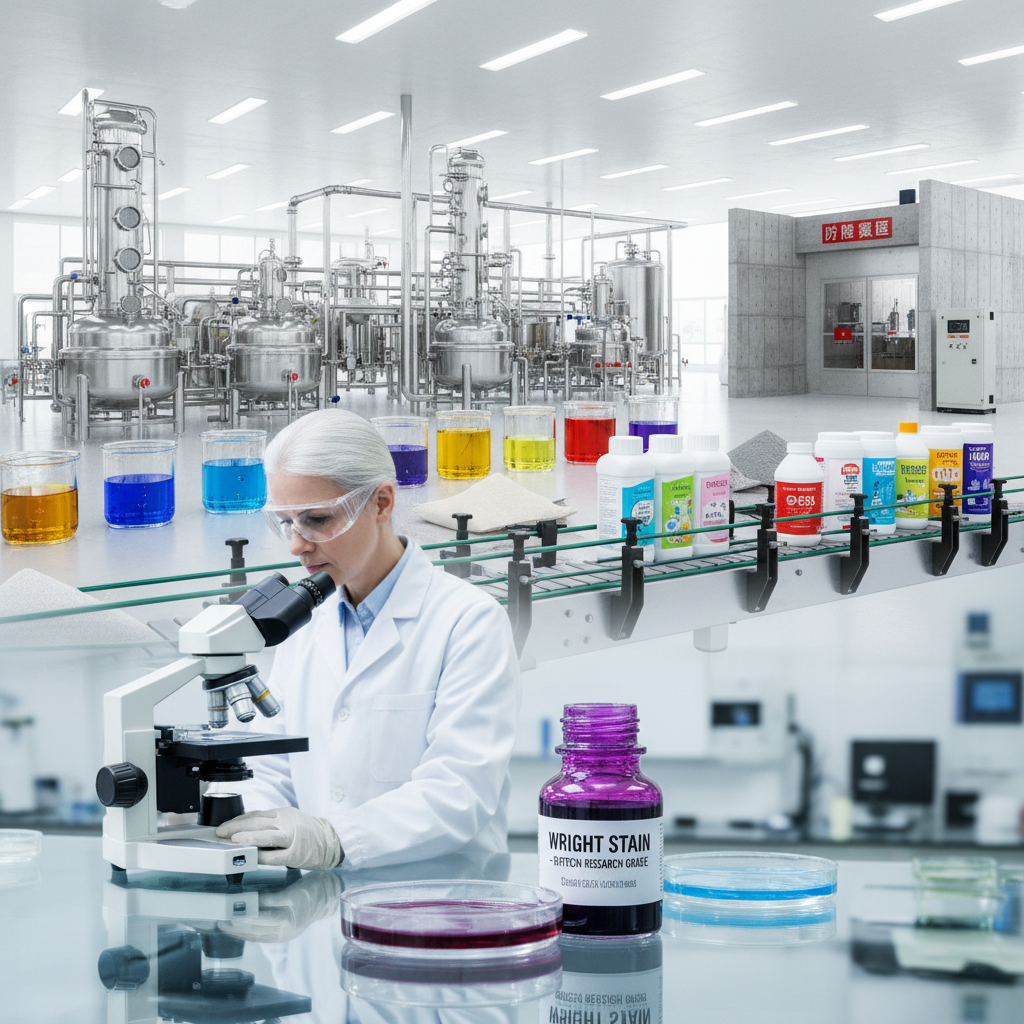
If you’ve spent any time in biology labs — especially at the A Level stage — you’ve probably crossed paths with methylene blue. It’s one of those classic staining agents that feels almost timeless. I remember back in my early days in the industrial sector, methylene blue wasn’t just a lab staple; it was sort of the unsung hero of microscopic examination.
From an industrial viewpoint, this dye’s main appeal isn’t just its vivid blue color—it’s how reliably it stains biological specimens, highlightin’ cell nuclei and making unseen details pop out under the microscope. Honestly, for many of us working around micro-analyzers or staining equipment, methylene blue is part of the daily grind. It gives that crisp contrast you need, especially when studying cell structures like cheek cells or bacterial samples in the classroom.
Now, on the technical side, methylene blue is a cationic dye. This means it binds preferentially to negatively charged components, such as nucleic acids inside the nucleus. For anyone prepping slides, it’s the go-to stain if you want a quick, clear view of cellular components without a ton of fuss. The staining process itself feels pretty straightforward — a dip or two, rinse lightly with water, and voila — your cells are ready for viewing.
Oddly enough, in classrooms I’ve visited or industry labs, the quality of the methylene blue solution can vary quite a bit. That’s where vendor choice really matters. Some suppliers offer purer grades which stain sharper, with less background haze. Others might sell cheaper versions, but you run the risk of inconsistency — the dye might fade faster or clump, complicating prep.
From my years of experience sourcing chemicals, I’d recommend taking a careful look at purity and batch consistency — it could save you time and frustration during experiments. Suppliers who provide clear batch documentation and stability info generally stand out.
I recall a local college biology lecturer telling me how switching to a higher grade methylene blue from a trusted vendor made their demos so much clearer. Students could finally see distinct nuclei without that annoying background stain messing things up. It’s a subtle difference, but in practice, it transforms the learning experience.
In real terms, if you’re ordering methylene blue for A Level biology, or industrial research, balancing cost with quality is crucial. Frankly, if it’s just for a few splash-and-rinse slides, you might not need ultra-high purity. But if you want repeatability, and clarity under the microscope, that’s when a supplier like methylene blue from a reputable vendor shows its worth.
All told, methylene blue remains an elegant, trustworthy tool — a dye that once introduced feels almost a friend to many budding biologists and professionals alike. And it’s fascinating how something so small can reveal the hidden architecture of life.
References:Methylene Blue for A Level Biology
Specification
Details
Chemical Formula
C16H18ClN3S
Appearance
Dark green crystals, blue solution when dissolved
Solubility
Water soluble
Typical Concentration for Staining
0.1% (w/v) aqueous solution
Common Uses
Staining nuclei in plant & animal cells, bacterial viability assays
Vendor
Purity
Price per 100g
Delivery Time
Batch Documentation
MoneideChem
>99%
$55
2–3 days
Detailed COA included
ChemLab Supplies
~95%
$45
5–7 days
Basic
Generic Labs
~90%
$40
3–4 days
None
1. A Level Biology Course Materials, Staining Techniques, 2020.
2. Industrial Staining Practices Handbook, 2018.
3. Supplier Certificates of Analysis, various years.

Moneide Chemicals


