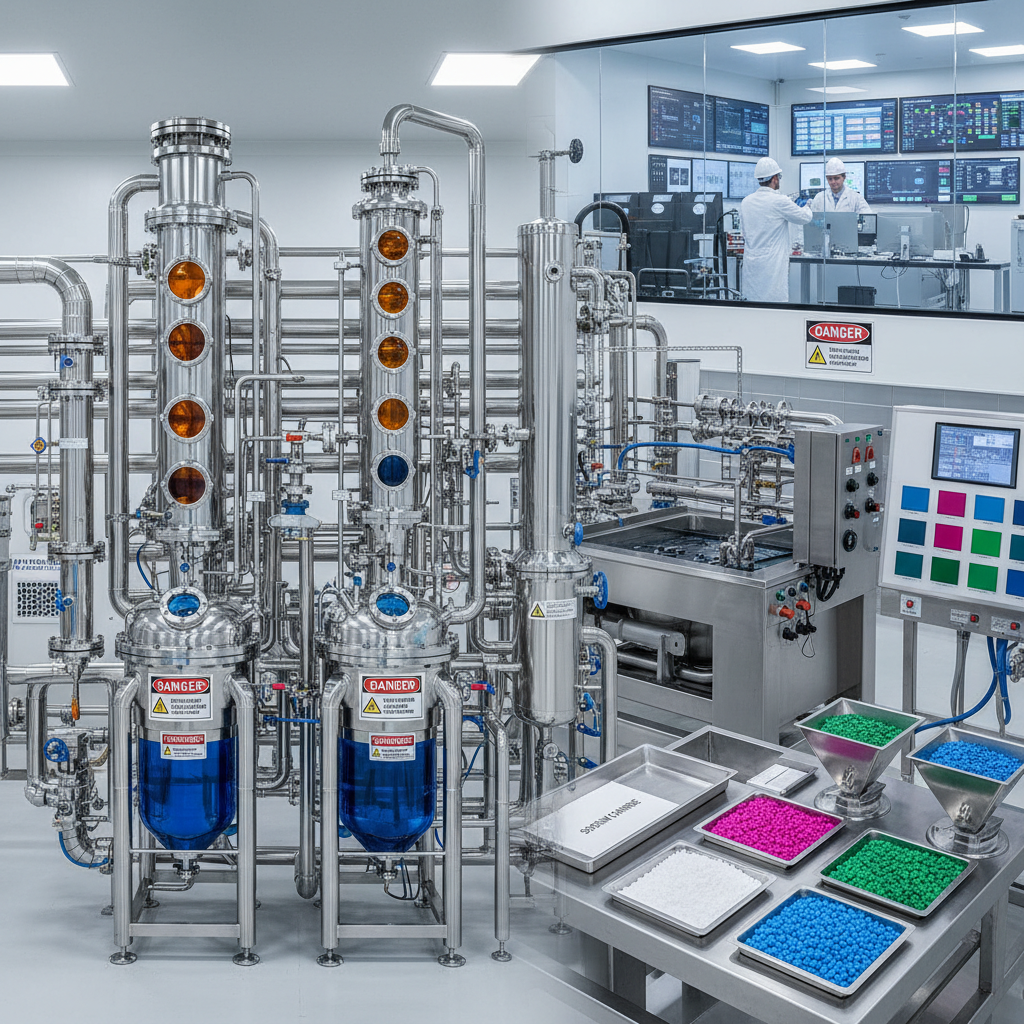
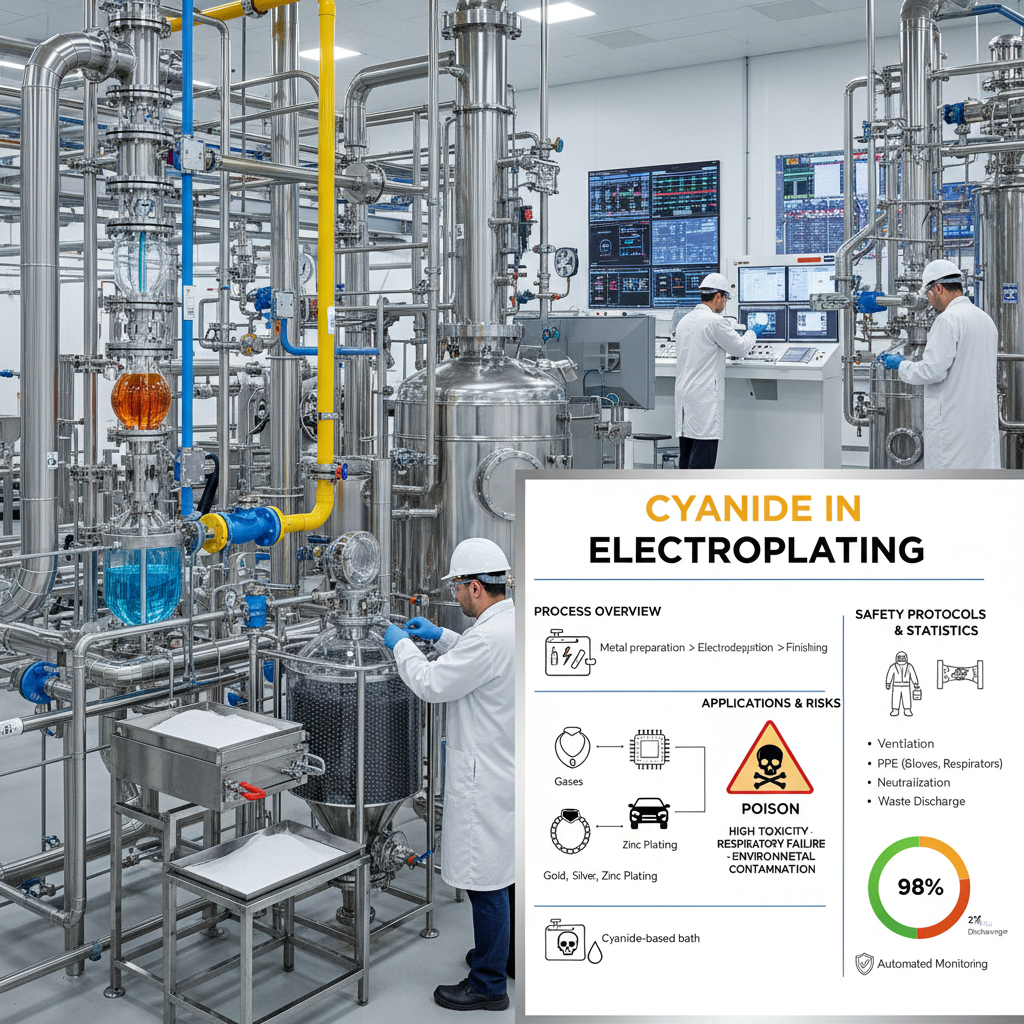
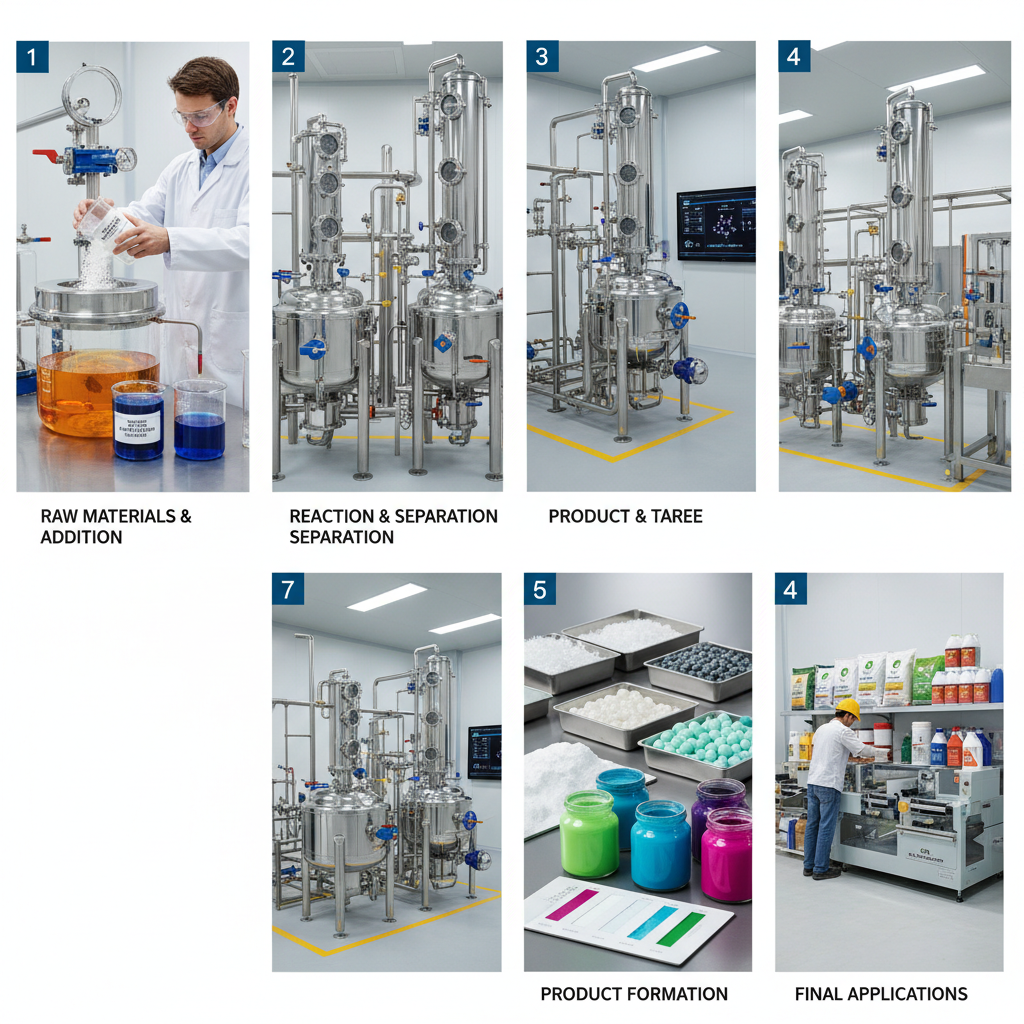
The use of cyanide in electroplating remains a cornerstone of high-precision metal finishing, providing unparalleled control over deposit morphology and adhesion. While modern industry has seen a shift toward cyanide-free alternatives, the unique electrochemical properties of cyanide baths—particularly in gold, silver, and copper plating—continue to make them indispensable for aerospace, automotive, and electronics sectors where failure is not an option.
Understanding the chemistry and management of cyanide-based electrolytes is critical for achieving the superior brightness and ductility that high-end commercial products demand. By mastering the balance between metal concentration and complexing agents, manufacturers can ensure that their plated surfaces withstand extreme environmental stress and wear, thereby extending the lifecycle of the finished component.
However, the global landscape is evolving, with a heightened focus on E-E-A-T principles in chemical sourcing and strict adherence to ISO environmental standards. Navigating the complexities of cyanide in electroplating requires a sophisticated blend of technical expertise and rigorous safety protocols to balance industrial performance with ecological responsibility.
The Fundamental Role of Cyanide in Electroplating
The primary function of cyanide in electroplating is to act as a powerful complexing agent. By forming stable metal-cyanide complexes, it lowers the concentration of free metal ions in the solution, which slows down the deposition rate and results in a much finer, more uniform grain structure. This is particularly essential for metals like copper and zinc, where non-cyanide baths may produce "burnt" or powdery deposits on high-current density areas.
Moreover, the high alkalinity associated with cyanide baths prevents the simultaneous deposition of impurities and improves the overall throwing power of the electrolyte. This means that complex geometries, such as deep bores or intricate threads, can be plated with an even thickness, ensuring that the structural integrity of the part is maintained throughout the entire surface.
Global Industry Context and Regulatory Pressure
On a global scale, the use of cyanide in electroplating is heavily monitored by organizations like the UN and various national environmental agencies. Because of its toxicity, the industry has faced immense pressure to shift toward "Green Chemistry." However, in high-spec sectors like aerospace and medical device manufacturing, the reliability of cyanide-based deposits remains the gold standard, creating a tension between regulatory desire and technical necessity.
Data from ISO standards indicate that while the volume of cyanide usage has decreased in general consumer goods, its strategic importance in high-reliability electronics has remained steady. The challenge for modern manufacturers is not necessarily the elimination of these chemicals, but the implementation of closed-loop systems that ensure zero leakage into the environment.
The problem arises when smaller plating shops lack the capital to invest in advanced wastewater treatment plants (WWTP). This has led to a consolidation of the industry, where high-end providers who can guarantee safe handling and rigorous disposal of cyanide in electroplating are becoming the preferred partners for global OEMs.
Technical Definition and Chemical Mechanisms
In simple technical terms, cyanide in electroplating refers to the use of cyanide salts (such as Potassium Cyanide or Sodium Cyanide) to create a coordination complex with metal ions. This complexation prevents the rapid, uncontrolled precipitation of metal on the cathode, allowing for a controlled growth of the crystal lattice.
The chemistry revolves around the formation of anions like [Cu(CN)4]3-. Because the metal is "locked" in this complex, the activation energy for deposition is higher, which paradoxically leads to a smoother, more mirror-like finish that is virtually impossible to achieve with simple sulfate or chloride baths in certain applications.
This mechanism is not just about aesthetics; it is about humanitarian and industrial safety. For instance, in the plating of surgical instruments or aircraft landing gear, the superior adhesion provided by cyanide in electroplating prevents peeling or flaking, which could lead to catastrophic mechanical failure in life-critical environments.
Key Performance Factors in Cyanide Baths
When evaluating the efficacy of cyanide in electroplating, four main factors dictate the quality of the final product: Throwing Power, Adhesion, Grain Refinement, and Bath Stability. Throwing power refers to the ability of the solution to plate evenly on irregular shapes, a feat where cyanide baths excel due to the high polarization of the metal-cyanide complex.
Adhesion is equally critical; cyanide baths effectively "etch" the substrate during the initial stages of plating, creating a chemical bond that is significantly stronger than that of acidic alternatives. This ensures that the plating does not delaminate under thermal expansion or mechanical stress.
Performance Comparison of Cyanide in Electroplating Methods
Industrial Applications and Global Use Cases
The practical application of cyanide in electroplating spans several continents and industries. In the precision engineering hubs of Germany and Japan, cyanide copper strikes are used as a foundational layer for steel parts before subsequent plating, providing a critical bridge that prevents corrosion at the interface.
In remote industrial zones where environmental conditions are harsh, such as oil rigs in the North Sea, components plated with cyanide-based zinc provide a level of sacrificial corrosion protection that is unmatched. These regions rely on the extreme reliability of these coatings to prevent salt-water ingress and structural degradation in critical valves and fasteners.
Long-Term Value and Material Reliability
The long-term value of utilizing cyanide in electroplating lies in the drastic reduction of part failure rates. While the initial setup and waste treatment costs are higher, the total cost of ownership is often lower because the plated parts require less frequent replacement and exhibit higher resistance to pitting and peeling.
From a psychological and commercial perspective, the use of these established chemistries builds trust with the end customer. When an aerospace engineer specifies a cyanide-based gold finish for a connector, they are buying the certainty of a thousand-hour salt spray test success, which translates to safety and peace of mind.
Furthermore, the innovation in additive chemistry—such as the introduction of specialized brighteners and leveling agents into cyanide baths—has allowed the industry to evolve. These advancements ensure that the reliability of the coating is matched by an aesthetic finish that meets the stringent demands of the luxury electronics and automotive markets.
Future Trends in Sustainable Electroplating
The future of cyanide in electroplating is inextricably linked to the digital transformation of the factory floor. The integration of IoT sensors for real-time bath analysis allows operators to maintain precise metal and free-cyanide concentrations, reducing waste and preventing the "over-dosing" of chemicals that often leads to inefficiency.
Moreover, the rise of automated dosing systems and robotic plating lines is minimizing human exposure to hazardous chemicals, aligning the industry with global safety goals. The trend is moving toward "Micro-factories" where closed-loop recycling of cyanide solutions is integrated directly into the production line, significantly lowering the environmental footprint.
Finally, research into hybrid baths—which combine the throwing power of cyanide with the eco-friendliness of organic complexing agents—promises a transition period that doesn't sacrifice quality. This evolution ensures that the core benefits of cyanide in electroplating are preserved while adhering to a net-zero emission future.
Comparative Analysis of Cyanide Plating Performance vs. Alternatives
| Metal Type |
Throwing Power (1-10) |
Adhesion Level |
Waste Treatment Cost |
| Cyanide Copper |
10 |
Excellent |
High |
| Non-Cyanide Copper |
6 |
Moderate |
Low |
| Cyanide Zinc |
9 |
Superior |
High |
| Acid Zinc |
7 |
Good |
Medium |
| Cyanide Gold |
10 |
Excellent |
Very High |
| Sulfite Gold |
7 |
Fair |
Medium |
FAQS
Cyanide provides a unique ability to complex metal ions, which ensures a very fine grain structure and exceptional throwing power. In industries like aerospace and medical devices, the resulting superior adhesion and uniformity are critical for safety and performance, making it difficult to replace with non-cyanide alternatives that may suffer from poor coverage or peeling.
Safe management involves alkaline chlorination, where cyanide is oxidized to cyanate and then to nitrogen and carbon dioxide. Modern facilities use automated pH controllers and ORP (Oxidation-Reduction Potential) sensors to ensure that the treatment is complete before the water ever leaves the facility, adhering to strict ISO 14001 standards.
Total cyanide is the sum of all cyanide in the solution, including the metal-cyanide complexes. Free cyanide refers only to the uncomplexed cyanide ions. Maintaining the correct ratio of free cyanide to total cyanide is essential for bath stability and ensuring the desired plating speed and finish quality.
While non-cyanide alternatives are more eco-friendly, they often struggle with "throwing power" on complex shapes and can have poorer adhesion to steel substrates. They are excellent for simple geometries or as secondary layers, but for an initial "strike" layer on steel, cyanide remains the most reliable choice.
Because cyanide baths produce a very fine, equiaxed grain structure, the resulting metal deposit is generally more ductile and less prone to cracking under stress. This is a major advantage for parts that must undergo bending or thermal cycling after the plating process.
A reputable provider should hold ISO 9001 (Quality Management) and ISO 14001 (Environmental Management) certifications. Additionally, compliance with REACH (Registration, Evaluation, Authorisation and Restriction of Chemicals) and local hazardous waste disposal permits is mandatory to ensure ethical and safe operations.
Conclusion
The strategic application of cyanide in electroplating continues to be a vital technical necessity for high-performance engineering. By providing unrivaled adhesion, exceptional throwing power, and a refined grain structure, cyanide-based chemistries ensure that critical components in the aerospace, automotive, and medical fields perform reliably under the most demanding conditions. The balance between this technical superiority and the requirement for rigorous environmental safety defines the modern standard of the specialty chemicals industry.
Looking forward, the industry must embrace the synergy of green chemistry and digital automation to mitigate the risks associated with hazardous electrolytes. By investing in closed-loop systems and real-time monitoring, manufacturers can continue to leverage the benefits of cyanide plating while leading the way in sustainability. For those seeking high-purity intermediates and professional electroplating solutions, visiting our expertise hub is the first step toward quality assurance. Visit our website: www.moneidechem.com