Welcome to Tangshan Moneide Trading Co., Ltd.






Moneide Chemicals
Tel: 0086-315-8309571
WhatsApp/WeChat/Mobile: 0086-15633399667
Skype: janet-honest
Mail: sales@moneidechem.com
Address: 2-7-523 Jidong Building Materials Commercial Center, Tangshan, Hebei 064000 China
Hypophosphorous Acid - Tangshan Moneide Trading Co., Ltd.|Reducing Agent, Electroplating
- Time of issue:Sep . 28, 2025 04:05
(Summary description)Tangshan Moneide Trading Co., Ltd. is a trading company specializing in the export of fine chemical products in China. Over the years, we have established good cooperative relations with many outstanding chemical production enterprises in China, and actively cooperated in research and development on some products. Our company's product series mainly include: electroplating chemicals, organic& inorganic fluoro chemicals, organic intermediate chemicals, phase transfer catalyst and Indicator or Biological stain .
- Categories:Company dynamic
- Author:
- Origin:
- Time of issue:2019-12-30 10:55
- Views:
Hypophosphorous Acid, also known as Hypophosphoric Acid, is a critical chemical compound with the CAS number 6303-21-5. This colorless, transparent liquid is renowned for its powerful reducing properties and is widely utilized across industries such as electroplating, chemical synthesis, and pharmaceuticals. In this article, we delve into the technical specifications, applications, and benefits of Hypophosphorous Acid, while highlighting the role of Tangshan Moneide Trading Co., Ltd., a leading supplier of this compound. Hypophosphorous Acid (H₃PO₂) is a mild, inorganic acid with a molecular weight of 63.980501. It is a key intermediate in the production of phosphorus-based chemicals and is distinguished by its unique molecular structure, which allows it to act as a strong reducing agent. The compound is available in a concentration of 50.0% min., with stringent purity standards ensuring its effectiveness in industrial processes. Hypophosphorous Acid offers a range of advantages that make it indispensable in various applications: The versatility of Hypophosphorous Acid is evident in its diverse applications: Tangshan Moneide Trading Co., Ltd. is a reputable supplier of high-purity chemicals, including Hypophosphorous Acid. With a commitment to quality and customer satisfaction, the company ensures that its products meet stringent industry standards. Their expertise in chemical distribution and supply chain management makes them a trusted partner for industries reliant on precision chemicals. Hypophosphorous Acid is typically packaged in drums or bulk container111s to facilitate easy handling and transportation. Proper storage is crucial to maintaining its stability and efficacy. The compound should be kept in a cool, dry place, away from heat sources and direct sunlight. This ensures its chemical integrity and prolongs its shelf life, as highlighted in the NIST guidelines for chemical storage and handling. Hypophosphorous Acid (H₃PO₂) is a vital chemical with a wide range of applications, from electroplating to pharmaceuticals. Its unique properties, including strong reducing capabilities and low toxicity, make it a preferred choice in industrial and scientific settings. Tangshan Moneide Trading Co., Ltd. plays a pivotal role in supplying this compound, ensuring it meets the highest standards of quality and purity. As industries continue to evolve, the demand for reliable and versatile chemicals like Hypophosphorous Acid will only grow, driven by advancements in technology and sustainability initiatives. National Institute of Standards and Technology (NIST). "Chemistry Research and Standards." Retrieved from https://www.nist.gov.Product Overview
Technical Specifications
Property
Details
Chemical Name
Hypophosphorous Acid
Another Name
Hypophosphoric Acid
CAS Number
6303-21-5
Molecular Formula
H₃PO₂
Molecular Weight
63.980501
Appearance
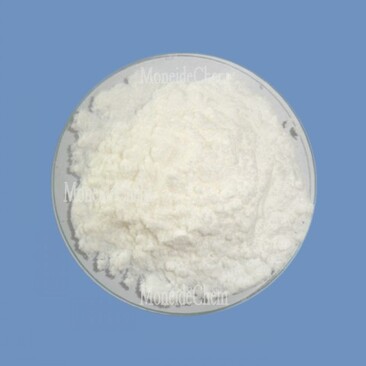
Colorless, transparent liquid
Purity
50.0% min.
Impurities
Key Features and Benefits
Applications Across Industries
Company Background: Tangshan Moneide Trading Co., Ltd.
Storage and Packaging
Conclusion
References






Moneide Chemicals


