Welcome to Tangshan Moneide Trading Co., Ltd.






Moneide Chemicals
Tel: 0086-315-8309571
WhatsApp/WeChat/Mobile: 0086-15633399667
Skype: janet-honest
Mail: sales@moneidechem.com
Address: 2-7-523 Jidong Building Materials Commercial Center, Tangshan, Hebei 064000 China
HEA Acrylate: Versatile Chemical for Durable & Sustainable Materials
- Time of issue:Nov . 27, 2025 18:40
(Summary description)Tangshan Moneide Trading Co., Ltd. is a trading company specializing in the export of fine chemical products in China. Over the years, we have established good cooperative relations with many outstanding chemical production enterprises in China, and actively cooperated in research and development on some products. Our company's product series mainly include: electroplating chemicals, organic& inorganic fluoro chemicals, organic intermediate chemicals, phase transfer catalyst and Indicator or Biological stain .
- Categories:Company dynamic
- Author:
- Origin:
- Time of issue:2019-12-30 10:55
- Views:
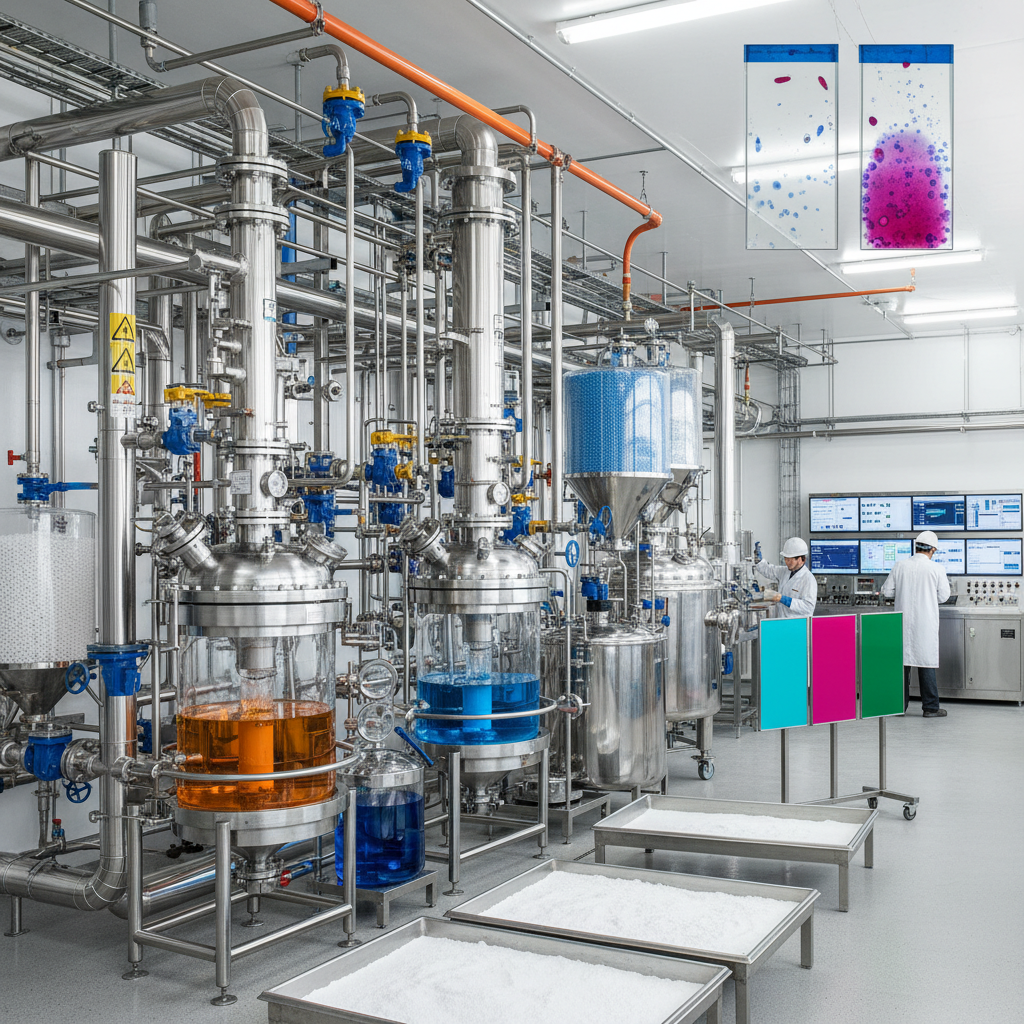
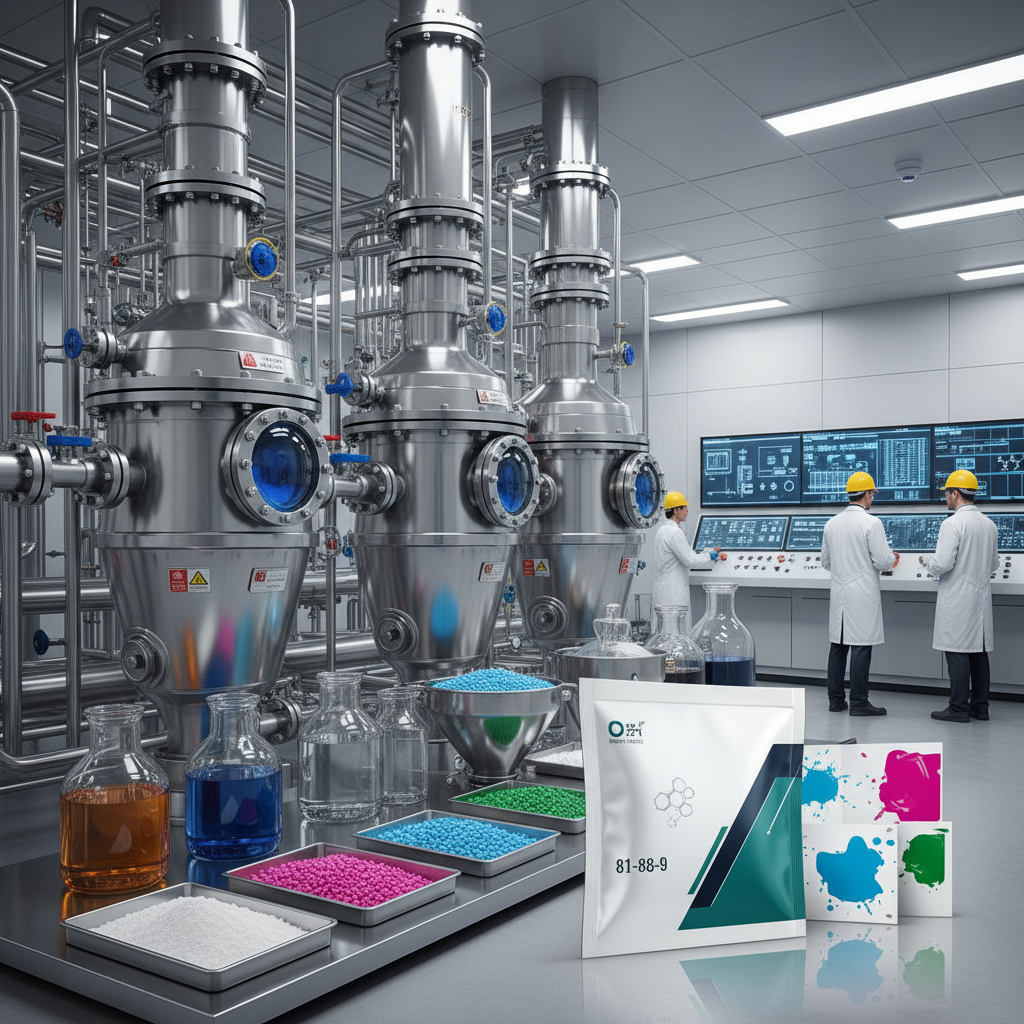
There’s a lot packed into the term HEA acrylate—and oddly enough, it’s something that quietly shapes products and processes across industries worldwide. If you’re unfamiliar, HEA stands for 2-hydroxyethyl acrylate, a versatile monomer used broadly in coatings, adhesives, inks, and even water treatment. But why should anyone outside chemistry circles really care about HEA acrylate? Well, for starters, it contributes significantly to making materials more durable, adaptable, and eco-friendly. That has big ripple effects from industrial manufacturing floors to humanitarian relief efforts. Pooling insights from agencies like the ISO and data from the World Bank, it’s apparent the demand for such specialized chemicals will only grow, fueling trends around sustainability, efficiency, and safety. Globally, industries are under mounting pressure to innovate with materials that not only perform but do so with a lower environmental footprint. HEA acrylate comes into focus here because it offers key qualities like resistance to environmental attacks, chemical stability, and adhesive strength that’s ideal for coatings and polymer blends. According to recent industrial chemical reports, the market for acrylic monomers including HEA acrylate has grown roughly 5% per year over the past decade — a modest yet steady climb, largely driven by Asia-Pacific’s booming manufacturing sectors and the EU’s push for greener materials standards. Still, challenges remain. How do you balance robust manufacturing demands with eco-conscious policies? And how can HEA acrylate provide solutions, especially in regions grappling with industrial pollution or disaster recovery? Simply put, HEA acrylate is a hydroxy functional acrylate monomer. The hydroxyl group (-OH) is what makes it particularly reactive and desirable for producing cross-linked polymers—meaning materials that bond tightly and last longer. Industrially speaking, HEA acrylate forms the backbone of many waterborne coatings, UV-curable resins, and latex adhesives. In humanitarian contexts, its derivatives help create protective surfaces and materials resilient enough to withstand harsh climates or rapid deployment conditions. When you coat a surface with polymers made from HEA acrylate, you get enhanced resistance to UV rays, moisture, and abrasion. This makes it ideal for outdoor paints and protective finishes that can take a beating—think shipping containers or infrastructure in extreme climates. The hydroxyl groups increase bonding strength with diverse substrates, from metals to plastics. This is why you’ll often find HEA acrylate in industrial adhesives and sealants, where reliable sticking power is non-negotiable. HEA acrylate's inclusion in waterborne and UV-curable formulations means solvents can be reduced or eliminated, lowering VOC emissions. It’s a small compound with a big impact on meeting global sustainability targets. Because HEA acrylate can participate in copolymerization with many other monomers, it can be tailored for stiffness, flexibility, or clarity. It’s like a Swiss Army knife for chemists working on everything from inks to membrane filters. Mass production infrastructure for acrylates is mature globally, which keeps prices stable. Plus, the long lifespans and performance advantages of HEA acrylate-enabled products often reduce total lifecycle costs. It’s one thing to talk theory—what about practice? HEA acrylate-based polymers are everywhere you don’t expect, often quietly enabling innovations in: Globally, HEA acrylate-enabled technologies improve safety, infrastructure lifespan, and environmental health. Whether it’s a paint job in Scandinavia or water filters in Southeast Asia, it quietly delivers. It’s not just about what HEA acrylate does today—it’s what it unlocks in the future. From a cost perspective, using materials with HEA acrylate can lower maintenance and replacement expenses. Sustainably, replacing solvent-heavy materials with HEA acrylate-based polymers cuts toxic emissions. On a human level, think about the dignity of others: shelters that don’t break down fast, water filters that keep working, protective coatings that safeguard critical infrastructure. Trust in such materials is sometimes unspoken but deeply felt. Researchers are exploring bio-based routes to manufacture HEA acrylate, reducing reliance on petrochemicals. Digital formulation tools help create tailor-made polymers with pinpoint properties, while automation speeds up testing cycles. Green energy integration means production plants aim to cut carbon footprints, further aligning HEA acrylate with sustainability goals. There’s also buzz around combining HEA acrylate with nanomaterials to create super-strong, ultra-lightweight composites for aerospace and beyond. Frankly, HEA acrylate isn’t a silver bullet. Its processing requires careful handling due to its reactive nature, and copolymer formulations need optimizing to avoid brittleness or adhesion failures. Innovations like advanced process controls, stabilized monomer variants, and improved coatings application methods help tackle these issues. Partnerships between chemical makers, manufacturers, and standards bodies keep pushing quality and safety forward. Looking across the industry trenches and humanitarian fronts, HEA acrylate emerges as a sort of quiet hero—enabling stronger, safer, and more sustainable materials that a lot of us take for granted. The blend of performance and eco-consciousness makes it a smart choice not just for today’s challenges, but for future-proofing operations and products. If you’re interested in sourcing quality HEA acrylate or learning more about how it can boost your next project, I’d warmly recommend visiting hea acrylate. They’ve got solid expertise in this space, combined with global reach and a green perspective. Sometimes the best solutions come from small molecules doing big work behind the scenes...Understanding HEA Acrylate: Why It Matters in Today’s World
A Global Context: HEA Acrylate’s Reach and Relevance
What Exactly is HEA Acrylate?
Mini takeaway:
Breaking Down the Core Features of HEA Acrylate
1. Durability and Weather Resistance
2. Adhesion and Compatibility
3. Environmental Friendliness
4. Versatility across Applications
5. Cost Efficiency
Mini takeaway:
HEA Acrylate in Action: Real World Applications
Mini takeaway:
The Advantages and Long-Term Value of HEA Acrylate
Looking Forward: Future Trends in HEA Acrylate Technology
Navigating Challenges and Solutions in HEA Acrylate Use
Frequently Asked Questions About HEA Acrylate
Product Specification Table: Typical HEA Acrylate Parameters
Property
Value
Unit
Purity ≥ 99% % Hydroxyl Value 180-190 mg KOH/g Viscosity (25°C) 6-12 mPa·s Boiling Point 146 °C Density (25°C) 1.12 g/cm³ Comparing Leading HEA Acrylate Vendors
Vendor
Purity
Global Distribution
Sustainability Initiatives
Typical Pricing
MoneideChem ≥ 99% Asia, Europe, Americas ISO 14001 Certified Competitive AcrylCo 98.5% Primarily North America & Europe Renewable Feedstock Research Moderate PolyChem Inc. ≥ 99% Global Waste Minimization Programs Premium Conclusion: Why HEA Acrylate Should be on Your Radar
References

Moneide Chemicals


