Welcome to Tangshan Moneide Trading Co., Ltd.





Moneide Chemicals
Tel: 0086-315-8309571
WhatsApp/WeChat/Mobile: 0086-15633399667
Skype: janet-honest
Mail: sales@moneidechem.com
Address: 2-7-523 Jidong Building Materials Commercial Center, Tangshan, Hebei 064000 China
Comprehensive Guide to Sodium p-Toluenesulfinate: Uses, Benefits & Suppliers
- Time of issue:Nov . 26, 2025 18:25
(Summary description)Tangshan Moneide Trading Co., Ltd. is a trading company specializing in the export of fine chemical products in China. Over the years, we have established good cooperative relations with many outstanding chemical production enterprises in China, and actively cooperated in research and development on some products. Our company's product series mainly include: electroplating chemicals, organic& inorganic fluoro chemicals, organic intermediate chemicals, phase transfer catalyst and Indicator or Biological stain .
- Categories:Company dynamic
- Author:
- Origin:
- Time of issue:2019-12-30 10:55
- Views:
At first glance, sodium p-toluenesulfinate might not be the phrase buzzing across headlines. Yet, this chemical plays a subtle but vital part in industries worldwide — from pharmaceuticals and dyes to advanced manufacturing. Understanding sodium p-toluenesulfinate helps us appreciate how these seemingly niche compounds power vital processes behind the scenes. Across continents, businesses rely on such chemicals for innovation, efficiency, and sustainability. With growing industrialization and a push towards greener chemistry, sodium p-toluenesulfinate stands out for its versatility and efficiency, factors that have a ripple effect on global supply chains and environmental footprints. Industries including textiles, pharmaceuticals, and electronics have been steadily growing. According to the International Organization for Standardization (ISO), production volume of specialty chemicals has increased around 4% annually worldwide. Sodium p-toluenesulfinate, a specialized sulfonate salt, commonly acts as a reducing agent or intermediate compound in these chemical processes. One challenge that manufacturers face globally is the need for cleaner production methods and cost-effective reagents. Sodium p-toluenesulfinate addresses this by offering a relatively straightforward synthesis route and reliable performance. Think about a large textile firm in Bangladesh or an electronics manufacturer in South Korea — both require chemicals that don’t just work well but are also scalable and meet evolving regulatory standards. Put simply, sodium p-toluenesulfinate (C7H7NaO2S) is an organic salt derived from toluene sulfonic acid where the sulfonyl group is paired with a sodium ion. It’s a handy intermediate in organic synthesis, especially valued for its reducing properties and ability to form sulfonate groups in the manufacturing process. In modern industry, it often pops up in dye manufacturing, pharmaceutical intermediates, and even agrochemical synthesis. Its role might seem modest, but as a building block chemical, it’s hard to understate its importance for speed and efficiency in production lines. These factors influence how sodium p-toluenesulfinate finds use in various applications — more on that in a moment. If you wander through any dye factory in Indonesia or pharmaceutical plant in Germany, sodium p-toluenesulfinate likely has a starring role among the raw materials. It helps create sulfonated dyes with vibrant colorfastness and pharmaceutical intermediates ensuring complex molecules are made precisely. In post-disaster relief zones where rapid chemical supplies are needed for water purification or medicine, reliable compounds like sodium p-toluenesulfinate become unexpectedly critical. Similarly, in the electronics sector—think semiconductors made in Taiwan—it serves as a mild reagent ensuring delicate reactions proceed smoothly without harsh by-products. The practical value of sodium p-toluenesulfinate extends widely—from colorful fabrics to lifesaving drugs—proving its quiet indispensability in modern industry. Beyond just functional chemistry, sodium p-toluenesulfinate offers tangible benefits to manufacturers and end-users: From a broader view, these benefits contribute to social trust in product safety and innovation, reassuring consumers that their everyday goods stem from responsible chemistry. The chemical industry is not static. Innovations in green chemistry highlight sodium p-toluenesulfinate’s potential in more eco-friendly processes. For example, some labs experiment with solvent-free or aqueous phase syntheses that reduce volatile organic compounds (VOCs). Furthermore, digital transformation accelerates quality control — high-precision spectrometry helps ensure batch consistency, while automation optimizes yield and safety. In the next decade, expect policies from organizations like the UN’s Environment Programme (UNEP) to push for chemicals that mesh well with sustainable frameworks. This spells new opportunities for compounds like sodium p-toluenesulfinate, provided manufacturers commit to innovation and transparency. Of course, no chemical is without quirks. Handling sodium p-toluenesulfinate requires caution to avoid oxidation and degradation. Storage conditions must be dry and airtight — something that can be tough in tropical or under-resourced environments. Plus, purity variability may affect reaction outcomes; sourcing from trusted suppliers is critical. Many companies now implement rigorous in-house testing and partner with vendors that provide certified quality documentation. Another hurdle is waste management — novel recycling or neutralization methods are under development, reducing environmental impact. Frankly, sodium p-toluenesulfinate might not be your everyday chemistry term, but it quietly fuels numerous industrial engines across the globe. Its mix of affordability, effectiveness, and adaptability makes it a trusted partner for manufacturers striving for quality and sustainability. From advanced pharmaceuticals to vibrant textiles, its footprint is surprisingly broad and growing. So, whether you're a chemical buyer, researcher, or industry enthusiast, keep an eye on this compound. The world is moving fast, with green chemistry and digital traceability shaping tomorrow’s standards — and sodium p-toluenesulfinate is poised to stay relevant through it all. For those interested in sourcing top-quality sodium p-toluenesulfinate and learning more, visit sodium p-toluenesulfinate.Why Sodium p-Toluenesulfinate Matters Globally
The Global Context: Where Sodium p-Toluenesulfinate Fits In
Defining Sodium p-Toluenesulfinate: The Basics
Key Characteristics of Sodium p-Toluenesulfinate
Practical Applications Across Industries and Regions
Mini Takeaway:
Advantages and Why Industry Leaders Trust It
Emerging Trends and the Road Ahead
Common Challenges and Smart Solutions
Frequently Asked Questions About Sodium p-Toluenesulfinate
Product Specification Table: Sodium p-Toluenesulfinate
Property
Specification
Typical Value
Molecular Formula
C7H7NaO2S
-
Appearance
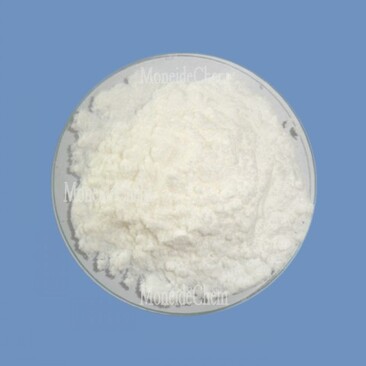
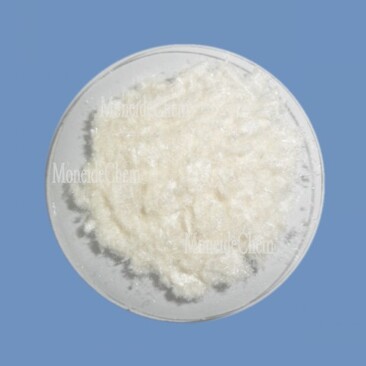
White crystalline powder
White powder
Purity (wt%)
≥ 98%
99.1%
Solubility
Soluble in water
>50 g/100 mL at 25°C
Melting Point
230-235°C (decomposes)
~232°C
Vendor Comparison: Sodium p-Toluenesulfinate Suppliers
Vendor
Purity Range
Compliance Certifications
Global Distribution
Typical Pricing (per kg)
Moneide Chemicals
≥ 99%
ISO 9001, REACH
Yes (Asia, Europe, Americas)
$18 - $22
ChemTrade Global
98% - 99%
ISO 9001
Regional (North America, Europe)
$20 - $23
AsiaChem Ltd.
97% - 98.5%
REACH
Asia-focused
$17 - $19
Wrapping It Up: The Last Word on Sodium p-Toluenesulfinate
References





Moneide Chemicals


