Welcome to Tangshan Moneide Trading Co., Ltd.






Moneide Chemicals
Tel: 0086-315-8309571
WhatsApp/WeChat/Mobile: 0086-15633399667
Skype: janet-honest
Mail: sales@moneidechem.com
Address: 2-7-523 Jidong Building Materials Commercial Center, Tangshan, Hebei 064000 China
Comprehensive Guide to Glucosamine Sulfate 300 mg: Benefits, Uses & Future Trends
- Time of issue:Dec . 03, 2025 13:44
(Summary description)Tangshan Moneide Trading Co., Ltd. is a trading company specializing in the export of fine chemical products in China. Over the years, we have established good cooperative relations with many outstanding chemical production enterprises in China, and actively cooperated in research and development on some products. Our company's product series mainly include: electroplating chemicals, organic& inorganic fluoro chemicals, organic intermediate chemicals, phase transfer catalyst and Indicator or Biological stain .
- Categories:Company dynamic
- Author:
- Origin:
- Time of issue:2019-12-30 10:55
- Views:
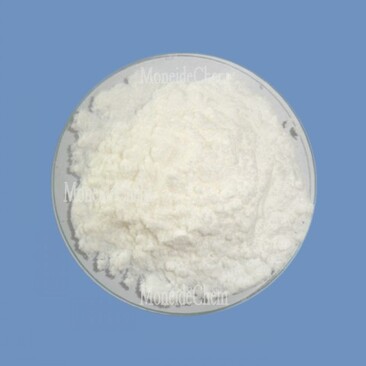
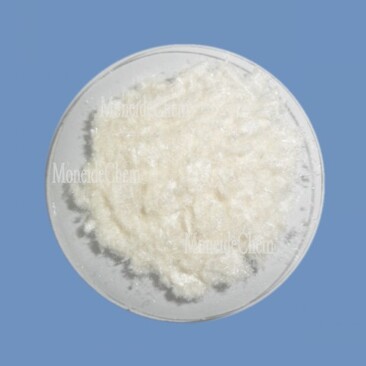
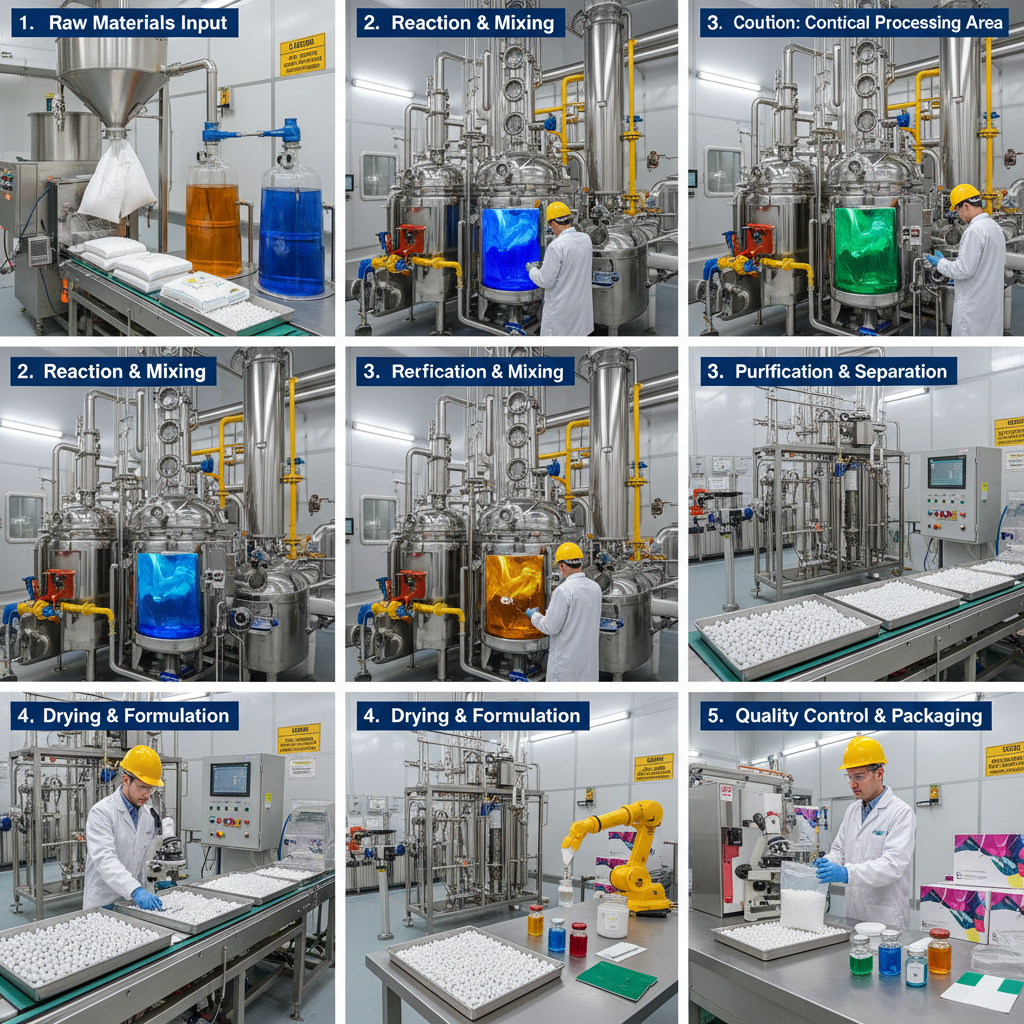
Glucosamine sulfate 300 mg isn’t just a supplement name tossed around in health aisles. It’s a pivotal compound that millions worldwide rely on to maintain joint health, especially as populations age and osteoarthritis becomes more common. From scientific studies to practical patient applications, understanding glucosamine sulfate 300 mg sheds light on why it remains one of the most trusted options for joint care globally. Osteoarthritis affects over 500 million people worldwide, according to the World Health Organization. It’s one of the leading causes of disability for older adults, making effective management crucial. That’s where glucosamine sulfate 300 mg steps in—widely researched, often recommended, and available internationally. It’s not just a supplement; it’s a part of the broader response to a pressing public health challenge. While medication and surgery play their roles, many seek alternatives that support cartilage health naturally, leading to rising global demand for glucosamine products. Oddly enough, the supplement’s prevalence reflects both modern pharmaceutical innovation and traditional remedies converging. Simply put, glucosamine sulfate is an amino sugar naturally found in cartilage. The "300 mg" denotes a common standardized dose in dietary supplements. It helps replenish the body’s supply of glucosamine, potentially improving the repair and maintenance of joint cartilage. Think of it as the body’s “building blocks” for healthy joints, packaged in a convenient supplement form. The supplement is often derived from shellfish, although synthetic versions exist, making it relevant both in natural health sectors and pharmaceutical manufacturing. Industries focusing on joint health — from sports medicine to elderly care — frequently include glucosamine sulfate 300 mg in their protocols. The quality of glucosamine sulfate is paramount. Derived mainly from shellfish shells, purity affects absorption and effectiveness. Some manufacturers also produce vegetarian versions, catering to allergen concerns and dietary preferences. The standardized dosage of 300 mg per tablet or capsule allows consistent intake. Many clinical studies base their results around this amount or multiples thereof, reinforcing its place as a reliable standard. How well glucosamine sulfate is absorbed influences outcomes. Formulations sometimes include additional compounds like chondroitin sulfate to aid bioavailability and synergize effects. Global production follows guidelines from agencies such as the U.S. FDA and EU EMA, impacting quality control, labeling, and marketing claims. Compliance with ISO standards in manufacturing also ensures consistency. Regions with aging populations—think Europe, North America, Japan—consume large amounts of glucosamine supplements. Meanwhile, emerging markets in Asia and Latin America see growth as awareness increases alongside disposable income. In sports medicine, athletes use glucosamine sulfate 300 mg to support cartilage repair after injuries. Geriatric care facilities incorporate it in long-term treatment plans. Even humanitarian organizations in places affected by joint ailments due to hard labor are exploring its benefits. For example, clinics in Nordic countries recommend glucosamine sulfate for osteoarthritis management as an alternative or complement to NSAIDs, which can have serious side effects. In industrial zones of China and India, supplementation programs aim to reduce work-related musculoskeletal issues. Using glucosamine sulfate 300 mg regularly can bring a mix of logical and emotional benefits. Logically, it’s a cost-effective way to potentially maintain joint function and delay the progression of joint deterioration. Emotionally, it empowers users with a sense of control over their mobility, dignity, and independence — something many treasure deeply. Its sustainability angle also matters. Compared to synthetic drugs with heavy chemical footprints, glucosamine’s derivation from natural shellfish waste can be seen as an efficient recycling of resources. And for manufacturers following good environmental practices, it’s a win-win. The next frontier for glucosamine sulfate 300 mg includes enhancement of delivery systems to improve absorption — think nano-capsules or targeted release formulations. Research also explores green chemistry methods to synthesize glucosamine without shellfish, reducing allergen risks and broadening market appeal. Digital health applications are integrating joint health tracking with supplementation schedules, helping adherence and efficacy. Looking further, personalized nutrition based on genetic profiles might tailor glucosamine supplement use for maximal effect. One notable challenge is inconsistent product quality—variations in purity and bioavailability can affect outcomes. Then there's the question of clinical consensus. Some studies report modest benefits, others are more skeptical, so expectation management is key. Experts suggest sourcing supplements from reputable vendors with clear certifications and clinical backing. Combining glucosamine sulfate 300 mg with lifestyle interventions—like weight management and physical therapy—yields better results. Ongoing research continues to refine dosing and target populations. In a world where joint health is a growing concern, glucosamine sulfate 300 mg remains a reliable, supported, and accessible ally. Its global relevance is undeniable—from sports fields to elderly care homes, from industrial worker wellness to personal preventive medicine. If you’re curious to explore high-quality glucosamine sulfate supplements or want trusted sourcing, I suggest checking out https://www.moneidechem.com. There, you’ll find comprehensive product information alongside expert support. As always, informed choices make for healthier futures. In short, glucosamine sulfate 300 mg blends science, nature, and global health needs—quite the trio for something in a tiny capsule!
References:Understanding Glucosamine Sulfate 300 mg: A Global Perspective
Why Glucosamine Matters Globally
What Exactly is Glucosamine Sulfate 300 mg?
Key Components and Considerations
1. Purity and Source
2. Dosage Consistency
3. Bioavailability
4. Regulatory Standards
Feature
Description
Dosage per Capsule
300 mg Glucosamine Sulfate
Source
Shellfish (crab, shrimp) or synthetic
Purity
≥ 99% pure
Additional Ingredients
Often combined with chondroitin sulfate, MSM
Formulations
Tablets, capsules, powders
How the World Uses Glucosamine Sulfate 300 mg
Vendor Comparison: Selecting the Right Supplier
Vendor
Purity (%)
Price per Kg (USD)
Certifications
Lead Time
Vendor A
99.5%
$50
ISO 9001, FDA Approved
2 weeks
Vendor B
99.8%
$55
GMP, Halal
3 weeks
Vendor C
98.7%
$45
Organic Certified
1 week
Advantages and Long-Term Value
What’s on the Horizon? Future Trends and Innovations
Challenges—and How Experts Tackle Them
FAQ: Common Questions About Glucosamine Sulfate 300 mg
A: Most users report noticeable improvements within 4 to 8 weeks, although full benefits may take up to 3 months. Consistency is key.
A: Generally yes, but it’s wise to consult a healthcare professional, especially if on blood thinners or diabetes medications.
A: Since many products derive from shellfish, those with allergies should opt for synthetic or vegetarian glucosamine versions.
A: Sulfate is often preferred for potential joint benefits and better clinical support, while hydrochloride is more common but may have different absorption characteristics.In Conclusion: Why Glucosamine Sulfate 300 mg Deserves Your Attention
1. World Health Organization (WHO) – Osteoarthritis Factsheet
2. ISO – International Standards for Pharmaceutical Manufacturing
3. National Center for Biotechnology Information (NCBI) – Glucosamine Clinical Trials Overview








Moneide Chemicals


