Welcome to Tangshan Moneide Trading Co., Ltd.





Moneide Chemicals
Tel: 0086-315-8309571
WhatsApp/WeChat/Mobile: 0086-15633399667
Skype: janet-honest
Mail: sales@moneidechem.com
Address: 2-7-523 Jidong Building Materials Commercial Center, Tangshan, Hebei 064000 China
Comprehensive Guide to Cresol Red Dye Applications and Quality Control
- Time of issue:Feb . 27, 2026 02:25
(Summary description)Tangshan Moneide Trading Co., Ltd. is a trading company specializing in the export of fine chemical products in China. Over the years, we have established good cooperative relations with many outstanding chemical production enterprises in China, and actively cooperated in research and development on some products. Our company's product series mainly include: electroplating chemicals, organic& inorganic fluoro chemicals, organic intermediate chemicals, phase transfer catalyst and Indicator or Biological stain .
- Categories:Company dynamic
- Author:
- Origin:
- Time of issue:2019-12-30 10:55
- Views:
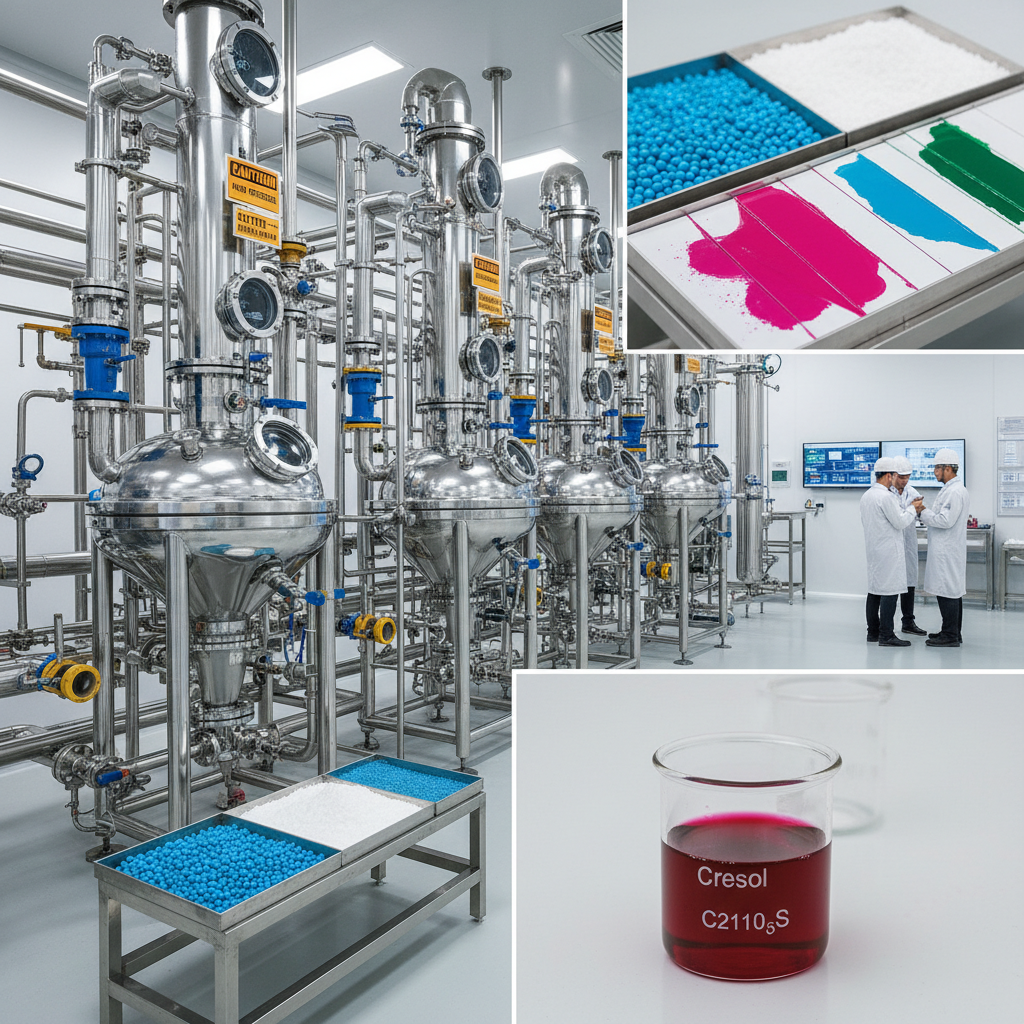
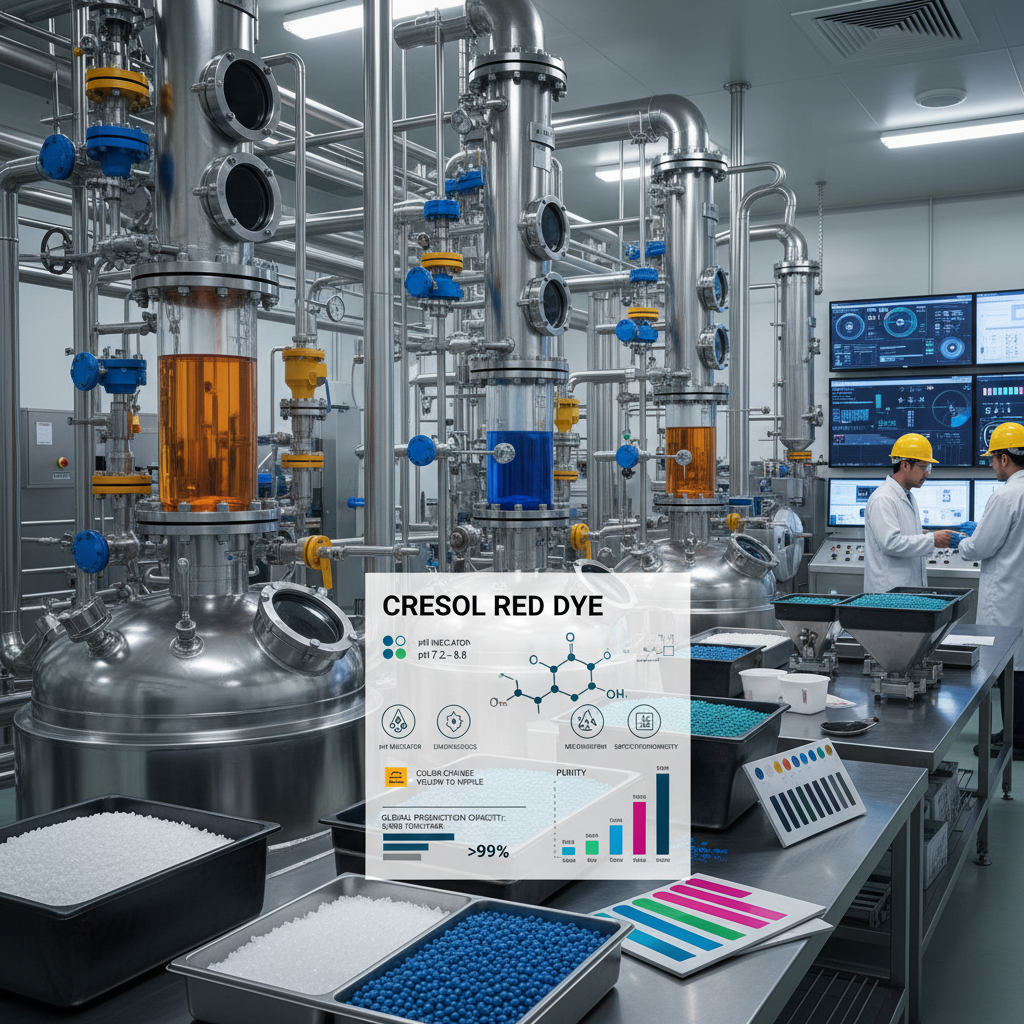
Cresol red dye is a pH indicator widely utilized across various scientific and industrial applications, including titration, cell culture media, and diagnostic tests. Understanding its properties, applications, and handling procedures is crucial for obtaining accurate and reliable results. Moneide Chemical offers high-quality cresol red dye for diverse research and manufacturing needs. This article will provide a detailed overview of cresol red, focusing on its chemical characteristics, uses, safety considerations, and how to source a dependable supply. Cresol red, also known as o-cresol sulfonphthalein, is a sulfonphthalein dye that exhibits a distinct color change depending on the pH of the solution. It transitions from yellow in acidic conditions (pH 8.8), with an orange hue in the intermediate range. This makes it an invaluable tool for visualizing pH changes in various experiments. The chemical formula for cresol red is C21H18O7S, and its molecular weight is approximately 414.43 g/mol. The versatile nature of cresol red dye lends itself to a multitude of applications. In biology, it is extensively used in cell culture media to monitor pH levels, ensuring optimal growth conditions for cells. It’s also a key component in several diagnostic assays. In chemistry, it's a reliable indicator for acid-base titrations, providing a clear endpoint indication. Furthermore, cresol red finds utility in environmental monitoring, specifically for assessing water quality and pH balance. Moneide Chemical’s cresol red is often utilized in quality control labs to ensure the purity of water samples. Key Applications: pH indication in titrations, cell culture media monitoring, diagnostic assays, and environmental water quality analysis. The quality of cresol red dye significantly impacts the accuracy of experimental results. Key specifications to consider include purity, solubility, and color transition range. Moneide Chemical meticulously controls the manufacturing process to ensure our cresol red dye consistently meets stringent quality standards. Each batch undergoes rigorous testing to confirm its purity and performance. While numerous pH indicators exist, cresol red possesses a specific transition range that makes it suitable for particular applications. Compared to methyl orange (pH 3.1-4.4), cresol red indicates pH changes in a higher range. Phenolphthalein (pH 8.3-10.0) shifts its range toward alkalinity, while bromothymol blue (pH 6.0-7.6) occupies a more neutral zone. Selecting the appropriate indicator depends on the expected pH range of the experiment. Although generally considered low toxicity, cresol red dye should be handled with care. Avoid inhalation of dust and contact with skin and eyes. Wear appropriate personal protective equipment (PPE), including gloves, safety glasses, and a lab coat, when handling the dye. Store in a cool, dry, and well-ventilated area, away from incompatible materials. Refer to the Safety Data Sheet (SDS) for detailed safety information and handling procedures. Moneide Chemical provides a comprehensive SDS with all purchases. Cresol red dye remains an essential reagent in various scientific disciplines. Its reliable pH indication capabilities, coupled with the availability of high-quality sources like Moneide Chemical, ensure consistent and accurate results. Proper handling and adherence to safety guidelines are paramount when working with this valuable chemical. Cresol red dye should be stored in a tightly sealed container, protected from light and moisture, and kept in a cool, dry place. Prolonged exposure to light can cause degradation, affecting the dye’s performance. Maintaining a consistent temperature below 25°C (77°F) is also recommended. Avoid storing near strong oxidizing agents or incompatible chemicals. To ensure accurate pH readings, use a properly calibrated pH meter as a reference point. Prepare fresh solutions of cresol red dye for each experiment. Ensure the solution is homogeneous and free of contaminants. Observe the color change under appropriate lighting conditions, and compare it to a standard color chart if necessary. Avoid using cresol red in solutions with high ionic strength, as this can affect the pH transition range. The biodegradability of cresol red dye is limited. As a synthetic organic dye, it doesn’t readily break down in the environment. Therefore, proper disposal is crucial. Follow local regulations for chemical waste disposal. Do not dispose of cresol red down the drain or into waterways. Consider utilizing a hazardous waste disposal service for safe and environmentally responsible handling. You can procure high-quality cresol red dye from reputable chemical suppliers like Moneide Chemical. We offer a range of purities and packaging options to meet your specific research needs. Always verify the supplier's quality control measures and request a certificate of analysis to ensure the dye meets your required specifications. Cresol Red Dye: A Comprehensive Guide
What is Cresol Red Dye?
Applications of Cresol Red Dye
Cresol Red Dye Specifications and Quality Control
Cresol Red Dye vs. Other pH Indicators
Safety and Handling of Cresol Red Dye
Conclusion
Frequently Asked Questions (FAQs)
What is the optimal storage condition for cresol red dye?
How can I ensure the accuracy of pH readings when using cresol red?
Is cresol red dye biodegradable?
Where can I find high-quality cresol red dye for my research?





Moneide Chemicals


