Welcome to Tangshan Moneide Trading Co., Ltd.





Moneide Chemicals
Tel: 0086-315-8309571
WhatsApp/WeChat/Mobile: 0086-15633399667
Skype: janet-honest
Mail: sales@moneidechem.com
Address: 2-7-523 Jidong Building Materials Commercial Center, Tangshan, Hebei 064000 China
Comprehensive Guide to Chloral Hydrate – Uses, Safety, and Industry Insights
- Time of issue:Dec . 14, 2025 01:05
(Summary description)Tangshan Moneide Trading Co., Ltd. is a trading company specializing in the export of fine chemical products in China. Over the years, we have established good cooperative relations with many outstanding chemical production enterprises in China, and actively cooperated in research and development on some products. Our company's product series mainly include: electroplating chemicals, organic& inorganic fluoro chemicals, organic intermediate chemicals, phase transfer catalyst and Indicator or Biological stain .
- Categories:Company dynamic
- Author:
- Origin:
- Time of issue:2019-12-30 10:55
- Views:
Chloral hydrate might not be the star of every chemical conversation, but its global relevance quietly reverberates through various industries. Understanding chloral hydrate unlocks insights into its multifaceted uses, from pharmaceuticals to industrial applications, making it a surprisingly versatile compound. If you’ve never heard of chloral hydrate before, that’s okay — in many ways, it’s one of those under-the-radar chemicals whose story matters a lot, especially when you connect the dots on safety, synthesis, and sustainability.
Globally, chloral hydrate occupies a unique niche. According to Wikipedia and various industry sources, its production and usage have been steady despite the rise of newer compounds, largely because of its reliability and cost-effectiveness. It’s most known for its sedative and hypnotic properties in medicine, but that’s just a piece of the puzzle.
A quick glance at the UN’s chemical safety reports shows chloral hydrate’s significance in pharmaceutical manufacturing, especially in regions where more advanced alternatives remain costly or less accessible. Interestingly, it also plays a rudimentary role in some industrial sectors, catering to processes where it acts as a precursor chemical. This duality—between medical and industrial domains—makes chloral hydrate a sort of “bridge compound” that boxes above its weight.
But here’s the catch: despite its many uses, chloral hydrate also poses environmental and safety challenges, reminding us how critical proper handling and innovation are to keeping the balance between utility and risk.
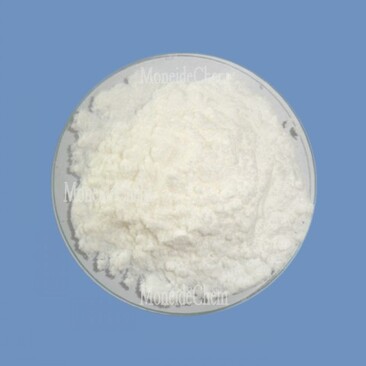
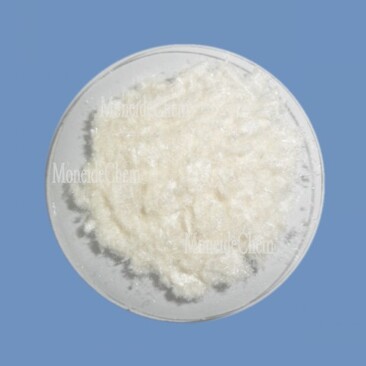
At its core, chloral hydrate is an organic compound derived from chloral—chemically termed as trichloroacetaldehyde monohydrate. It's a colorless crystalline substance, water-soluble and with a mild hypnotic effect. Over decades, its hypnotic and sedative properties propelled it into clinical use, mostly in the early and mid-20th century.
But the relationship between chloral hydrate and modern industry is broader than just medicine. It pops up in labs as an intermediate for preparing other substances, and industrially it hints at the delicate chemistry balancing act between efficacy and toxicity.
Although somewhat eclipsed by newer drugs, chloral hydrate still finds limited use in pediatrics and sleep therapy, especially in locations with restricted healthcare budgets. Its sedative effect, while mild, is often enough to induce sleep or calm agitation in controlled doses.
Many manufacturers rely on chloral hydrate as an intermediate to create other chlorinated compounds or reagents. It’s that stepping stone in synthesis you don’t often talk about but which literally keeps chemical supply chains moving.
In some cases, chloral hydrate is used in dye manufacturing, photographic chemicals, and even as an additive in rubber compounds. This diversity shows its versatility but also hints at the necessity for strict regulatory oversight.
The compound's sedative effects and potential misuse require a regulatory eye, so many countries regulate its production and distribution carefully. This is a tricky dance—aiming to enable its useful applications without unintended harm.
It’s one thing to talk chemistry, but where does chloral hydrate actually fit into the big picture? Let’s break it down by industry and geography.
To illustrate: In certain post-disaster relief situations, where advanced medicines are scarce, chloral hydrate’s sedative properties may help calm patients, demonstrating its quiet utility outside typical hospital settings. It’s one of those compounds that quietly but effectively fills gaps. Emotionally speaking, for many practitioners and manufacturers, chloral hydrate represents a bit of a safety net, something to lean on in uncertain chemical or medical supply environments. The mix of affordability and efficacy, though it’s not perfect, evokes trust—if not exactly excitement.
It might feel like chloral hydrate is stuck in the past, but innovation never really stops. There’s ongoing research on chloral hydrate derivatives that might reduce toxicity or enhance desired effects. Plus, with the push for greener chemical practices, manufacturers are looking at cleaner synthesis routes that minimize waste.
Digital tools in quality control and supply chain transparency also hint at smarter production and distribution models, ensuring that chloral hydrate reaches users safely and sustainably.
The elephant in the room: chloral hydrate is not without its downsides. Toxicity, potential misuse, and environmental disposal concerns raise red flags for regulators and users alike. Yet, many chemists advocate for stricter controls and safer handling protocols rather than outright bans.
More eco-friendly production methods and tighter supply chains are increasingly feasible with advanced automation and monitoring—solutions that could significantly mitigate risk while preserving chloral hydrate’s utility.
Primarily, it serves as a sedative in some medical contexts and as a chemical intermediate in industrial processes. However, many pharmaceutical uses have been replaced by safer alternatives. With proper safety protocols—such as protective equipment, ventilation, and training—it can be handled safely. Its toxicity means caution is essential, especially in large quantities. Yes, but because it’s regulated in many countries, firms must comply with import/export laws, provide proper documentation, and often obtain licenses before purchasing. Waste disposal and emissions from its production create environmental risk, pushing companies to adopt greener synthesis methods and stricter treatment of chemical waste. Yes, modern sedatives and hypnotics are generally safer and more effective, but chloral hydrate remains in use where these alternatives are unavailable or unaffordable.
Chloral hydrate may never be the flashiest chemical on the block, but its blend of affordability, utility, and historical significance keeps it relevant. Whether as a sedative in saving fragile lives or as a precursor in complex industrial syntheses, understanding this compound reflects broader challenges in balancing tradition and innovation.
For those interested in exploring chloral hydrate further or sourcing quality products, visit our website to learn more about supply options and safety standards.
Chloral Hydrate: A Quiet Workhorse in Modern Chemistry
Why Chloral Hydrate Matters Globally Today
What Is Chloral Hydrate, Really?
Key Properties That Define Its Uses
Core Aspects of Chloral Hydrate in Practice
1. Pharmaceutical Relevance
2. Chemical Intermediate
3. Industrial Uses
4. Regulatory Considerations
Real-World Applications: Where Does Chloral Hydrate Fit In?
Benefits That Keep Chloral Hydrate Enduring
What’s Next? Innovations and the Future of Chloral Hydrate
Challenges, But Not Without Solutions
Product Specification Table
Specification
Details
Chemical Formula
C2H3Cl3O2
Appearance
Colorless crystalline solid
Melting Point
56 °C
Solubility in Water
Highly soluble
Typical Use
Sedative, chemical intermediate
Regulatory Category
Controlled substance in many countries
Vendor and Supplier Comparison
Vendor
Purity (%)
Price (per kg)
Shipping Options
Country
ChemCo International
99.5
$120
Air, Sea, Road
Germany
EastAsia Chemicals
99.0
$110
Sea, Road
China
MidWest Organics
98.8
$115
Air, Road
USA
Frequently Asked Questions About Chloral Hydrate
1. What is chloral hydrate used for today?
2. Is chloral hydrate safe to handle in an industrial setting?
3. Can chloral hydrate be sourced internationally by companies?
4. How do environmental concerns impact chloral hydrate production?
5. Are there safer alternatives to chloral hydrate in pharmaceuticals?
Final Thoughts
References
Moneide Chemicals


