Welcome to Tangshan Moneide Trading Co., Ltd.





Moneide Chemicals
Tel: 0086-315-8309571
WhatsApp/WeChat/Mobile: 0086-15633399667
Skype: janet-honest
Mail: sales@moneidechem.com
Address: 2-7-523 Jidong Building Materials Commercial Center, Tangshan, Hebei 064000 China
Comprehensive Guide to Basic Violet 3 Applications and Chemical Properties
- Time of issue:Mar . 04, 2026 02:55
(Summary description)Tangshan Moneide Trading Co., Ltd. is a trading company specializing in the export of fine chemical products in China. Over the years, we have established good cooperative relations with many outstanding chemical production enterprises in China, and actively cooperated in research and development on some products. Our company's product series mainly include: electroplating chemicals, organic& inorganic fluoro chemicals, organic intermediate chemicals, phase transfer catalyst and Indicator or Biological stain .
- Categories:Company dynamic
- Author:
- Origin:
- Time of issue:2019-12-30 10:55
- Views:
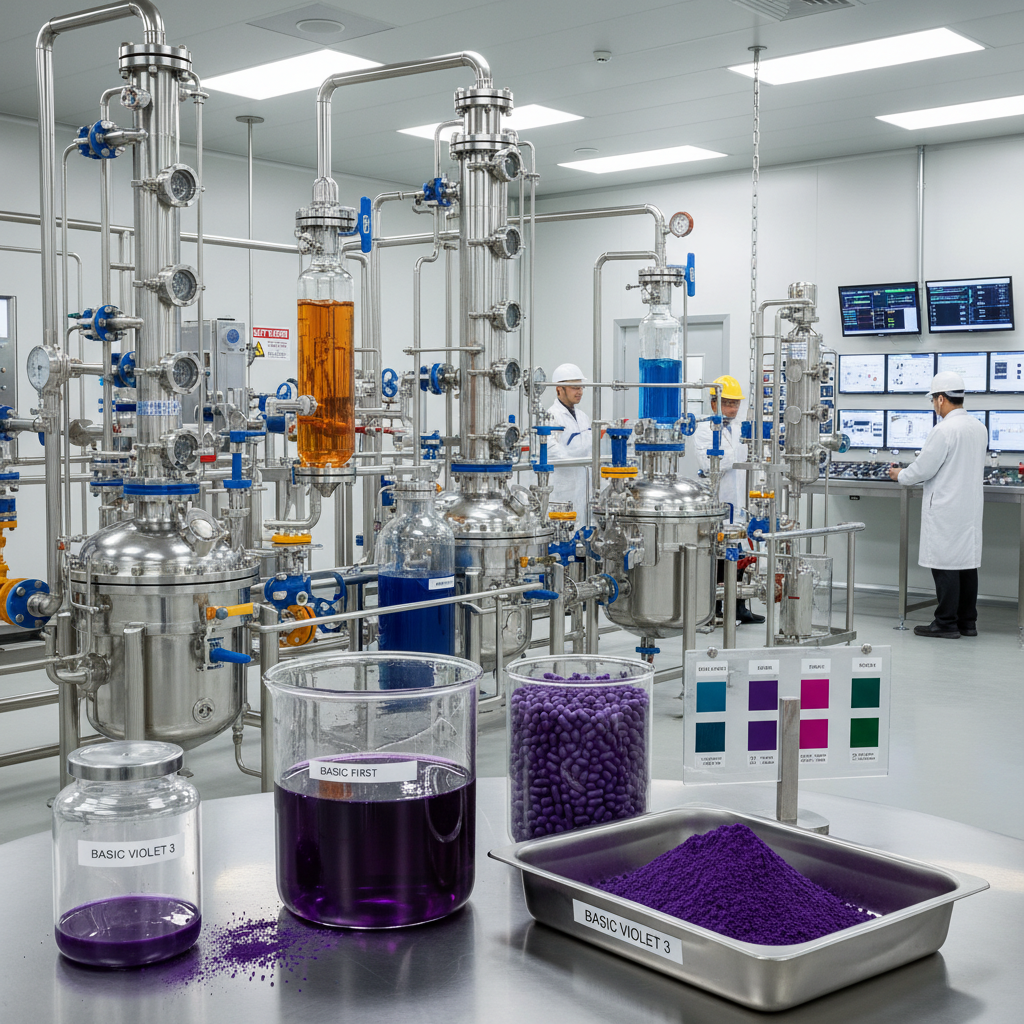
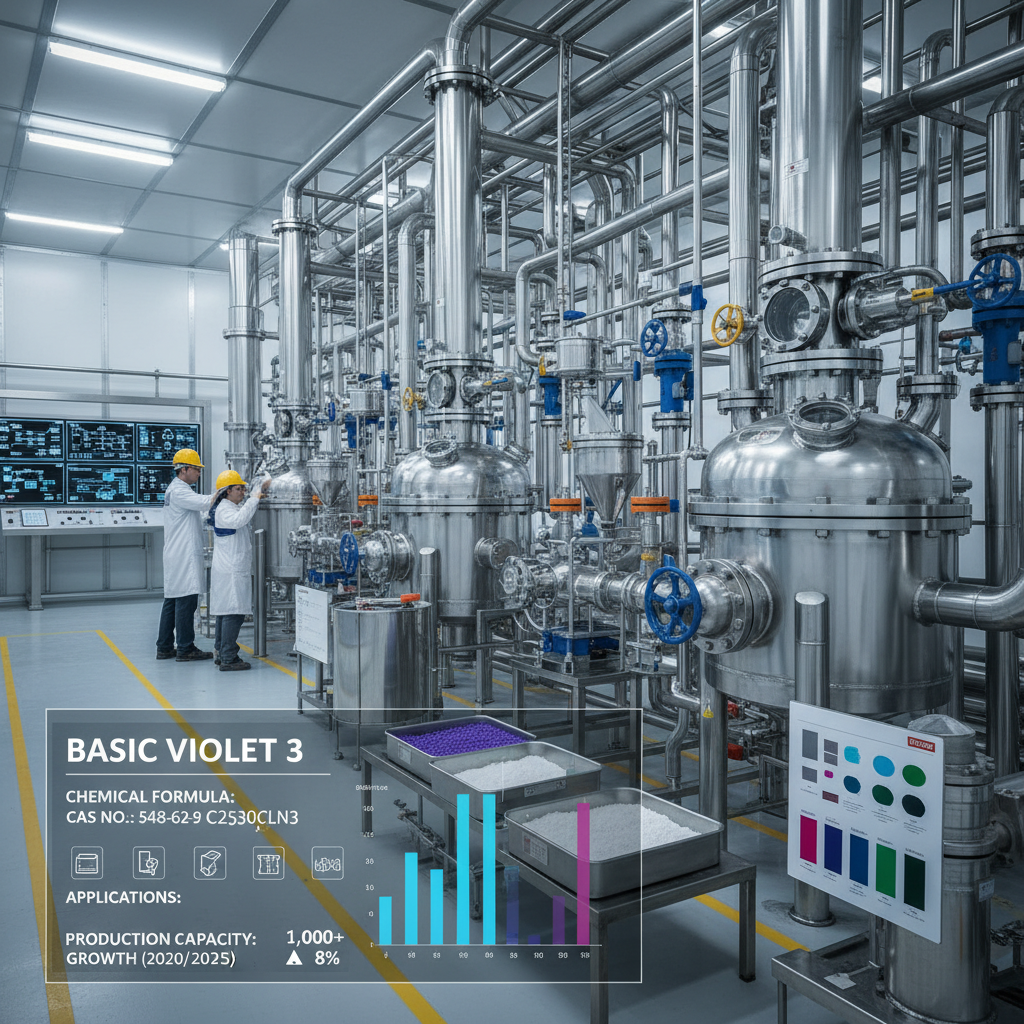
Basic Violet 3 is a crucial triarylmethane dye widely utilized in various industries, from textiles and paper to biological staining. Its vibrant violet hue and versatility make it a popular choice for coloring and analytical applications. This article will delve into the chemical properties, common applications, safety considerations, and sourcing of Basic Violet 3, offering a comprehensive guide for professionals and researchers. Understanding its characteristics is essential for optimal utilization and ensuring safe handling. Basic Violet 3, also known as Methyl Violet 2B, boasts a complex chemical structure that dictates its properties. Its molecular formula is C16H18ClN3S, and its molecular weight is approximately 319.85 g/mol. It's soluble in water, alcohol, and other polar solvents, forming a vivid violet solution. The dye exhibits strong absorption in the visible spectrum, leading to its intense color. Being a basic dye, it readily forms salts with acids. The stability of Basic Violet 3 is affected by light and oxidizing agents, leading to potential fading over time. Therefore, proper storage is crucial for maintaining its quality and effectiveness. Key Highlights: Soluble in water and alcohol, strong visible spectrum absorption, forms salts with acids, sensitive to light and oxidizing agents. The applications of Basic Violet 3 are diverse and span several key industries. In the textile industry, it’s used for dyeing silk, wool, and acrylic fibers, providing bright, durable colors. The paper industry utilizes it for coloring paper and cardboard. Importantly, it serves as a biological stain, frequently employed in microscopy to visualize cells and tissues. Furthermore, it finds use as an indicator in chemical analysis and as a sensitizer in photography. Its versatility and relatively low cost make it a preferred choice in many applications. Moneide Chem offers high-quality Basic Violet 3 for a wide range of industrial uses. Application Benefits: • Bright, durable colors for textiles • Effective biological staining for microscopy • Versatile indicator in chemical analysis • Cost-effective coloring agent The quality of Basic Violet 3 can vary significantly depending on the grade and purity level. Different applications require different levels of purity. For instance, biological staining typically demands a higher purity level to minimize interference with cellular processes. Lower purity grades might be suitable for less critical applications like paper dyeing. The presence of impurities can affect the color intensity, solubility, and stability of the dye. Therefore, choosing the right grade is crucial for achieving optimal results. Moneide Chem provides various grades of Basic Violet 3 to meet diverse industrial needs. While Basic Violet 3 has widespread use, it's essential to handle it with appropriate safety precautions. It can cause irritation to the skin, eyes, and respiratory system. Avoid direct contact with the dye and wear appropriate personal protective equipment (PPE) such as gloves, safety glasses, and a dust mask. Ensure adequate ventilation when working with the powder form. In case of contact, rinse thoroughly with water. Refer to the Safety Data Sheet (SDS) for detailed safety information and handling guidelines. Proper storage in a cool, dry, and well-ventilated area is vital to maintain its quality and prevent degradation. Sourcing Basic Violet 3 from a reliable supplier is crucial for ensuring quality, consistency, and safety. Look for suppliers with established quality control procedures and a commitment to sustainability. Moneide Chem is a trusted provider of high-quality chemicals, including Basic Violet 3, offering various grades and packaging options to meet your specific requirements. We are dedicated to providing exceptional customer service and ensuring the integrity of our products. Choosing a reputable supplier like Moneide Chem guarantees you receive a product that meets your specifications and adheres to industry standards. Basic Violet 3 remains a vital dye with broad industrial applications. Understanding its chemical properties, different grades, safety considerations, and sourcing reliable suppliers like Moneide Chem are key to maximizing its benefits. The primary hazards associated with Basic Violet 3 include skin and eye irritation, as well as potential respiratory irritation if inhaled as a dust. Prolonged or repeated exposure may cause sensitization in some individuals. It's crucial to avoid direct contact and use appropriate personal protective equipment (PPE) such as gloves, safety glasses, and a dust mask when handling the dye. Always consult the Safety Data Sheet (SDS) for comprehensive hazard information and safety guidelines. To maintain the quality of Basic Violet 3, it should be stored in a cool, dry, and well-ventilated area, away from direct sunlight and incompatible materials like strong oxidizing agents. The container should be tightly sealed to prevent moisture absorption and contamination. Proper storage conditions will help prevent degradation and ensure the dye remains effective for its intended application. Basic Violet 3 is widely used across several industries, including textiles (dyeing silk, wool, and acrylics), paper (coloring paper and cardboard), biology (as a biological stain for microscopy), chemical analysis (as an indicator), and photography (as a sensitizer). Its versatile properties make it a valuable component in numerous manufacturing and research processes. The Safety Data Sheet (SDS) for Basic Violet 3 is typically available from the supplier. Moneide Chem provides SDS documents for all of its products, including Basic Violet 3, on our website or upon request. The SDS contains detailed information about the hazards, safety precautions, handling procedures, and emergency measures associated with the product.Understanding Basic Violet 3: Applications and Chemical Properties
Chemical Properties of Basic Violet 3
Applications of Basic Violet 3 Across Industries
Basic Violet 3: Comparing Different Grades and Purity Levels
Safety Considerations and Handling of Basic Violet 3
Sourcing High-Quality Basic Violet 3
Conclusion: Leveraging the Versatility of Basic Violet 3
Frequently Asked Questions (FAQs)
What are the primary hazards associated with Basic Violet 3?
How should Basic Violet 3 be stored to maintain its quality?
What industries commonly use Basic Violet 3?
Where can I find the Safety Data Sheet (SDS) for Basic Violet 3?






Moneide Chemicals


