Welcome to Tangshan Moneide Trading Co., Ltd.






Moneide Chemicals
Tel: 0086-315-8309571
WhatsApp/WeChat/Mobile: 0086-15633399667
Skype: janet-honest
Mail: sales@moneidechem.com
Address: 2-7-523 Jidong Building Materials Commercial Center, Tangshan, Hebei 064000 China
Comprehensive Guide to 2-Thiobarbituric Acid: Uses, Benefits & Suppliers
- Time of issue:Nov . 29, 2025 08:40
(Summary description)Tangshan Moneide Trading Co., Ltd. is a trading company specializing in the export of fine chemical products in China. Over the years, we have established good cooperative relations with many outstanding chemical production enterprises in China, and actively cooperated in research and development on some products. Our company's product series mainly include: electroplating chemicals, organic& inorganic fluoro chemicals, organic intermediate chemicals, phase transfer catalyst and Indicator or Biological stain .
- Categories:Company dynamic
- Author:
- Origin:
- Time of issue:2019-12-30 10:55
- Views:
At first glance, 2-thiobarbituric acid might sound like a mouthful of chemistry jargon, but it’s one of those subtle yet crucial molecules quietly powering advances in biochemistry, food science, and pharmaceuticals worldwide. Why does it matter on a global scale? Simply put, 2-thiobarbituric acid plays a pivotal role in detecting oxidative stress and lipid peroxidation, phenomena linked to everything from food spoilage to human health conditions. Getting to grips with this compound isn’t just academic—it's connected to how industries protect products and safeguard health. Let's unpack what makes this compound so valuable. The world generates millions of tons of food every day, yet a significant fraction spoils prematurely due to oxidation, contributing to global waste challenges. According to the United Nations Environment Programme (UNEP), roughly one-third of all food produced is lost or wasted. Researchers and quality control experts employ chemicals like 2-thiobarbituric acid to measure and prevent oxidative damage, helping to reduce this loss. Moreover, in the healthcare industry, monitoring oxidative stress in patients helps guide treatment in conditions like diabetes and neurodegenerative diseases (lipid peroxidation - Wikipedia). But here’s the rub: detecting subtle signals of oxidation isn't trivial. Without reliable markers, interventions are delayed or ineffective. That’s where 2-thiobarbituric acid shines. This small molecule enables scientists to spot the invisible damage caused by free radicals. Simply put, 2-thiobarbituric acid (often abbreviated as TBA) is a heterocyclic compound derived from barbituric acid but with a sulfur atom replacing an oxygen atom at the second position of the ring. This tweak in its molecular structure gives it unique properties that allow it to react with aldehydes produced during lipid oxidation. From an industrial perspective, TBA is a key reagent in the TBA assay — a standard lab technique to quantify malondialdehyde (MDA), a byproduct of lipid degradation. In humanitarian applications, this helps assess the quality and safety of perishable goods, assuring consumers and healthcare providers alike. In practical terms, the role of 2-thiobarbituric acid spans several industries: One memorable example comes from post-disaster food distribution settings in Southeast Asia, where rapid testing for spoilage can prevent mass illness—here, TBA testing saves lives, not just products. The use of 2-thiobarbituric acid extends beyond the immediate assay benefits. Its application results in: Emotionally, knowing that a science-backed test can prevent spoiled food or guide critical care can’t be overstated. It’s a small molecule with a big mission, really. Science never stands still, and the world of oxidation detection is evolving too. Recently, innovations focus on miniaturizing tests using microfluidic devices for on-the-go spoilage monitoring or integrating TBA assays with digital sensors for real-time tracking. This fits into broader trends of green chemistry and automation, reducing reagent use and human error. Moreover, environmental regulations push industries to adopt more precise and less wasteful testing protocols, which challenges researchers to refine how 2-thiobarbituric acid assays work—improving specificity and reducing false positives. It’s not all smooth sailing. Some downsides of 2-thiobarbituric acid involve: Experts suggest combining TBA testing with complementary methods like chromatography or mass spectrometry for finer accuracy—sort of like double-checking your work before submitting. Plus, refining protocols and better training in sample prep help limit errors.
2-Thiobarbituric acid is primarily used to detect lipid peroxidation by reacting with malondialdehyde (MDA), a key marker of oxidative damage. It's essential in food quality control and biomedical research to quantify how much damage fat-containing samples have undergone.
While it’s excellent for detecting MDA, TBA is less specific for other oxidation products. That's why it’s often used alongside other analytical methods like chromatography when detailed profiling is required.
When used in small quantities under standard lab safety protocols, 2-thiobarbituric acid is generally safe. However, wearing gloves, eye protection, and working in a fume hood is recommended to avoid irritation or inhalation.
Yes, many suppliers offer TBA assay kits that include pre-measured reagents and standardized protocols to streamline testing for research and industrial labs.
Trusted suppliers include Moneide Chemicals, ChemCo Labs, and Global ChemSolutions. Consider purity, price, and delivery time as key factors when choosing.
So, what's the big takeaway? 2-thiobarbituric acid may be a small molecule, but it's fundamentally important in protecting what matters: our food, health, and environment. From laboratory benches in urban centers to remote field tests in disaster zones, its role is quietly powerful. Exploring its applications reveals how chemistry subtly underpins quality and safety in everyday life. If you're ready to dive deeper into quality reagents or trusted offers, feel free to visit our website and explore our catalogue.Understanding 2-Thiobarbituric Acid: A Key Chemical in Modern Science
The Global Context: Why 2-Thiobarbituric Acid Represents More Than Just Chemistry
What is 2-Thiobarbituric Acid?
Key Characteristics of 2-Thiobarbituric Acid
Global Applications & Use Cases of 2-Thiobarbituric Acid
Advantages & Long-Term Value of 2-Thiobarbituric Acid in Industry
Looking Ahead: Trends and Innovations Around 2-Thiobarbituric Acid
Obstacles and How the Industry Tackles Them
Product Specification Table: Common 2-Thiobarbituric Acid Products
Specification
Typical Value
Comments
Purity
≥ 98%
High purity for analytical use
Appearance
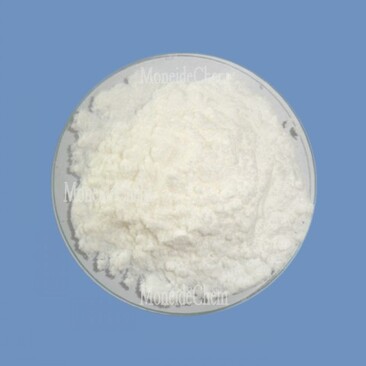
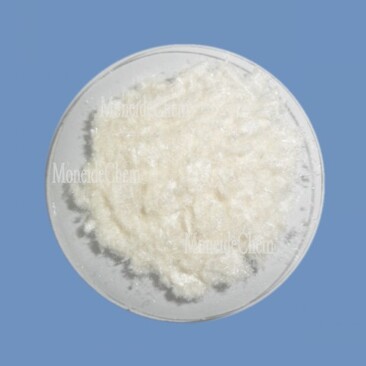
White crystalline powder
Typical physical form
Solubility
Water, ethanol, acetone
Versatile for lab assays
Melting Point
238-243 °C
Typical thermal behavior
Storage
Cool, dry, dark place
To preserve stability
Vendor Comparison: Leading Suppliers of 2-Thiobarbituric Acid
Supplier
Purity (%)
Price per gram (USD)
Lead Time
Global Shipping
ChemCo Labs
99
$7.50
3-5 days
Yes
Moneide Chemicals
≥98
$6.20
5-7 days
Yes
Global ChemSolutions
98.5
$7.00
7-10 days
No
Frequently Asked Questions About 2-Thiobarbituric Acid
Wrapping It Up: Why 2-Thiobarbituric Acid Remains Essential
Mini Takeaways
References


Moneide Chemicals


